Finding the Perfect Dog Collar: A Complete Selection Guide
Learn how to select the ideal collar for your dog's needs, lifestyle, and safety requirements.
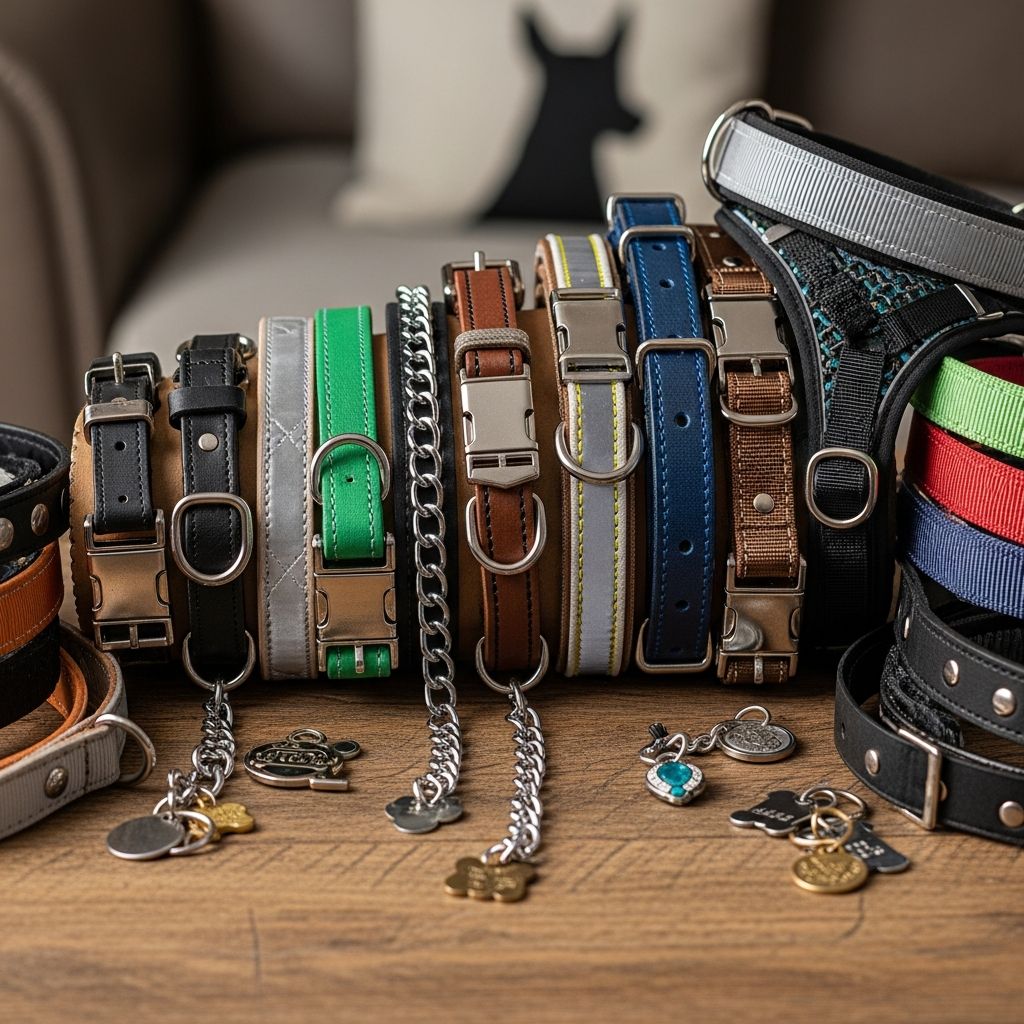
Selecting the right collar for your dog involves much more than picking an attractive design or color that matches your home décor. A properly chosen collar serves critical functions: it keeps your dog secure during walks, provides a place to attach identification tags, and can improve training outcomes. With numerous options available in the marketplace, understanding the differences between collar types, materials, and styles will help you make an informed decision that prioritizes both your dog’s comfort and safety.
Understanding Core Selection Criteria
Before exploring specific collar types, it’s important to recognize the fundamental factors that should guide your purchasing decision. These core criteria form the foundation of choosing a collar that works well for your individual dog.
The first consideration is your dog’s physical characteristics, including breed, size, and neck shape. Some dog breeds have distinctive anatomies that make certain collar styles more suitable than others. Additionally, your dog’s age, temperament, and activity level play crucial roles in determining which collar will work best. A high-energy dog that frequently pulls on the leash requires different features than a calm, well-trained companion. Environmental factors also matter—dogs that spend time in water or humid climates need collars made from water-resistant materials that won’t deteriorate or rust.
Understanding these foundational elements ensures that your collar choice enhances both your dog’s daily comfort and your ability to safely manage them in various situations.
The Standard Flat Collar: The Foundation of Dog Accessories
The flat collar represents the most common and widely used option for pet dogs. This traditional collar features a straightforward design consisting of a flat strip of material with either a buckle closure or a quick-release snap mechanism. A metal or plastic ring attached to the collar allows you to secure a leash and attach identification tags.
Flat collars work well for dogs with even temperaments and for situations where basic containment and identification are the primary concerns. They are available in numerous materials including nylon, polyester, leather, and fabric, offering choices for different aesthetic preferences and durability needs.
Proper Fitting Guidelines
Achieving the correct fit is essential for both safety and comfort. The collar should be snug enough that your dog cannot slip out of it, yet loose enough to prevent choking or discomfort. A practical measurement technique involves sliding two fingers under the collar while it rests on your dog’s neck. If you can comfortably fit two fingers in this space, the fit is appropriate. This guideline applies whether your dog is standing still or moving around.
Adjustable Versus Non-Adjustable Options
Modern flat collars come in both adjustable and fixed-size versions. Adjustable collars provide flexibility for getting the right fit, especially if your initial measurements are slightly imprecise. They also allow the collar to grow with your dog if you have a puppy that is still developing, eliminating the need for frequent replacements. Non-adjustable collars, while less flexible, often provide a more secure fit once properly sized.
Martingale Collars: Enhanced Control Without Choking
The martingale collar, also called a limited-slip or no-slip collar, addresses specific challenges that some dog owners face. This collar type features a unique dual-loop design where one loop encircles the dog’s neck while a second loop tightens when the dog pulls on the leash.
The mechanism works by distributing pressure across the dog’s neck rather than concentrating it at a single point. When your dog attempts to pull or slip out of the collar, the secondary loop gently contracts, providing correction without compromising the dog’s airway. This design makes martingale collars fundamentally different from traditional choke collars, which can cause harm if misused.
Ideal Candidates for Martingale Collars
Certain dog breeds are particularly well-suited to martingale collars. Sighthounds such as greyhounds, whippets, and salukis have narrow heads relative to their neck width, making them prone to slipping out of standard flat collars. For these breeds, a martingale collar provides necessary security without requiring a collar to be uncomfortably tight.
Beyond sighthound breeds, any dog that has demonstrated skill at escaping regular collars benefits from a martingale design. Additionally, anxious or fearful dogs that pull backward to escape during walks find martingale collars particularly useful. The gentle tightening action discourages pulling without causing panic or injury, which can be especially valuable for dogs working with their owners to overcome leash anxiety.
Important Safety Considerations
While martingale collars are generally safe when properly used, certain precautions should be observed. These collars should never be left on unsupervised dogs, particularly when the dog is indoors or playing with other dogs. The design can catch on objects like furniture or another dog’s teeth, potentially creating a hazard. Additionally, martingale collars are intended for temporary correction during walks rather than continuous wear, so removing the collar once you arrive home or complete your walk is recommended.
Nylon Collars: Practical Durability and Easy Maintenance
Nylon collars have become increasingly popular among dog owners seeking a balance between functionality, affordability, and ease of care. These collars consist of woven nylon material with either plastic or metal buckle attachments. The construction makes them lightweight yet surprisingly strong—quality nylon webbing can withstand pulling forces exceeding 3800 pounds.
Material Advantages and Climate Considerations
The nylon material offers specific advantages for dogs in particular environments or lifestyles. Dogs that enjoy swimming, water activities, or live in humid climates benefit significantly from nylon’s moisture-resistant properties. Unlike some materials, nylon doesn’t absorb water, dry slowly, or develop odors from moisture exposure. Additionally, nylon doesn’t rust or corrode when exposed to wet conditions, particularly when paired with stainless steel hardware rather than standard metal components.
Cost-Effectiveness and Accessibility
Nylon collars typically cost less than leather alternatives while maintaining excellent durability. This affordability makes them attractive for households with multiple dogs or for owners who prefer to have several collar options for different occasions. The cost-effective nature of nylon collars also makes them practical choices for puppies that are still growing and may need size adjustments or replacements as they develop.
Leather Collars: Classic Elegance and Durability
Leather represents a premium material choice for dog collars, offering aesthetic appeal alongside functional benefits. Quality leather develops character over time, aging gracefully as your dog wears the collar through years of adventures. Leather collars typically feel more refined than synthetic alternatives and often provide enhanced comfort through their natural material properties.
However, leather requires more maintenance than nylon or other synthetic materials. Regular conditioning helps preserve the material and prevent cracking. Leather is also not ideal for dogs that spend significant time in water, as moisture can damage the material and create conditions for mold or mildew growth.
Velvet and Specialty Materials
Velvet collars represent a growing specialty segment, combining comfort with visual appeal. The soft surface of velvet provides enhanced comfort against a dog’s skin and neck, potentially reducing irritation for dogs with sensitive skin. Velvet collars work particularly well for indoor dogs or those primarily used for special occasions rather than daily wear.
Beyond these mainstream options, various specialty materials exist for specific purposes, including reflective materials for enhanced visibility during evening walks and padded collars for dogs with neck sensitivity.
Sizing and Measurement Guide
Accurate measurement prevents the common problem of purchasing a collar that doesn’t fit properly. To measure your dog for a new collar, use a soft measuring tape and measure around the base of your dog’s neck where the collar will sit. Record this measurement and then add approximately one inch to account for comfort and growth potential.
For puppies, consider collars with more adjustment range, as they’ll require size modifications as they grow. Measure your puppy every month to ensure the collar continues to fit appropriately. For adult dogs, remeasure annually to account for any changes in weight or body condition that might affect collar fit.
Evaluating Collar Quality and Safety Features
Beyond material and style, several quality indicators determine whether a collar will serve your dog well over extended use. Key evaluation areas include safety features, durability, ease of use, and proper fit.
Examine the hardware used in the collar’s construction. Stainless steel components resist rust and corrosion better than standard metal options. Buckles should function smoothly without sticking, and quick-release mechanisms should open easily when needed but hold securely during normal use. Stitching should be even and robust, particularly around stress points where hardware attaches to the material.
Special Considerations for Training and Behavior
Dogs with specific behavioral challenges or training needs may benefit from collar types beyond standard flat designs. Dogs that consistently pull on the leash require collars that provide better control without causing discomfort. The choice between martingale collars, head collars, or other specialized options depends on your dog’s particular behavior patterns and your training approach.
Consultation with a professional dog trainer can help identify which collar style might best support your training objectives. Different trainers may recommend different tools based on their experience and training philosophy, so gathering multiple perspectives before purchasing can be valuable.
Collar Maintenance and Care Tips
Proper maintenance extends your collar’s lifespan and ensures it remains safe and comfortable for your dog. Nylon collars can be cleaned with mild soap and water, then air-dried completely before use. Leather collars require periodic conditioning with leather-specific products to maintain flexibility and prevent cracking. Metal components should be inspected regularly for rust or corrosion, particularly if the collar frequently gets wet.
Periodically check the collar for signs of wear, including fraying edges, loose stitching, or damaged buckles. Replace collars that show significant deterioration to prevent accidental breakage during walks.
Common Questions About Dog Collars
What is the difference between a martingale and a choke collar?
While both martingale and choke collars tighten when a dog pulls, martingale collars have a safety limit preventing complete closure of the collar, thus avoiding airway restriction. Choke collars can potentially cause harm if not used carefully, whereas martingale collars are specifically designed to provide correction without choking hazards.
Can my dog wear a collar all day long?
Standard flat collars can be left on throughout the day without concern for most dogs. However, martingale collars should be removed when your dog is unsupervised due to entanglement risks. Always ensure that any collar worn continuously fits properly and doesn’t cause irritation.
How often should I replace my dog’s collar?
Collar replacement frequency depends on wear patterns, material, and your dog’s size changes. Growing puppies may need new collars every few months, while adult dogs might use the same collar for years if well-maintained. Replace collars showing visible damage or deterioration immediately.
Are certain collar materials better for dogs with sensitive skin?
Dogs with sensitive skin often benefit from softer materials like velvet or padded collars that reduce friction and irritation. Ensure whatever material you choose is clean and doesn’t contain irritating chemicals. If your dog develops redness or itching around the collar area, discontinue use and consult your veterinarian.
Making Your Final Selection
Choosing the right collar involves weighing your dog’s specific needs against the available options. Consider your dog’s breed, size, temperament, and lifestyle. Evaluate the activities your dog participates in and the environments they encounter. Think about your training approach and whether you need a collar that provides additional control or simply serves identification and containment purposes.
Take time to try different options if possible, as comfort and functionality matter as much as appearance. A collar that looks perfect but causes your dog discomfort or fails to serve its intended purpose ultimately provides poor value regardless of price. By carefully considering the factors outlined in this guide, you can confidently select a collar that will serve your dog well while providing you with peace of mind during your daily adventures together.
References
- Which Type of Dog Collar is Best for Your Dog? — Humane World. Accessed April 2026. https://www.humaneworld.org/en/resources/dog-collars
- 4 Different Types of Dog Collars, Explained — 2 Hounds Design. Accessed April 2026. https://2houndsdesign.com/blogs/blog/different-types-of-dog-collars
- Choosing the Right Dog Collar — Coastal Pet Products. Accessed April 2026. https://www.coastalpet.com/blog/choosing-the-right-dog-collar/
- Choosing the Right Collar for Your Dog — American Kennel Club. Accessed April 2026. https://www.akc.org/expert-advice/lifestyle/choosing-right-dog-collar/
- A Guide to the Different Types of Dog Collars — WOLFpak. Accessed April 2026. https://wolfpak.com/blogs/news/a-guide-to-the-different-types-of-dog-collars
- Types Of Dog Collars: Guide To Choosing The Right One — Mimi Green. Accessed April 2026. https://www.shopmimigreen.com/types-of-dog-collars/
- What Is the Best Dog Collar? A Practical Guide to Choosing One That Works — Hoss Straps. Accessed April 2026. https://www.hossstraps.com/blogs/news/what-is-the-best-dog-collar-a-practical-guide-to-choosing-one-that-works
Similar Articles








Read full bio of Sneha Tete