

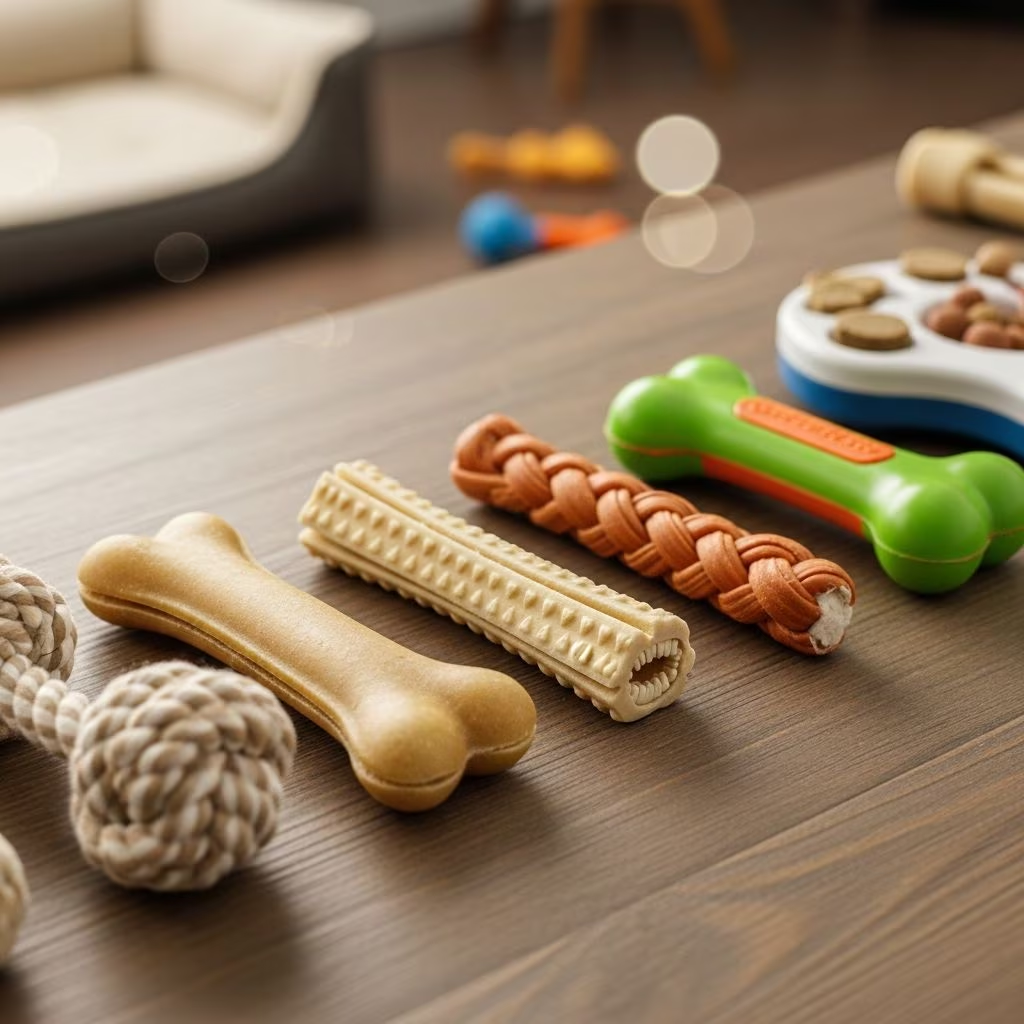
Selecting the right chew for your dog goes beyond mere entertainment. These treats fulfill innate chewing instincts, promote oral hygiene by reducing plaque, support joint wellness through natural nutrients, and offer mental stimulation to curb destructive behaviors. With countless options available, matching a chew to your dog’s specific profile—considering factors like jaw strength, body size, and age—ensures safety and maximum benefits.
Why Dogs Need Quality Chews
Chewing ranks as a fundamental behavior in canines, aiding teething in puppies, stress relief in adults, and even digestive health. High-quality chews mechanically scrape tartar from teeth while delivering proteins and glucosamine for joint maintenance. Unlike synthetic toys, natural varieties digest easily, minimizing blockage risks.
- Dental advantages: Gnawing action polishes enamel and massages gums.
- Nutritional perks: Many provide collagen for skin elasticity and cartilage support.
- Behavioral benefits: Occupies energetic pups, preventing furniture damage.
Classifying Your Dog’s Chewing Profile
Observe your dog’s approach to identify their category. Light chewers nibble casually, moderate ones engage steadily, and aggressive types pulverize items rapidly. Size influences needs too: small breeds favor slim profiles to avoid choking, while giants require dense materials.
| Chewer Type | Traits | Ideal Chew Traits |
|---|---|---|
| Light | Gentle nibbling, quick consumption | Soft, flexible, quick-dissolving |
| Moderate | Steady gnawing, lasts hours | Medium density, flavorful |
| Aggressive | Powerful jaws, destroys fast | Ultra-durable, non-splintering |
Top Chew Recommendations by Intensity
For Gentle Light Chewers
These dogs thrive on pliable options that dissolve safely without overwhelming their jaws. Turkey tendons offer flexibility and low fat, ideal for casual sessions. Lamb ears provide a light crunch, digesting fully to support tummy health.
- Thin bully sticks: Odorless, protein-rich snacks for training rewards.
- Jerky strips: Portable, high-protein bites for mild chewers.
For Steady Moderate Chewers
Balance durability with enjoyment using tracheas or standard bully sticks. Beef tracheas deliver glucosamine for joints, while braided bully sticks extend engagement time through added thickness.
- Pig ears: Affordable crunch with natural oils for coat shine.
- Chicken feet: Thin bones scrape teeth effectively without excess calories.
For Powerhouse Aggressive Chewers
Demand tough contenders like extra-thick bully sticks or collagen rolls. Yak chews endure prolonged sessions, softening gradually. Antlers suit adults with strong teeth, mineral-packed for bone strength.
- Glazed beef cheeks: Dense texture resists shattering.
- Raw marrow bones: Enzyme-rich for superior cleaning (supervised only).
Tailoring Chews to Breed Sizes
Small breeds like Chihuahuas need narrow chews to fit tiny mouths, avoiding gulping hazards. Medium dogs such as Beagles handle versatile mediums, while large Labs or Mastiffs require hefty, long-lasting pieces to satisfy robust appetites.
| Breed Size | Recommended Chews | Why It Fits |
|---|---|---|
| Small | Turkey tendons, thin bully sticks | Prevents choking, easy handling |
| Medium | Braided collagen, beef ears | Matches moderate jaw power |
| Large | Thick bully sticks, antlers | Withstands heavy pressure |
Age-Appropriate Chew Choices
Puppies Under 1 Year
Focus on softness to protect developing teeth. Avoid hard items like antlers that risk fractures. Opt for tendons or soft collagen for teething relief and gentle cleaning.
Prime Adult Dogs (1-7 Years)
Peak vitality allows diverse options. Heavy chewers get antlers or collagen for endurance; others enjoy bully sticks for dental scraping and flavor.
- Collagen sticks: Joint support for active lifestyles.
- Turbo tendons: Chewy texture mimics bone benefits.
Senior Dogs Over 7 Years
Prioritize gentleness for worn teeth. Softer tracheas or thin jerky maintain stimulation without strain, delivering chondroitin for arthritic joints.
Safety Essentials for All Chews
Supervise every session to prevent gulping large pieces. Discard nubs smaller than a tennis ball for your dog’s size. Steer clear of rawhide, which expands in stomachs, and cooked bones that splinter. Introduce new chews gradually to check for allergies.
- Size rule: Chew must be wider than muzzle.
- Digestibility: Choose single-ingredient naturals.
- Storage: Keep dry to avoid mold.
Health Boosts from Smart Chewing
Beyond occupation, chews contribute meaningfully. Glucosamine in tracheas eases senior mobility, collagen bolsters skin and hips in breeds like German Shepherds. Low-fat tendons suit weight management, while mineral-rich antlers fortify overall skeletal health.
Common Mistakes to Avoid
Don’t assume one-size-fits-all; a durable antler harms light chewers’ teeth. Overlook odors at your peril—pungent bully sticks may upset households. Ignore rotation: Reuse same type leads to boredom or wear.
Frequently Asked Questions
How long should a chew session last?
10-20 minutes suffices for most, extending for heavy chewers. Watch for jaw fatigue.
Are bully sticks safe for all dogs?
Yes, when sized appropriately; they’re digestible beef muscle without additives.
Can chews replace brushing?
They supplement but don’t fully replace; combine with vet-approved toothpaste weekly.
What if my dog swallows chunks?
Select softer, quicker-dissolving types and supervise closely.
Which chew is most long-lasting?
Antlers or yak chews for aggressive adults, per durability tests.
Building a Chew Rotation Plan
Variety prevents fixation and balances nutrients. Weekly mix: two bully-based, one tendon, one collagen. Track preferences in a journal to refine choices. Budget tip: Bulk naturals save costs long-term.
Investing time in selection yields happier, healthier dogs. Match meticulously, prioritize safety, and enjoy watching natural instincts thrive safely.
References
- Vet-Recommended Dog Chews: What Can Dogs Chew on Safely — ToeGrips. 2023-05-15. https://toegrips.com/safe-chewing-toys-for-dogs-chews-wisely/
- The Best (and Safest) Chew Bones for Dogs — Whole Dog Journal. 2024-02-10. https://www.whole-dog-journal.com/food/the-best-and-safest-chew-bones-for-dogs/
- Dog Bone Cheatsheet: Differences Between Types of Dog Bones — Primal Pet Foods. 2023-11-20. https://www.primalpetfoods.com/blogs/news/dog-bone-cheatsheet-the-serious-differences-between-the-types-of-dog-bones
- The Ultimate Guide To Dog Chews — Odyssey Pets. 2024-08-05. https://odysseypets.com/blog/the-ultimate-guide-to-dog-chews
- Dog Chews 101: Which Type Is Right for Your Dog? — Best Bully Sticks. 2024-03-12. https://www.bestbullysticks.com/blogs/bbs-blog/dog-chews-101-which-type-is-right-for-your-dog



