
Perennial Ryegrass Toxicosis in Livestock
Understanding the hidden dangers of endophyte-infected ryegrass and protecting animals from neurological disorders.
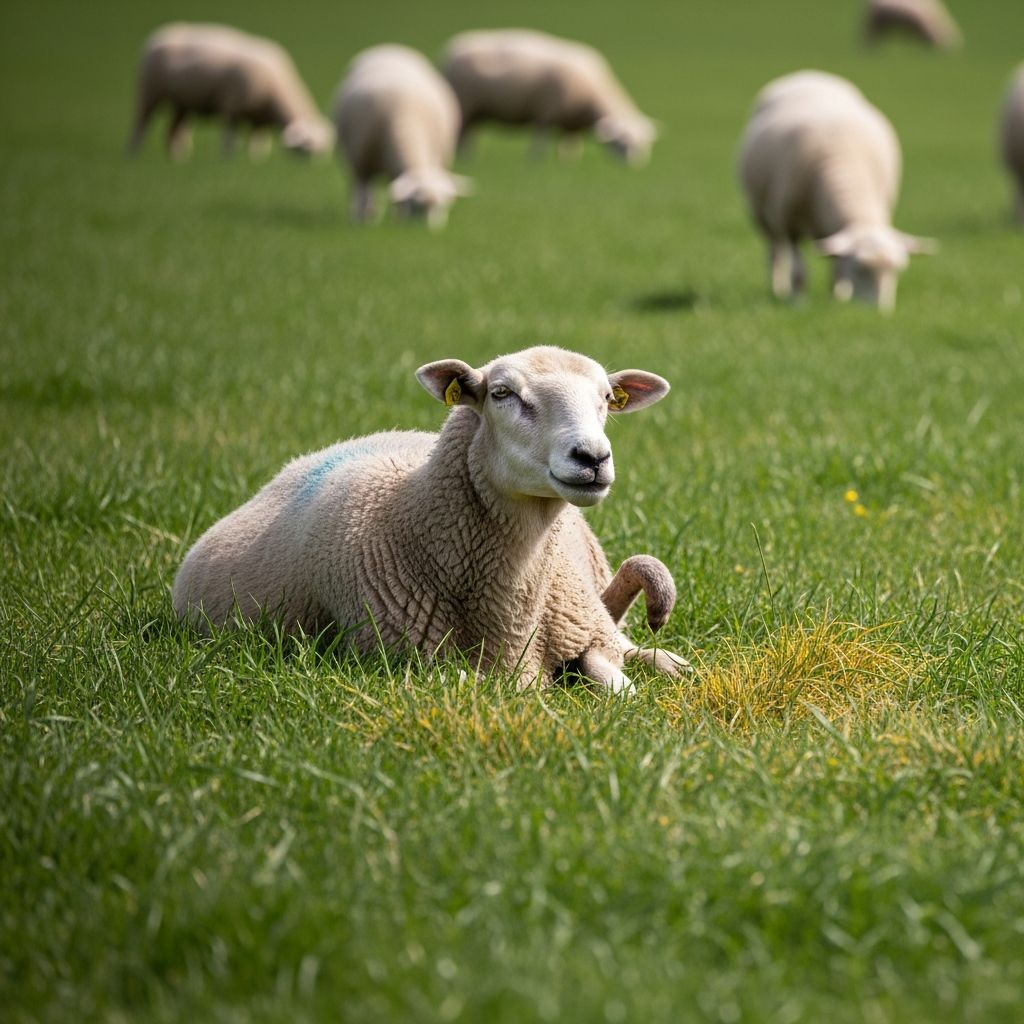
Perennial ryegrass toxicosis, commonly known as ryegrass staggers, poses a significant threat to grazing animals worldwide, particularly during warmer months when environmental conditions favor toxin production in pastures. This condition arises from mycotoxins generated by endophytic fungi living symbiotically within the grass, leading to neurological impairments that can severely impact animal welfare and farm productivity.
The Biological Culprit: Endophyte Fungi in Ryegrass
At the heart of perennial ryegrass toxicosis is the endophytic fungus Epichloë festucae (formerly Neotyphodium lolii), which colonizes Lolium perenne, a popular forage grass used extensively in pastures for its high yield and nutritional value. This fungus resides within plant tissues without causing visible harm to the host grass, instead providing benefits like insect resistance through the production of compounds such as peramine and lolitrem B.
These alkaloids concentrate in the leaf sheaths, pseudostems, and seed heads, peaking in late summer and autumn under stress conditions like drought followed by rain. Unlike annual ryegrass toxicity, which involves bacterial corynetoxins, perennial cases stem from these fungal metabolites that target the animal’s central nervous system. The toxin’s persistence in silage and hay can extend risks beyond fresh grazing, lasting months in preserved feed.
Susceptible Species and Risk Factors
Several livestock species face vulnerability to ryegrass staggers, with sheep and cattle most frequently affected due to their grazing habits, followed by horses, deer, llamas, and camelids. Goats appear more resistant, possibly owing to selective browsing that avoids toxin-rich lower plant parts.
Outbreaks surge in regions with ryegrass-dominant pastures, such as New Zealand, Australia (especially southern Victoria and Tasmania), parts of Europe, and North America. Weather patterns exacerbate risks: prolonged dry spells stress the grass, boosting fungal toxin output, while subsequent rainfall promotes rapid regrowth laden with high alkaloid levels. Pasture management practices, like overgrazing or using endophyte-infected seed varieties, further heighten exposure.
| Species | Sensitivity Level | Common Outcomes |
|---|---|---|
| Sheep | High | Staggering, production loss |
| Cattle | High | Tremors, heat stress |
| Horses | Moderate | Ataxia, handling issues |
| Deer/Llamas | Moderate | Neurological spasms |
Recognizing the Signs: Clinical Manifestations
Symptoms typically emerge 2-14 days after animals begin grazing infected pastures, starting subtly and intensifying with continued exposure or stress. Initial indicators include reduced appetite, lethargy, and a tendency to seek shade or water more frequently. As neurotoxins like lolitrem B disrupt neuromuscular function, animals exhibit muscle tremors, especially around the head and shoulders, exacerbated by movement, noise, or handling.
- Early stage: Fine head nodding, exaggerated blinking, mild stiffness in gait.
- Moderate stage: Staggering walk, splayed legs, hypersensitivity to stimuli leading to panic.
- Severe stage: Collapse, tetanic spasms, recumbency, hyperthermia with panting or drooling.
In horses, signs include quivering, easy startling, and hindquarter weakness, making them awkward to manage. Heat intolerance is common across species, prompting animals to wallow in water sources, risking drowning or injury. While direct mortality remains low (under 5%), indirect deaths from misadventure, starvation, or predation affect up to 90% of exposed groups in bad outbreaks. Chronic low-level exposure may cause subtle issues like ill-thrift, fertility drops, and lower milk yields without overt staggering.
Diagnostic Approaches for Veterinarians
Confirming ryegrass toxicosis relies on a combination of history, clinical observation, and exclusion of differentials like grass tetany (magnesium deficiency) or bacterial infections. Key diagnostic steps include:
- Assessing pasture history: Recent grazing on known endophyte-infected ryegrass, especially post-drought.
- Observing pathognomonic signs: Tremors worsening with exercise, no fever or inflammation.
- Lab tests: Toxin analysis in plant samples or animal tissues, though not always practical.
- Ruling out alternatives: Bloodwork for electrolytes, liver enzymes, and neurology exams.
Government alerts, such as those from APHA in the UK, highlight seasonal risks based on weather and reports, aiding early suspicion. Microscopic confirmation of endophytes in grass confirms environmental exposure.
Management and Treatment Strategies
No specific antidote exists for lolitrem B or associated toxins, so management focuses on removal from the source and supportive care. Promptly relocate affected animals to safe pastures or crops; symptoms often resolve in 1-3 weeks without further exposure.
Supportive measures include:
- Minimizing stress: Isolate in quiet, shaded areas with ample water and feed.
- Monitoring hydration and temperature to prevent secondary complications.
- Avoiding forced exercise or yarding until recovery.
In severe cases, intravenous fluids or anti-inflammatories may help, but individual treatment is rarely feasible for large herds. Pastures can be reintroduced after 2-4 weeks of regrowth, diluting toxins with new growth.
Prevention: Safeguarding Pastures and Herds
Proactive strategies center on selecting low-toxin ryegrass varieties bred with novel endophytes that deter insects without harming livestock. Endophyte-free cultivars offer safety but may lack persistence.
Key preventive practices:
- Seed selection: Use certified low-endophyte or AR1/AU1 strains tested for toxin profiles.
- Grazing rotation: Avoid over-maturing pastures; introduce supplements during high-risk periods.
- Monitoring: Scout for fungal presence via lab assays; diversify forage mixes with clovers or other grasses.
- Weather awareness: Heed alerts after dry-wet cycles.
Farmers should maintain records of outbreaks to inform future sowing and consult extension services for regional advice.
Economic and Production Impacts
Beyond animal health, ryegrass toxicosis erodes farm viability through weight gain losses (up to 20-30% in lambs), reduced conception rates, and mustering inefficiencies. In endemic areas like Tasmania, annual outbreaks strain veterinary resources and market confidence. Selecting balanced endophyte-grass combos mitigates these while preserving pasture quality.
Frequently Asked Questions (FAQs)
What causes ryegrass staggers in animals?
Mycotoxins like lolitrem B from the endophyte fungus Epichloë festucae in perennial ryegrass.
How quickly do symptoms appear?
Usually 2-14 days after grazing infected pastures.
Is there a cure for affected livestock?
No antidote; recovery occurs by removing animals from toxic grass.
Which animals are most at risk?
Sheep, cattle, horses, and camelids grazing ryegrass-dominant pastures.
Can silage cause toxicosis?
Yes, toxins persist in silage for months.
Global Distribution and Emerging Concerns
While New Zealand reports consistent annual cases, Europe and Australia see spikes tied to climate variability. Recent UK alerts underscore rising risks from extreme weather, urging vigilance in cattle and sheep operations. Research into toxin degradation and resistant breeds continues to offer hope for sustainable grazing.
References
- Increased risk of perennial rye-grass staggers this autumn — AHDB. 2025-09-12. https://ahdb.org.uk/news/increased-risk-of-perennial-ryegrass-staggers-this-autumn
- Increased risk of perennial ryegrass staggers this autumn — GOV.UK (APHA). 2025-09-08. https://www.gov.uk/government/publications/alerts-for-vets-emerging-and-endemic-disease-alert-system-eedas/8-september-2025-increased-risk-of-perennial-ryegrass-staggers-this-autumn
- Perennial ryegrass staggers — Wikipedia. N/A. https://en.wikipedia.org/wiki/Perennial_ryegrass_staggers
- Perennial Ryegrass Staggers — NRE Tasmania. N/A. https://nre.tas.gov.au/biosecurity-tasmania/animal-biosecurity/animal-health/sheep/perennial-ryegrass-staggers
- Perennial ryegrass — Meat & Livestock Australia (MLA). N/A. https://www.mla.com.au/research-and-development/animal-health-welfare-and-biosecurity/poisonings/toxic-plants/perennial-ryegrass/
- Ryegrass Poisoning — MSD Veterinary Manual. N/A. https://www.msdvetmanual.com/special-pet-topics/poisoning/ryegrass-poisoning
- Staggers in Horses: Ryegrass Contamination Poisoning — Mad Barn. N/A. https://madbarn.com/staggers-in-horses/
Similar Articles








Read full bio of Sneha Tete


