

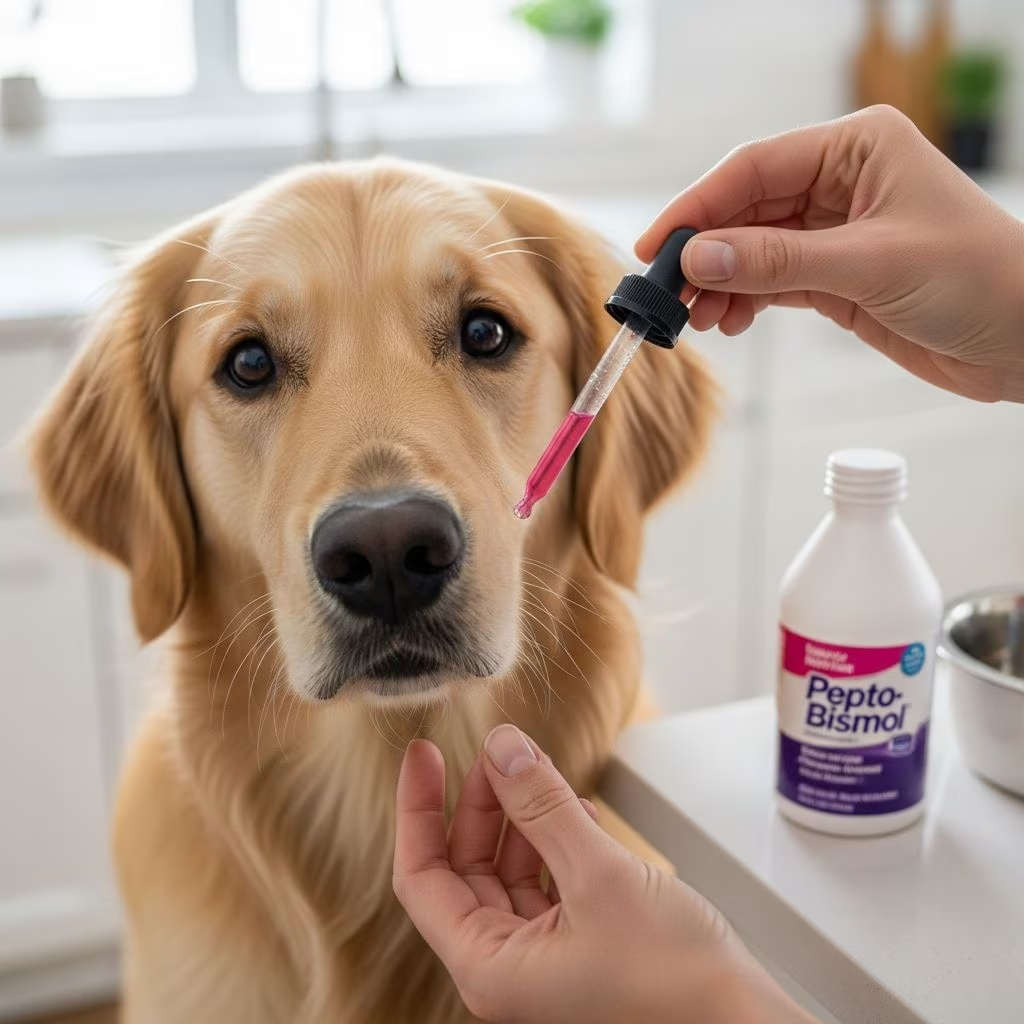
Pepto-Bismol, known scientifically as bismuth subsalicylate, offers relief for human digestive woes, but can it help dogs too? Many pet owners reach for this pink liquid when their furry friends face tummy troubles like diarrhea or nausea. While it can be used in canines under specific conditions, safety hinges on proper dosing, timing, and veterinary oversight. This guide breaks down everything you need to know to make informed decisions for your dog’s health.
Understanding Bismuth Subsalicylate in Canine Care
Bismuth subsalicylate works by coating the stomach lining, reducing inflammation, and combating bacteria that cause upset. In dogs, it addresses mild gastrointestinal issues effectively when administered correctly. However, its salicylate component—related to aspirin—raises concerns for certain pets, as dogs metabolize it differently than humans.
Veterinarians note that while generally tolerated, Pepto-Bismol isn’t a cure-all. It’s best for short-term relief of simple diarrhea or indigestion, not chronic conditions or severe illness. Always prioritize a vet consultation to rule out underlying problems like infections or parasites.
Recommended Dosages for Different Dog Sizes
Dosage precision is critical to avoid toxicity. Most sources agree on a baseline: about 1 teaspoon (5 ml) of original liquid Pepto-Bismol per 10 pounds of body weight, every 6-8 hours, for no more than 1-2 days. This equates to roughly 0.5-1.5 ml per pound daily, split into doses.
Use a pet dosing syringe for accuracy—never household spoons. Here’s a quick reference table for common weights:
| Dog Weight (lbs) | Single Dose (tsp / ml) | Frequency |
|---|---|---|
| 10 | 1 tsp / 5 ml | Every 6-8 hours |
| 20 | 2 tsp / 10 ml | Every 6-8 hours |
| 30 | 3 tsp / 15 ml | Every 6-8 hours |
| 50 | 5 tsp / 25 ml | Every 6-8 hours |
| Under 10 | Consult vet | N/A |
Note: These are general guidelines from veterinary sources. Adjust based on your vet’s advice, and stick to original formulations without xylitol or extra flavors.
Potential Risks and Side Effects to Watch For
While effective, Pepto-Bismol carries risks. The bismuth can blacken stools, mimicking blood and complicating diagnosis. Salicylates may trigger gastric ulcers, bleeding, or toxicity at high doses, showing as vomiting, lethargy, or appetite loss.
- Overdose signs: Severe diarrhea, tremors, rapid breathing—seek emergency care immediately.
- Stool changes: Harmless blackening usually resolves, but report persistent issues.
- Duration limit: Stop after 24-48 hours if no improvement; prolonged use risks salicylate buildup.
Puppies, seniors, and dehydrated dogs face higher risks due to sensitive systems.
Who Should Avoid Pepto-Bismol Altogether
Not every dog is a candidate. Contraindications include:
- Pregnant or nursing mothers, as it may harm fetuses or pups.
- Dogs on NSAIDs, steroids, or aspirin—interaction risks bleeding.
- Those with bleeding disorders, ulcers, or kidney issues.
- Cats—highly sensitive to salicylates; never administer.
Allergies to ingredients warrant avoidance. If your dog has never had it, start with a vet check.
When to Skip Pepto and Call the Vet
Pepto shines for mild, acute issues but signals deeper trouble if accompanied by:
- Bloody stool or vomit.
- Lethargy, fever, or abdominal pain.
- Symptoms lasting over 24 hours.
- Recent toxin exposure or dietary changes.
Chronic diarrhea might indicate parasites, allergies, or IBD—requiring diagnostics like fecal tests. Prompt vet visits prevent escalation.
Safe Administration Tips for Success
To maximize benefits and minimize mishaps:
- Measure precisely: Use ml-marked syringes.
- Timing: Give 1-2 hours apart from other meds or food.
- Formulations: Liquid original strength preferred; avoid chewables with additives.
- Monitor closely: Note stool color, energy, and appetite post-dose.
- Hydration: Offer plenty of water to combat dehydration.
Hide in treats or mix with low-sodium broth if fussy.
Proven Alternatives for Dog Tummy Troubles
If Pepto isn’t suitable, consider vet-recommended options:
| Alternative | Use Case | Dog Dosage Example |
|---|---|---|
| Pepcid (Famotidine) | Acid reduction | 10mg per 20lbs every 12-24hrs |
| Kaolin-Pectin (Kaopectate, original) | Diarrhea | 1 tsp per 10lbs, 4x daily |
| Probiotics | Gut balance | Vet-specific brands |
| Slippery Elm | Soothing coat | 1/4 tsp per 10lbs in water |
These often pair well with bland diets: boiled chicken and rice for 24-48 hours.
Preventing Gastrointestinal Issues in Dogs
Proactive steps reduce reliance on meds:
- Diet consistency: Stick to high-quality kibble; gradual changes.
- Parasite control: Monthly preventives.
- Stress management: Routine exercise and calm environments.
- Toxin awareness: Secure human foods, plants, chemicals.
- Regular checkups: Early detection of sensitivities.
A fiber-rich diet supports long-term gut health.
Common Myths About OTC Meds for Pets
Myth: “Human meds are always safe for dogs in small doses.”
Fact: Many, like ibuprofen, are toxic—Pepto is an exception with caveats.
Myth: “Black stool means bleeding.”
Fact: Often just bismuth effect; vet confirmation needed.
Myth: “More is better for fast relief.”
Fact: Overdosing causes harm; patience with proper dose wins.
FAQs on Pepto-Bismol and Dog Health
Can all dogs take Pepto-Bismol?
Healthy adults with mild issues yes, but consult vet for puppies, seniors, or those with conditions.
How quickly does it work?
Effects often within 24-48 hours; stop if no change.
Is the tablet form safe?
Possible, but liquid is preferred; confirm strength with vet.
What if my dog vomits after dosing?
Hold next dose, hydrate, and call vet—could signal intolerance.
Can I use it for constipation?
Limited; better for diarrhea—vet for laxatives.
Empowering pet owners with knowledge ensures safer choices. While Pepto-Bismol can bridge to vet care, professional guidance remains paramount for your dog’s well-being.
References
- Pepto Bismol for Dogs | Can I Give My Dog Pepto — Whole Dog Journal. 2023. https://www.whole-dog-journal.com/health/pepto-bismol-for-dogs-how-to-use-it-safely/
- Pepto Bismol for Dogs: Is It Actually Safe in Emergencies? — GSVS. 2024. https://gsvs.org/blog/pepto-bismol-for-dogs-emergency-guide/
- Can You Give a Dog Pepto-Bismol? — AnimalBiome. 2023. https://www.animalbiome.com/blogs/pet-health/can-you-give-a-dog-pepto-bismol
- Is Pepto-Bismol Safe For Dogs? — American Kennel Club. 2024-01-15. https://www.akc.org/expert-advice/health/is-pepto-bismol-safe-for-dogs/
- Is it Safe to Use Pepto Bismol for Dogs? — PetCareRx. 2023. https://www.petcarerx.com/article/is-it-safe-to-use-pepto-bismol-for-dogs/1512
- At Home Treatment Options — Lakes Area Veterinary Hospital. 2024. https://lakesareavh.com/at-home-treatment-options
- Bismuth Subsalicylate (Pepto-Bismol®, Kaopectate®) for Dogs and Cats — PetPlace. 2023. https://www.petplace.com/article/drug-library/drug-library/library/bismuth-subsalicylate-pepto-bismol-kaopectate-for-dogs-and-cats



