

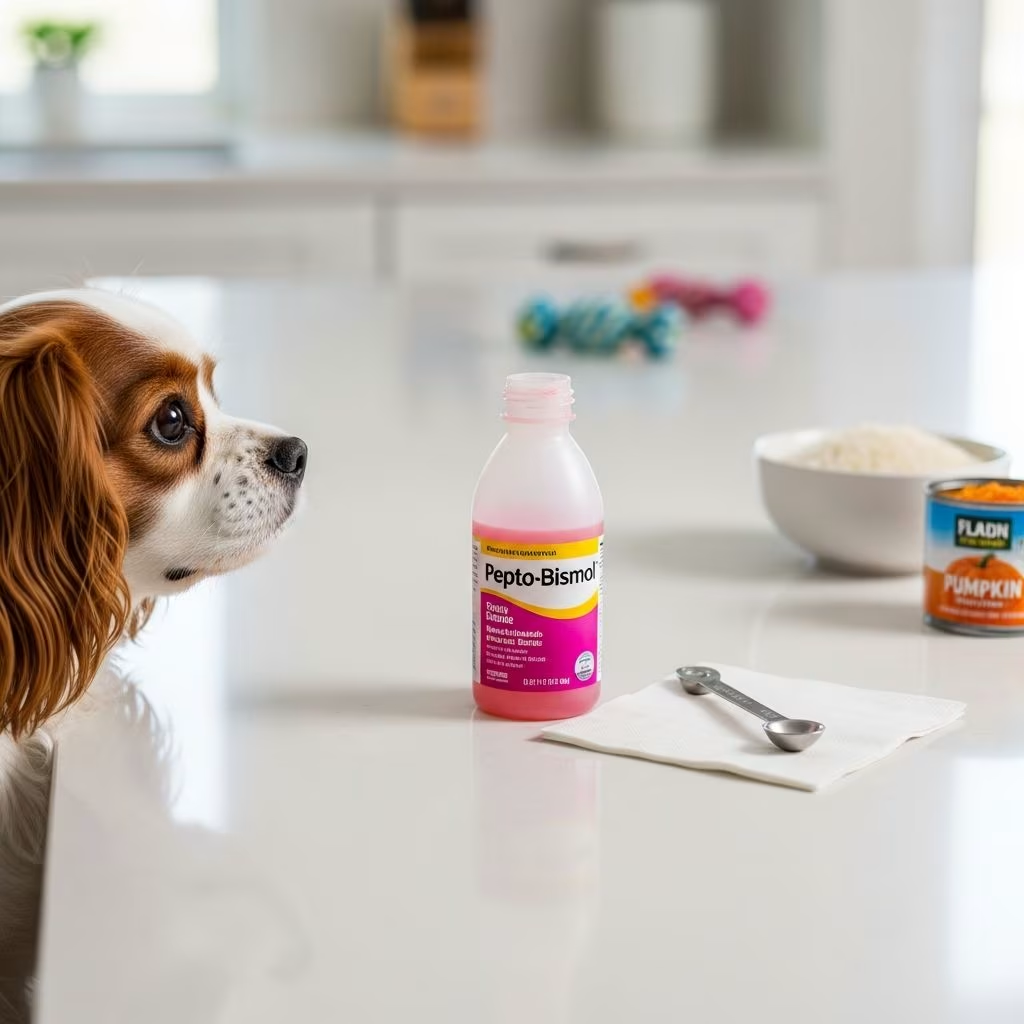
When your beloved canine companion experiences digestive distress, it’s natural to reach for remedies you keep in your medicine cabinet. Pepto-Bismol, the familiar pink liquid known for settling human stomachs, may seem like an obvious choice. However, using human medications for dogs requires careful consideration and veterinary guidance. Understanding how this medication works in canine systems, recognizing its limitations, and knowing when professional intervention is necessary are crucial for responsible pet ownership.
Understanding Bismuth Subsalicylate and Its Function
Pepto-Bismol contains bismuth subsalicylate, an active ingredient that functions as both an oral anti-inflammatory agent and an antacid. This compound works by reducing inflammation in the digestive tract and neutralizing excess stomach acid, which explains its popularity for treating human gastrointestinal complaints. The medication addresses symptoms rather than underlying causes, providing temporary relief from discomfort while the body’s natural healing processes work.
The mechanism that makes Pepto-Bismol effective for humans translates reasonably well to dogs in controlled circumstances. However, canine physiology differs from human physiology in important ways that affect how medications are metabolized and their potential side effects. Dogs process certain compounds differently than people do, and what constitutes a safe dose for a human may not be appropriate for a canine patient.
Safety Profile: What Research and Veterinarians Tell Us
According to veterinary experts, Pepto-Bismol is technically safe for dogs when administered appropriately, but this general statement requires substantial qualification. The American Kennel Club’s Chief Veterinary Officer notes that while the medication isn’t inherently toxic, salicylate compounds present in the formulation could potentially cause gastric bleeding in susceptible individuals. Additionally, the bismuth component can darken stool, creating a concerning situation where internal bleeding might go undetected because its telltale sign—blood in stool—becomes camouflaged by medication-induced color changes.
When used in moderation and for short-term relief, Pepto-Bismol rarely causes problems in otherwise healthy adult dogs. However, paradoxically, excessive use of this medication designed to treat digestive upset can actually trigger vomiting and diarrhea, potentially worsening the very symptoms an owner hoped to address. This emphasizes the importance of following dosage guidelines precisely and using the medication only when truly necessary.
Appropriate Dosage Guidelines for Canine Patients
Determining the correct amount of Pepto-Bismol for your dog requires consideration of their body weight. The widely accepted standard dosage is one teaspoon of liquid formulation per ten pounds of body weight. This dose can be administered every six to eight hours as needed, but should never continue for longer than one to two days without veterinary consultation. A fifty-pound dog would receive approximately five teaspoons, while a twenty-pound dog requires about two teaspoons per dose.
Precision matters significantly when administering liquid medications to dogs. Rather than using household spoons, which vary considerably in volume, employ a proper measuring device such as a syringe or measuring cup marked with precise gradations. This ensures accurate dosing and prevents accidental overdosing. Many veterinarians recommend using an empty plastic syringe without a needle to administer the medication directly into the dog’s mouth toward the back of the tongue, ensuring the full dose is consumed rather than potentially spilled.
The tablet form of Pepto-Bismol requires different dosing calculations than the liquid version and presents its own challenges for dog owners attempting administration. Liquid formulations allow for easier dose adjustments based on precise weight calculations. Before giving any dose of Pepto-Bismol, consultation with a veterinarian ensures you’re providing the correct amount for your specific dog’s circumstances.
Critical Contraindications and Dogs That Should Avoid This Medication
Certain categories of dogs absolutely should not receive Pepto-Bismol under any circumstances, regardless of the severity of digestive symptoms they’re experiencing. Understanding these contraindications protects vulnerable animals from potential harm.
- Puppies under twelve weeks of age: Young puppies possess immature digestive systems and developing organ function that cannot safely process bismuth subsalicylate. Their vulnerability to medication side effects makes them inappropriate candidates for this treatment.
- Pregnant and nursing females: The compounds in Pepto-Bismol can cross placental barriers and appear in milk, potentially affecting developing puppies or nursing litters. These dogs require alternative approaches to digestive management.
- Dogs with bleeding disorders: Animals with conditions affecting blood clotting, such as hemophilia or thrombocytopenia, face increased risk of hemorrhage when exposed to salicylates, which can further compromise clotting ability.
- Dogs taking NSAIDs: Non-steroidal anti-inflammatory drugs including medications like Rimadyl and Deramaxx interact dangerously with bismuth subsalicylate. Combined use significantly increases the risk of gastrointestinal bleeding.
- Dogs with aspirin sensitivity or salicylate allergies: Animals with documented sensitivities to these compounds should never receive Pepto-Bismol.
- Dogs on blood-thinning medications: Animals taking anticoagulants face heightened bleeding risks when combined with Pepto-Bismol.
Drug Interactions and Medication Combinations
Beyond the specific medications mentioned above, Pepto-Bismol can interact problematically with various other drugs commonly prescribed to dogs. These interactions can reduce medication effectiveness, increase side effects, or create unexpected complications. Antibiotics represent one category of concern, as bismuth subsalicylate can interfere with their absorption and efficacy. Steroids present another interaction concern that warrants veterinary consideration.
This reality underscores why veterinary consultation is non-negotiable before administering Pepto-Bismol to any dog currently taking other medications. Your veterinarian understands your dog’s complete medication profile and can identify potential interactions you might not recognize. What seems like a harmless, over-the-counter remedy could inadvertently compromise the effectiveness of essential prescribed treatments or create dangerous drug combinations.
When to Seek Veterinary Care Instead of Home Treatment
While mild, temporary digestive upset can sometimes be managed with conservative home care, certain symptoms demand immediate professional evaluation. If your dog’s diarrhea or vomiting persists beyond two days despite Pepto-Bismol treatment, discontinue the medication and contact your veterinarian. Persistent symptoms may indicate underlying conditions requiring specific diagnosis and targeted treatment rather than symptom management with over-the-counter remedies.
Additional warning signs requiring veterinary attention include bloody vomit or stool, severe abdominal pain, lethargy or weakness, loss of appetite extending beyond one meal, or signs of dehydration such as dry gums or sunken eyes. These symptoms suggest conditions beyond simple upset stomach, potentially indicating infections, obstructions, pancreatitis, or other serious concerns requiring professional diagnosis and treatment.
Important Considerations Before Diagnostic Procedures
A critical detail that many dog owners overlook involves bismuth subsalicylate’s interference with veterinary diagnostic imaging. If your dog receives Pepto-Bismol and subsequently requires abdominal X-rays or ultrasounds, the bismuth can create artifacts that obscure important anatomical details, potentially leading to misdiagnosis or missed pathology. Additionally, the medication can produce inaccuracies in urinalysis results, affecting the interpretation of important diagnostic tests.
If you’ve given your dog Pepto-Bismol recently and your veterinarian recommends imaging or laboratory testing, inform them of the medication administration. This knowledge allows veterinarians to account for potential interference and request additional tests if diagnostic uncertainty arises from medication-related artifacts.
Veterinarian-Approved Alternatives to Pepto-Bismol
Many veterinarians prefer recommending alternatives to Pepto-Bismol for canine digestive upset. Corrective Suspension represents one option, consisting of bismuth subsalicylate formulated specifically for veterinary use in dogs, potentially offering a safer alternative when bismuth treatment is deemed appropriate. Probiotics and prebiotic supplements support healthy gut bacteria, addressing digestive issues from a different angle by promoting beneficial microbial balance.
Bland diet modifications including plain boiled chicken and white rice can support recovery from mild digestive upset while providing easily digestible nutrition. Fasting for twelve to twenty-four hours followed by gradually reintroducing regular food sometimes allows inflamed digestive systems to heal. Some veterinarians recommend specific prescription diets formulated for digestive sensitivities.
Pumpkin puree (plain, not pie filling) contains soluble fiber that can help regulate both diarrhea and constipation in dogs. Bone broth without added salt or seasonings provides hydration and gentle nutrition. These dietary approaches address digestive upset more gently than medication while supporting overall wellness.
Determining Whether Your Dog Actually Needs Treatment
Not every episode of loose stool or mild vomiting requires medication intervention. Dogs sometimes experience brief digestive upset from dietary indiscretion, eating too quickly, or minor stress, resolving spontaneously within hours. Creating a distinction between self-limiting minor upset and genuine illness requiring treatment prevents unnecessary medication exposure.
A single instance of vomiting or loose stool in an otherwise healthy, energetic dog eating normally and showing no other concerning signs often resolves without intervention. However, repeated episodes, accompanied symptoms, or behavioral changes warrant professional evaluation. Your veterinarian can distinguish between situations amenable to home management and those requiring diagnostics and treatment.
Frequently Asked Questions About Pepto-Bismol and Dogs
Can I give my dog Pepto-Bismol without veterinary approval?
While Pepto-Bismol is available without prescription and not toxic in appropriate doses, veterinary guidance before administration is strongly recommended. Your veterinarian can confirm whether your specific dog should receive this medication, verify appropriate dosing, check for medication interactions, and identify whether symptoms suggest conditions requiring different treatment approaches.
How long can I safely give Pepto-Bismol to my dog?
Pepto-Bismol should be used for short-term relief only, limited to one to two days of treatment. Extended use without veterinary supervision is not recommended. If symptoms persist beyond two days, veterinary consultation is necessary.
Will Pepto-Bismol harm my cat?
No—cats should never receive Pepto-Bismol or any bismuth subsalicylate product. Feline physiology cannot safely process the compounds in this medication, making it potentially toxic to cats. If your cat experiences digestive upset, consult a veterinarian for appropriate feline treatments.
What should I do if I accidentally give my dog too much Pepto-Bismol?
Contact your veterinarian or emergency veterinary clinic immediately. While overdose from a single excessive dose is unlikely to cause severe toxicity, professional guidance ensures appropriate monitoring and intervention if needed.
Can Pepto-Bismol prevent diarrhea from occurring?
Pepto-Bismol treats existing symptoms but isn’t intended for preventive use. Maintaining appropriate diet, ensuring fresh water access, preventing dietary indiscretion, and keeping vaccinations current represent better prevention strategies than medication.
Making Informed Decisions About Your Dog’s Health
The accessibility of Pepto-Bismol in pharmacy shelves shouldn’t translate to casual administration to dogs without careful consideration. This medication occupies a middle ground—neither entirely safe nor entirely dangerous for canine use—requiring informed decision-making and professional guidance. The stakes of getting this decision wrong range from ineffective treatment that delays necessary veterinary care to potential harm from medication complications or masking serious underlying conditions.
Your role as a responsible dog owner involves recognizing the limits of home treatment, understanding when professional expertise is necessary, and prioritizing your dog’s long-term health over the convenience of self-medication. Building a strong relationship with your veterinarian creates a partnership in which you can discuss concerns, ask questions about home care options, and receive guidance tailored to your specific dog’s needs, age, health status, and individual circumstances.
References
- Is Pepto-Bismol Safe For Dogs? — American Kennel Club. Accessed January 2026. https://www.akc.org/expert-advice/health/is-pepto-bismol-safe-for-dogs/
- Can You Give a Dog Pepto-Bismol? — PetMD. Accessed January 2026. https://www.petmd.com/dog/general-health/can-you-give-dog-pepto-bismol
- Is it Safe to Use Pepto Bismol for Dogs? — PetCareRx. Accessed January 2026. https://www.petcarerx.com/article/is-it-safe-to-use-pepto-bismol-for-dogs/1512
- Bismuth Subsalicylate in Dogs and Cats — WebMD. Accessed January 2026. https://www.webmd.com/pets/pet-meds/bismuth-subsalicylate-in-dogs-and-cats
- Pepto Bismol for Dogs: Is It Actually Safe in Emergencies? — Golden State Veterinary Society. Accessed January 2026. https://gsvs.org/blog/pepto-bismol-for-dogs-emergency-guide/
- Can You Give a Dog Pepto-Bismol? — Animal Biome. Accessed January 2026. https://www.animalbiome.com/blogs/pet-health/can-you-give-a-dog-pepto-bismol



