

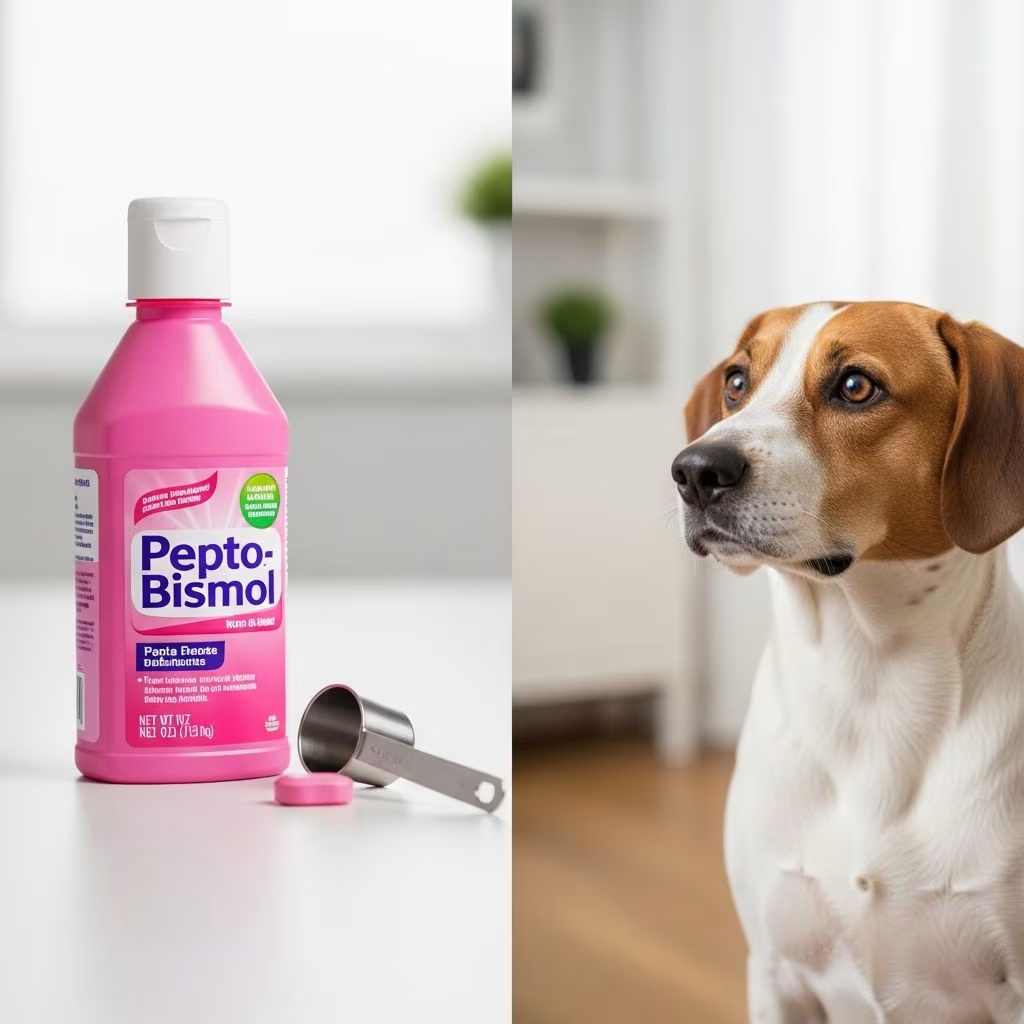
When your dog experiences digestive discomfort, it’s natural to consider over-the-counter remedies that help you feel better. Pepto-Bismol, the distinctive pink liquid familiar to most households, has been a go-to solution for human gastrointestinal issues for generations. However, administering this medication to your pet requires careful consideration of safety, efficacy, and potential risks. This comprehensive guide examines what pet owners need to know about using Pepto-Bismol for dogs, from its mechanism of action to safer alternatives that veterinarians may recommend.
What Is Bismuth Subsalicylate and How Does It Function?
Pepto-Bismol contains bismuth subsalicylate, a compound belonging to the salicylate family of medications. This active ingredient operates through multiple mechanisms to address gastrointestinal discomfort. Understanding how it works helps pet owners grasp both its potential benefits and limitations when used in dogs.
The medication functions in several distinct ways within the digestive system. First, it creates a protective coating along the stomach and intestinal lining, shielding these tissues from further irritation and inflammation. Second, it reduces fluid and electrolyte movement into the bowel, which helps alleviate diarrhea symptoms. Third, it possesses anti-inflammatory properties that calm an agitated digestive tract. Additionally, bismuth subsalicylate may inhibit harmful bacteria, including Helicobacter pylori, which can cause gastric ulcers and other complications.
For dogs experiencing mild, temporary stomach upset, these combined effects can provide temporary relief. However, the medication is not a cure for underlying conditions and works best for acute, short-term digestive issues rather than chronic problems.
Evaluating Safety: When Pepto-Bismol May Be Appropriate for Dogs
While Pepto-Bismol carries a technical safety classification for canine use, veterinary professionals express important reservations about its routine recommendation. Dr. Jerry Klein, Chief Veterinary Officer for the American Kennel Club, emphasizes that he rarely suggests this medication due to specific safety concerns.
The primary risks associated with Pepto-Bismol use in dogs include:
- Potential gastric bleeding caused by salicylates present in the medication
- Black-colored stools that can mask signs of internal bleeding, complicating diagnosis
- Interference with X-ray imaging quality when administered before radiographic procedures
- Contraindications with certain dog populations and medications
Despite these concerns, if a veterinarian determines that Pepto-Bismol is appropriate for your specific dog, it may be used for mild, short-term digestive upset under professional guidance. The key distinction is that this medication should only address acute episodes, not chronic conditions or serious gastrointestinal symptoms.
Proper Dosing Guidelines for Canine Patients
If your veterinarian confirms that Pepto-Bismol is suitable for your dog, correct dosing is essential to minimize risks. The standard calculation for dogs is one teaspoon per ten pounds of body weight. This means a 30-pound dog would receive approximately three teaspoons, while a smaller 10-pound dog would receive only one teaspoon.
Regarding frequency, the medication can be administered every six to eight hours, but this should only continue for a few doses. If your dog’s symptoms persist after several doses, discontinue the medication and contact your veterinarian immediately, as this may indicate a condition requiring professional diagnosis and treatment.
Before administering Pepto-Bismol for the first time, always consult with your veterinarian to confirm the exact dosage appropriate for your dog’s weight and medical history. This professional verification ensures you’re giving the correct amount and that no underlying contraindications exist.
Critical Situations Where Pepto-Bismol Must Be Avoided
Certain dog populations and situations absolutely contraindicate Pepto-Bismol use. Understanding these restrictions prevents potentially serious complications:
| Contraindication Category | Reason for Avoidance |
|---|---|
| Puppies | Developing systems are too sensitive; safer alternatives exist |
| Pregnant or nursing dogs | Medication components may transfer to offspring or through milk |
| Dogs with bleeding disorders | Salicylates increase bleeding risk significantly |
| Dogs taking NSAIDs (Rimadyl, Deramaxx) | Combined use dramatically increases gastric bleeding risk |
| Dogs on aspirin therapy | Additive salicylate effects create dangerous interactions |
| Dogs receiving blood-thinning medications | Increased hemorrhage risk |
| Before X-ray procedures | Bismuth obscures radiographic images, hindering diagnosis |
If your dog falls into any of these categories or takes any medications beyond basic vaccines, obtaining veterinary clearance before considering Pepto-Bismol is non-negotiable.
Recognizing Digestive Distress: Symptoms Requiring Attention
Not all digestive symptoms warrant home treatment with over-the-counter medications. Understanding which signs might indicate something more serious helps you make appropriate decisions about whether professional evaluation is necessary before using any medication.
Symptoms that may accompany mild stomach upset include:
- Excessive salivation or drooling
- Frequent lip smacking or licking
- Mild vomiting or gagging
- Audible stomach gurgling
- Occasional belching or flatulence
- Loose stools or diarrhea
- Slightly decreased appetite
- Mild abdominal sensitivity
However, symptoms such as persistent vomiting, bloody stools, extreme lethargy, severe abdominal pain, or signs of internal bleeding require immediate veterinary attention rather than home remedies. These indicators suggest conditions beyond mild indigestion that demand professional diagnosis.
Timeline for Expected Improvement
If Pepto-Bismol is appropriate and properly dosed, dogs should begin showing symptom improvement within 24 hours. If no improvement appears after this timeframe, or if symptoms worsen, discontinue use and contact your veterinarian. Lack of response suggests either an incorrect diagnosis of the underlying issue or a condition requiring different treatment approaches.
Exploring Evidence-Based Alternatives: Safer Options for Canine Digestive Health
Many veterinarians prefer recommending alternatives to Pepto-Bismol that provide similar benefits with fewer associated risks. These options have been specifically developed or evaluated for canine use and often integrate better with canine physiology.
Probiotics and Microbial Supplements
Probiotic formulations designed specifically for dogs have emerged as preferred first-line recommendations for mild digestive upset. These products work by restoring healthy intestinal bacteria balance, which may be disrupted by dietary changes, stress, or mild infections. Unlike Pepto-Bismol, probiotics support the body’s natural digestive processes and don’t interfere with normal bacterial function or medication absorption, including antibiotics.
Famotidine-Based Antacids
For dogs experiencing stomach acid accumulation or gastric ulcers, veterinarians frequently recommend Pepcid (famotidine), an antacid that decreases stomach acidity without the bleeding risks associated with Pepto-Bismol. This medication inhibits pepsin, a digestive enzyme that can irritate stomach lining when produced excessively. Pepcid is generally considered gentler on the gut microbiome than alternatives, though long-term antacid use can potentially interfere with normal digestive function.
Corrective Suspension
A bismuth subsalicylate product specifically formulated for dogs, called Corrective Suspension, represents another option when bismuth-based treatment is deemed appropriate. This veterinary-formulated product may offer better dosing precision and fewer additives than human-formulated Pepto-Bismol, potentially reducing certain risks.
When to Seek Professional Veterinary Guidance
The most important principle in managing your dog’s digestive health is recognizing when home treatment is inappropriate. Seek veterinary attention if your dog experiences:
- Digestive symptoms lasting more than 24-48 hours
- Any symptom that appears severe or worsening
- Concurrent health conditions or current medication use
- Uncertainty about symptom severity or appropriate response
- Previous adverse reactions to medications
- Symptoms following food ingestion or potential toxin exposure
Your veterinarian can perform appropriate diagnostics to identify underlying causes of digestive upset, recommend targeted treatments, and monitor your dog’s progress. Professional guidance ensures that the treatment approach matches the actual diagnosis rather than addressing only surface symptoms.
Frequently Asked Questions About Pepto-Bismol for Dogs
Is Pepto-Bismol toxic to dogs in small amounts?
Accidental ingestion of small amounts typically isn’t immediately life-threatening, but intentional administration should only occur under veterinary supervision. The salicylate content and other components require careful consideration.
Can I give my dog regular Pepto-Bismol from my medicine cabinet?
While the active ingredient is the same, human formulations may contain additives not appropriate for dogs. Consulting your veterinarian about formulation and appropriate products is essential.
How long can my dog safely take Pepto-Bismol?
This medication should only be used for a few doses during acute episodes, typically no more than one or two doses maximum after veterinary consultation. Prolonged use can lead to constipation, dark stools, and even ulcer development.
What are signs my dog is having an adverse reaction?
Stop medication use and contact your veterinarian if you notice black stools, continued vomiting, unusual behavioral changes, or any concerning symptoms following administration.
Should I use Pepto-Bismol before my dog’s veterinary appointment?
Avoid giving Pepto-Bismol before scheduled veterinary visits, as it can complicate diagnosis. Inform your veterinarian about any symptoms so they can evaluate your dog without diagnostic interference.
Making Informed Decisions About Your Dog’s Digestive Health
While Pepto-Bismol exists in a technically safe category for dogs, the professional veterinary consensus emphasizes caution and preference for alternatives. The combination of potential bleeding risks, diagnostic complications, and availability of safer options makes this medication a last-resort consideration rather than a routine recommendation.
The pink liquid that’s been a household staple for human gastrointestinal comfort doesn’t necessarily translate to the best choice for your canine companion. Modern veterinary medicine offers numerous alternatives specifically developed and tested for dogs, many with superior safety profiles and efficacy for common digestive issues.
When your dog experiences digestive upset, the most responsible approach involves professional veterinary consultation to identify underlying causes, confirm that symptoms truly represent mild, temporary upset rather than something more serious, and select the most appropriate treatment from evidence-based options. This ensures your dog receives the most effective care while minimizing unnecessary risks.
References
- Can You Give a Dog Pepto-Bismol? — AnimalBiome. Accessed January 2026. https://www.animalbiome.com/blogs/pet-health/can-you-give-a-dog-pepto-bismol
- Pepto-Bismol For Your Doggo — PetCareRx. Accessed January 2026. https://www.petcarerx.com/article/pepto-bismol-for-your-doggo/6430
- Is Pepto-Bismol Safe For Dogs? — American Kennel Club. Accessed January 2026. https://www.akc.org/expert-advice/health/is-pepto-bismol-safe-for-dogs/
- Bismuth Subsalicylate in Dogs and Cats — WebMD Pets. Accessed January 2026. https://www.webmd.com/pets/pet-meds/bismuth-subsalicylate-in-dogs-and-cats
- Pepto Bismol for Dogs: Is It Actually Safe in Emergencies? — Garden State Veterinary Specialists. Accessed January 2026. https://gsvs.org/blog/pepto-bismol-for-dogs-emergency-guide/
- Bismuth Subsalicylate Terminology Report — United States Department of Agriculture Agricultural Marketing Service. Accessed January 2026. https://www.ams.usda.gov/sites/default/files/media/Bismuth%20Subsalicylate%20TR.pdf
- Bismuth Subsalicylate — American College of Veterinary Pharmacists. Accessed January 2026. https://vetmeds.org/pet-poison-control-list/bismuth-subsalicylate/



