

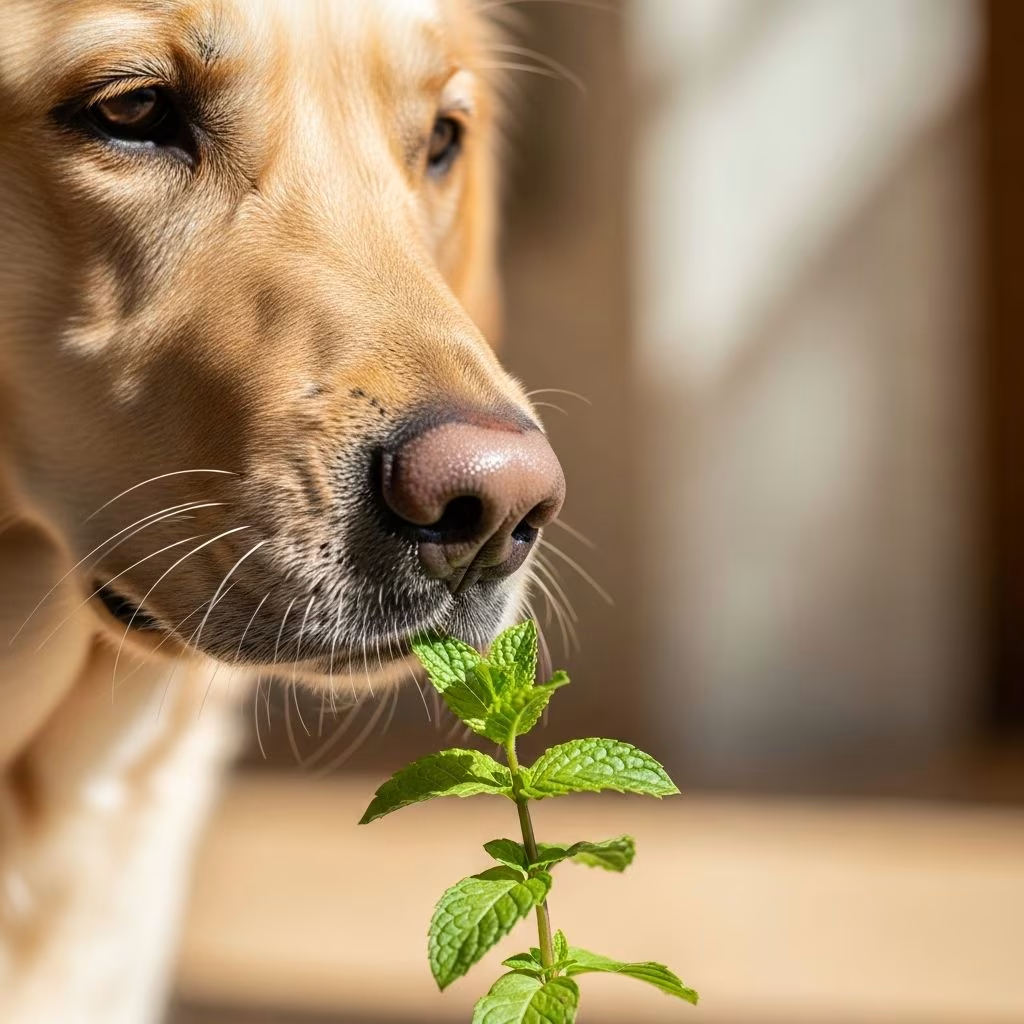
Pet owners often wonder about the safety of common household items and foods for their canine companions. Peppermint is one such item that generates considerable confusion. While peppermint is generally recognized as safe for human consumption and even offers potential benefits like fresh breath and digestive support, the same cannot be universally said for dogs. The relationship between peppermint and canine health is nuanced, depending heavily on the form of peppermint, its concentration, and how it is administered. This comprehensive guide examines the various forms of peppermint and their safety profiles for your furry friend.
Understanding Peppermint Composition and Its Effects on Dogs
Peppermint contains highly concentrated aromatic compounds, particularly menthol, which are extracted from the plant’s stems and flowering portions. These compounds give peppermint its characteristic aroma and flavor. Dogs, however, perceive these compounds differently than humans do. The strong scent of peppermint can be irritating or unpleasant to dogs, and their digestive systems process peppermint compounds differently than ours.
The menthol content in peppermint creates a cooling sensation that humans find pleasant in products like candy, teas, and topical treatments. In dogs, particularly those with sensitive digestive systems, these same compounds can trigger adverse reactions ranging from mild gastrointestinal upset to serious systemic toxicity.
Forms of Peppermint and Their Safety Profiles
Fresh and Dried Peppermint Leaves
Fresh peppermint leaves represent the mildest form of peppermint available. Small amounts of plain, fresh, or dried peppermint leaves are generally considered safe for healthy adult dogs and are unlikely to cause harm. However, veterinarians caution against relying on peppermint leaves for health benefits such as breath freshening or digestive support, as it is easy to inadvertently provide excessive quantities. When dogs consume too much peppermint leaf material, they may experience mouth irritation and gastrointestinal upset, including vomiting and diarrhea.
The key consideration with fresh leaves is moderation and monitoring. If you choose to offer your dog a small amount of fresh peppermint leaf, observe your pet closely for any signs of digestive distress or behavioral changes.
Peppermint Essential Oil and Concentrated Extracts
Peppermint essential oil represents a fundamentally different product from fresh peppermint leaves. Essential oils contain highly concentrated aromatic compounds and volatile substances that can pose significant risks to canine health. Human-grade peppermint essential oil should never be given to dogs internally under any circumstances.
When applied topically in undiluted form, peppermint essential oil can cause skin irritation or burns on a dog’s sensitive skin. Inhalation of concentrated peppermint oil vapor may trigger respiratory distress in susceptible dogs. Some dogs demonstrate individual sensitivities or allergies to essential oils, making reactions unpredictable.
If diluted peppermint oil is used around dogs in extremely small amounts, some healthy dogs may not experience adverse reactions. However, most veterinarians recommend avoiding peppermint essential oil entirely due to the high risk profile and availability of safer alternatives.
Peppermint Candy and Commercial Mints
Peppermint candy and commercial mint products present multiple hazards to dogs beyond the peppermint itself. Many peppermint candies contain chocolate, which is toxic to dogs. Additionally, sugar-free peppermint products frequently contain xylitol, a sugar substitute that is harmless to humans but can be deadly to dogs.
Xylitol ingestion in dogs can cause a rapid drop in blood sugar levels and severe liver damage. Even small amounts of xylitol can trigger serious health consequences. Furthermore, the wrappers and packaging materials may cause gastrointestinal obstructions if swallowed.
Small amounts of peppermint candy without chocolate or xylitol may cause only mild gastrointestinal upset, but the risks associated with hidden ingredients and packaging make commercial peppermint candies unsuitable for dogs.
Peppermint-Infused Products and Potpourri
Liquid potpourri and scented products containing peppermint can irritate dogs’ airways and respiratory systems. Dogs may experience difficulty breathing or other respiratory distress from exposure to concentrated peppermint scents from candles, diffusers, or liquid potpourri containers.
Recognizing Peppermint Toxicity Symptoms
Understanding the signs and symptoms of peppermint toxicity is essential for pet owners who suspect their dog has consumed peppermint products. Symptoms typically develop relatively quickly after exposure or ingestion and may vary in severity depending on the amount consumed and the dog’s individual health status.
Mild to Moderate Symptoms
- Vomiting and diarrhea
- Excessive drooling and lip licking
- Lethargy or reduced activity levels
- Mild mouth or throat irritation if peppermint oil contacted mucous membranes
- Decreased appetite or food refusal
Severe Symptoms
- Respiratory distress or difficulty breathing
- Seizures (typically only with very high exposures)
- Severe lethargy or unresponsiveness
- Central nervous system depression
- Tremors or muscle weakness
- Mouth ulcers from direct oil contact
- Signs of liver damage (jaundice, abdominal pain)
If your dog displays any of these symptoms, particularly after known peppermint exposure, contact your veterinarian or emergency veterinary clinic immediately. Severe cases require professional medical intervention.
High-Risk Populations: Puppies and Senior Dogs
Certain dog populations face elevated risks from peppermint exposure. Puppies, still developing their immune and digestive systems, lack the physiological resilience to combat severe health issues from peppermint toxicity. Their growing bodies and immature organ systems cannot effectively process or eliminate the concentrated compounds found in peppermint products.
Senior dogs similarly face increased vulnerability. Age-related decline in organ function, particularly liver and kidney function, impairs their ability to metabolize and eliminate toxic compounds. Additionally, older dogs often have pre-existing health conditions that peppermint exposure could exacerbate.
Dog parents with puppies or senior companions should exercise particular caution and avoid peppermint products entirely for these vulnerable populations.
The Xylitol Danger: A Critical Consideration
Xylitol represents a distinct and particularly serious risk when considering peppermint products for dogs. This sugar alcohol, commonly used in sugar-free candies and mints, triggers severe hypoglycemia in dogs within 30 minutes to several hours of ingestion. The rapid drop in blood glucose can cause seizures, loss of consciousness, and potentially death.
Additionally, xylitol causes direct liver damage in dogs. Even dogs who survive the acute hypoglycemic episode may develop acute liver failure within 72 hours of exposure. This delayed liver toxicity means that symptoms may progress even after initial treatment.
Always check product labels for xylitol content before offering any peppermint-containing food to your dog. When in doubt, assume sugar-free peppermint products contain xylitol and keep them completely away from your canine companion.
Safe Dilution Guidelines and Quality Standards
If you are determined to use diluted peppermint oil around your dog despite veterinary caution, understanding proper dilution is critical. Peppermint oil should be diluted in a carrier oil such as coconut oil before any topical application is considered.
Quality matters significantly when selecting peppermint oil products. Adulterated or synthetic peppermint oils may contain harmful additives or contaminants that increase toxicity risks. Pure, high-quality peppermint oil from reputable sources presents lower risk profiles than questionable products.
Even with proper dilution, introducing diluted peppermint oil should happen gradually and with close observation. Discontinue use immediately if you notice any adverse reactions including skin irritation, respiratory changes, or behavioral abnormalities. When introducing any new substance to your dog’s environment, observe for at least several hours for any signs of sensitivity.
Alternative Options for Common Peppermint Uses
Pet owners often consider peppermint for specific purposes such as breath freshening or digestive support. Fortunately, safer alternatives exist for most intended benefits:
Breath Freshening
- Dental chews specifically formulated for dogs with breath-freshening ingredients
- Regular tooth brushing with dog-approved toothpaste
- Professional dental cleanings by veterinarians
- Parsley-based treats designed for canine oral health
Digestive Support
- Probiotics formulated for dogs
- Digestive enzyme supplements
- Pumpkin puree (plain, without additives)
- Bone broth designed for canine consumption
- Consultation with your veterinarian about dietary adjustments
Pest Control
- Veterinary-approved flea and tick preventatives
- Cedar-based natural pest deterrents (safer for dogs than peppermint)
- Professional pest control services
When to Contact Your Veterinarian
Contact your veterinarian immediately if your dog has ingested any peppermint product and is displaying concerning symptoms. Additionally, consult your veterinarian before introducing any new substance or supplement to your dog’s environment or diet, particularly if your dog has pre-existing health conditions or takes medications.
Your veterinarian can provide personalized guidance based on your dog’s individual health status, age, and medical history. What may be safe for one dog could pose risks for another with different health profiles.
Summary Table: Peppermint Products Safety Overview
| Peppermint Form | Safety Level | Primary Risks | Recommendation |
|---|---|---|---|
| Fresh/Dried Leaves (small amounts) | Generally Safe | Mouth/GI irritation if excessive | Avoid due to unpredictable portions |
| Essential Oil (undiluted) | Unsafe | Toxicity, respiratory issues, seizures | Do Not Use |
| Essential Oil (diluted) | Caution | Individual sensitivities, potential toxicity | Avoid when alternatives exist |
| Candy/Mints | Unsafe | Xylitol toxicity, chocolate, obstruction | Do Not Use |
| Liquid Potpourri/Scents | Unsafe | Respiratory irritation | Keep Away From Dogs |
Final Recommendations for Pet Owners
The safest approach to peppermint and dogs is simple: avoid it. While small amounts of fresh peppermint leaves may not harm most healthy adult dogs, the risks associated with other forms of peppermint far outweigh any potential benefits. Numerous safer alternatives exist for every intended use of peppermint.
Keep all peppermint products—including essential oils, candies, mints, gum, and scented products—stored securely away from your dog’s access. Be particularly vigilant during holiday seasons when peppermint candy and seasonal decorations are prevalent in many households.
Your dog’s health and safety should always take priority over experimentation with human products and natural remedies. When in doubt about any food or substance, consult your veterinarian before allowing your dog to consume or be exposed to it. Your veterinary partner can provide professional guidance tailored to your individual dog’s needs and health status.
References
- Peppermint Oil and Dogs: Safety Information — ASPCA Animal Poison Control Center. Accessed March 2026. https://www.aspca.org/pet-care/animal-poison-control
- Xylitol Toxicity in Dogs — Pet Poison Helpline. Updated 2025. https://www.petpoisonhelpline.com/poison/xylitol/
- Essential Oils and Pets: Safety Considerations — American Veterinary Medical Association (AVMA). Accessed March 2026. https://www.avma.org/resources-tools/animal-health-and-welfare/animal-health-insights/essential-oils-and-pets
- Wu, J., Xiang, B., & Li, K. (2010). Bioavailability of soft vs hard capsules of peppermint oil in dogs — Journal of Veterinary Pharmacology and Therapeutics, 33(5), 465-471. https://doi.org/10.1111/j.1365-2885.2009.01154.x
- Nath, S., Pandey, C., & Roy, D. (2012). Peppermint oil toxicity in humans: A case report — Indian Journal of Critical Care Medicine, 16(1), 46-48. https://doi.org/10.4103/0972-5229.92101
- Vaughn, D., Kulpa, J., & Paulionis, L. (2020). Cannabidiol safety and tolerability in dogs — Journal of the American Veterinary Medical Association, 256(2), 175-182. https://doi.org/10.2460/javma.256.2.175
- Common Household Toxins for Dogs — Pet Poison Helpline. Updated 2025. https://www.petpoisonhelpline.com/



