

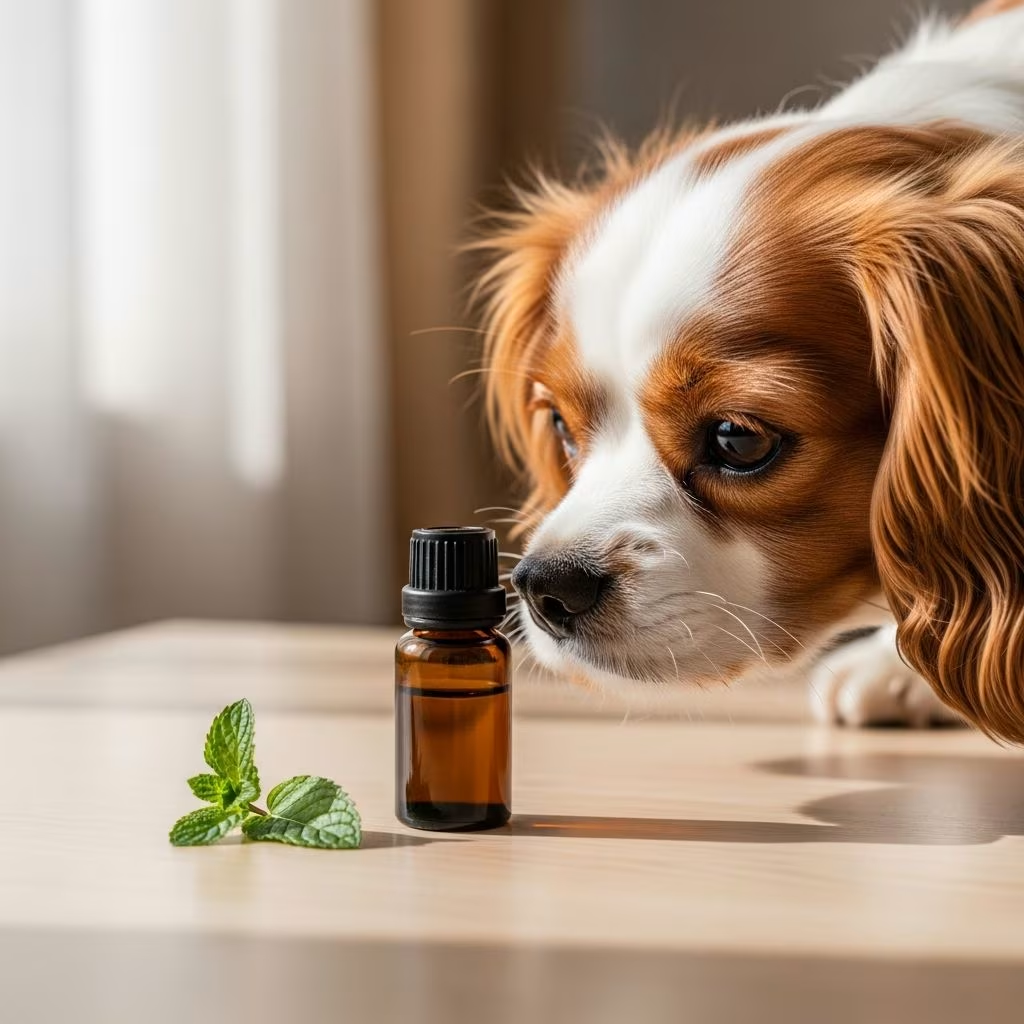
Peppermint essential oil offers a refreshing scent and potential wellness benefits for humans, but its safety for dogs requires careful consideration due to their unique physiology. When properly diluted and used externally, it can be safe in small amounts; however, undiluted forms or ingestion pose significant toxicity risks including vomiting, respiratory issues, and skin irritation.
Understanding Peppermint Essential Oil Composition
Peppermint oil derives from the Mentha piperita plant, containing high concentrations of menthol and other aromatic compounds that provide its cooling sensation and strong aroma. These potent chemicals, while beneficial for human digestion or headaches, affect dogs differently because canines metabolize substances through their livers less efficiently than humans.
Dogs possess about 300 million olfactory receptors compared to humans’ 6 million, making strong scents like peppermint overwhelming and potentially irritating to their respiratory tracts. Essential oils are lipid-soluble, allowing rapid absorption through skin or mucous membranes, which amplifies risks even from brief exposures.
Potential Benefits of Diluted Peppermint Oil for Canines
Appropriately diluted peppermint oil may offer limited benefits for dogs, primarily through topical or diffused applications. Its antispasmodic properties could theoretically soothe minor digestive discomforts like gas or nausea when vastly diluted, though veterinary evidence remains anecdotal rather than conclusive.
- Repellent qualities: Diluted solutions can deter fleas or ticks when mixed with carrier oils, applied sparingly to coat exteriors.
- Calming aroma: Low-concentration diffusion might ease mild anxiety in well-ventilated spaces where dogs can exit freely.
- Dental hygiene aid: Trace amounts appear in formulated dog chews for breath freshening, proving safety in controlled, low doses.
These uses demand extreme caution; benefits do not outweigh risks without professional oversight. Always prioritize vet-formulated products over homemade mixtures.
Critical Risks and Toxicity Factors
Peppermint oil’s high menthol content renders it toxic to dogs in concentrated forms, with smaller breeds facing greater dangers due to lower body mass. Even diluted oils can trigger adverse reactions if over-applied or inhaled excessively.
| Risk Factor | Impact on Dogs | Susceptibility Levels |
|---|---|---|
| Undiluted Application | Skin burns, mouth ulcers, rapid absorption leading to systemic toxicity | High in all breeds |
| Ingestion | Vomiting, diarrhea, liver strain, CNS depression | Highest in puppies/seniors |
| Diffusion | Respiratory distress, coughing, potential pneumonia | Higher in brachycephalic breeds |
| Prolonged Exposure | Lethargy, hypersalivation, seizures in severe cases | Variable by concentration |
Puppies, seniors, and dogs with liver or respiratory conditions face amplified vulnerabilities. A few drops of pure oil can overwhelm a 10-pound dog’s system, causing immediate gastrointestinal upset or worse.
Safe Usage Protocols: Dilution and Application Methods
To minimize hazards, dilution is non-negotiable—aim for 0.1-1% concentrations (1-10 drops per ounce of carrier). Suitable carriers include fractionated coconut oil or aloe vera gel for topical use.
- Topical remedies: Mix 1 drop peppermint oil with 1 teaspoon carrier oil. Test on a small fur patch for 24 hours before full application. Avoid eyes, nose, genitals.
- Diffusion guidelines: Use 1-2 drops in a large room diffuser, run for 15-30 minutes max, ensure multiple exits for the dog.
- Spray formulations: Combine 3 drops with 8 ounces water and dispersant like witch hazel; mist bedding sparingly.
Never administer orally without veterinary prescription. Purchase only 100% pure therapeutic-grade oils, verifying labels exclude synthetics or additives harmful to pets.
Recognizing and Responding to Adverse Reactions
Monitor for immediate signs post-exposure: drooling, pawing at mouth, redness, coughing, or unsteady gait. Severe indicators include seizures, collapse, or breathing difficulties—rush to an emergency vet.
- Wipe exposed skin with mild dish soap and lukewarm water.
- Provide fresh air and quiet space if respiratory symptoms appear.
- Do not induce vomiting unless instructed by poison control.
Contact ASPCA Animal Poison Control (888-426-4435) or a vet immediately. Treatment may involve activated charcoal, IV fluids, or anti-emetics based on exposure level.
Vulnerable Populations: Puppies, Seniors, and Special Needs Dogs
Immature livers in puppies under 6 months cannot process phenols effectively, heightening toxicity odds. Elderly dogs often have compromised detoxification, where even trace amounts exacerbate arthritis or heart issues.
Breeds like Pugs or Bulldogs suffer amplified diffusion risks due to short airways. Pregnant dogs or those on medications require total avoidance, as interactions remain unstudied.
Evidence-Based Alternatives to Peppermint Oil
Opt for pet-safe substitutes vetted by organizations like the AKC. Chamomile or frankincense oils, ultra-diluted, offer gentler calming effects.
| Concern | Safe Alternative | Usage Notes |
|---|---|---|
| Flea Repellent | Cedarwood oil (diluted) | 1% mix, weekly spot treatment |
| Digestion Aid | Fennel seed (ground, food-grade) | Sprinkle 1/8 tsp per 20 lbs body weight |
| Breath Freshener | Parsley flakes | Add to meals daily |
| Anxiety Relief | Commercial pheromone diffusers | Vet-approved, plug-in use |
Consult holistic vets for personalized blends. Prescription CBD treats provide cooling relief without essential oil perils.
Expert Insights from Veterinary Sources
Veterinarians universally caution against routine essential oil use, emphasizing dilution and observation. The American Kennel Club notes many oils, including peppermint, irritate canine systems undiluted. Toxicology experts stress “less is safer,” as precise toxic thresholds vary.
Frequently Asked Questions
Can dogs smell peppermint oil without harm?
Brief, low-level scents may annoy but not injure healthy adults; avoid enclosed spaces or sensitive noses.
Is peppermint in dog treats safe?
Yes, when formulated by manufacturers with micro-doses; check labels for essential oil vs. extract.
What if my dog licks diluted peppermint oil off its fur?
Small amounts likely cause mild upset; bathe promptly and monitor for 48 hours.
Are there peppermint products fully safe for dogs?
Commercial dental products yes; pure oils or candles no.
Should I diffuse peppermint with other pets present?
No—cats face even higher risks; isolate applications.
Final Considerations for Pet Parents
Prioritize prevention: store oils securely, label dilutions clearly, and integrate slowly with behavior tracking. When in doubt, veterinary guidance trumps experimentation—your dog’s health hinges on informed choices.
References
- Is Peppermint Oil Safe for Dogs? – CBD Dog Health — CBD Dog Health. 2023. https://cbddoghealth.com/peppermint-oil-for-dogs/
- Furry Fresh: Is Peppermint Oil Safe for Dogs? – Vetnique Labs — Vetnique Labs. 2023. https://vetnique.com/blogs/vets-corner/furry-fresh-is-peppermint-oil-safe-for-dogs-vetnique
- Is Peppermint Oil Good for Dogs? Vet-Approved Guide – DVM Central — DVM Central. 2023. https://www.dvmcentral.com/blogs/is-peppermint-oil-safe-for-dogs
- Can Dogs Have Peppermint? Is Peppermint Oil Safe for Dogs? — ToeGrips. 2023. https://toegrips.com/can-dogs-have-peppermint/
- Are Essential Oils Safe for Dogs? – American Kennel Club — AKC. 2023-10-01. https://www.akc.org/expert-advice/health/are-essential-oils-safe-for-dogs/
- Essential Oils – Are They Safe For Your Pet? – Be Dallas 90 — Be Dallas 90. 2023-04-14. https://bedallas90.org/2023/04/14/essential-oils-are-they-safe-for-your-pet/



