

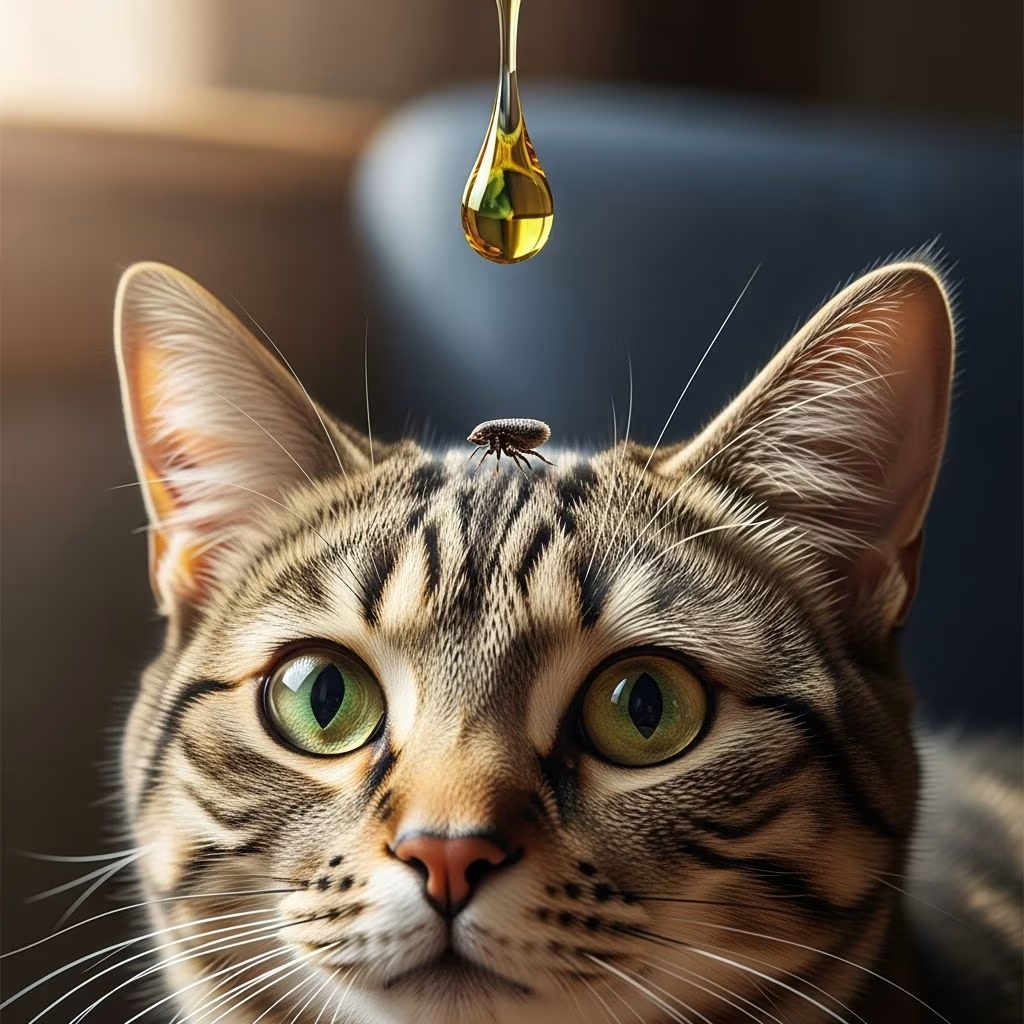
Many cat owners turn to natural remedies like peppermint oil to combat fleas, drawn by its refreshing scent and reputed insect-repelling qualities. However, scientific evidence and veterinary guidance reveal that while it may deter fleas temporarily, peppermint oil does not eradicate them and carries substantial health dangers for felines.
Understanding Flea Infestations in Cats
Fleas represent one of the most persistent parasites affecting cats, thriving in warm environments and completing their lifecycle in just a few weeks. Adult fleas make up only about 5% of an infestation, with the majority existing as eggs, larvae, and pupae in the cat’s surroundings. This lifecycle demands comprehensive control strategies targeting all stages, not just visible adults on the pet.
Untreated flea problems lead to intense itching, skin infections, flea allergy dermatitis, and even tapeworm transmission through grooming. Kittens and senior cats face heightened vulnerability, making prompt, effective intervention essential.
How Peppermint Oil Interacts with Fleas
Peppermint oil derives from the Mentha piperita plant, containing menthol and phenolic compounds that produce a strong aroma. This scent can act as a mild repellent, prompting fleas to avoid treated areas temporarily. Studies on essential oils indicate repellent durations of up to six hours for certain plant extracts, but peppermint specifically shows limited impact against cat fleas (Ctenocephalides felis).
Unlike insecticides, peppermint oil lacks the potency to kill fleas at any lifecycle stage. High concentrations required for lethal effects exceed safe thresholds for cats, rendering it ineffective for infestation clearance.
Toxicity Concerns: Why Cats Can’t Handle Peppermint Oil
Cats possess unique liver enzymes, deficient in glucuronyl transferase needed to metabolize phenols abundant in peppermint oil. This leads to toxin buildup, manifesting in symptoms like drooling, vomiting, tremors, respiratory issues, and seizures. Even diluted applications risk absorption through skin or inhalation, with undiluted forms posing immediate threats.
Veterinary toxicologists from organizations like the Pet Poison Helpline strongly caution against essential oils for feline flea control, citing numerous cases of adverse reactions. Topical use on fur allows grooming ingestion, amplifying dangers.
| Risk Factor | Peppermint Oil Impact on Cats | Symptoms Observed |
|---|---|---|
| Ingestion | High toxicity from phenols | Vomiting, hypersalivation, lethargy |
| Skin Absorption | Rapid uptake due to thin skin | Agitation, tremors, skin irritation |
| Inhalation | Aerosolized vapors | Respiratory distress, convulsions |
| Dilution Myth | Insufficient even at 1% | Cumulative buildup over time |
Scientific Evidence on Essential Oils for Flea Control
Research from the European Medicines Agency evaluates essential oils as repellents, defining efficacy as complete parasite avoidance. While oils from plants like Cinnamomum osmophloeum show promise, peppermint falls short, offering only marginal deterrence without ovicidal or larvicidal action.
A 2024 study highlighted clove oil’s potential in canines, but feline physiology differs markedly, negating cross-species application. PetMD confirms peppermint as a repellent only, ineffective for killing.
Comparing Peppermint Oil to Proven Flea Treatments
Veterinarian-recommended options like topical spot-ons, oral preventatives, and collars target the full flea lifecycle with residuals lasting months. These products undergo rigorous safety testing for cats, unlike unregulated essential oils.
| Treatment Type | Kills Eggs/Larvae | Duration | Cat Safety | Effectiveness |
|---|---|---|---|---|
| Peppermint Oil | No | Hours | Risky | Repels adults only |
| Vet Spot-On (e.g., Fipronil) | Yes | 1 month | High | Full lifecycle |
| Oral Ivermectin Alternatives | Yes | 1-3 months | High (dose-specific) | Systemic kill |
| Natural Vet Formulas | Yes | Months | Tested safe | Comprehensive |
Recognizing Flea Infestations Early
- **Scratching and Grooming:** Excessive biting at tail base or hindquarters signals irritation.
- **Visible Signs:** Flea dirt (black specks turning red with water) on fur or bedding.
- **Hair Loss:** Alopecia from over-grooming, often with scabs.
- **Behavioral Changes:** Restlessness, lethargy, or pale gums from anemia in severe cases.
- **Environmental Clues:** Jumping insects on furniture or carpet.
Step-by-Step Safe Flea Removal Without Oils
- Daily Combing: Use a fine-tooth flea comb dipped in soapy water to trap and drown adults.
- Gentle Bathing: Dawn dish soap (original blue) suffocates fleas; rinse thoroughly to avoid dryness.
- Environmental Clean: Vacuum daily, dispose of bags immediately, and steam clean fabrics weekly.
- Wash Bedding: Hot water (140°F+) kills all stages; dry on high heat.
- Isolate Pet: Prevent re-infestation from yard or other animals.
These mechanical methods reduce adult fleas by 90% but require pairing with preventatives for eggs and larvae.
Top Veterinary-Approved Flea Prevention Strategies
Consult your vet for prescriptions like selamectin or nitenpyram, which interrupt flea reproduction. For natural preferences, seek diatomaceous earth (food-grade) for home use or vet-formulated sprays avoiding phenols.
- Monthly topicals for multi-pet homes.
- Collars with sustained release for outdoor cats.
- Environmental powders targeting pupae.
FAQs on Peppermint Oil and Cat Flea Management
Can diluted peppermint oil be safe for cats?
No, even dilutions retain toxic phenols; veterinary consensus advises complete avoidance.
Does peppermint oil prevent flea eggs from hatching?
No, it lacks ovicidal properties, allowing infestations to persist.
What if my cat shows mild reaction to peppermint exposure?
Rinse immediately, monitor for 24 hours, and contact a vet or poison hotline if symptoms appear.
Are there any essential oils safe for feline flea control?
None are reliably safe; stick to vet-approved products.
How long does a full flea treatment take to clear an infestation?
2-3 months with consistent full-lifecycle control.
Long-Term Flea Prevention for Healthy Cats
Year-round vigilance prevents seasonal spikes. Integrate routine vet check-ups, prompt treatments upon detection, and home hygiene. Educate on breed sensitivities—hairless or elderly cats demand extra caution.
For multi-cat or dog households, uniform treatment synchronizes protection. Outdoor access heightens risks, necessitating robust barriers like yard diatomaceous earth applications.
Holistic Approaches to Pet Parasite Defense
Beyond chemicals, bolster immunity with omega-3 supplements, probiotic-rich diets, and stress reduction via enrichment. These enhance resilience against infestations.
Plant-based deterrents like lemongrass pots around entryways offer low-risk repulsion without direct pet contact.
References
- Does Peppermint Oil Kill Fleas on Cats? Vet Facts + Better Protection — FurLife (Sandra Tashkovska). 2025-08-04. https://getfurlife.com/blogs/news/does-peppermint-oil-kill-fleas-on-cats
- Does Peppermint Oil Kill Fleas on Cats? Vet-Reviewed — Catster. Accessed 2026. https://www.catster.com/cat-health-care/does-peppermint-oil-kill-fleas-on-cats/
- Can You Use Essential Oils on Cats for Fleas and Ticks? — PetMD. Accessed 2026. https://www.petmd.com/cat/can-you-use-essential-oils-cats-fleas-and-ticks



