

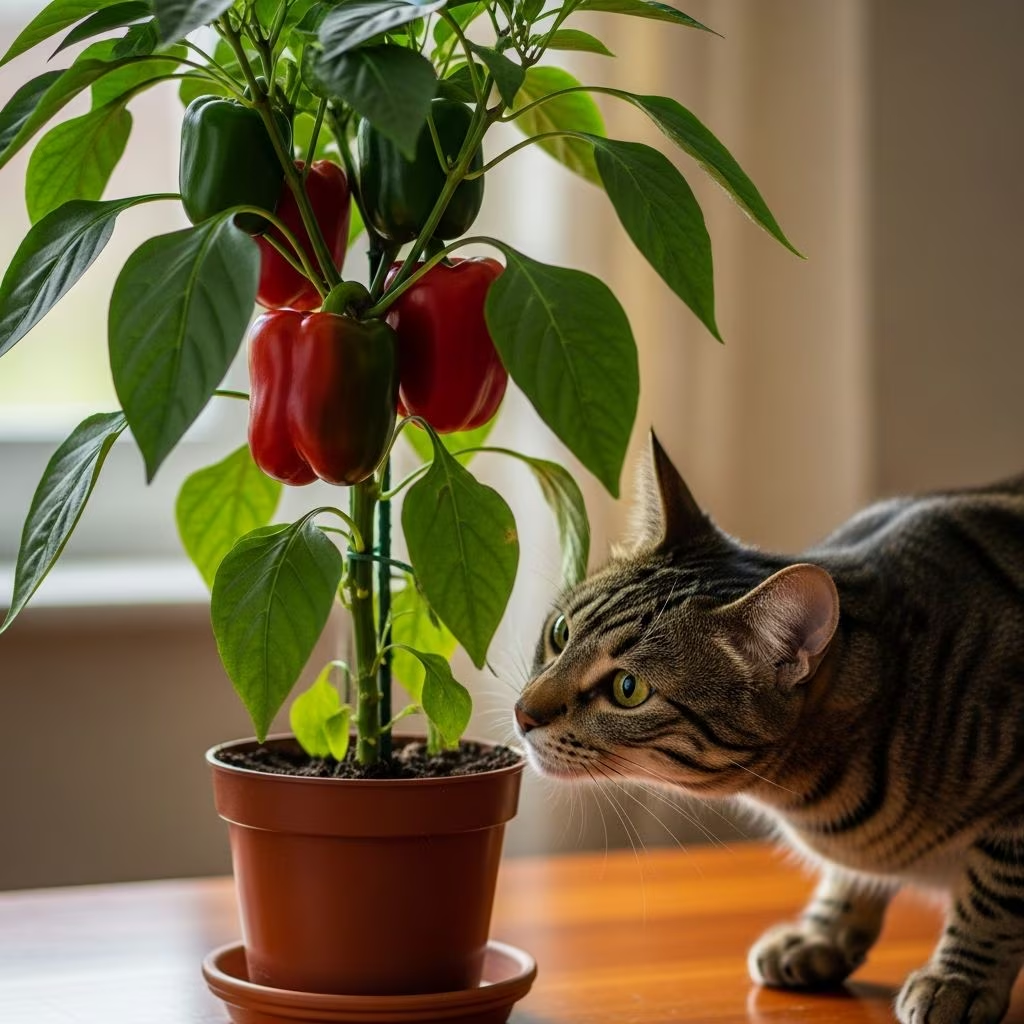
Many cat owners enjoy cultivating pepper plants for their vibrant colors and culinary uses, but these garden favorites can present serious health threats to felines. Certain parts of pepper plants harbor natural chemicals like solanine and capsaicin that irritate or poison cats upon ingestion.
Understanding Pepper Plant Families and Their Dangers
Pepper plants generally fall into two main categories: sweet varieties like bell peppers and hot types such as chili peppers. Both belong to the Solanaceae or nightshade family, which produces defensive alkaloids to ward off herbivores. While ripe fruits of sweet peppers are often benign, the stems, leaves, and unripe parts contain higher toxin concentrations that cats should avoid entirely.
Hot pepper plants amplify the risk with capsaicin, the compound responsible for spicy heat. This irritant targets mucous membranes, causing immediate discomfort designed to deter animals like cats from further consumption.
Key Toxins in Pepper Plants: Solanine and Capsaicin
Solanine, a glycoalkaloid prevalent in nightshade leaves and stems, disrupts feline digestion and nervous systems when consumed in quantity. Found in bell pepper greenery and ornamental peppers, it leads to gastrointestinal upset and lethargy.
Capsaicin, concentrated in hot pepper fruits, seeds, and sometimes foliage, provokes intense burning sensations. Cats rarely ingest large amounts due to the foul taste, but even small exposures trigger drooling, vomiting, and pain.
| Toxin | Found In | Effects on Cats |
|---|---|---|
| Solanine | Leaves, stems (bell, ornamental peppers) | Vomiting, diarrhea, lethargy, appetite loss |
| Capsaicin | Fruits, seeds (chili peppers) | Mouth pain, drooling, abdominal distress |
Specific Pepper Varieties to Watch Out For
- Bell Pepper Plants (Capsicum annuum): Ripe bells are safe in moderation, but foliage poses solanine risks. Cats munching leaves may experience stomach issues.
- Chili and Hot Peppers: Varieties like jalapeños, habaneros, and cayenne contain capsaicin throughout, making all parts hazardous. Ornamental types like Solanum pseudocapsicum add solanine dangers.
- Ornamental Peppers: Bred for decoration, these pack toxins in greenery and berries, leading to severe symptoms if ingested.
Gardeners with cats should identify exact species, as hybrids vary in potency. New ornamental strains may heighten unpredictability.
Recognizing Symptoms of Pepper Plant Poisoning in Cats
Cats typically sample plants briefly due to bitter flavors, limiting severe cases. However, monitor for these signs post-exposure:
- Excessive drooling or pawing at mouth
- Vomiting or diarrhea
- Lethargy and weakness
- Loss of appetite
- Abdominal pain (hunched posture)
- Rarely: tremors, slow heart rate, or seizures from high solanine doses
Capsaicin effects appear rapidly, within minutes, while solanine symptoms may delay by hours. Severity correlates with quantity eaten; small nibbles often self-resolve.
Immediate Steps If Your Cat Ingests Pepper Plants
Prevent panic for minor tastes, as cats seldom consume enough for crisis. For suspected larger ingestions:
- Remove plant access and note variety/amount eaten.
- Rinse mouth gently with water if cooperative, avoiding force.
- Contact vet or poison hotline (e.g., ASPCA at 888-426-4435) with details.
- Seek emergency care for persistent vomiting, distress, or neurological signs.
Vets may administer anti-nausea meds, fluids for hydration, or monitoring. Most recover fully with prompt intervention; fatalities are exceptional.
Creating a Cat-Safe Gardening Environment
Opt for barriers like fencing, hanging pots, or indoor placement beyond leap range. Deter nibbling with citrus sprays or aluminum foil mulches, as cats dislike textures and scents.
Replace risky peppers with feline-friendly options:
- Catnip (Nepeta cataria)
- Spider plants (Chlorophytum comosum)
- Cat thyme (Calamintha nepeta)
- Valerian (Valeriana officinalis)
- Grasses like wheatgrass or oat grass
Avoid other nightshades: tomatoes, potatoes (leaves/stems), and eggplant greenery.
Common Myths About Cats and Pepper Plants
Myth: All peppers are equally deadly. Reality: Sweet pepper fruits lack capsaicin and are low-risk; focus on foliage.
Myth: Black pepper spice harms cats. Reality: Ground spice irritates but differs from plants; plants pose greater whole-body risks.
Myth: Cats instinctively avoid toxins. Reality: Curiosity drives sampling; prevention trumps reliance on aversion.
Long-Term Health Implications and Prevention Strategies
Repeated minor exposures could sensitize cats or exacerbate conditions like IBD. Proactive owners audit gardens annually, consulting ASPCA lists for updates.
Indoor herb gardens with safe varieties foster bonding without peril. Educate family on risks, especially kids who might share plants with pets.
Frequently Asked Questions (FAQs)
Are bell peppers safe for cats to eat?
Ripe bell pepper flesh is non-toxic and may provide vitamin C, but limit to small pieces to avoid digestive upset. Steer clear of stems and leaves.
What if my cat licks a chili pepper plant?
A lick typically causes brief mouth irritation; offer water and observe. Call vet if symptoms persist beyond an hour.
Can pepper plants cause skin irritation in cats?
Capsaicin on fur can transfer to eyes or mouth during grooming, prompting washing with mild soap if contact occurs.
Are there any pepper plants completely safe for cats?
No true “pepper” plants are risk-free due to nightshade ties; choose non-related herbs instead.
How do I identify if a plant is toxic using apps?
PictureThis or PlantSnap apps aid identification; cross-reference with ASPCA’s toxic plant database for confirmation.
By prioritizing prevention and knowledge, cat owners can harmonize gardening passions with pet safety, ensuring joyful, toxin-free homes.
References
- Are Pepper Plants Toxic to Cats? Keeping Your Cat Safe — Hepper. 2023. https://articles.hepper.com/are-pepper-plants-toxic-to-cats/
- Are Pepper Plants Poisonous to Cats? Vet-Reviewed Houseplants — Catster. 2023. https://www.catster.com/cat-health-care/are-pepper-plants-poisonous-to-cats/
- Are Sweet Pepper Plants Toxic to Cats? — YouTube (ASPCA reference). 2023. https://www.youtube.com/watch?v=XdM8s1lzDkY
- Plants Poisonous to Dogs and Cats — Animal Behavior College. 2023. https://www.animalbehaviorcollege.com/blog/lifestyle/health/plants-poisonous-to-dogs-and-cats/
- Toxic and Non-Toxic Plant List — Cats — ASPCA. 2025-01-15. https://www.aspca.org/pet-care/animal-poison-control/cats-plant-list



