

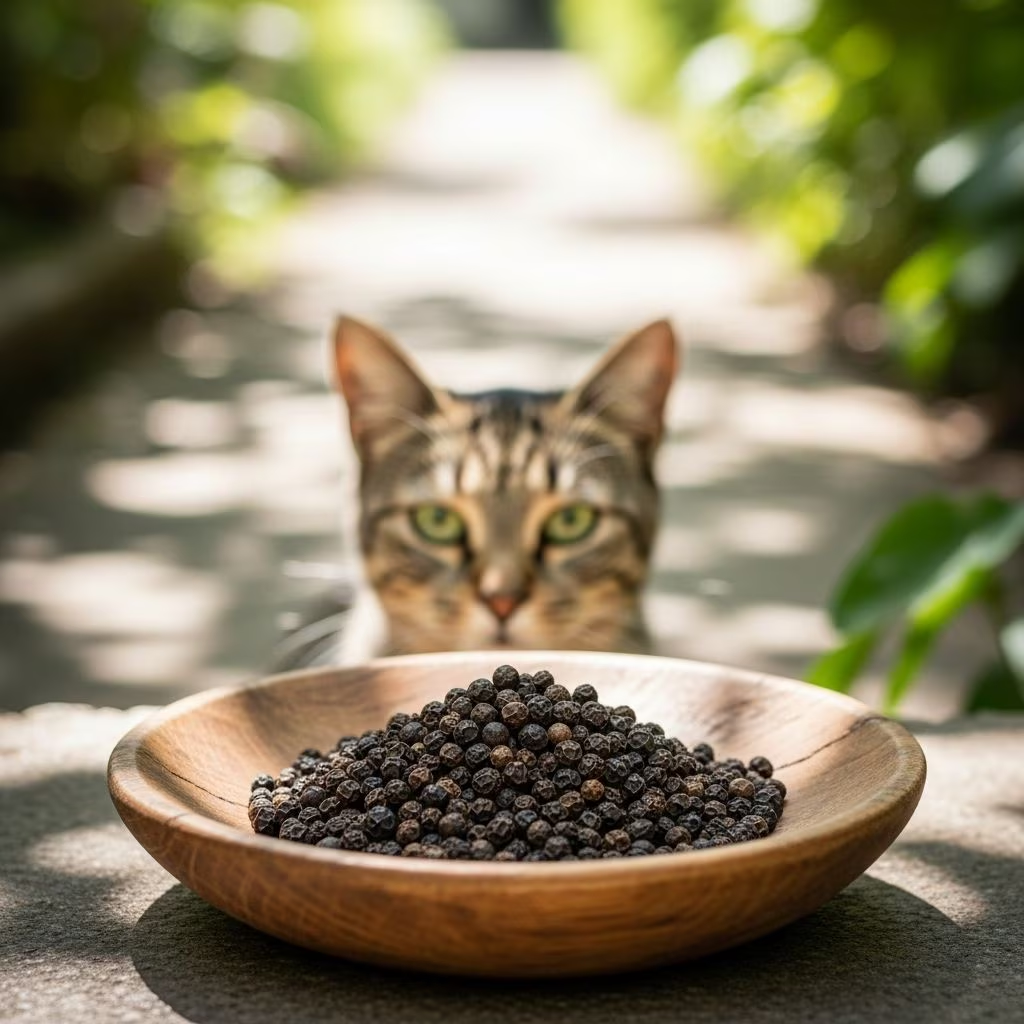
Managing outdoor cats in residential spaces presents a common challenge for homeowners and gardeners. When cats from the neighborhood use gardens as litter boxes or cause damage to landscaping, property owners often seek quick solutions. One approach that circulates frequently in gardening communities involves using pepper-based substances as repellents. However, what appears to be a simple, natural solution requires careful examination regarding both its effectiveness and the potential consequences for animal welfare.
Understanding Why Cats React to Peppery Scents
Cats possess a highly sensitive olfactory system that makes them susceptible to strong aromatic compounds. Pepper, whether ground black pepper or cayenne varieties, produces pungent odors that trigger reactions in feline sensory organs. When cats encounter pepper, the compounds interact with their nasal passages and upper respiratory system, causing sneezing and eye irritation similar to the reactions humans experience. This sensory discomfort forms the theoretical basis for using pepper as a deterrent—the idea being that cats will avoid areas where they anticipate unpleasant sensations.
The scent-aversion principle underlying this method has some validity. Many felines do demonstrate preferences for certain smells and aversions to others. Some individuals report observing cats leave areas after encountering pepper residue, suggesting the method produces at least temporary displacement effects. However, the distinction between temporary avoidance and reliable, humane pest management represents a critical gap in this approach.
Health and Safety Concerns with Pepper-Based Deterrents
While pepper may temporarily repel some cats, the method introduces legitimate animal welfare concerns that outweigh its deterrent value. When cats inhale pepper particles or accidentally ingest pepper residue through grooming or foraging, several adverse effects may occur. The irritating compounds can cause inflammation in the eyes, nasal passages, and mouth tissues. Cats may experience excessive drooling, vomiting, and other signs of gastrointestinal distress following ingestion.
Environmental conditions amplify these risks. Windy weather disperses pepper particles unpredictably, potentially reaching cats that were not the intended targets. Pets belonging to neighbors, wildlife passing through yards, and even humans in the vicinity may experience irritation from airborne pepper particles. This lack of controlled application makes pepper-based deterrents particularly problematic in shared residential environments.
The distinction between temporary discomfort and lasting harm matters significantly in ethical animal management. Although pepper exposure may not cause permanent injury in most cases, the deliberate infliction of even temporary physical discomfort raises humanitarian objections. When safer alternatives exist, subjecting animals to irritating substances becomes difficult to justify.
Evaluating Pepper’s Actual Effectiveness
Objective assessment of pepper’s deterrent capability reveals limited reliability. While some anecdotal reports describe initial success, the broader evidence suggests pepper functions as a weak and inconsistent solution. Many cats either do not respond to pepper’s scent or quickly habituate to it after repeated exposure. Cats often squat to eliminate without first sniffing an area extensively, meaning the olfactory deterrent may not even register before the animal completes the problematic behavior.
Compared to alternative deterrent strategies that address cats’ behavioral patterns more directly, pepper represents a passive approach with questionable sustained effectiveness. The need to reapply pepper regularly due to weather erosion and dilution means ongoing effort without guaranteed results. For property owners seeking reliable solutions, pepper’s inconsistent performance suggests allocating resources toward proven alternatives represents a more practical investment.
Safer Plant-Based Alternatives
Natural plant-based deterrents offer advantages over pepper by providing long-lasting presence and multiple sensory deterrent mechanisms. Unlike pepper, which requires frequent reapplication and risks airborne dispersal, strategically planted deterrent flora integrates into landscape design while providing consistent scent deterrence.
Rosemary as a Multi-Sensory Deterrent
Rosemary presents an excellent natural alternative with dual deterrent properties. The herb’s strong aromatic profile repels most cats through olfactory pathways. Additionally, the texture of rosemary leaves—with their needle-like structure—creates tactile discomfort for cats accustomed to soft soil substrate for elimination. Rosemary is non-toxic to cats, making it a genuinely humane choice. The herb also serves practical culinary purposes, providing homeowners with dual benefits from their plantings. Hardy and low-maintenance, rosemary thrives in various climate zones and soil conditions.
Lavender for Aromatic Protection
Lavender functions as another plant-based deterrent valued across multiple applications beyond pest management. Most cats find lavender’s floral aroma objectionable, prompting avoidance of areas where the plant grows densely. The low toxicity profile of lavender means incidental contact or minor ingestion poses minimal health risk to felines. Unlike more dangerous deterrent plants, lavender can be incorporated into ornamental landscaping without presenting significant safety hazards. The visual appeal of blooming lavender plants adds aesthetic value while serving protective functions.
Other Effective Flora Options
Additional plants that contribute to cat-resistant gardens include:
- Coleus canina (also called scaredy-cat plant)—specifically bred for cat deterrence with minimal toxicity
- Rue—produces unpleasant scent and tactile irritation without toxic effects in incidental contact
- Geraniums—strong odor deters cats while adding visual interest to garden spaces
- Curry plant—intense aromatic profile combined with drought-hardy growth characteristics
Commercial Repellent Products: Characteristics and Considerations
The market includes numerous commercial cat repellent products engineered with safer active ingredients than pepper. These formulations typically utilize scent profiles that cats naturally avoid, such as citrus extracts or apple cider vinegar-based compounds. Commercial products offer advantages in consistency, controlled concentration, and environmental stability compared to homemade pepper applications.
However, careful product selection remains essential. Some commercial repellents contain ingredients—including certain essential oils—that pose toxicity risks to cats and other animals. Reading product labels thoroughly and selecting formulations specifically designed as animal-safe ensures that commercial deterrents align with humane management principles. Products engineered for cat deterrence without harmful additives represent substantial improvements over pepper-based alternatives.
Physical Barriers and Environmental Modifications
Beyond scent-based approaches, physical modifications to yard environments address cat intrusion through different mechanisms. Fine-mesh fencing installed around garden beds creates barriers that prevent cats from accessing soil while maintaining visual aesthetics. Motion-activated sprinklers startle cats upon approach, exploiting natural aversion to unexpected water exposure without causing injury. These methods combine effectiveness with unambiguous ethical defensibility.
Environmental modification strategies include creating designated cat toilet areas—small patches of loose soil that attract cats through natural substrate preferences. By providing preferred elimination sites away from vegetable beds and ornamental plantings, property owners redirect problematic behavior rather than merely suppressing it. This approach acknowledges cats’ behavioral needs while protecting valued garden areas.
Frequently Asked Questions
Does ground pepper work better than whole peppercorns?
Ground pepper produces more readily released particles and stronger initial scent, but both forms present similar concerns regarding airborne dispersal and inconsistent effectiveness. Neither form provides reliable, humane deterrence.
How often should pepper be reapplied?
Pepper requires frequent reapplication due to weather erosion, dilution from watering, and degradation. This ongoing maintenance burden, combined with limited effectiveness, makes pepper an inefficient deterrent choice compared to alternatives requiring less frequent attention.
Can coffee grounds serve as an effective alternative?
Coffee grounds produce odors that some cats dislike, similar to pepper. However, coffee grounds present similar limitations: inconsistent effectiveness, weather-dependent persistence, and potential contact-related risks. Commercial or plant-based alternatives offer superior reliability.
Are essential oils effective for cat deterrence?
While some essential oils deter cats through strong scent, many essential oils present documented toxicity risks to felines. Essential oils should be avoided entirely in cat deterrent applications.
What about cayenne pepper specifically?
Cayenne pepper poses similar or potentially greater concerns than black pepper due to capsaicin content, which produces intense irritation. Cayenne shares pepper’s limitations regarding effectiveness and introduces equivalent or heightened safety concerns.
Implementing a Comprehensive Cat Management Strategy
Effective outdoor cat management typically requires combining multiple approaches rather than relying on single interventions. A comprehensive strategy might integrate plant-based deterrents, physical barriers, environmental modifications, and commercial products selected for safety and proven effectiveness. This layered approach addresses multiple behavioral pathways while reducing dependence on any single method subject to habituation or environmental variability.
Communication with neighbors who own outdoor cats represents another important component. Understanding whether cats use the yard by choice or through inadequate containment on adjacent properties allows for targeted interventions addressing root causes rather than merely managing symptoms.
Making Informed Decisions for Pet-Friendly Pest Management
The evidence collectively demonstrates that while pepper may produce temporary behavioral responses in some cats, it fails to meet standards for reliable, humane outdoor cat management. The method’s inconsistent effectiveness, requirement for frequent reapplication, and capacity to cause physical discomfort combine to make it an inferior choice compared to readily available alternatives.
Homeowners seeking to protect gardens from outdoor cats benefit from evaluating the broader landscape of deterrent options. Plant-based solutions like rosemary and lavender provide aesthetic value alongside consistent, non-harmful deterrence. Physical barriers and environmental modifications address behavioral drivers directly. Commercial products formulated with animal safety in mind offer controlled, predictable performance. Together, these alternatives enable effective pest management aligned with contemporary animal welfare standards.
Choosing humane deterrent methods reflects both ethical responsibility and practical wisdom. Methods that work reliably while respecting animal welfare ultimately prove more sustainable than approaches requiring constant reapplication and capable of causing suffering. By moving beyond pepper-based solutions toward evidence-supported alternatives, property owners can successfully manage outdoor cat conflicts while maintaining their commitment to animal welfare principles.
References
- Keep the Outdoor Cats Out of Your Garden — Mill Creek Animal Hospital. May 2023. https://www.millcreekvet.com/resources/blog/may-2023/keep-the-outdoor-cats-out-of-yor-garden
- Does Black Pepper Keep Cats Away? Vet-Reviewed Facts & FAQ — Catster. https://www.catster.com/lifestyle/does-black-pepper-keep-cats-away/
- Does Black Pepper Keep Cats Away? Exploring Natural Deterrents — Cats Luv Us. May 14, 2024. https://shop.catsluvus.com/2024/05/14/does-black-pepper-keep-cats-away-exploring-natural-deterrents/



