

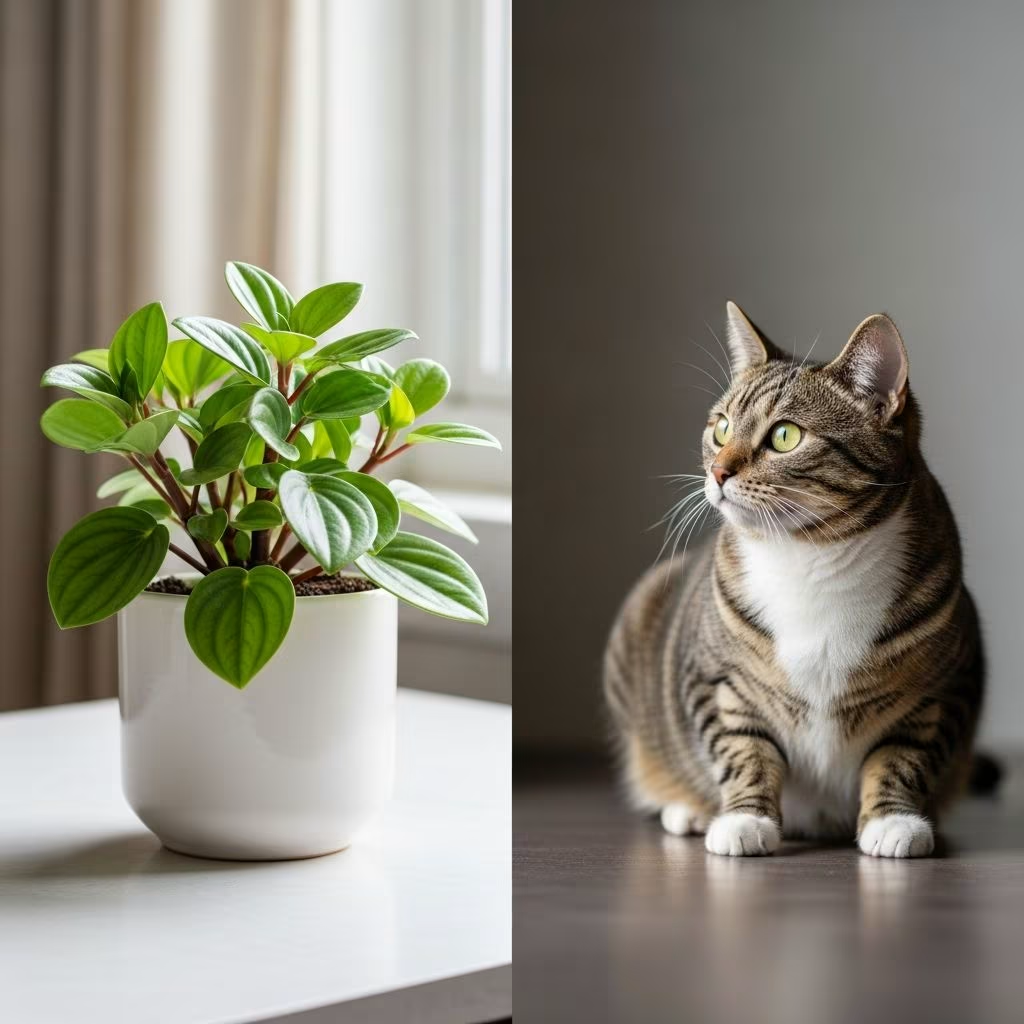
Peperomia species rank among the most sought-after houseplants due to their compact size, vibrant leaf patterns, and straightforward care needs. For cat owners, a key concern arises: do these plants present any health risks to curious felines who love to explore with their mouths? Reliable sources, including the ASPCA, consistently classify most peperomia varieties as non-toxic to cats, affirming their place on pet-safe plant lists.
Understanding Peperomia: A Popular Choice for Indoor Gardens
Belonging to the Piperaceae family, peperomia encompasses over 1,000 species, many of which thrive indoors. These plants feature thick, succulent-like leaves in shades of green, red, silver, or variegated patterns, making them decorative additions to shelves, tables, or hanging baskets. Their slow growth and tolerance for low light appeal to beginners and busy households alike.
Common varieties include the Baby Rubber Plant (Peperomia obtusifolia), known for its rounded, glossy leaves; the Watermelon Peperomia (Peperomia argyreia), with its striped foliage resembling fruit rind; and the String of Turtles (Peperomia prostrata), ideal for trailing displays. These plants prefer indirect light, well-draining soil, and moderate watering, rarely exceeding 12 inches in height.
The Safety Profile of Peperomia for Felines
According to the ASPCA’s comprehensive database on toxic and non-toxic plants, multiple peperomia types—such as Peperomia obtusifolia, Peperomia hederifolia, and Peperomia griseoargentea—are explicitly listed as non-toxic to cats. This means ingestion does not lead to severe poisoning, organ damage, or life-threatening symptoms.
However, some sources note mild gastrointestinal upset possible from excessive consumption, as cats are obligate carnivores unaccustomed to plant material. Overeating leaves might cause temporary vomiting, diarrhea, or appetite loss due to natural compounds like saponins, though these effects are not indicative of true toxicity.
| Peperomia Variety | ASPCA Status | Potential Mild Effects |
|---|---|---|
| Blunt Leaf Peperomia | Non-Toxic | None reported |
| Peperomia Hederifolia | Non-Toxic | Gut irritation if overeaten |
| Watermelon Peperomia | Non-Toxic | Vomiting possible |
| Baby Rubber Plant | Non-Toxic | Diarrhea in excess |
This table summarizes key varieties based on verified listings, highlighting that while safe, moderation prevents discomfort.
Why Cats Chew on Houseplants and What to Watch For
Cats nibble plants for various reasons: fiber intake, teething relief, boredom, or instinctual grass-seeking behavior. Peperomia’s appealing texture can attract playful paws. Monitor for signs like drooling, lethargy, or repeated vomiting after plant interaction—these warrant a vet visit, even if toxicity is low.
- Vomiting: Single episodes often self-resolve; multiples signal excess intake.
- Diarrhea: Loose stools from indigestible plant matter.
- Loss of Appetite: Temporary disinterest in food post-ingestion.
- Irritation: Rare oral discomfort from sap.
Unlike truly toxic plants (e.g., lilies), peperomia does not cause kidney failure or neurological issues. Still, consult a vet or ASPCA hotline at (888) 426-4435 for peace of mind.
Essential Care Tips for Peperomia in Cat Households
Maintaining peperomia health ensures it remains an attractive yet inaccessible target. Provide bright, indirect light to prevent leggy growth, which might tempt low-reaching cats. Use a peat-based, well-draining potting mix and water only when the top inch of soil dries out to avoid root rot.
Fertilize sparingly with a balanced, diluted formula every 6-8 weeks during spring and summer. Higher humidity benefits these tropical natives—mist leaves or use a pebble tray. Prune leggy stems to encourage bushiness, disposing of clippings securely.
Proven Strategies to Deter Cats from Your Plants
Prevention beats cure. Elevate plants on high shelves, wall mounts, or sturdy stands beyond jumping range. Hanging baskets work well for trailing types, but secure them firmly.
- Repellent Sprays: Mix lemon juice and water (1:1) to spritz leaves; cats dislike citrus scents.
- Training Techniques: Use positive reinforcement—reward ignoring the plant with treats or play.
- Barriers: Place aluminum foil or double-sided tape around pots; the texture repels cats.
- Alternatives: Offer cat grass, wheatgrass, or catnip toys for safe chewing outlets.
- Supervision: Observe interactions initially and redirect curiosity.
These methods, drawn from pet care experts, minimize risks effectively.
Expanding Your Cat-Safe Plant Collection
Pair peperomia with other ASPCA-approved options for a lush, feline-friendly space:
- Spider Plant (Chlorophytum comosum): Arching leaves, air-purifying.
- Boston Fern: Feathery fronds for hanging displays.
- Parlor Palm: Elegant and shade-tolerant.
- Calathea: Colorful patterns, humidity-loving.
- Areca Palm: Feathery, non-toxic fronds.
Avoid dangers like aloe vera, poinsettias, or sago palms, which can cause severe illness.
Plants to Steer Clear Of: Common Toxic Threats
Steer clear of these cat-toxic houseplants:
| Plant Name | Toxicity Level | Symptoms |
|---|---|---|
| Lily (True Lilies) | High | Kidney failure |
| Tulip | Moderate | Vomiting, heart issues |
| Aloe | Moderate | Lethargy, diarrhea |
| Poinsettia | Mild | Irritation, vomiting |
Always verify via ASPCA before adding greenery.
Frequently Asked Questions About Peperomia and Cats
Is every peperomia species safe for cats?
Most are, per ASPCA listings, but monitor for rare varieties and excessive nibbling.
What if my cat ate a lot of peperomia leaves?
Watch for vomiting or diarrhea; contact your vet if symptoms persist beyond 24 hours.
Can peperomia cause allergies in cats?
Uncommon, but pollen or sap might irritate sensitive felines—observe closely.
How do I clean peperomia leaves safely around cats?
Wipe with a damp cloth; avoid chemical polishes that could tempt licking.
Are peperomia safe for other pets like dogs?
Yes, non-toxic to dogs, rabbits, and most animals, though moderation applies.
Building a Thriving, Pet-Proof Indoor Jungle
With peperomia’s safety profile and deterrence strategies, cat owners can cultivate vibrant indoor gardens confidently. Prioritize placement, provide alternatives, and stay vigilant. This balance lets you enjoy nature’s beauty without compromising pet well-being. Consult professionals for tailored advice, ensuring a harmonious home for plants and purrs alike.
References
- Toxic and Non-toxic Plants: Peperomia Hederifolia — ASPCA. Accessed 2026. https://www.aspca.org/pet-care/aspca-poison-control/toxic-and-non-toxic-plants/peperomia-hederifolia
- Toxic and Non-toxic Plants: Blunt Leaf Peperomia — ASPCA. Accessed 2026. https://www.aspca.org/pet-care/aspca-poison-control/toxic-and-non-toxic-plants/blunt-leaf-peperomia
- Is Peperomia Toxic to Cats? Vet-Reviewed Houseplants Examined — Catster. 2023. https://www.catster.com/cat-health-care/is-peperomia-toxic-to-cats/
- Peperomia and Your Pets: Is This Plant Toxic to Cats? — Comfort Plants. Accessed 2026. https://comfortplants.com/blogs/plant-care-guides/peperomia-and-your-pets
- Is Peperomia Poisonous? — Plant Addicts. Accessed 2026. https://plantaddicts.com/is-peperomia-poisonous/



