

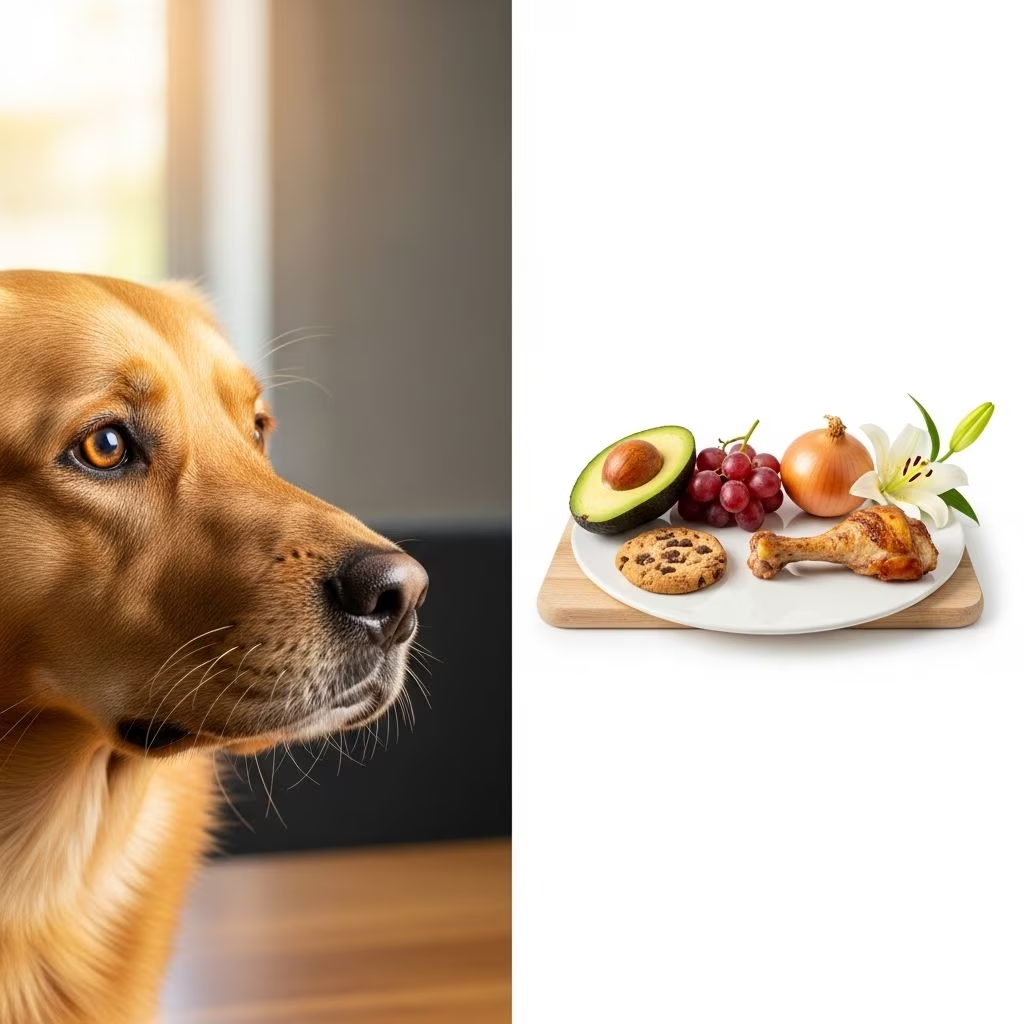
Many everyday human foods that we enjoy can be highly toxic to our pets, leading to severe illness or even death. Dogs, cats, birds, rabbits and other animals process foods differently than humans, making common snacks like chocolate, grapes and onions dangerous. This comprehensive guide from ASPCA Animal Poison Control lists key people foods to avoid, their symptoms and why they’re harmful. Always consult your veterinarian or call the ASPCA Poison Control hotline at (888) 426-4435 if your pet ingests something suspicious.
Pet owners often share table scraps out of love, but good intentions can lead to emergencies. Understanding these toxins empowers you to create a safer home. Below, we break down the most common culprits by category, with detailed explanations, symptoms and prevention tips.
Alcohol/Yeast Dough
Alcoholic beverages and foods containing alcohol pose rapid and severe risks to pets. Ethanol is quickly absorbed into the bloodstream, causing intoxication similar to but more dangerous in animals due to their smaller size.
- Symptoms: Vomiting, diarrhea, incoordination, central nervous system depression, difficulty breathing, tremors, changes in blood pH (acidosis), coma and death.
- Why it’s dangerous: Alcohol disrupts normal brain function and can lead to respiratory failure. Even small amounts in mouthwash, raw bread dough or fermented foods can be lethal.
Yeast dough is equally hazardous as it expands in the warm, moist stomach environment. The rising dough produces carbon dioxide gas, causing painful bloating or gastric dilatation-volvulus (GDV), a life-threatening condition requiring immediate surgery. Fermentation also generates alcohol, compounding toxicity.
- Symptoms of yeast dough: Gas accumulation, abdominal distension, unproductive retching, restlessness, followed by alcohol poisoning signs.
- Prevention: Keep bread dough, beer, wine and spirits out of reach. If exposure occurs, seek emergency vet care without delay.
Raw dough incidents spike during holidays when baking is common. Prompt action saves lives—do not wait for symptoms to worsen.
Chocolate, Coffee and Caffeine
These stimulants contain methylxanthines (theobromine and caffeine), which pets cannot metabolize efficiently. Toxicity depends on dose, animal size and product concentration.
- Methylxanthine levels: White chocolate (lowest), milk chocolate, dark chocolate, baking chocolate/cocoa powder (highest).
Darker varieties are far more dangerous—a few ounces can poison a small dog. Coffee, tea, energy drinks and some sodas also contain caffeine.
- Symptoms: Vomiting, diarrhea, panting, excessive thirst/urination, hyperactivity, abnormal heart rhythms, tremors, seizures, death.
Treatment involves decontamination, medications to control heart rate/seizures and IV fluids. Prognosis improves with early intervention.
| Chocolate Type | Methylxanthine Content | Toxicity Risk |
|---|---|---|
| White | Low | Minimal |
| Milk | Moderate | Moderate |
| Dark | High | High |
| Baking/Cocoa | Very High | Extreme |
Store these items securely, especially around holidays like Valentine’s or Halloween when chocolate abounds.
Fruits/Vegetables
Avocado
Avocados contain persin, a fungicidal toxin concentrated in leaves, pits, skin and bark. While dogs may tolerate flesh in tiny amounts, it’s highly toxic to birds, rabbits, horses and ruminants.
- Symptoms: Cardiovascular damage (birds/rabbits), head/neck swelling (horses/sheep/goats), vomiting, diarrhea in dogs.
- Risk: Even guacamole can be dangerous due to seasonings.
Citrus
Lemons, limes, oranges and grapefruits have citric acid and essential oils in peels, leaves and seeds that irritate the GI tract.
- Symptoms: Vomiting, diarrhea, depression (large amounts). Small fruit pieces usually cause only mild upset.
Keep citrus plants and peels away from curious pets.
Grapes and Raisins
These fruits cause acute kidney failure in dogs due to tartaric acid (or unknown toxin). Even one grape can trigger issues; sensitivity varies.
- Symptoms: Vomiting (within hours), lethargy, diarrhea, abdominal pain, decreased urine output, kidney failure (24-72 hours).
- Prevention: No safe amount—store securely. Cats and other species seem less affected but avoid anyway.
Onion, Garlic, Chives
Allium species damage red blood cells, causing hemolytic anemia. Cats are more sensitive, but dogs are at risk with large amounts.
- Symptoms: GI irritation, weakness, pale gums, rapid breathing/heart rate, collapse.
- Note: Powdered forms in seasonings are concentrated dangers.
Milk/Dairy
Most adult pets lack lactase enzyme, leading to lactose intolerance.
- Symptoms: Diarrhea, gas, vomiting, stomach cramps.
- Tip: Small amounts of low-lactose cheese may be tolerated occasionally, but avoid milk.
Nuts/Fatty Foods
Macadamia Nuts
Toxic to dogs, causing neurological symptoms without known mechanism.
- Symptoms: Weakness (hind legs first), depression, vomiting, tremors, hyperthermia (within 12 hours); recovery in 24-72 hours with support.
Other Nuts
Almonds, pecans, walnuts are high-fat, risking vomiting, diarrhea, pancreatitis.
Coconut and Coconut Oil
Small amounts usually safe, but oils cause GI upset.
- Symptoms: Loose stools, diarrhea.
Raw/Undercooked Meat, Eggs, and Bones
Bacterial risks (Salmonella, E. coli) affect pets and humans. Raw eggs’ avidin blocks biotin absorption, harming skin/coat. Bones splinter, causing fractures, obstructions or perforations.
- Symptoms: Food poisoning, choking, surgery needs.
- Alternative: Cooked, boneless meat in moderation.
Sweet and Salty
Xylitol
Sugar alcohol in gum, candy, toothpaste, peanut butter causes insulin surge, hypoglycemia and liver failure in dogs.
- Symptoms: Vomiting, lethargy, ataxia, seizures (30 min-12 hrs), liver issues (12-24 hrs).
Salt/Excessively Salty Foods
Leads to sodium ion toxicity.
- Symptoms: Thirst, urination, vomiting, diarrhea, tremors, seizures, death.
What to Do If Your Pet Ingests a Toxic Food
Do not induce vomiting unless directed by a vet. Note what/amount/time ingested, then call ASPCA Poison Control (888-426-4435) or your vet. Treatment may include activated charcoal, IV fluids, monitoring. Early action is critical—many toxins act fast.
Pet-Safe Alternatives
Share safely: Apples (no seeds), blueberries, carrots, green beans, plain cooked meats. Avoid anything seasoned/onions/garlic.
Frequently Asked Questions (FAQs)
Is chocolate toxic to cats?
Yes, though cats are less likely to eat it; methylxanthines still pose risks.
Can dogs eat grapes occasionally?
No—zero tolerance due to kidney failure risk.
What if my pet ate something toxic?
Call ASPCA Poison Control immediately at (888) 426-4435.
Are all nuts bad for pets?
Macadamia are worst; others cause GI/pancreas issues.
Is lactose-free milk safe?
Pet-specific formulas yes; cow’s milk no.
References
- People Foods to Avoid Feeding Your Pets — ASPCA. 2023. https://www.aspca.org/pet-care/aspca-poison-control/people-foods-avoid-feeding-your-pets
- 16 Things NOT to Feed Your Dog — ASPCA Pet Insurance. 2024. https://www.aspcapetinsurance.com/resources/what-foods-can-dogs-not-eat/
- ASPCA Animal Poison Control — Valor Vet Emergency. 2024. https://www.valorvetemergency.com/aspca-animal-poison-control
- Sharing is Caring: Foods You Can Safely Share with Your Pet — ASPCA. 2023. https://www.aspca.org/news/sharing-caring-foods-you-can-safely-share-your-pet
- The Official Top 10 Toxins of 2024 — ASPCA. 2024-12-03. https://www.aspca.org/news/official-top-10-toxins-2024
- ASPCA Poison Control — ASPCA. 2025. https://www.aspca.org/pet-care/aspca-poison-control



