

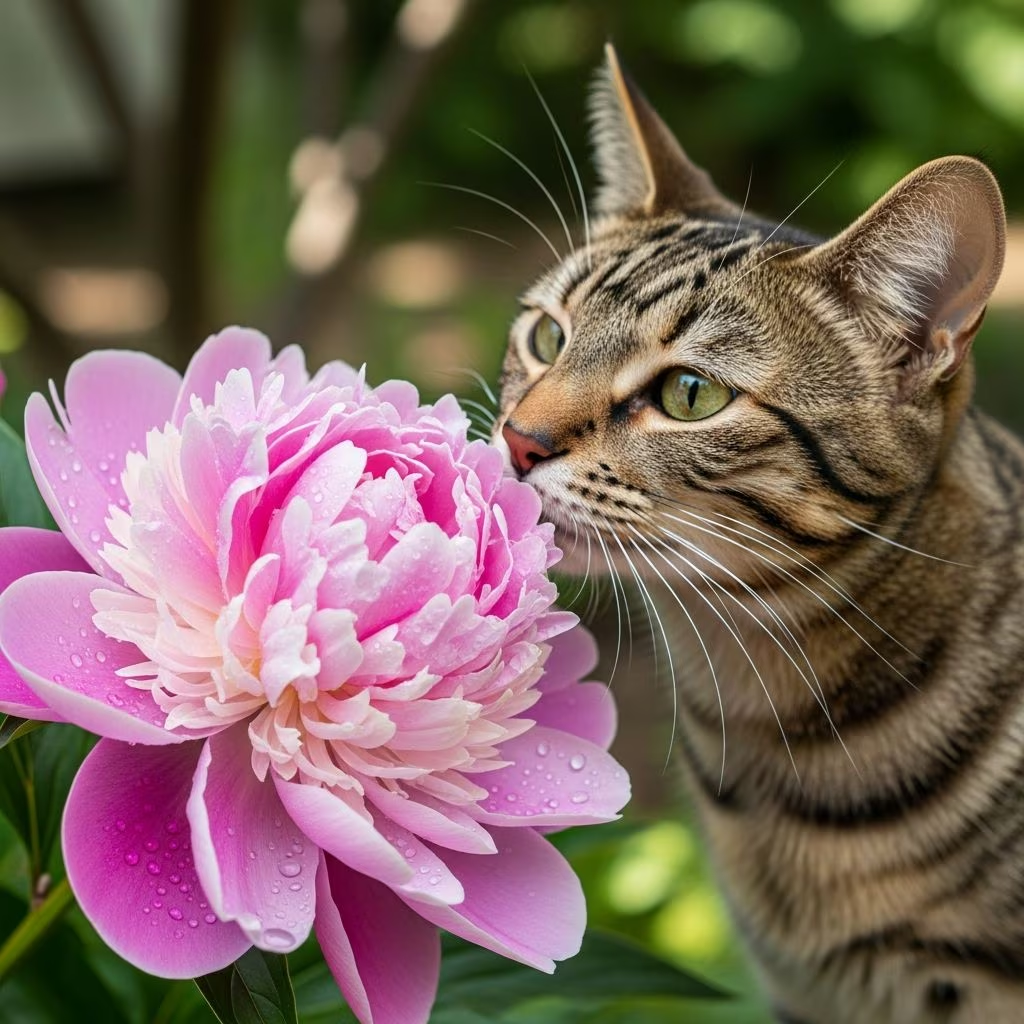
Peonies are toxic to cats and pose a genuine health concern for feline companions. While the toxicity level is classified as mild to moderate rather than severe, the presence of paeonol—a harmful compound found throughout the plant—makes these beautiful flowers unsuitable for homes with cats.
Understanding the Toxic Compound
The primary culprit behind peony toxicity is a substance called paeonol, which has been used historically in traditional medicine in Asian countries for its anti-inflammatory, anti-fungal, and antibacterial properties. However, despite its medicinal applications for humans, this same compound triggers adverse reactions in feline digestive systems and other physiological processes.
The concentration of paeonol varies throughout different parts of the peony plant, with certain sections presenting higher risk levels than others. Understanding where toxins accumulate in the plant structure helps pet owners identify which components require the most vigilant protection strategies.
Identifying High-Risk Plant Components
Not all parts of the peony plant present equal danger to cats. The toxin distribution creates a spectrum of risk that pet owners should understand when determining protective measures.
Roots contain the highest concentration of paeonol and represent the most serious threat. Cats with access to outdoor peony gardens who dig into soil can encounter these most toxic components. The root system poses particular danger because concentrated paeonol levels can trigger more severe reactions compared to other plant parts.
Flowers and petals, while often the first components cats encounter due to their visual appeal, contain moderate toxin levels. Many cats are naturally attracted to chewing on petals, making these accessible components a frequent source of accidental poisoning.
Leaves and stems fall in the middle range of toxicity. These components typically cause mild to moderate symptoms rather than severe reactions, yet they still warrant careful containment strategies.
An important consideration: even dried or wilted peony flowers retain toxic properties. The drying process does not eliminate paeonol, meaning decorative arrangements, fallen flowers, and stored botanical materials continue posing risks to curious felines.
Recognizing Poisoning Symptoms in Your Cat
Symptoms of peony toxicity typically emerge within a few hours of ingestion. However, the specific signs your cat displays depend on the quantity consumed and individual sensitivity variations.
Primary Gastrointestinal Symptoms
The most frequently observed signs involve the digestive system:
- Vomiting represents one of the earliest and most common indicators
- Diarrhea, which may appear several hours after ingestion
- Loss of appetite or refusal to eat
- Drooling may accompany oral irritation from contact with plant material
Behavioral and Neurological Changes
Beyond digestive distress, cats may exhibit alterations in behavior and physical coordination:
- Depression or lethargy, manifesting as unusual inactivity or disinterest in normal activities
- Incoordination or stumbling movements
- Weakness affecting normal movement patterns
- Dilated pupils, which may indicate systemic effects on the nervous system
Additional Concerning Signs
In some cases, cats may display additional symptoms requiring urgent attention:
- Increased heart rate
- Respiratory distress, including difficulty breathing or rapid breathing patterns
- Allergic reactions, potentially including facial or throat swelling
Respiratory symptoms or throat swelling represent particularly serious warning signs necessitating immediate veterinary care.
Severity Factors and Individual Variations
Multiple variables influence how intensely a cat reacts to peony ingestion. The amount consumed plays a crucial role—small amounts typically cause mild symptoms while larger quantities trigger more pronounced reactions. Individual cat sensitivity varies considerably, meaning some cats may experience only minimal discomfort from small exposures while others react significantly.
Age and pre-existing health conditions significantly impact toxicity outcomes. Kittens and senior cats face elevated risk, as do cats with compromised immune systems or pre-existing health conditions. A small nibble might trigger vomiting in one cat while another might experience no immediate symptoms from the same exposure.
Immediate Response Protocol
If you discover your cat has consumed peony plant material, taking swift action reduces potential harm:
First Steps
- Remove any remaining plant debris from your cat’s mouth and surrounding area, checking fur and paws for fragments
- Gently rinse your cat’s mouth with clean water if they tolerate this action, helping remove residual toxins and reduce oral irritation
- Avoid inducing vomiting unless specifically instructed by your veterinarian, as this may sometimes worsen damage in certain poisoning cases
Monitoring and Veterinary Contact
- Observe your cat closely for the next 6–12 hours, documenting any symptoms that appear
- Contact your veterinarian immediately, especially if symptoms develop or if your cat consumed a substantial amount of plant material
- When contacting your vet, describe which plant part your cat consumed and estimate the quantity if possible
Professional Treatment Options
Veterinarians may employ several treatment approaches depending on symptom severity:
- Administering activated charcoal to absorb remaining toxins in the digestive system
- Providing intravenous fluids for hydration and toxin dilution
- Hospitalization for more severe cases requiring close monitoring and supportive care
Prevention Strategies for Pet Owners
The most effective approach to peony toxicity involves preventing exposure entirely. Keep peonies—whether fresh, dried, or arranged—out of your cat’s reach. This extends to both indoor flower arrangements and outdoor garden plants.
Indoor Safeguards
- Place peony arrangements in rooms your cat cannot access, such as secured bedrooms or behind closed doors
- Avoid keeping cut peonies on low tables or shelves where cats might knock them over or chew stems
- Never leave fallen petals or plant debris accessible on floors or low surfaces
- Consider substituting peonies with cat-safe flowering alternatives for indoor decoration
Garden and Outdoor Considerations
- Fence off peony garden beds if your cat has outdoor access
- Supervise outdoor time when peonies are blooming
- Remove fallen flowers and plant material from garden areas regularly
- Prevent your cat from digging near peony plants where roots remain accessible
Environmental Enrichment Alternatives
Redirect your cat’s natural plant-chewing instincts toward safe alternatives. Providing cat grass, spider plants (which are non-toxic), or dedicated cat-safe plant options satisfies their botanical curiosity without toxicity risks.
Comparison of Peony Toxicity Levels
| Plant Component | Paeonol Concentration | Typical Symptoms | Risk Level |
|---|---|---|---|
| Roots | Highest | Severe gastrointestinal upset, increased heart rate, weakness | Critical |
| Flowers/Petals | Moderate | Mild vomiting, oral irritation, diarrhea | Moderate |
| Leaves | Moderate to High | Vomiting, diarrhea, lethargy | High |
| Stems | Low to Moderate | Mild gastrointestinal signs | Moderate |
Peony Toxicity: Questions Pet Owners Frequently Ask
Is peony poisoning fatal in cats?
Death from peony poisoning is extremely rare in cats. While the plant is toxic and requires serious attention, the toxicity classification of mild to moderate means most cats recover with appropriate veterinary care and monitoring. However, very large ingestions in very young kittens or elderly cats with health complications could potentially become more serious.
How quickly do symptoms appear after ingestion?
Most cats displaying symptoms will show signs within a few hours of consuming peony plant material. However, symptom onset varies based on individual metabolism and the amount consumed. Monitoring for 6–12 hours after potential exposure provides appropriate timeframe coverage.
Can cats recover from peony poisoning without veterinary care?
While many cases of mild peony poisoning resolve independently, veterinary consultation is strongly recommended whenever you suspect ingestion. A veterinarian can assess severity, provide supportive care if needed, and rule out other underlying health issues that might complicate recovery.
Are all peony varieties equally toxic?
Different peony species may have varying toxin levels. Rather than attempting to distinguish between varieties, the safest approach treats all peonies as potentially toxic and maintains equal protective measures for all types.
What about peonies in floral arrangements?
Cut peonies in vases retain full toxicity despite being removed from the plant. Floral water may become contaminated with paeonol as well. Keep all fresh peony arrangements, including those from florists, away from cat access.
Can cats be allergic to peonies in addition to toxicity?
While paeonol toxicity represents the primary concern, some cats may experience allergic reactions manifesting as swelling in the mouth or throat. These allergic symptoms require immediate veterinary attention and should be treated as emergencies.
Creating a Cat-Safe Home Environment
Beyond removing peonies, comprehensive pet safety involves evaluating your entire indoor and outdoor environment. Many common decorative plants pose toxicity risks similar to peonies. Working with your veterinarian to identify safe plant alternatives for your home creates an environment where you can enjoy botanical beauty while ensuring your cat’s wellbeing.
Education about plant toxicity extends to visitors and household members. Ensure everyone interacting with your cat understands that peonies and other toxic plants should never be brought into your home, and that yard access requires supervision during blooming seasons.
By understanding peony toxicity, recognizing early warning signs, and implementing preventive strategies, you protect your feline companion from unnecessary health risks while maintaining the aesthetics you enjoy in your home and garden.
References
- Are Peonies Poisonous to Cats? Vet-Approved Facts — Hepper. Accessed January 2026. https://articles.hepper.com/are-peonies-poisonous-to-cats/
- Are Peonies Poisonous to Animals? Safety Guide for Cats and Pet Owners — Peonita. Accessed January 2026. https://peonita.com/blogs/news/are-peonies-poisonous-to-animals-safety-guide-for-cats-and-pet-owners
- Are peonies poisonous to cats? — Purely Pets Insurance. Accessed January 2026. https://www.purelypetsinsurance.co.uk/blogs/are-peonies-poisonous-to-cats/
- Are lilacs or peonies dangerous for cats if they decide to munch on them? — Dial A Vet. Accessed January 2026. https://www.dialavet.com/vet-answers/post/lilacs-peonies-dangerous-cats-172384
- Are Peonies Poisonous to Cats? Vet-Verified Risks & Safety Tips — Catster. Accessed January 2026. https://www.catster.com/cat-health-care/are-peonies-poisonous-to-cats/
- Peony — ASPCA Animal Poison Control Center. Accessed January 2026. https://www.aspca.org/pet-care/aspca-poison-control/toxic-and-non-toxic-plants/peony
- Plants That Are Dangerous to Pets — FOUR PAWS USA. Accessed January 2026. https://www.fourpawsusa.org/our-stories/publications-guides/plants-that-are-dangerous-to-pets



