

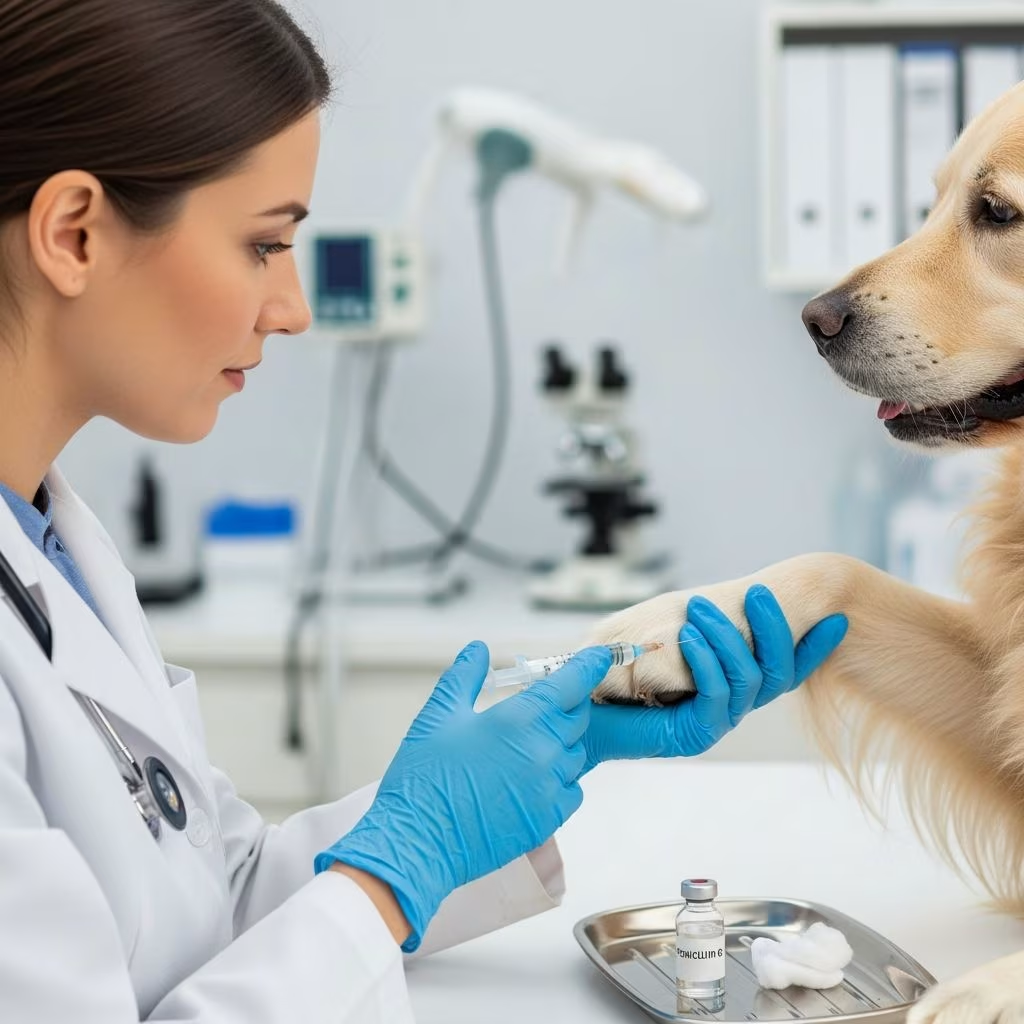
Penicillin G stands as a cornerstone antibiotic in veterinary medicine, particularly for dogs facing bacterial threats. Derived from natural sources, it targets susceptible bacteria by disrupting their cell wall formation, offering relief from various infections when prescribed appropriately.
Understanding the Mechanism and Origins
This antibiotic originates from the mold Penicillium chrysogenum, marking it as one of the earliest discovered natural penicillins. In canine applications, it excels against gram-positive bacteria, including streptococci and staphylococci, though resistance in some strains limits its universal efficacy.
By binding to penicillin-binding proteins, Penicillin G halts peptidoglycan cross-linking essential for bacterial survival. This action spares the dog’s beneficial gut flora to a greater degree than broader-spectrum options, minimizing dysbiosis risks.
Primary Applications in Dogs
Veterinarians deploy Penicillin G for a spectrum of bacterial invasions in dogs, prioritizing cases where sensitivity testing confirms its suitability. Key uses include:
- Skin and wound infections: Effective against abscesses from bites or trauma, promoting faster healing.
- Respiratory tract issues: Targets pneumonia or secondary infections post-viral illness.
- Urinary tract infections (UTIs): Particularly potent against staphylococci and streptococci, with studies showing up to 100% resolution rates for these pathogens.
- Dental abscesses: Addresses root infections stemming from periodontal disease.
- Soft tissue conditions: Manages cellulitis or post-surgical site contaminations.
Notably, it proves ineffective against viral, fungal, or parasitic ailments, underscoring the need for diagnostic precision before administration.
Available Formulations and Delivery Methods
Penicillin G manifests in multiple formats tailored to canine needs, ensuring flexibility in treatment protocols.
| Form | Concentration Examples | Administration Route | Common Brands |
|---|---|---|---|
| Injectable Suspension (Procaine) | 300,000 units/mL | Intramuscular (IM), Subcutaneous (SQ) | Crystacillin, VetriPen G |
| Injectable Potassium Salt | Various (200,000-800,000 units) | Intravenous (IV), IM | PenOne Pro |
| Oral Capsules | 200,000-800,000 units | Oral | Limited use due to absorption |
Injectables dominate due to superior bioavailability, with procaine variants providing prolonged release for once-daily dosing convenience. Oral forms, while available, often lead to gastrointestinal upset from altering intestinal flora.
Dosage Guidelines for Optimal Results
Dosing hinges on the dog’s weight, infection severity, and bacterial susceptibility. Standard protocols recommend:
- General range: 10,000-25,000 units per pound (20,000-50,000 units/kg) body weight, administered 2-6 times daily.
- UTI-specific: 110,000-165,000 units/kg daily, split into 3-4 doses over 10-14 days.
- Combined formulations: 10,000-20,000 IU/kg procaine Penicillin G with streptomycin adjuncts for broader coverage.
Treatment duration varies from 7-14 days, extending longer for deep-seated infections. Always complete the course to avert resistance, even if symptoms abate early. Pharmacokinetic data reveal a short half-life in dogs (about 30 minutes IV), necessitating frequent dosing for steady-state levels.
Administering Penicillin G Safely at Home
Pet owners may handle injections under vet supervision, prioritizing hygiene and precision.
- Preparation: Shake suspensions thoroughly; reconstitute powders per label. Use sterile needles.
- Injection sites: IM in hindquarters or shoulder muscles; SQ in loose skin at scruff or flank. Avoid neck veins.
- Precautions: Don gloves, avert eye contact, and dispose of sharps properly. Monitor for immediate reactions like hives.
- Storage: Refrigerate injectables; discard post-expiration or if discolored.
Vets often demonstrate techniques initially, with follow-ups ensuring compliance.
Potential Adverse Reactions and Monitoring
While generally well-tolerated, vigilance is key. Common issues include:
- Gastrointestinal: Diarrhea or loose stools from oral use, signaling flora imbalance—prompt vet consultation advised.
- Allergic responses: Rare but severe; anaphylaxis manifests as facial swelling, vomiting, or collapse. History of penicillin/cephalosporin sensitivity contraindicates use.
- Injection-site reactions: Pain, abscesses, or procaine-related neurotoxicity at high doses.
- Overdose signs: In dogs, high/prolonged exposure may cause staggering, tachypnea, tachycardia, or edema—seek emergency care.
Species cautions extend to rabbits/guinea pigs, but dogs tolerate standard regimens well when dosed correctly.
Interactions and Contraindications
Penicillin G pairs safely with most therapies but warrants caution:
- Electrolyte/heart conditions: Potassium salts may exacerbate imbalances.
- Other nephrotoxics: Monitor renal function with aminoglycosides.
- Bacteriostatics: Avoid tetracyclines/chloramphenicol, as they antagonize penicillin’s action.
Pregnant/lactating bitches require vet approval, though reproductive safety profiles are favorable.
Resistance Challenges and Stewardship
Bacterial resistance, notably from beta-lactamase producers like some E. coli or Pseudomonas, curtails efficacy—culture/sensitivity testing is imperative. Stewardship principles advocate targeted use: confirm diagnosis, select narrow-spectrum agents first, and finish courses. This preserves Penicillin G’s utility amid rising multi-drug resistance.
In UTIs, S. aureus/streptococci respond best (100%), while Pseudomonas fails entirely, and E. coli hovers at 50%.
Frequently Asked Questions (FAQs)
Can I use human Penicillin G for my dog?
No—formulations differ; veterinary versions ensure proper concentration and sterility. Over-the-counter human drugs risk under/overdosing.
How quickly does Penicillin G work in dogs?
Improvement often appears in 48-72 hours for responsive infections, but full resolution demands course completion.
Is Penicillin G safe for puppies or seniors?
Yes, with adjusted dosing; consult vets for growth/renal considerations.
What if my dog vomits after an injection?
Observe for escalation; mild nausea is common, but persistent issues merit a call.
Alternatives if Penicillin G fails?
Ampicillin, amoxicillin, or cephalosporins based on sensitivity profiles.
Long-Term Management and Prevention
Beyond acute treatment, integrate hygiene, vaccinations, and dental care to minimize recurrence. Routine cultures guide prophylaxis in recurrent cases. Digital vet tools enhance adherence, tracking progress remotely.
Penicillin G remains a frontline defender in canine health, balancing efficacy with safety when wielded judiciously.
References
- Penicillin G for Dogs and Cats — PetPlace.com. Accessed 2026. https://www.petplace.com/article/drug-library/drug-library/library/penicillin-g-for-dogs-and-cats
- Penicillin G or ampicillin for oral treatment of canine urinary tract infections — PubMed (Peer-reviewed). 1979-01-01. https://pubmed.ncbi.nlm.nih.gov/330479/
- PENCILLINE – Richmond Vet Pharma — RichmondVet.com.ar (Veterinary Product). Accessed 2026. https://richmondvet.com.ar/en/producto/pencilline-2/
- Penicillin G | VCA Animal Hospitals — VCAHospitals.com. Accessed 2026. https://vcahospitals.com/know-your-pet/penicillin-g
- Veterinary 2025 Guide: Penicillin Use in Dogs & Cats — AskAVet.com. 2025. https://askavet.com/blogs/news/veterinary-2025-guide-penicillin-use-in-dogs-cats-%F0%9F%90%BE
- Penicillin G Procaine Injection Suspension — RevivalAnimal.com (Product Info). Accessed 2026. https://www.revivalanimal.com/product/penicillin-g-procaine-injection-suspension
- Penicillins Use in Animals – Pharmacology — Merck Veterinary Manual (Official Veterinary Resource). Accessed 2026. https://www.merckvetmanual.com/pharmacology/antibacterial-agents/penicillins-use-in-animals



