

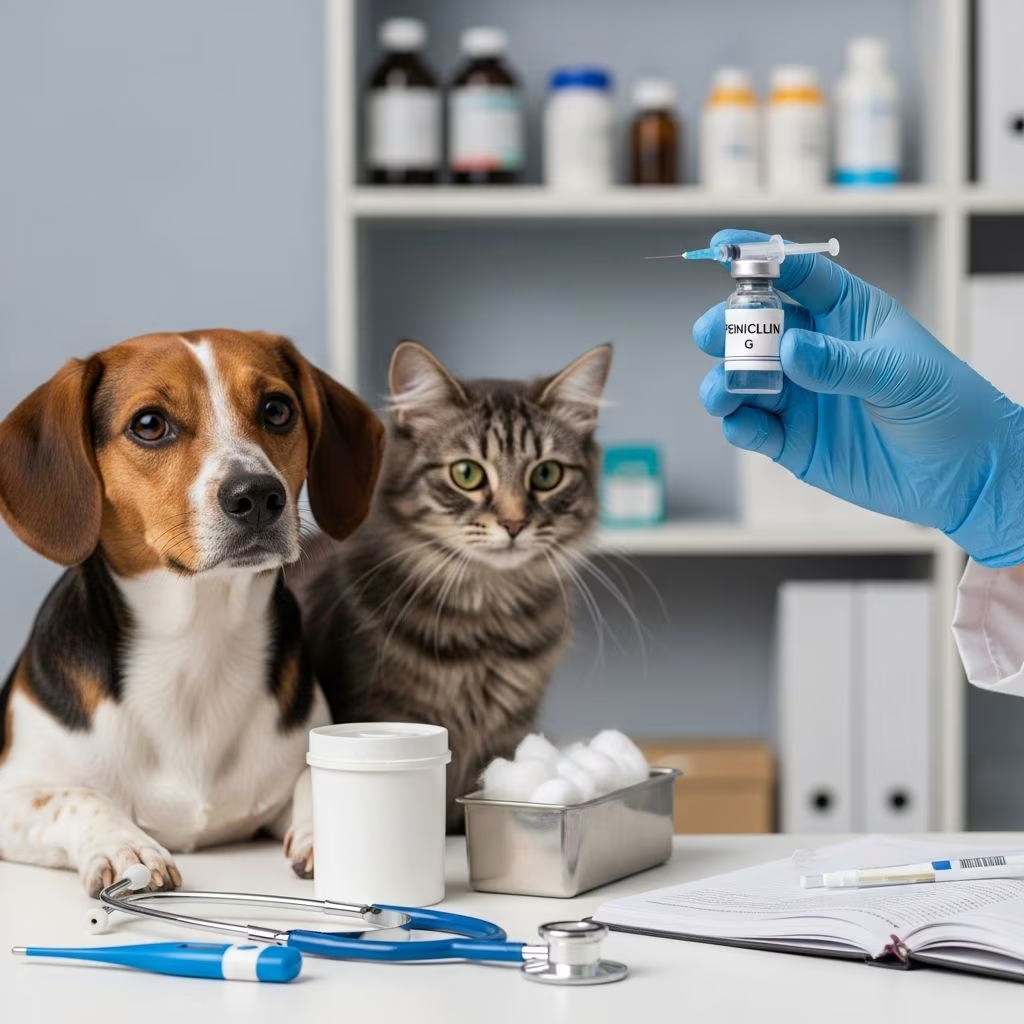
Understanding Penicillin G for Dogs and Cats
Penicillin G is a widely prescribed antibiotic medication used in veterinary medicine to treat bacterial infections in dogs and cats. As a beta-lactam antibiotic, it works by disrupting the bacterial cell wall, making it effective against a range of susceptible bacteria. Pet owners should understand how this medication works, when it’s appropriate for their animals, and what to expect during treatment to ensure their pets receive optimal care.
What is Penicillin G?
Penicillin G is a powerful broad-spectrum antibiotic that has been used in veterinary medicine for decades. Unlike penicillin V, which is the oral form often used in humans, penicillin G is typically administered through injection in veterinary practice. The injectable form allows for more reliable absorption and therapeutic levels in the bloodstream, making it particularly useful for treating serious or systemic bacterial infections in dogs and cats. Penicillin G comes in various formulations, including potassium penicillin G for intravenous administration and procaine penicillin G for intramuscular or subcutaneous injection.
Uses of Penicillin G for Dogs and Cats
Veterinarians prescribe penicillin G to treat or control infections caused by susceptible bacteria in companion animals. This antibiotic is particularly effective against gram-positive bacteria and some gram-negative organisms. Common conditions treated with penicillin G include:
– Wound infections and abscesses- Skin infections and pyoderma- Dental infections and tooth abscesses- Urinary tract infections and bladder infections- Respiratory infections- Bone and joint infections (osteomyelitis and arthritis)- Soft tissue infections- Septicemia and blood infections
It’s important to note that penicillin G is not effective against infections caused by viruses or parasites, such as intestinal worms. Additionally, some bacteria have developed resistance to penicillin, so your veterinarian may recommend sensitivity testing to ensure the medication will be effective for your pet’s specific infection.
Dosing Information for Penicillin G
Proper dosing of penicillin G is critical for successful treatment and preventing antibiotic resistance. The dosage depends on several factors, including your pet’s weight, the severity of the infection, the specific bacteria involved, and the route of administration.
Standard Dosing Guidelines
In dogs and cats, the typical dose of penicillin G ranges from 10,000 to 25,000 units per pound of body weight (20,000 to 50,000 units/kg) administered two to six times daily. For dogs receiving penicillin G benzathine and penicillin G procaine injections, the standard dose is approximately 1 milliliter per 10 to 25 pounds of body weight administered intramuscularly or subcutaneously, with repeat dosage in 48 hours.
Duration of Treatment
The length of penicillin G treatment depends on the condition being treated, your pet’s response to the medication, and the development of any adverse effects. It is crucial to complete the entire prescription as directed by your veterinarian, even if your pet appears to feel better. Discontinuing treatment prematurely can lead to relapse of the infection or contribute to the development of antibiotic resistance, making future infections more difficult to treat.
Administration Routes
Penicillin G can be administered through different routes depending on the formulation and clinical situation. Injectable forms are most common in veterinary practice because they provide reliable therapeutic levels. Your veterinarian will determine the most appropriate route for your pet’s specific condition and needs.
How Penicillin G Works
Penicillin G functions as a bactericidal antibiotic, meaning it actively kills bacteria rather than merely inhibiting their growth. It works by inhibiting bacterial cell wall synthesis, which leads to cell wall rupture and bacterial death. This mechanism makes it particularly effective for actively dividing bacteria, which is why maintaining consistent therapeutic levels throughout the treatment period is essential for optimal effectiveness.
Potential Side Effects of Penicillin G
While penicillin G is generally considered safe for dogs and cats, some pets may experience side effects. Understanding these potential reactions helps you monitor your pet during treatment and report any concerns to your veterinarian.
Common Side Effects
– Gastrointestinal upset, including vomiting and diarrhea- Loss of appetite- Mild allergic reactions- Pain or irritation at the injection site- Fever or lethargy in some cases
Serious Allergic Reactions
Although uncommon, serious allergic reactions can occur in pets with penicillin sensitivity. Signs of anaphylaxis include severe difficulty breathing, collapse, tremors, or swelling of the face and throat. If you notice any of these signs during or after penicillin G administration, contact your veterinarian immediately or seek emergency veterinary care.
Important Drug Interactions
Before administering penicillin G to your pet, inform your veterinarian of all other medications your pet is currently taking. Certain medications can interact with penicillin G, potentially reducing its effectiveness or causing adverse effects. Notable interactions include:
– Probenecid, which can increase penicillin levels- Methotrexate, which may have increased toxicity when combined with penicillin- Oral anticoagulants, which may have altered effects- Certain other antibiotics that may have reduced efficacy
Contraindications and Precautions
Penicillin G should not be used in pets with known penicillin allergy or hypersensitivity to beta-lactam antibiotics. Additionally, caution should be exercised in pets with kidney disease, as the kidneys are responsible for eliminating penicillin from the body. Your veterinarian will adjust dosing or choose an alternative antibiotic if your pet has renal impairment. Pregnant and nursing animals should only receive penicillin G when the benefits outweigh potential risks, as determined by your veterinarian.
Storage and Handling
Injectable penicillin G formulations must be stored according to manufacturer guidelines, typically at room temperature away from light and moisture. Some formulations may require refrigeration, so always check the label. Once mixed or prepared for injection, most penicillin G solutions should be used within a specific timeframe as directed by the manufacturer. Never use expired medication, as potency cannot be guaranteed.
Cost Considerations
The cost of penicillin G treatment varies depending on your pet’s weight, the specific formulation prescribed, the duration of treatment, and your veterinary clinic’s pricing. Injectable penicillin G is generally considered an economical antibiotic option compared to some newer alternatives, making it accessible for many pet owners. Discuss cost concerns with your veterinarian, as they may be able to provide generic options or treatment plans that fit your budget.
When to Contact Your Veterinarian
Contact your veterinarian if you notice any of the following during your pet’s penicillin G treatment:
– Persistent vomiting or diarrhea- Lack of improvement in symptoms after 48 to 72 hours- Signs of allergic reaction- Lethargy or unusual behavior- Loss of appetite lasting more than one feeding- Swelling or severe pain at injection sites- Any other concerning symptoms
Frequently Asked Questions About Penicillin G
Q: Can penicillin G be given orally to dogs and cats?
A: Penicillin G is primarily used in injectable form for dogs and cats because oral absorption is unreliable. Penicillin V is the oral form available, but it is not commonly used in pets because it requires frequent dosing on an empty stomach. Your veterinarian will determine the best formulation for your pet’s needs.
Q: How quickly does penicillin G work?
A: Most pets show noticeable improvement within 24 to 48 hours of starting penicillin G treatment. If no improvement is observed within this timeframe, contact your veterinarian to re-evaluate the diagnosis and treatment plan.
Q: Is penicillin G safe for all dogs and cats?
A: Penicillin G is safe for most dogs and cats, but should be avoided in those with known penicillin allergy. Special caution is needed in pets with kidney disease. Always inform your veterinarian of your pet’s complete medical history.
Q: What should I do if I miss a dose?
A: If you miss a scheduled dose of penicillin G, administer it as soon as you remember unless it’s almost time for the next dose. Never double-dose to make up for a missed dose. Contact your veterinarian for specific guidance based on your pet’s treatment schedule.
Q: Can penicillin G be used to prevent infection?
A: While penicillin G is primarily used therapeutically to treat established infections, your veterinarian may recommend it prophylactically in specific situations, such as before surgical procedures. Always follow your veterinarian’s recommendations.
Q: What is the difference between penicillin G and penicillin V?
A: Penicillin G is the injectable form used in veterinary medicine for systemic infections, while penicillin V is the oral form. Penicillin G provides better bioavailability and is more commonly used in companion animal practice.
Q: How long can penicillin G treatment continue?
A: Treatment duration depends on the condition being treated and your pet’s response. Typically, treatment ranges from 5 to 14 days, but your veterinarian will determine the appropriate length for your pet’s specific infection.
Q: Can penicillin G be used for viral infections?
A: No, penicillin G is not effective against viral infections. Antibiotics only work against bacterial infections. Your veterinarian will recommend appropriate treatment if your pet has a viral illness.
Conclusion
Penicillin G remains an important and effective antibiotic for treating bacterial infections in dogs and cats. Understanding proper dosing, potential side effects, and the importance of completing the full course of treatment helps ensure the best outcomes for your pet. Always work closely with your veterinarian when penicillin G is prescribed, and report any concerns or unusual symptoms during treatment. By following your veterinarian’s instructions carefully and maintaining open communication about your pet’s response to therapy, you can help your furry companion recover from bacterial infections and return to good health.
References
- Penicillin G for Dogs and Cats — PetPlace.com. 2025. https://www.petplace.com/article/drug-library/drug-library/library/penicillin-g-for-dogs-and-cats
- 21 CFR § 522.1696a – Penicillin G benzathine and penicillin G procaine — Cornell Law School Legal Information Institute. https://www.law.cornell.edu/cfr/text/21/522.1696a
- Using Injectable Penicillin G Procaine — Minnesota Department of Agriculture. https://www.mda.state.mn.us/sites/default/files/inline-files/Injectable-Penicillin-G-Procaine-2.21.pdf
- Penicillin G Procaine Injectable Suspension USP — DailyMed (National Library of Medicine). 2025. https://dailymed.nlm.nih.gov/dailymed/fda/fdaDrugXsl.cfm?setid=4049a09f-422f-4220-99ef-8dd6b846945b
- Penicillin for Dogs and Cats: Medication Guide — PetMD. 2025. https://www.petmd.com/pet-medication/penicillin-dogs-and-cats
- Dosages of Penicillins — Merck Veterinary Manual. 2025. https://www.merckvetmanual.com/multimedia/table/dosages-of-penicillins



