
Pendulous Crop In Poultry: Prevention, Care, And Treatment
Understanding the causes, symptoms, and management strategies for pendulous crop in chickens and turkeys to safeguard flock health.
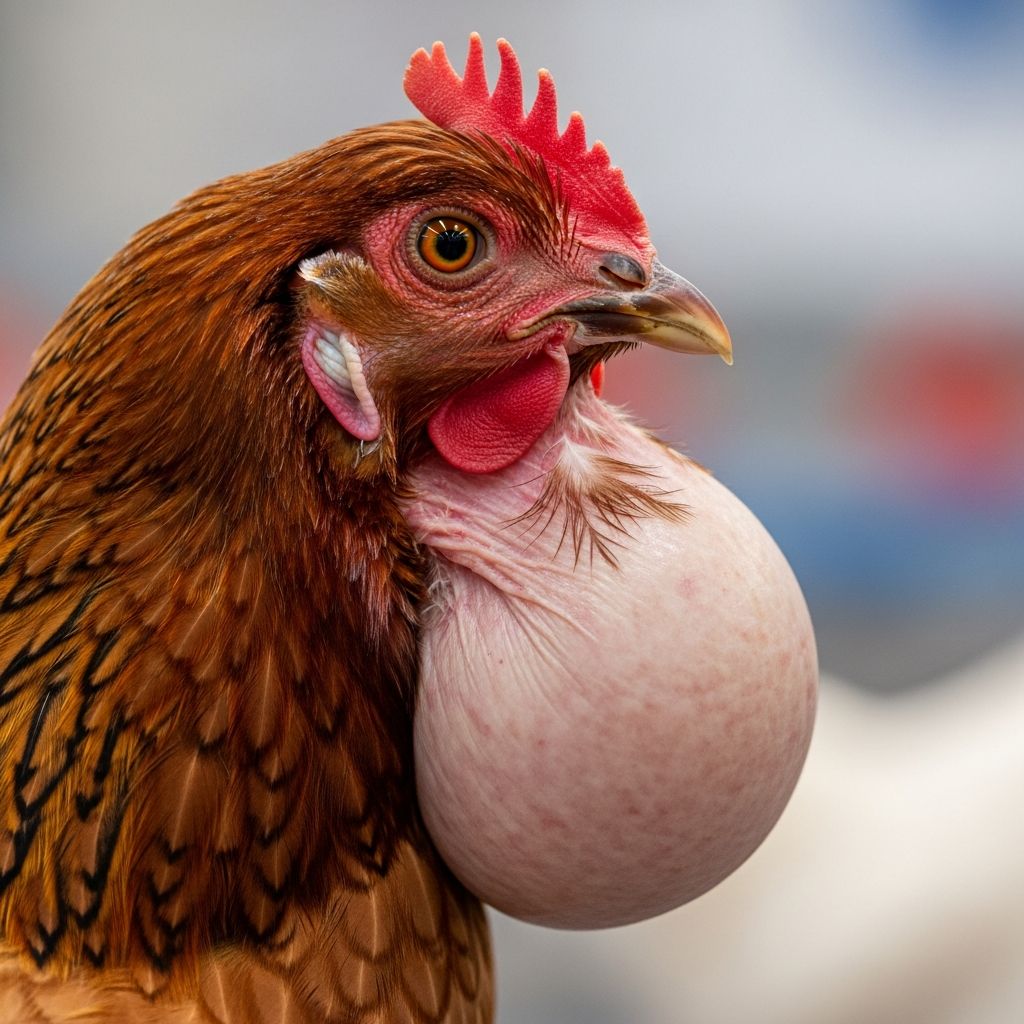
The crop serves as a vital storage pouch in the digestive system of birds like chickens and turkeys, temporarily holding ingested food and water before it moves to the stomach. When this organ becomes permanently stretched and fails to contract properly, it results in pendulous crop, a condition that disrupts normal digestion and can severely impact bird health. This article delves into the nature of pendulous crop, its recognition, underlying factors, and practical approaches to mitigate its effects in poultry flocks.
Recognizing the Anatomy of the Poultry Crop
In healthy poultry, the crop is located at the base of the neck and functions efficiently. After feeding, it expands to accommodate food, feeling firm yet pliable upon palpation. Overnight, it empties completely, becoming undetectable when empty. This rhythmic filling and emptying is essential for proper nutrient absorption downstream in the gizzard and intestines.
Key characteristics of a normal crop include:
- Empty in the morning, non-palpable.
- Firm and swollen post-meal, reducing by next morning.
- Contents pass smoothly without residue buildup.
Disruptions to this process signal potential issues, with pendulous crop representing a chronic failure where the crop sags like a water balloon, retaining semi-liquid contents that ferment and produce foul odors.
Clinical Signs and Symptoms
Birds with pendulous crop exhibit visible and tactile abnormalities. The most prominent sign is a markedly enlarged, pendulous mass hanging low on the chest, often soft and squishy to the touch. Unlike temporary fullness, this persists beyond 12-24 hours, even after fasting.
| Normal Crop | Pendulous Crop |
|---|---|
| Firm after eating, empties overnight | Soft, distended, does not empty |
| Non-palpable when empty | Saggy, water balloon-like feel |
| No odor or weight loss | Foul smell, emaciation |
Additional symptoms encompass:
- Progressive weight loss despite continued eating.
- Reduced appetite over time.
- Foul-smelling breath from fermented crop contents.
- Lethargy and dehydration, evident in sunken eyes.
- Secondary infections like yeast overgrowth (sour crop).
In laying hens and pullets, incidence may appear sporadically, but turkeys show higher susceptibility. Affected birds often become emaciated as nutrients fail to reach the intestines properly.
Primary Causes and Risk Factors
The precise etiology remains multifactorial, involving management lapses, dietary imbalances, and health complications. Overstretching of crop muscles from repeated distension is central, leading to permanent loss of tone.
Management-Related Triggers
Poor feeding practices promote binge eating, where birds gorge after periods of restriction. Examples include:
- Uneven feed distribution or equipment malfunctions causing hunger cycles.
- Prolonged empty feeder periods, prompting rapid overconsumption.
- Excessive water intake in hot brooding environments for young chicks.
In free-range setups, sudden access to long grasses exacerbates stretching.
Nutritional Contributors
Diets high in coarse, fibrous materials hinder proper grinding and passage. Pelleted feeds weaken gizzard development, impairing feed flow regulation. Fine feeds encourage litter ingestion, further distending the crop.
Health and Genetic Influences
Diseases damage innervation or crop lining:
- Marek’s disease affecting vagus nerve function.
- Parasites like Trichomoniasis, Capillaria worms, causing inflammation or blockages.
- Fungal infections (Candidiasis) from poor water quality or antibiotics.
Genetics and advanced age predispose certain lines, suggesting heritability; affected birds should not breed.
Diagnosis in Practice
Diagnosis relies on clinical examination and history. Palpate the crop morning and evening:
- Persistent softness and size indicate pendulous state.
- Express contents if possible; foul, semi-liquid material confirms fermentation.
- Rule out impaction (hard feel) or sour crop (yeasty odor).
Post-mortem reveals distended crop with possible ulcerations, mycosis, or thin walls. Necropsy distinguishes from other issues like tumors.
Management and Treatment Approaches
No curative treatment exists once muscles are irreversibly damaged. Focus shifts to supportive care and monitoring.
- Crop Bra:** A supportive bandage applies gentle pressure, aiding emptying. Must be continuous; removal reverts the condition.
- Monitor weight, intake, droppings; intervene if dehydration sets in.
- Separate affected birds to prevent pecking.
- Euthanasia may be humane for severe cases with suffering.
Antibiotics or antifungals address secondary infections, but core issue persists.
Prevention Strategies for Flock Health
Proactive measures target root causes:
Feeding Protocols:
- Consistent access to balanced crumble or mash feeds; limit pellets.
- Avoid feed restriction; ensure even distribution.
- Gradual pasture introduction.
Environmental Controls:
- Optimal brooding temperatures to curb excess drinking.
- Clean water sources to prevent fungal growth.
- Regular health checks for parasites and viruses.
Select breeding stock without history; cull pendulous individuals.
Impact on Poultry Production
In commercial settings, pendulous crop reduces productivity. Layers drop egg output; broilers gain poorly. Early detection preserves flock viability. Research underscores management tweaks’ role in incidence reduction.
FAQs
Q: Can pendulous crop resolve spontaneously?
A: Rarely; muscle damage is typically permanent, requiring ongoing support.
Q: How do I differentiate pendulous from impacted crop?
A: Impactions feel hard; pendulous is soft and floppy.
Q: Is pendulous crop contagious?
A: No, but shares risk factors like poor nutrition across flocks.
Q: Should I breed birds with pendulous crop?
A: No, due to genetic links.
Q: What feeds minimize risk?
A: Mash with moderate fiber; avoid excessive pellets or forage initially.
Conclusion
Pendulous crop poses significant welfare and production challenges, but vigilance in management averts most cases. By prioritizing consistent nutrition and health monitoring, poultry keepers foster resilient flocks. (Word count: 1678)
References
- Pendulous Crop | The Poultry Site — The Poultry Site. Accessed 2026. https://www.thepoultrysite.com/disease-guide/pendulous-crop
- Pendulous Crop in laying hens — Hendrix Genetics. 2024-05-07. https://layinghens.hendrix-genetics.com/en/articles/pendulous-crop-in-laying-hens/
- Pendulous Crop | British Hen Welfare Trust — BHWT. Accessed 2026. https://www.bhwt.org.uk/hen-health/health-problems/pendulous-crop/
- Pendulous Crop in Backyard Chickens — The Chicken Chick. Accessed 2026. https://the-chicken-chick.com/pendulous-crop-in-backyard-chickens/
- Common Crop Issues in Backyard Chickens (EBR-60) — University of Maryland Extension. Accessed 2026. https://extension.umd.edu/resource/common-crop-issues-backyard-chickens-ebr-60
Similar Articles








Read full bio of Sneha Tete


