

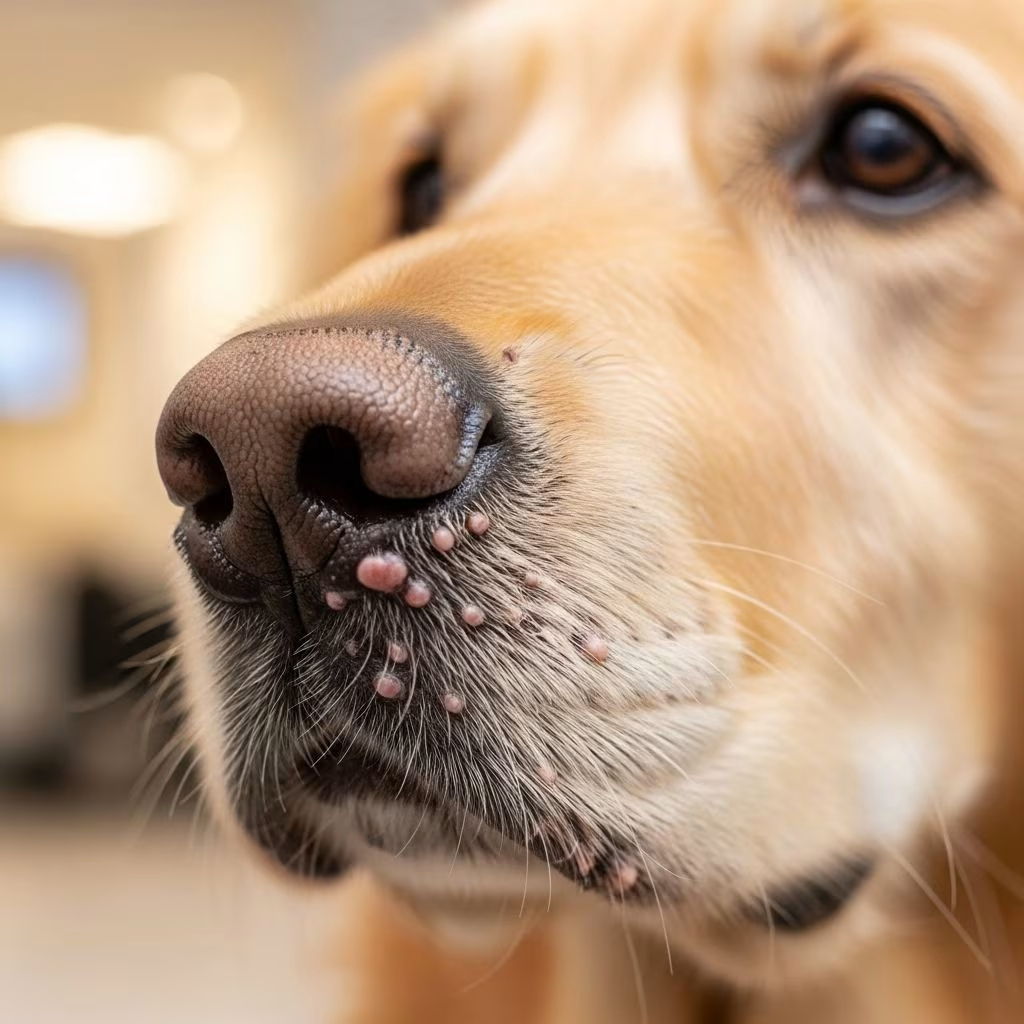
Understanding Pemphigus in Dogs
Pemphigus is a serious autoimmune skin disease that affects dogs of all breeds and ages. This condition occurs when a dog’s immune system mistakenly attacks the cells in the upper layer of the skin, causing inflammation, blistering, and ulceration. Understanding pemphigus is crucial for dog owners, as early recognition and treatment can significantly improve a dog’s quality of life and prognosis. The disease can vary in severity and presentation, ranging from mild localized lesions to severe widespread skin involvement.
What is Pemphigus?
Pemphigus is an autoimmune disorder in which the dog’s immune system produces antibodies against proteins in the skin cells. These antibodies cause cells in the epidermis (the outer layer of skin) to separate from each other, a process called acantholysis. This separation leads to the formation of blisters and pustules on the skin surface. Unlike other skin conditions caused by external factors such as parasites or fungi, pemphigus originates from within the immune system itself.
The condition is not contagious and cannot be transmitted from one dog to another. Pemphigus is also not related to breed predisposition, though any dog can develop this disease. The exact cause of pemphigus remains unknown, though some cases may be triggered by medications, sunlight exposure, or other environmental factors.
Types of Pemphigus
There are several types of pemphigus that can affect dogs, each with slightly different presentations and treatment responses:
Pemphigus Foliaceus
Pemphigus foliaceus (PF) is the most common form of pemphigus in dogs. This type primarily affects the superficial layers of the skin, resulting in crusting, scaling, and pustule formation. Lesions typically appear on the face, ears, and footpads, though they can spread to other areas of the body. Pemphigus foliaceus generally has a better prognosis compared to other forms, with many dogs responding favorably to treatment, though response varies among individuals.
Pemphigus Erythematosus
This form is less common and typically presents with milder symptoms than pemphigus foliaceus. Lesions are usually confined to the face and ears and may be triggered or worsened by sun exposure. Dogs with pemphigus erythematosus often show redness, scaling, and crusting in affected areas.
Pemphigus Vulgaris
Pemphigus vulgaris is a more severe form that affects deeper layers of the skin. This type can result in painful oral ulcers and erosions affecting the mucous membranes. It generally carries a more guarded prognosis and requires aggressive treatment.
Symptoms and Clinical Signs
Recognizing the symptoms of pemphigus is essential for prompt veterinary care. The clinical presentation of pemphigus can vary depending on the type and severity of the disease:
Skin Manifestations
Dogs with pemphigus typically develop pustules (small, pus-filled bumps), crusts, and erosions on their skin. These lesions may start as small blisters that quickly rupture, leaving behind scabs and open sores. The affected areas often appear inflamed and red. In pemphigus foliaceus, lesions commonly appear on the face, nose, ears, footpads, and pressure points such as elbows and hocks. Some dogs may experience hair loss in affected areas.
Systemic Symptoms
Beyond skin manifestations, affected dogs may display discomfort, itching, or pain at lesion sites. Some dogs may exhibit lethargy or reduced appetite, particularly if the condition involves oral ulcers. Secondary bacterial infections can develop at lesion sites, potentially worsening the dog’s condition and causing additional discomfort.
Progression Patterns
The progression of pemphigus varies among individual dogs. Some dogs may experience rapid development of extensive skin involvement, while others show a more gradual progression. Without treatment, the disease typically continues to worsen, affecting larger areas of the skin and potentially impacting the dog’s overall health and well-being.
Diagnosis of Pemphigus
Accurate diagnosis of pemphigus requires a thorough veterinary evaluation. Your veterinarian will use several diagnostic tools to confirm the presence of pemphigus and rule out other skin conditions:
Physical Examination
The veterinarian will perform a comprehensive physical examination, paying particular attention to the skin and looking for the characteristic lesions of pemphigus. They will document the location, distribution, and appearance of all skin abnormalities.
Cytology
Cytology involves collecting cells from the lesions by swabbing or using adhesive tape. These cells are then examined under a microscope to identify characteristic findings such as acantholytic cells (cells that have separated from adjacent cells). This simple and non-invasive test can provide valuable diagnostic information.
Skin Biopsy
A skin biopsy is often the most definitive diagnostic tool for pemphigus. During this procedure, small samples of affected skin are collected and sent to a laboratory for histopathological examination. A pathologist will examine the tissue samples under a microscope to confirm the diagnosis and identify the specific type of pemphigus present. The biopsy sample is crucial for distinguishing pemphigus from other autoimmune skin conditions.
Immunofluorescence Testing
In some cases, immunofluorescence testing may be recommended. This specialized test identifies antibodies within the skin tissues, providing additional confirmation of the pemphigus diagnosis.
Treatment Approaches for Pemphigus
Since pemphigus is an autoimmune disease, treatment focuses on suppressing the immune system to halt the abnormal antibody production and prevent further skin damage. Various treatment options are available, and the choice depends on the disease severity and individual response:
Corticosteroids
Corticosteroids are the most commonly used initial treatment for pemphigus. Prednisone or prednisolone are typically prescribed as oral medications, usually starting at higher doses to rapidly suppress the immune response and achieve remission. Once the disease is under control, the dose is gradually reduced to the lowest effective level to minimize long-term side effects while maintaining remission. Injectable corticosteroids such as dexamethasone may be used at the beginning of treatment for rapid effect.
For localized lesions, topical corticosteroids like triamcinolone can be applied directly to affected areas. Once control is achieved, treatment may be switched to milder topical corticosteroids such as hydrocortisone to reduce side effects.
Immunosuppressant Medications
When corticosteroids alone are insufficient to control the disease, additional immunosuppressant medications may be added. Azathioprine is one of the most commonly used adjuvant medications for dogs with pemphigus that don’t respond adequately to steroids alone. Cyclosporine and chlorambucil are alternative immunosuppressants that may be used depending on individual response and tolerance.
Antibiotic Therapy
Secondary bacterial infections commonly develop at lesion sites in dogs with pemphigus. If infection is suspected or confirmed through culture, oral antibiotics such as cephalexin or cefpodoxime are typically prescribed. Antibiotic selection may be tailored based on culture and sensitivity results for maximum effectiveness.
Treatment Strategy
The typical treatment approach follows a “hit hard, then back off” strategy. This means starting with higher doses of medication to rapidly achieve remission, then gradually reducing the dose to find the minimum effective level. This approach helps control the disease while minimizing medication side effects and complications.
| Medication Type | Common Examples | Primary Use | Dosage Consideration |
|---|---|---|---|
| Corticosteroids | Prednisone, Prednisolone, Dexamethasone | First-line treatment | Started at 2-4 mg/kg daily, then tapered |
| Immunosuppressants | Azathioprine, Cyclosporine, Chlorambucil | Adjuvant therapy when steroids insufficient | Dose varies by medication and response |
| Topical Corticosteroids | Triamcinolone, Hydrocortisone | Localized lesions | Applied directly to affected areas |
| Antibiotics | Cephalexin, Cefpodoxime | Secondary infections | Based on bacterial culture results |
Recovery and Long-Term Management
Recovery from pemphigus requires patience and consistent medical management. While remission is achievable, complete curing of the disease is rare. Most dogs require long-term, sometimes lifelong therapy to maintain remission and prevent recurrence of clinical signs.
Treatment Response Timeline
Many dogs with less severe pemphigus show improvement within two to six weeks of starting treatment. However, individual response varies significantly. Some dogs achieve rapid control of clinical signs and can eventually be weaned off medication completely, while others require continuous therapy to maintain remission.
Prognosis
Pemphigus foliaceus, being the most common form, generally carries a relatively good prognosis. However, individual response to treatment can vary considerably. Some dogs respond well to treatment but require lifelong therapy, while others may be resistant to standard treatment protocols, resulting in a more guarded prognosis. The severity of initial presentation and individual immune response significantly influence long-term outcomes.
Monitoring and Rechecks
Dogs receiving treatment for pemphigus require frequent veterinary rechecks to monitor disease control and assess for medication side effects. Regular monitoring ensures that the current treatment protocol is effective and allows for adjustments if needed. Blood work may be performed periodically to check for complications from long-term immunosuppressive therapy.
Managing Medication Side Effects
Long-term corticosteroid and immunosuppressant use can result in side effects. Common corticosteroid side effects include increased thirst and urination, increased appetite, and weight gain. Regular monitoring helps identify and manage these effects early. Working closely with your veterinarian to find the lowest effective medication dose minimizes potential complications.
Frequently Asked Questions
Q: Is pemphigus contagious to other dogs or humans?
A: No, pemphigus is not contagious. It is an autoimmune disease that develops within an individual dog’s immune system and cannot be transmitted to other dogs or people.
Q: Can pemphigus be cured completely?
A: Pemphigus can be put into remission, but it is usually not cured. Many dogs require lifelong medical management to keep the disease in remission and prevent recurrence of signs.
Q: How long does it take to see improvement with treatment?
A: Most dogs with less severe pemphigus show improvement within two to six weeks of starting treatment. However, individual response varies, and some dogs may take longer to respond.
Q: What happens if my dog doesn’t respond to corticosteroids alone?
A: If steroids are not effective, an immunosuppressant medication such as azathioprine, cyclosporine, or chlorambucil is typically added to the treatment protocol.
Q: Are there any breeds predisposed to pemphigus?
A: Pemphigus can affect dogs of any breed and age. There is no known breed predisposition for developing pemphigus.
Q: What should I do if my dog develops a skin infection while being treated for pemphigus?
A: Contact your veterinarian immediately. Secondary bacterial infections are common with pemphigus and require treatment with antibiotics. Your veterinarian may perform a culture to identify the specific bacteria and select the most appropriate antibiotic.
Q: Can I stop my dog’s medication once remission is achieved?
A: Some dogs can eventually be weaned off medication completely after achieving stable remission. However, many dogs require ongoing therapy. Your veterinarian will determine the appropriate medication schedule for your individual dog based on response to treatment.
Q: Will my dog need to see a dermatologist?
A: While general veterinarians can diagnose and treat pemphigus, referral to a board-certified veterinary dermatologist may be recommended for complex cases or if your dog is not responding to standard treatment protocols.
References
- Pemphigus in Dogs — VCA Animal Hospitals. 2025. https://vcahospitals.com/know-your-pet/pemphigus-in-dogs
- Pemphigus in Dogs — PetMD. 2025. https://www.petmd.com/dog/conditions/skin/pemphigus-dogs
- Review of Pemphigus Foliaceus in Dogs and Cats — Today’s Veterinary Practice. 2025. https://todaysveterinarypractice.com/dermatology/review-of-pemphigus-foliaceus-in-dogs-and-cats/
- Pemphigus Foliaceus in Dogs and Cats — Laboklin. 2025. https://laboklin.com/en/pemphigus-foliaceus-in-dogs-and-cats/
- Autoimmune Skin Disease (Pemphigus) in Dogs — Vetster. 2025. https://vetster.com/en/conditions/dog/autoimmune-skin-disease-pemphigus
- Canine and Feline Pemphigus Foliaceus: Improving Your Chances Successful Outcome — DVM 360. 2025. https://www.dvm360.com/view/canine-and-feline-pemphigus-foliaceus-improving-your-chances-successful-outcome
- Pemphigus Foliaceous — National Center for Biotechnology Information. 2019. https://pmc.ncbi.nlm.nih.gov/articles/PMC6380263/



