

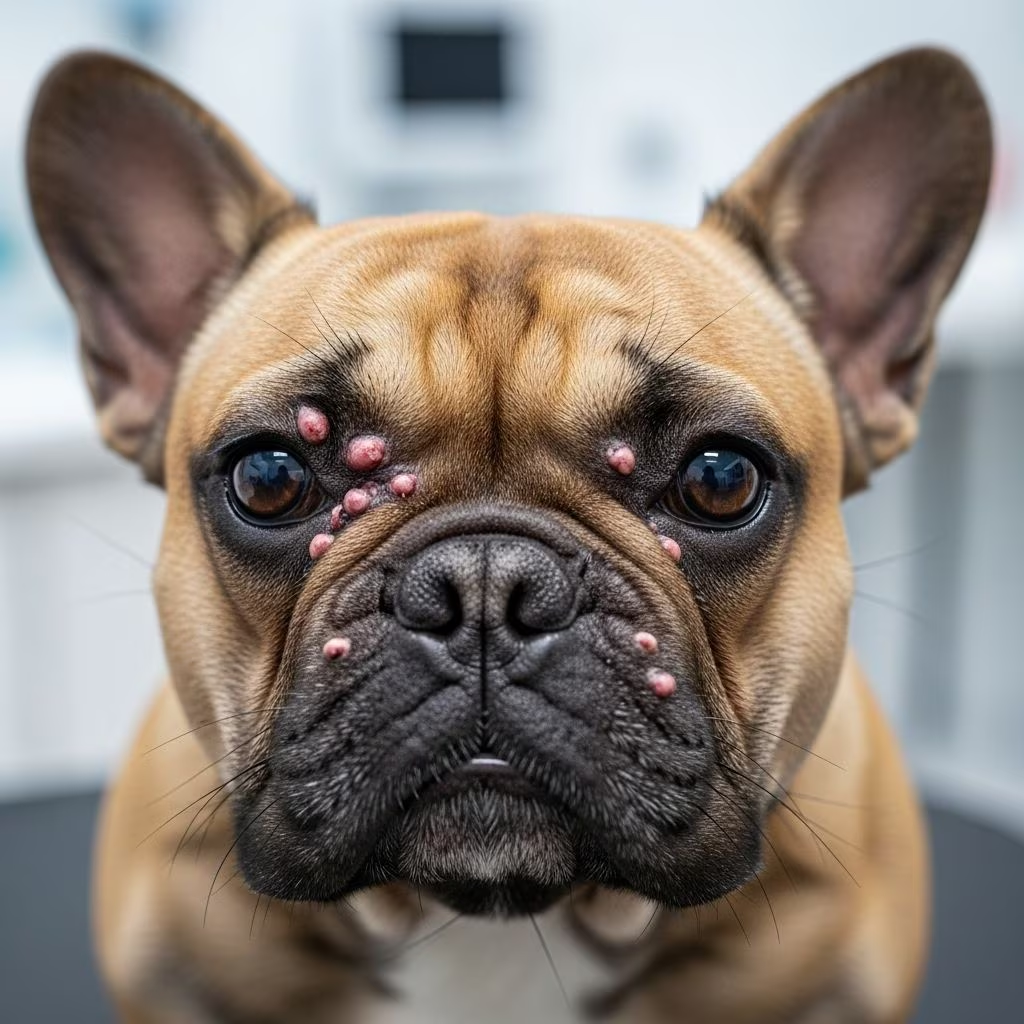
Understanding Pemphigus in Dogs
Pemphigus is an autoimmune disease that affects dogs, causing significant disruption to the connections between skin cells. This condition represents one of the most common autoimmune skin disorders in canines and requires proper veterinary attention and long-term management. When a dog develops pemphigus, the immune system mistakenly attacks the dog’s own skin cells, leading to the formation of blisters, pustules, and erosions on various parts of the body. Understanding this condition is essential for dog owners to recognize symptoms early and seek appropriate veterinary care.
What Causes Pemphigus?
Pemphigus in dogs can develop through three distinct pathways: endogenous causes, exogenous causes, and idiopathic origins. Each type involves different triggering mechanisms and underlying factors that pet owners and veterinarians should recognize.
Endogenous Causes
Endogenous causes of pemphigus originate from internal factors within the dog itself. These causes may include breed predisposition or genetic factors that make certain dogs more susceptible to developing the condition. Some dogs have inherent defects in their immune function, making their immune systems more likely to attack normal, healthy cells. Additionally, pemphigus may be triggered by underlying medical conditions such as chronic skin allergies or even cancer. When a dog has a pre-existing condition that affects the immune system’s regulation, pemphigus becomes more likely to develop.
Exogenous Causes
Exogenous factors come from external sources outside the dog’s body and can trigger an overactive immune response. These external triggers include:
- Viral infections that stress the immune system
- Ultraviolet (UV) light exposure from sun exposure
- Adverse drug reactions that can cause either temporary allergic reactions or lasting immune system changes
- Environmental irritants and inflammatory triggers
Drug reactions represent a particularly important exogenous cause, as they can manifest in two ways: as a short-term allergic reaction that resolves once the medication is discontinued, or as a lasting change to the immune system of predisposed patients.
Idiopathic Cases
In most cases of pemphigus in dogs, the cause remains unknown and is classified as idiopathic. These spontaneous cases develop without an identifiable trigger, representing the majority of pemphigus diagnoses in veterinary practice. Despite extensive investigation, veterinarians cannot determine why these dogs’ immune systems began attacking their own skin cells.
Clinical Signs and Symptoms
Dogs with pemphigus display characteristic clinical signs that typically appear on the face, muzzle, ears, feet, and other areas of the body. Pet owners should be aware of these symptoms to facilitate early detection and treatment. Common manifestations include:
- Large pustules (pus-filled bumps) on the face, muzzle, ears, and feet
- Ulcers and erosions on the nose and lips
- Crusting and scaling of the skin
- Hair loss in affected areas
- Blistering that ruptures and forms open sores
- Lesions that may become secondarily infected with bacteria
- Discomfort and potential pain when lesions are present
These symptoms can appear suddenly and may spread to different areas of the body over time. The severity and distribution of symptoms can vary significantly between individual dogs.
Diagnosis of Pemphigus
Veterinarians use multiple diagnostic approaches to confirm pemphigus in dogs. The diagnostic process typically includes a thorough physical examination focusing on affected skin areas. Skin biopsies are often necessary, involving the removal of small tissue samples that are examined under a microscope. Histopathological examination reveals characteristic features of pemphigus, including acantholysis (loss of connections between skin cells) and subcorneal pustule formation. Direct immunofluorescence testing can identify autoantibodies in skin samples, providing additional confirmation of the autoimmune nature of the disease. A complete medical history helps veterinarians identify potential triggering factors, including recent medication changes or environmental exposures.
Treatment Approaches for Pemphigus
Since pemphigus is an autoimmune disease, treatment requires suppression of the immune system to prevent further attack on the skin cells. There is no one-size-fits-all treatment approach, and therapy must be tailored to each individual dog based on disease severity, response to treatment, and overall health status.
Corticosteroid Therapy
Corticosteroids, such as prednisone or prednisolone, represent the primary treatment option for pemphigus. These medications work by suppressing the overactive immune response and controlling the signs and symptoms of the disease. Injectable corticosteroids like dexamethasone may be administered at the beginning of treatment to achieve rapid control of symptoms. The dosing strategy typically involves starting with higher doses to induce remission, then gradually tapering to the lowest effective dose that maintains disease control while minimizing side effects.
Additional Immunosuppressive Medications
When corticosteroids alone prove insufficient or when side effects become problematic, veterinarians may add non-corticosteroid immunosuppressants to the treatment regimen. Common additional medications include:
- Azathioprine: An immunosuppressant that can be used alongside corticosteroids to achieve better disease control
- Cyclosporine: An alternative immunosuppressant that may be combined with corticosteroids for optimal results
- Chlorambucil: Another immunosuppressive option available for treatment
Research indicates that combination therapy can be more effective than monotherapy in many cases. For example, studies show that 42% of dogs treated with a combination of prednisolone and azathioprine achieved remission compared to 38% receiving prednisolone alone.
Antibiotic Treatment
If secondary bacterial infections develop on the pustules and ulcers, antibiotics may be prescribed to address these infections and prevent further complications. The choice of antibiotic depends on the specific bacteria involved and sensitivity testing results.
Topical Therapy
Topical preparations containing tacrolimus or glucocorticoids, such as hydrocortisone aceponate, can complement systemic therapy and are sometimes used as monotherapy for localized lesions. These topical treatments help reduce inflammation directly at affected skin sites.
Treatment Duration and Prognosis
Pemphigus in dogs typically requires extended therapy that may be lifelong in many cases. However, the goal of treatment is to achieve remission with the lowest effective dose possible to minimize long-term medication side effects. Most dogs with pemphigus will require continuous medication, though some fortunate patients may experience prolonged periods of remission after treatment withdrawal.
The duration of remission varies considerably among individual dogs. Some dogs experience remission lasting 4 to 7 weeks, while others may have remission periods extending 7 to 12 months depending on the treatment protocol used. With appropriate treatment and management, most dogs achieve a good quality of life despite their diagnosis.
Factors Affecting Treatment Outcomes
Several factors influence how well individual dogs respond to pemphigus treatment. The severity of disease at diagnosis, the dog’s age and overall health status, and the presence of underlying conditions all play roles in treatment success. Additionally, dogs’ individual responses to immunosuppressive medications vary significantly. Some dogs achieve remission relatively quickly, while others require longer periods or higher doses to achieve disease control. Survival beyond 10 months is generally associated with positive long-term outcomes.
Managing Side Effects of Long-Term Treatment
Long-term immunosuppressive therapy, particularly with corticosteroids, can produce side effects that require monitoring and management. Common side effects include increased thirst and urination, increased appetite, and potential weight gain. To minimize these effects, veterinarians carefully balance medication efficacy with potential adverse reactions, gradually reducing doses as disease control is achieved.
In some cases, inadequate response to standard treatment or unacceptable side effects necessitate alternative approaches. Research indicates that approximately 13% of pemphigus cases may result in euthanasia, with reasons including no response to treatment (36% of euthanasia cases), unacceptable side effects (18%), or pemphigus-unrelated circumstances (46%).
Environmental Considerations
Environmental factors can influence pemphigus development and symptom severity. Sunlight exposure represents a potential trigger for pemphigus, and some dogs experience worsening of skin lesions during summer months with improvement during winter. Dog owners should consider limiting their pet’s sun exposure if photosensitivity appears to be a contributing factor to their individual dog’s condition.
Frequently Asked Questions About Pemphigus in Dogs
Q: Is pemphigus contagious to other dogs or humans?
A: No, pemphigus is not contagious. It is an autoimmune disease specific to individual dogs and cannot be transmitted to other animals or people.
Q: Can pemphigus in dogs be cured?
A: Pemphigus cannot be permanently cured but can be effectively managed with appropriate treatment. Most dogs require lifelong medication to maintain remission and quality of life.
Q: How long does it take for treatment to work?
A: Treatment response varies among individual dogs. Some dogs show improvement within days to weeks of starting therapy, while others may require several weeks or combination therapies to achieve adequate disease control.
Q: Are certain dog breeds more susceptible to pemphigus?
A: While pemphigus can affect dogs of any breed, certain breeds may have genetic predispositions to the condition, making them more likely to develop it.
Q: What should I do if I notice symptoms of pemphigus in my dog?
A: Contact your veterinarian immediately if you notice pustules, ulcers, or unusual skin lesions on your dog. Early diagnosis and treatment generally lead to better outcomes and quality of life.
References
- Pemphigus Foliaceus In Dogs: Causes, Symptoms And Treatment — Kingsdale Animal Hospital. 2025. https://www.kingsdale.com/pemphigus-foliaceus-in-dogs-causes-symptoms-and-treatment
- Pemphigus in Dogs — VCA Animal Hospitals. 2025. https://vcahospitals.com/know-your-pet/pemphigus-in-dogs
- Pemphigus Foliaceus in Dogs and Cats — Laboklin Laboratory. 2025. https://laboklin.com/en/pemphigus-foliaceus-in-dogs-and-cats/
- Pemphigus in Dogs — PetMD. 2025. https://www.petmd.com/dog/conditions/skin/pemphigus-dogs
- Review of Pemphigus Foliaceus in Dogs and Cats — Today’s Veterinary Practice. 2024. https://todaysveterinarypractice.com/dermatology/review-of-pemphigus-foliaceus-in-dogs-and-cats/
- Pemphigus foliaceous — PubMed Central. 2019. https://pmc.ncbi.nlm.nih.gov/articles/PMC6380263/



