
Pemphigus Foliaceus in Pets
Understanding the autoimmune skin disorder affecting dogs and cats: symptoms, diagnosis, and effective treatments for better pet health.
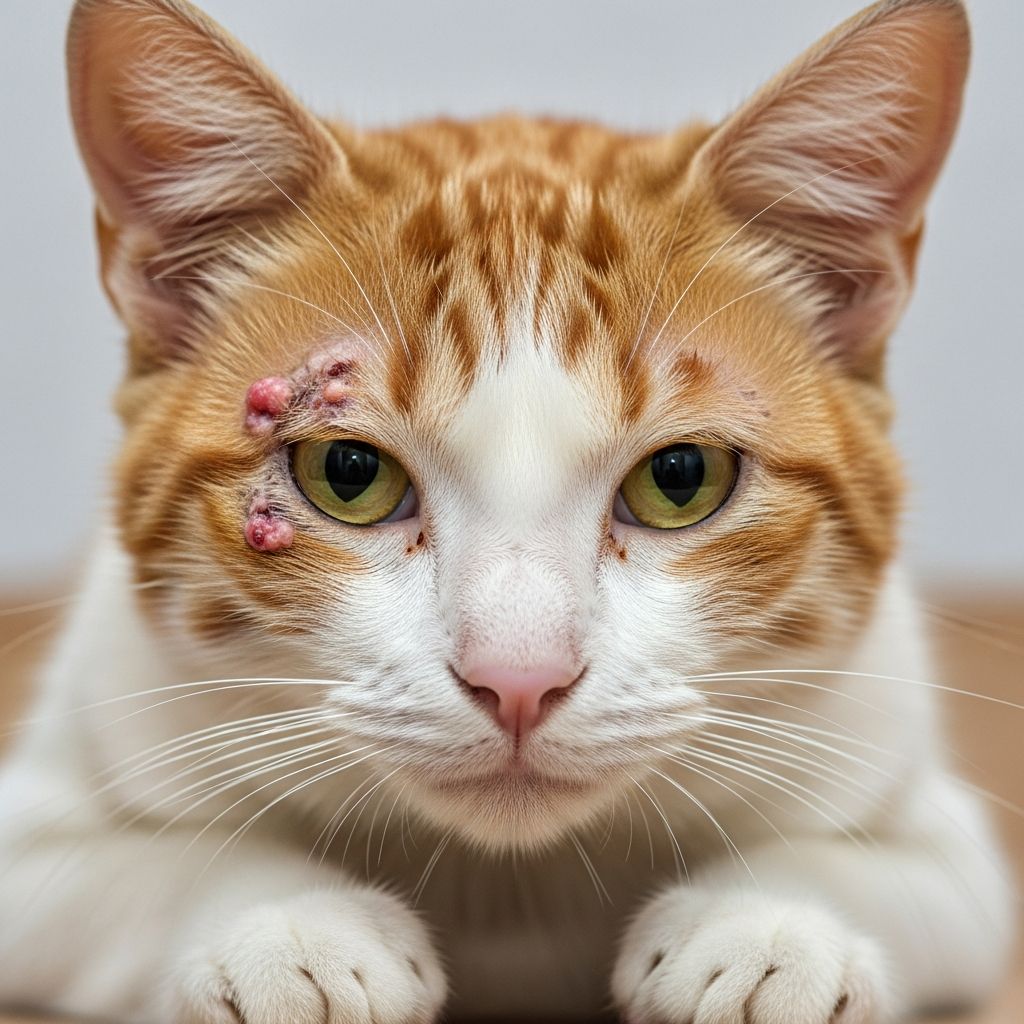
Pemphigus foliaceus represents the predominant autoimmune skin disorder observed in dogs and cats, characterized by the immune system erroneously targeting desmosomal proteins that anchor skin cells together. This leads to superficial blistering, erosions, and crust formation primarily in the outermost epidermal layer. Unlike deeper variants, it spares mucosal surfaces, distinguishing it from other pemphigus forms.
Pathophysiology of the Condition
The disease arises from autoantibodies directed against desmoglein 1, a key component of desmosomes in the superficial epidermis. This attack disrupts cell adhesion, resulting in acantholysis—separation of keratinocytes—and formation of fragile vesicles that rupture easily, yielding serous exudates and thick crusts. In pets, the etiology remains largely idiopathic, though genetic predispositions and environmental triggers like UV exposure or medications may contribute.
Histologically, lesions show subcorneal pustules filled with neutrophils and acantholytic cells, a hallmark confirmed via biopsy. Secondary infections often complicate the picture, exacerbating inflammation and pruritus in 25-50% of cases.
Clinical Presentation in Dogs
Dogs typically exhibit symmetric crusting and scaling starting on the face, ears, and nasal planum, progressing to trunk, limbs, and paw pads. Lesions appear as well-demarcated, erythematous areas topped with honey-colored or silvery crusts that flake off, revealing erosions. Alopecia, hyperkeratosis, and occasional pustules occur, with footpad involvement leading to cracking and lameness.
- Facial involvement: Nasal bridge and periocular crusts mimic other dermatoses.
- Trunk and extremities: Variable distribution, often sparing ventral abdomen.
- Paw pads: Thickening and fissuring common in advanced stages.
Systemic signs like fever, lymphadenopathy, and anorexia emerge in generalized cases due to extensive skin barrier loss. Pruritus varies but intensifies with bacterial overgrowth.
Distinct Features in Cats
Feline cases frequently localize to the head, particularly pinnae, eyelids, and chin, with crusts described as crumbly or caseous, yellow-green in nail folds. Paw pads show hyperkeratosis, and periareolar regions or mammary areas may be affected, raising high suspicion for this diagnosis.
- Ear margins: Scaling and excoriation prominent.
- Nail beds: Unique caseous debris in 47% of cases.
- Periareolar skin: Crusting in 27%, uncommon in dogs.
Cats often present with less widespread lesions than dogs, but systemic malaise including lethargy can occur. Mucous membranes remain unaffected.
Diagnostic Approaches
Diagnosis hinges on clinical suspicion corroborated by cytology, histopathology, and exclusion of differentials like dermatophytosis, bacterial pyoderma, or leishmaniasis. Impression smears reveal acantholytic keratinocytes amid neutrophils, while biopsies confirm subcorneal clefting.
Non-invasive alternatives, such as tape-strip cytology, aid when biopsies are declined, supporting clinical diagnoses effectively. Serology for autoantibodies is investigational and not routine.
| Method | Purpose | Key Findings |
|---|---|---|
| Cytology | Initial screen | Acantholytic cells, neutrophils |
| Histopathology | Definitive | Subcorneal pustules, acantholysis |
| Culture | Rule out infection | Negative for fungi/bacteria primarily |
Definitive diagnosis is crucial before immunosuppression to avoid masking treatable mimics.
Treatment Strategies: Induction and Maintenance
Immunosuppression forms the cornerstone, aiming for rapid remission via high initial doses tapered to minimize adverse effects—the “hit hard, then back off” principle. Glucocorticoids initiate therapy, with prednisolone preferred in cats due to superior bioavailability.
For dogs, prednisone at 2-4 mg/kg daily induces remission in 15-61% as monotherapy, higher with pulse dosing. Cats respond well to 2-3 mg/kg prednisolone, often achieving control without adjuvants. Alternatives include dexamethasone or triamcinolone for refractory cases.
Adjuvant Immunosuppressants
When glucocorticoids alone fail, add azathioprine (dogs), chlorambucil (cats, 0.1-0.2 mg/kg q24-48h), or cyclosporine. Chlorambucil combination succeeded in 82% of one feline cohort. Cyclosporine allowed glucocorticoid withdrawal in all treated cats in another study.
- Chlorambucil: Monitors for myelosuppression via serial CBC.
- Cyclosporine: Effective maintenance, steroid-sparing.
- Chrysotherapy: Gold salts (1 mg/kg IM weekly to remission) offer immunomodulation.
Topical glucocorticoids or calcineurin inhibitors aid localized disease, reducing systemic exposure. Tetracycline-niacinamide combinations serve as milder options.
Monitoring and Adverse Effects
Regular hematology, biochemistry, and urinalysis track immunosuppression side effects. Canine glucocorticoid risks include polyuria, polydipsia, hepatopathy, and iatrogenic Cushing’s. Felines show milder signs but risk diabetes or infections.
Secondary pyoderma or Malassezia requires antibiotics/antifungals. Dose reductions occur once lesions resolve, targeting lowest effective maintenance.
Prognosis and Long-Term Outlook
Cats boast superior outcomes, with 90% remission rates and frequent steroid tapering. Dogs achieve 52% complete, 35% partial remission, with 13% euthanasia in recent data—improved from historical figures. Lifelong therapy is common, though some remit fully.
FAQs
What causes pemphigus foliaceus in pets?
Primarily idiopathic autoimmune attack on skin desmosomes; triggers may include genetics or environment.
Is pemphigus foliaceus contagious?
No, it’s autoimmune, not infectious.
How long does treatment last?
Induction: weeks to months; maintenance often lifelong but adjustable.
Can it be cured?
Remission common, cure rare; many manage well long-term.
What if my pet doesn’t respond to steroids?
Add adjuvants like chlorambucil or cyclosporine under veterinary guidance.
Preventive Measures and Owner Tips
Early veterinary consultation prevents progression. Maintain skin hygiene, monitor for relapse, and adhere to tapering schedules. Nutritional support aids healing during therapy.
This condition, while chronic, is manageable with prompt, tailored intervention, enhancing pet quality of life significantly.
References
- Pemphigus Foliaceus in Cats: Symptoms and Treatment — MedVet. Accessed 2026. https://www.medvet.com/pemphigus-foliaceus-in-cats-symptoms-and-treatment/
- Review of Pemphigus Foliaceus in Dogs and Cats — Today’s Veterinary Practice. Accessed 2026. https://todaysveterinarypractice.com/dermatology/review-of-pemphigus-foliaceus-in-dogs-and-cats/
- Feline Pemphigus Foliaceus – Diagnosis & Treatment — Royal Canin Academy. Accessed 2026. https://academy.royalcanin.com/en/veterinary/feline-pemphigus-foliaceus
- Pemphigus Foliaceus in Dogs and Cats — BattLab. Accessed 2026. https://battlab.com/pemphigus-foliaceus-in-dogs-and-cats/
- Pemphigus foliaceus (PF) in dogs, cats, horses and goats — NDSR. Accessed 2026. https://www.ndsr.co.uk/information-sheets/pemphigus-foliaceus-pf/
- Successful management of feline pemphigus foliaceus with … — Wiley Online Library. 2022-02-25. https://onlinelibrary.wiley.com/doi/full/10.1002/vms3.768
Similar Articles








Read full bio of Sneha Tete


