

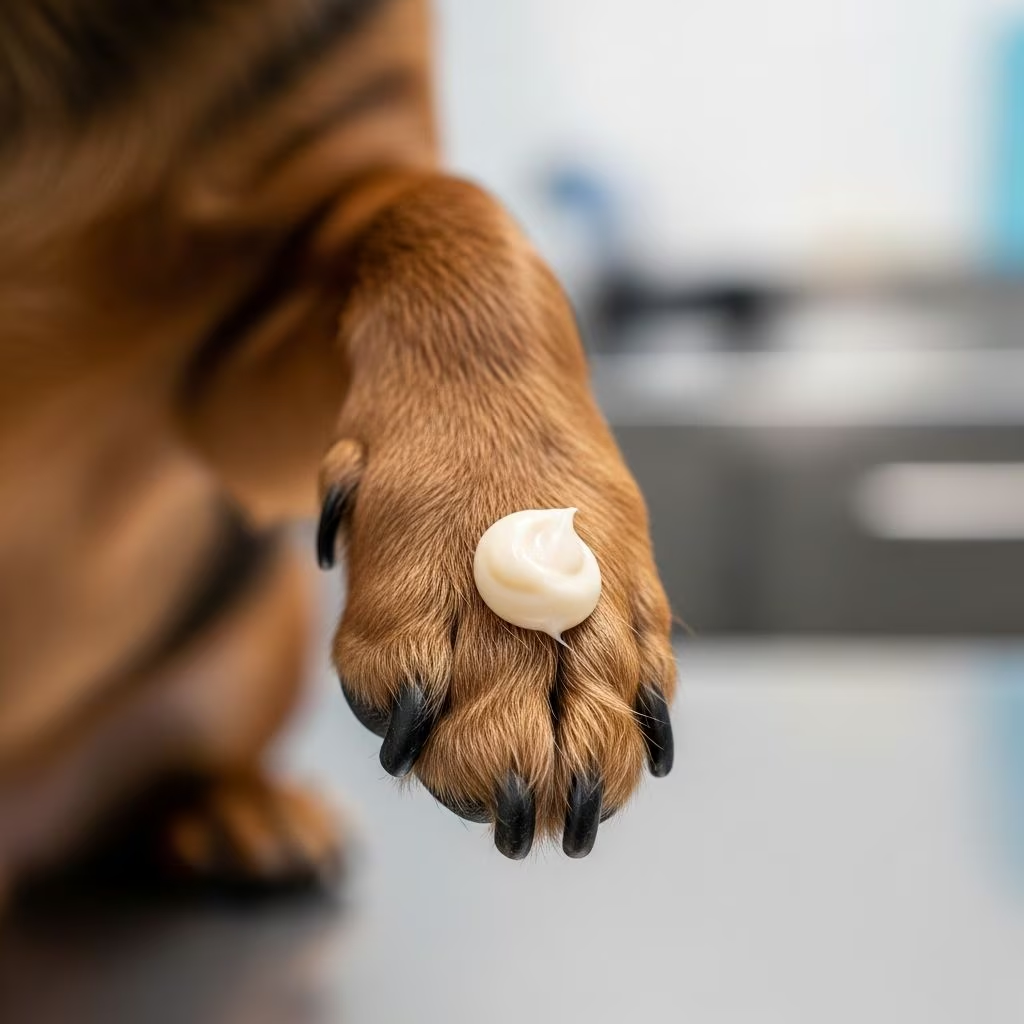
Canine ear infections represent one of the most common yet frustrating health challenges for dog owners. These conditions often lead to discomfort, head shaking, and persistent scratching. Among the remedies gaining renewed attention is Pellitol ointment, a specialized topical product originally praised for its ability to address even chronic ear problems effectively. This article delves into its composition, historical use, modern availability, application techniques, and supporting strategies to help pet guardians manage ear health comprehensively.
Understanding Canine Ear Infections
Dogs, particularly breeds with floppy ears like Spaniels, Basset Hounds, and Cocker Spaniels, are prone to otitis externa, an inflammation of the outer ear canal. Factors such as moisture buildup, allergies, yeast overgrowth, or bacterial invasions exacerbate the issue. Symptoms include foul odors, dark discharge, redness, and pain. Left untreated, infections can progress to the middle or inner ear, causing balance issues or hearing loss.
Traditional treatments often involve antibiotics or antifungals, but resistance from bacteria like Pseudomonas and Proteus complicates management. This is where alternative ointments like Pellitol shine, offering a drying, protective barrier that promotes healing without solely relying on systemic drugs.
The Origins and Rise of Pellitol
Pellitol emerged as a standout solution in veterinary circles around the early 2000s. Veterinarians noted its smoky aroma and pink hue, which made it distinctive. It was particularly valued for handling severe cases where ears filled with pus, yeast, or debris. The ointment’s mechanism involved coating the canal, drying out exudates, and allowing the hardened mass to naturally expel, revealing a cleaner ear.
Developed by a dedicated formulator, Pellitol contained a blend of soothing and antimicrobial agents. Its discontinuation following the creator’s retirement left a void, but demand spurred compounding pharmacies to recreate similar formulas. Today, these replicas maintain the legacy while adapting to regulatory standards.
Key Ingredients and Their Benefits
The power of Pellitol lies in its synergistic ingredients, each contributing to antimicrobial, anti-inflammatory, and drying effects:
- Zinc Oxide: Provides a protective barrier, soothes irritation, and aids in drying moist environments.
- Calamine: Relieves itching and inflammation, commonly used in human skin remedies for similar reasons.
- Bismuth Subgallate and Subnitrate: Act as astringents to reduce discharge and combat bacteria.
- Resorcinol: Offers mild antiseptic properties, helping to disinfect the ear canal.
- Juniper Tar: A natural antimicrobial derived from juniper, contributing to the ointment’s distinctive smell and efficacy against fungi and bacteria.
- Glycerin and Petrolatum (in some versions): Serve as bases to ensure even application and prolonged contact.
Variations may omit elements like echinacea extract from the original, but core components remain consistent. These ingredients work holistically, addressing multiple infection causes without harsh chemicals.
Modern Equivalents from Compounding Pharmacies
While original Pellitol is unavailable, high-quality substitutes are produced by licensed veterinary compounding pharmacies. Here’s a comparison:
| Product Name | Pharmacy | Packaging | Price (Approx.) | Shipping Restrictions |
|---|---|---|---|---|
| Pell Otic Ointment | Wedgewood Pharmacy (Swedesboro, NJ) | 15 ml syringe | $24 | Excludes NC |
| Re-ca-litol Otic Ointment | Specialty Veterinary Compounding (Stafford, TX) | 20g tube | $24.63 | Excludes AZ, AR, KY, MD, NE, NC, VA |
Both require a veterinarian’s prescription, ensuring appropriate use. Colors may vary—newer versions appear more brown due to ingredient ratios—but performance mirrors the original.
Step-by-Step Application Guide
Proper administration maximizes results and minimizes mess. Always consult a vet first to rule out eardrum rupture.
- Prepare the Ear: Clean gently with a boric acid solution or powder to loosen debris. Use a finger or soft Q-tip for deep canals, avoiding trauma.
- Fill the Canal: Dispense 1 ml (one syringe dial turn) for average ears; 2 ml for larger breeds like Hounds. Completely fill without rubbing in.
- Let it Set: Leave undisturbed for 5-7 days. The ointment dries, binds debris, and falls out naturally.
- Clean Up: Wipe outer flaps with vegetable oil if sticky. Protect furniture with covers.
- Repeat if Needed: Monitor progress; reapply after expulsion for persistent cases.
Veterinarians report visible improvements within a week, with reduced inflammation and cleaner canals.
When Pellitol Shines: Ideal Use Cases
This ointment excels for mild to moderate infections, completely resolving many without additional drugs. For severe, pus-filled, or ulcerated ears with resistant bacteria, combine with antibiotics or antifungals. Alternating with boric acid-zinc powders enhances outcomes. It’s also compatible with holistic approaches, avoiding interference with homeopathic remedies.
Breeds with pendulous ears benefit most due to poor ventilation. Early intervention prevents chronicity, saving time and money.
Potential Drawbacks and Precautions
Despite efficacy, consider these:
- Stickiness: Ointment adheres to fabrics; use protective measures.
- Prescription Only: Veterinary oversight ensures safety.
- Not for Ruptured Drums: Avoid if perforation suspected—use drops instead.
- Shipping Limits: Check state restrictions.
Side effects are rare, but monitor for worsening symptoms and seek professional help promptly.
Complementary Ear Care Strategies
Enhance ointment use with preventive measures:
- Dry ears after swimming or baths using absorbent cloths or low-heat blow dryers.
- Weekly cleaning with vet-approved solutions like acetic/boric acid mixes.
- Dietary adjustments to address allergies fueling infections.
- Regular ear inspections, especially in high-risk breeds.
Products like Zymox (enzymatic cleaner) or Hy-Otic rinse pair well for comprehensive care.
Veterinary Perspectives on Efficacy
Experienced practitioners, including those familiar with the original, endorse these ointments for their non-traumatic nature. One vet highlighted its role in drying “sticky, tarry, yeasty, or slimy pus,” transforming infected ears effortlessly. Even in resistant cases, it reduces severity significantly.
Frequently Asked Questions (FAQs)
Is Pellitol safe for puppies?
Use under vet guidance; dosage adjusts for size. Avoid in very young pups without assessment.
How long until I see results?
Typically 5-7 days post-application, as the dried ointment expels.
Can I use it for yeast infections?
Yes, its drying and antimicrobial properties target yeast effectively.
What if my dog shakes its head a lot?
Normal initially; use an e-collar if excessive to prevent removal.
Are there over-the-counter alternatives?
No direct equivalents; compounded versions require Rx for quality control.
Conclusion: A Reliable Ally for Ear Health
Pellitol and its modern counterparts offer a proven, gentle path to resolving dog ear infections. By understanding its use and integrating it into broader care, owners can restore comfort and prevent recurrences effectively.
References
- Updated Alternative Treatments and Supplements — Whole Dog Journal. 2013. https://www.whole-dog-journal.com/care/updated-alternative-treatments-and-supplements/
- Updated Alternative Treatments and Supplements — News Dogs. 2013-11. http://newsdogsng.blogspot.com/2013/11/updated-alternative-treatments-and.html
- Chronic Ear Infections in Canine WDJ — Dogology. N/A. http://www.dogologyct.com/uploads/1/5/2/3/15234296/chronic_ear_infections_in_canine_wdj.pdf
- Ear Infections in Dogs — DogAware.com. N/A. https://dogaware.com/health/ears.html
- Acetic Acid/Boric Acid Topical — VCA Animal Hospitals. N/A. https://vcahospitals.com/know-your-pet/acetic-acidboric-acid-topical



