

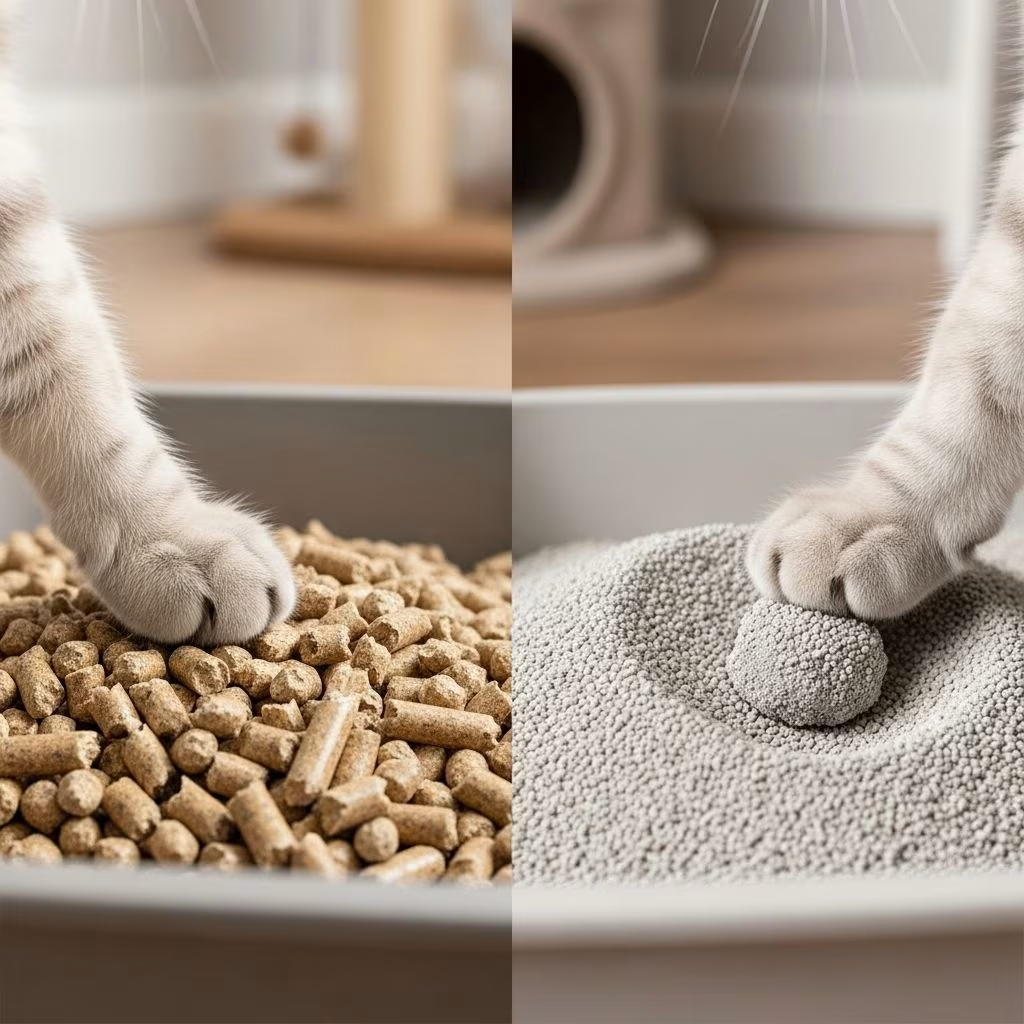
Choosing between pellet and clumping cat litters involves weighing factors like absorbency, ease of cleaning, environmental impact, and your cat’s preferences. Pellet litters, often made from natural materials like wood or paper, offer low dust and biodegradability, while clumping litters, typically clay-based, excel in odor trapping through solid waste formation.
Understanding Pellet Cat Litters
Pellet litters consist of compressed granules from sources such as pine, wheat, or recycled paper, designed to disintegrate upon moisture contact for efficient absorption. These litters prioritize minimal tracking and dust, making them suitable for homes with allergies or hardwood floors.
- Composition: Primarily wood-based (e.g., pine pellets) or plant-derived (e.g., corn, walnut shells), providing a firm texture that cats can dig into comfortably.
- Absorption Mechanism: Pellets break down into sawdust-like particles when wet, allowing liquid to spread and evaporate, which aids natural odor neutralization.
- Maintenance: Non-clumping nature requires sifting or full changes, but systems like pellet-pellet-pads simplify urine separation.
Owners appreciate pellet litters for their lightweight nature, reducing the hassle of heavy bag lifts during purchases and box refreshes.
Decoding Clumping Cat Litters
Clumping litters, dominated by bentonite clay formulations, react with urine to form tight, scoopable balls that isolate waste effectively. This design minimizes bacterial growth and extends litter box freshness.
- Core Material: Sodium bentonite clay swells and hardens on contact with liquids, creating durable clumps resistant to breaking during scooping.
- Odor Management: Clumps lock in smells, often enhanced by added deodorizers, supporting multi-cat households.
- Daily Routine: Scoopable format allows targeted waste removal, with full changes needed every 2-4 weeks depending on usage.
Clumping options dominate market shelves due to their reliability and widespread availability in various scents and formulas.
Head-to-Head Comparison: Pellet vs Clumping
A direct analysis reveals distinct strengths: pellets shine in sustainability and low mess, while clumping prioritizes convenience and superior containment. The table below summarizes key attributes based on common user experiences and product specs.
| Feature | Pellet Litter | Clumping Litter |
|---|---|---|
| Odor Control | Good (natural enzymes) | Excellent (clump isolation) |
| Dust Levels | Very Low | Medium (varies by brand) |
| Tracking | Low-Moderate | Moderate-High |
| Clumping Ability | Disintegrates (non-clumping) | Forms solid scoops |
| Eco-Friendliness | High (biodegradable) | Low (mined clay) |
| Cost per Month | $$ (lasts longer) | $ (frequent scooping) |
| Weight | Lightweight | Heavy |
Pellet litters reduce paw traffic mess, ideal for neat freaks, whereas clumping’s scoopability saves time on cleaning.
Performance in Real-World Scenarios
In multi-cat homes, clumping litters handle higher volumes better by containing multiple deposits without saturation. Pellet litters perform well in single-cat setups, where their evaporation process keeps boxes drier longer. Testing shows pellets absorb up to 700% of their weight in liquid, comparable to crystals but with added compostability.
Cats with sensitive paws may favor softer pellet textures over gritty clay clumps. Transitioning requires gradual mixing to avoid box avoidance.
Environmental and Health Considerations
Pellet litters from renewable sources like pine or corn break down naturally, supporting composting in many regions and reducing landfill waste. Clumping clay, strip-mined, poses disposal challenges as it’s non-biodegradable and not flushable, potentially harming plumbing or septic systems.
Health-wise, low-dust pellets benefit cats with asthma, while clay dust can irritate respiratory tracts if not low-dust formulas. Avoid ingestion risks with both, but pellets’ natural makeup offers peace of mind for curious kittens.
Cost Analysis Over Time
Initial costs favor clumping clay at $10-20 per 40lb bag, lasting 4-6 weeks for one cat. Pellets, at $15-25 for 20lb bags, stretch further due to higher absorbency, equaling out to similar monthly spends around $20-30.
- Budget Tip: Bulk buys and subscription services cut 20-30% off retail.
- Long-Term Savings: Pellet systems with pads reduce refill frequency.
Cat Acceptance and Behavioral Factors
Most cats adapt to either, but pellet’s wood scent mimics nature, attracting outdoor enthusiasts. Clumping’s fine texture suits diggers. Monitor for rejection signs like accidents outside the box during switches.
Top Recommendations and Switching Strategies
For eco-focused owners: Pine pellet litters. For busy households: Scented clumping clay. Hybrid trials help pinpoint fits.
- Mix 25% new litter with 75% old for week one.
- Increase gradually over two weeks.
- Provide multiple boxes during transition.
Frequently Asked Questions
Is pellet litter better than clumping?
It depends on priorities: pellets for green living and low dust; clumping for easy scooping and strong odors.
Can I flush pellet litter?
Some biodegradable types like corn-based are flushable in small amounts; always check labels to avoid clogs.
Why does my cat track clumping litter more?
Clay’s finer particles stick to paws; opt for larger granule formulas or mats.
How often to fully change each type?
Pellets: Weekly full refresh. Clumping: Bi-weekly with daily scoops.
Are pellets safe for kittens?
Yes, dust-free and soft-disintegrating options work well, unlike sharp crystals.
Maintenance Tips for Optimal Results
Regardless of choice, daily scooping prevents buildup. Place boxes in quiet spots and use liners for effortless deep cleans. Enzymatic cleaners tackle lingering smells.
In summary, pellet litters suit sustainable, low-mess lifestyles, while clumping excels in convenience. Test small packs to match your cat’s habits and home needs.
References
- Best Cat Litter Guide for 2025 — Boxiecat. 2025. https://boxiecat.com/blogs/litter-learning-center/what-are-the-different-types-of-cat-litter
- The Ultimate Guide to Types of Cat Litter — Purina US. 2024-10-15. https://www.purina.com/articles/cat/behavior/litter/types-of-cat-litter
- 8 Different Types of Cat Litter — PetSafe. 2024. https://www.petsafe.com/blog/cat-litter-types-complete-guide/
- The Ultimate Guide to Different Types of Cat Litter — Tuft & Paw. 2025-01-10. https://www.tuftandpaw.com/blogs/cat-guides/the-ultimate-guide-to-different-types-of-cat-litter
- Types of Cat Litter: Which One Is Best for Your Cat? — OKC Vet Campus. 2024. https://okcvetcampus.com/types-of-cat-litter-which-one-is-best-for-your-cat/
- Choosing Litter: Part Two – Comparison of Different Types of Cat Litter — Pet Professional Guild. 2023-05-20. https://www.petprofessionalguild.com/pet-owners/pets-and-their-people/pets-and-their-people-blog/choosing-litter-part-two-comparison-of-different-types-of-cat-litter/



