

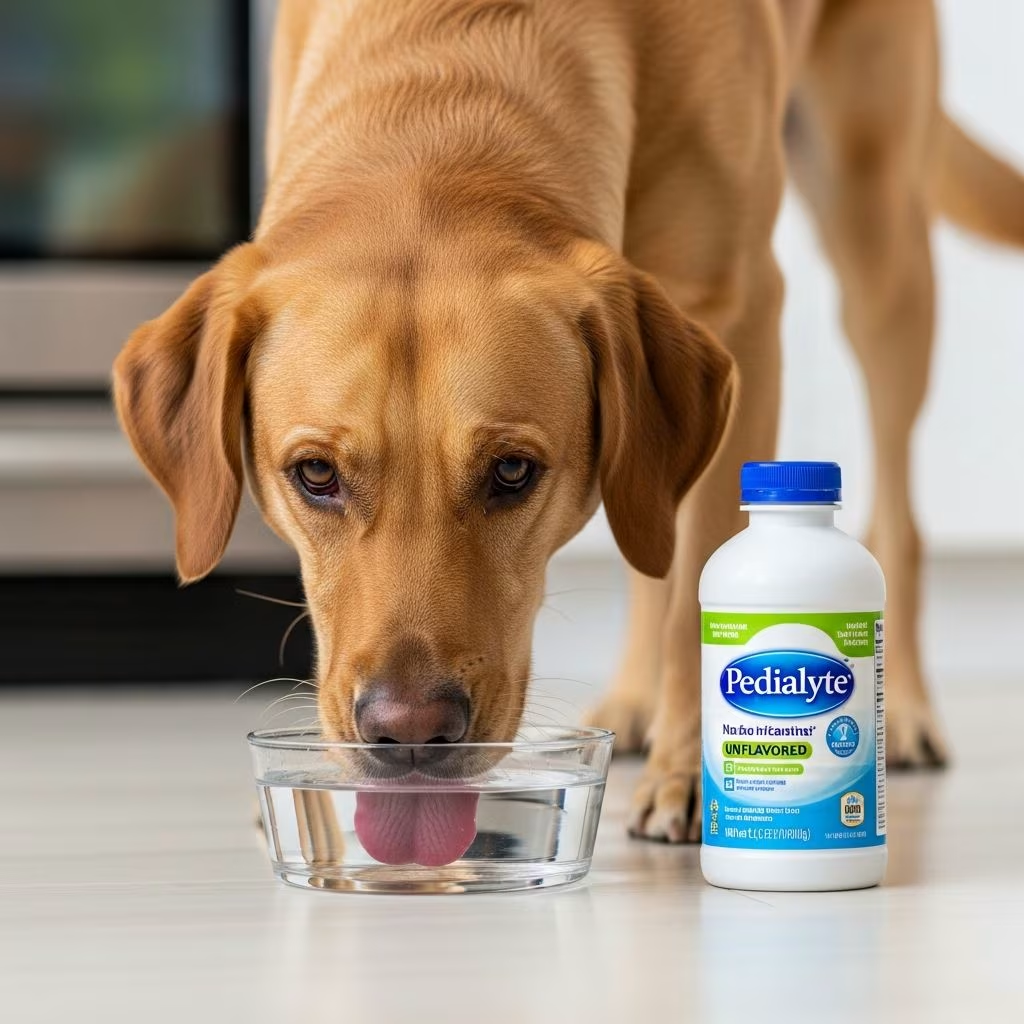
Pedialyte, a popular oral rehydration solution for humans, is sometimes considered for dogs experiencing mild dehydration. While it can provide temporary electrolyte support in specific situations, veterinary experts emphasize caution due to its human-specific formulation. This guide examines its potential uses, risks, proper administration, and superior alternatives to ensure your pet’s well-being.
Understanding Dehydration in Canines
Dehydration occurs when a dog loses more fluids than it takes in, often from vomiting, diarrhea, excessive panting in heat, or intense activity. Early signs include dry gums, reduced skin elasticity, and lethargy, progressing to sunken eyes and weakness if untreated. Puppies, seniors, and small breeds are particularly vulnerable.
- Lethargy: Reduced energy and reluctance to play.
- Dry gums: Sticky or tacky instead of moist.
- Sunken eyes: Visible in advanced stages.
- Lost skin turgor: Skin tents when pinched.
Addressing dehydration promptly prevents complications like organ stress or shock. Plain water suffices for mild cases, but electrolyte imbalances from severe losses may require targeted intervention.
Pedialyte’s Composition and Canine Relevance
Pedialyte contains sodium, potassium, chloride, dextrose, and flavors to restore human pediatric hydration. Dogs have different electrolyte needs; canine requirements for sodium are lower, making human formulas potentially excessive. Unflavored versions minimize artificial additives, but sugar content remains a concern for diabetic or overweight dogs.
| Ingredient | Human Purpose | Dog Consideration |
|---|---|---|
| Sodium | Electrolyte balance | Higher than dog needs; risky for heart/kidney issues |
| Potassium | Muscle/nerve function | Beneficial but overdose possible |
| Dextrose/Sugar | Energy source | Can spike blood sugar; avoid in diabetics |
| Flavors/Additives | Palatability | May irritate GI tract or contain xylitol |
No peer-reviewed studies validate Pedialyte specifically for dogs, though general electrolyte research supports hydration benefits in pets.
Potential Advantages of Using Pedialyte
In controlled, mild scenarios, diluted Pedialyte may aid recovery by replenishing lost minerals faster than water alone. It’s palatable, encouraging intake during nausea, and useful post-exercise or mild gastroenteritis.
- Quick absorption: Balanced salts enhance fluid uptake.
- Energy boost: Glucose supports weak pups.
- Easy access: Over-the-counter availability.
Vets may recommend it short-term for stable cases after examination, but it’s not a standalone fix.
Critical Risks and Contraindications
Pedialyte poses hazards due to its formulation. High sodium risks fluid retention in heart failure dogs, while sugar exacerbates diabetes. Xylitol in some variants causes hypoglycemia and liver failure—always check labels.
Other dangers include:
- GI upset: May worsen vomiting/diarrhea.
- Electrolyte overload: Seizures, weakness in excess.
- Allergies: Itching, swelling from additives.
- Underlying conditions: Unsafe for kidney disease, hypertension.
Severe dehydration demands IV fluids, not oral solutions. Administering without vet approval can delay critical care.
Veterinary Guidelines for Dosage
If approved by a vet, dilute unflavored Pedialyte 1:1 with water to halve sodium/sugar. Dosage bases on weight:
| Dog Weight | Diluted Amount (ml per dose) | Frequency |
|---|---|---|
| <10 lbs | 50-100 | Every 4-6 hours |
| 10-25 lbs | 100-200 | Every 4-6 hours |
| 25-50 lbs | 200-400 | Every 4-6 hours |
| >50 lbs | 400-800 | Every 4-6 hours |
Limit to 24-48 hours max. Monitor for refusal, worsening symptoms, or reactions; stop and seek vet help immediately.
Safer Alternatives to Pedialyte
Vet-formulated options outperform human products:
- Electrolyte powders: Brands like Rebound Recuperation tailor to dogs.
- Homemade solutions: Vet-approved recipes (e.g., 1 tsp salt, 1 tbsp glucose per liter water—but consult first).
- Probiotics: Support gut recovery alongside fluids.
- Subcutaneous fluids: Home administration under vet training.
Plain water remains safest for mild cases. For parvovirus or heatstroke, hospital care is essential.
When to Rush to the Vet
Don’t rely on Pedialyte if symptoms persist:
- Persistent vomiting >24 hours.
- Bloody stool/diarrhea.
- No urination >12 hours.
- Extreme weakness/collapse.
Early intervention prevents escalation. Vets diagnose causes via exams, bloodwork, offering precise therapies.
Preventing Dehydration Proactively
Keep dogs hydrated through:
- Constant fresh water: Multiple bowls outdoors.
- Activity management: Avoid peak heat; short walks.
- Diet: Wet food boosts moisture intake.
- Monitoring: Check gums daily in summer.
Annual checkups catch predispositions early.
FAQs
Can all dogs have Pedialyte?
No. Avoid in diabetics, heart/kidney patients, or those on sodium-restricted diets. Vet approval required.
Is unflavored Pedialyte safer?
Yes, it lacks irritating flavors/artificial sweeteners. Dilute regardless.
What if my dog drinks Pedialyte accidentally?
Watch for vomiting, lethargy. Contact vet if large amount or symptoms appear.
How does Pedialyte compare to Gatorade for dogs?
Gatorade has more sugar/xylitol risks; Pedialyte preferable but still not ideal.
Can puppies have Pedialyte?
In tiny, diluted doses under vet supervision for mild issues.
This comprehensive approach prioritizes evidence-based care. Always prioritize professional veterinary advice over home remedies.
References
- Pedialyte (Electrolytes) for Dogs: Uses, Side Effects, and Alternatives — American Kennel Club. 2023-06-15. https://www.akc.org/expert-advice/health/pedialyte-electrolytes-for-dogs/
- Is Pedialyte a safe treatment for my dehydrated dog? — FirstVet. 2024-02-10. https://firstvet.com/us/articles/can-dogs-drink-pedialyte
- Can Dogs Drink Pedialyte? — Great Pet Care. 2024-08-22. https://www.greatpetcare.com/dog-nutrition/can-dogs-drink-pedialyte/
- Pedialyte for Dogs: Is it Safe? — Fetch Pet Insurance. 2023-11-05. https://www.fetchpet.com/the-dig/pedialyte-for-dogs
- Pedialyte For Your Dog? Cautions And Alternatives — Dogs Naturally Magazine. 2024-01-18. https://www.dogsnaturallymagazine.com/can-dogs-have-pedialyte/



