

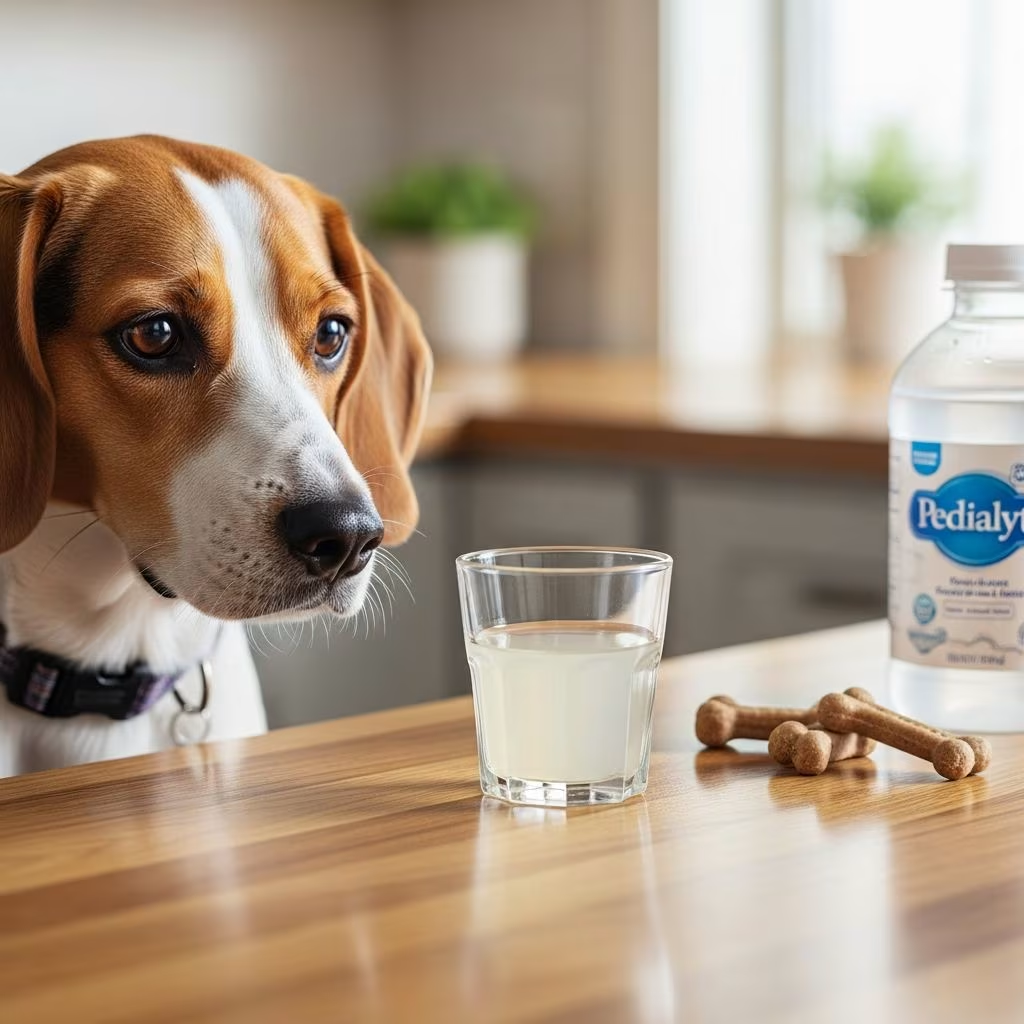
Pedialyte, a popular electrolyte solution designed for human infants, is sometimes considered by dog owners for pets showing signs of dehydration. While it can provide temporary relief in mild cases, its use in canines requires caution due to formulation differences between humans and dogs. This comprehensive guide examines when it might help, potential dangers, administration methods, and superior alternatives backed by veterinary insights.
Recognizing Dehydration in Canines
Dehydration strikes dogs quickly, especially during bouts of vomiting, diarrhea, or extreme heat exposure. Early detection is crucial to prevent severe complications like organ strain or collapse. Common indicators include sunken eyes, dry gums that don’t snap back when pressed, lethargy, and reduced skin elasticity—test by gently pinching the skin on the neck; it should return to normal in seconds.
- Lethargy and weakness: Dogs may appear unusually tired or reluctant to move.
- Loss of appetite: Refusal of food or water signals distress.
- Excessive panting: Even in cool environments, this compensates for fluid loss.
- Dark urine or reduced output: Concentrated urine shows the body is conserving water.
Severe cases demand immediate veterinary attention, as home remedies alone won’t suffice. Mild dehydration might respond to oral rehydration, but always prioritize professional evaluation.
What Makes Pedialyte Appealing for Pet Hydration?
Pedialyte replenishes key electrolytes—sodium, potassium, and chloride—lost through illness or exertion. For dogs suffering mild fluid deficits from gastroenteritis or hot weather activities, it can restore balance faster than water alone, potentially boosting energy and aiding recovery. Its palatable flavors encourage intake, making it simpler for owners to administer during recovery phases.
However, no robust clinical trials confirm its superiority over plain water for canine dehydration. Veterinary experts emphasize that while it may help symptomatically, it doesn’t address root causes like infections or toxins.
Critical Risks and Contraindications
Despite potential upsides, Pedialyte poses notable hazards for dogs. Formulated for human physiology, it often exceeds canine needs for sodium and sugar, risking imbalances that worsen heart conditions, diabetes, or kidney issues. High sodium can elevate blood pressure, straining dogs with cardiac or renal diseases.
| Risk Factor | Impact on Dogs | Affected Dogs |
|---|---|---|
| High Sodium | Fluid retention, hypertension | Heart/kidney disease patients |
| Sugar Content | Blood glucose spikes | Diabetics, obese dogs |
| Xylitol (in some flavors) | Hypoglycemia, liver failure | All dogs—toxic even in traces |
| Electrolyte Overload | Diarrhea, seizures | Vomiting/diarrhea cases |
Flavored varieties frequently include xylitol, a sugar alcohol lethally toxic to dogs, causing rapid blood sugar drops and liver damage. Allergic responses, though rare, manifest as itching, swelling, or respiratory distress. Administering to actively vomiting dogs can exacerbate fluid loss.
Veterinary Perspectives on Usage
Vets like Dr. Monica Tarantino from PetMD advise against routine use, noting the absence of canine-specific studies and potential to delay critical care. Instead, they recommend immediate consultation for symptoms beyond mild cases. Dr. Duncan Houston echoes this, highlighting 2025 updates on risks from artificial additives.
Consensus holds: Pedialyte is not a first-line treatment. Plain water suffices for mild needs, while severe cases require IV fluids.
Safe Administration Protocols
If a vet greenlights Pedialyte, opt for unflavored, xylitol-free versions and dilute 50/50 with water to mitigate overdose risks. Dosage varies by weight:
- Small dogs (<20 lbs): 1-2 oz every 2-3 hours
- Medium (20-50 lbs): 4-8 oz spread over the day
- Large (>50 lbs): Up to 16 oz, monitored closely
Administer via syringe for non-drinkers or mix into wet food. Monitor for diarrhea, vomiting, or lethargy; discontinue and seek help if observed. Never use as a standalone fix—combine with fasting protocols (12-24 hours) for GI upset, per vet guidance.
Superior Alternatives to Pedialyte
Veterinarian-formulated electrolyte solutions outperform human products by matching canine biology. Brands like Lectade or Rebound Recuperation Powder provide balanced, palatable options without excess sugars or salts. Homemade recipes, vet-approved, include:
- 1 quart warm water
- 1 tsp salt
- 1 tsp baking soda
- 3 tbsp honey or corn syrup
- Boil, cool, and offer small amounts
These restore electrolytes effectively while being cost-efficient. For chronic needs, prescription oral rehydrators ensure precision.
Probiotics and bland diets (boiled chicken/rice) support gut recovery post-dehydration, reducing recurrence.
Preventing Dehydration Proactively
Prevention trumps treatment. Ensure constant fresh water access, especially outdoors. During hikes or hot days, carry portable bowls and frozen broth cubes. High-risk breeds like brachycephalics (Pugs, Bulldogs) need shaded, air-conditioned environments.
- Exercise timing: Early morning or evening to avoid peak heat.
- Dietary boosts: Wet foods or toppers increase moisture intake.
- Regular checks: Skin turgor tests during play or illness.
Senior dogs, puppies, and those with medical histories warrant tailored plans from vets.
When to Rush to the Vet
Home hydration fails fast in critical scenarios: persistent vomiting over 12 hours, bloody stools, seizures, or unresponsiveness. Heatstroke signs—bright red gums, rapid heartbeat—demand emergency IV therapy. Delaying for Pedialyte risks fatality.
Frequently Asked Questions
Can all dogs safely consume Pedialyte?
Unflavored in moderation suits most healthy dogs, but consult vets for those with pre-existing conditions.
Does Pedialyte stop diarrhea in dogs?
No, it hydrates but doesn’t treat causes; it may prolong symptoms if misused.
Is flavored Pedialyte okay for pets?
Avoid—xylitol in many flavors is poisonous.
How quickly does it work for dehydration?
Effects appear in hours for mild cases, but monitor and follow up.
What’s a natural rehydration option?
Bone broth or vet electrolyte mixes are safer, tailored choices.
References
- Pedialyte for Dogs: The Benefits and Risks of Using This Hydrating Solution — Fido Fitness Club. 2023. https://fidofitnessclub.com/pedialyte-for-dogs-the-benefits-and-risks-of-using-this-hydrating-solution/
- Pedialyte for Dogs: Is It Safe? — PetMD, Monica Tarantino, DVM. 2024. https://www.petmd.com/dog/care/pedialyte-dogs-it-safe
- Pedialyte For Your Dog? Cautions And Alternatives — Dogs Naturally Magazine. 2024. https://www.dogsnaturallymagazine.com/can-dogs-have-pedialyte/
- Vet Approved Guide: Is Pedialyte Safe for Dogs in 2025? — AskAVet, Dr. Duncan Houston BVSc. 2025. https://askavet.com/blogs/news/vet-approved-guide-is-pedialyte-safe-for-dogs-in-2025-%F0%9F%90%B6-1
- Is Pedialyte a safe treatment for my dehydrated dog? — FirstVet. 2024. https://firstvet.com/us/articles/can-dogs-drink-pedialyte
- Pedialyte (Electrolytes) for Dogs: Uses, Side Effects, and Alternatives — American Kennel Club (AKC). 2024. https://www.akc.org/expert-advice/health/pedialyte-electrolytes-for-dogs/



