

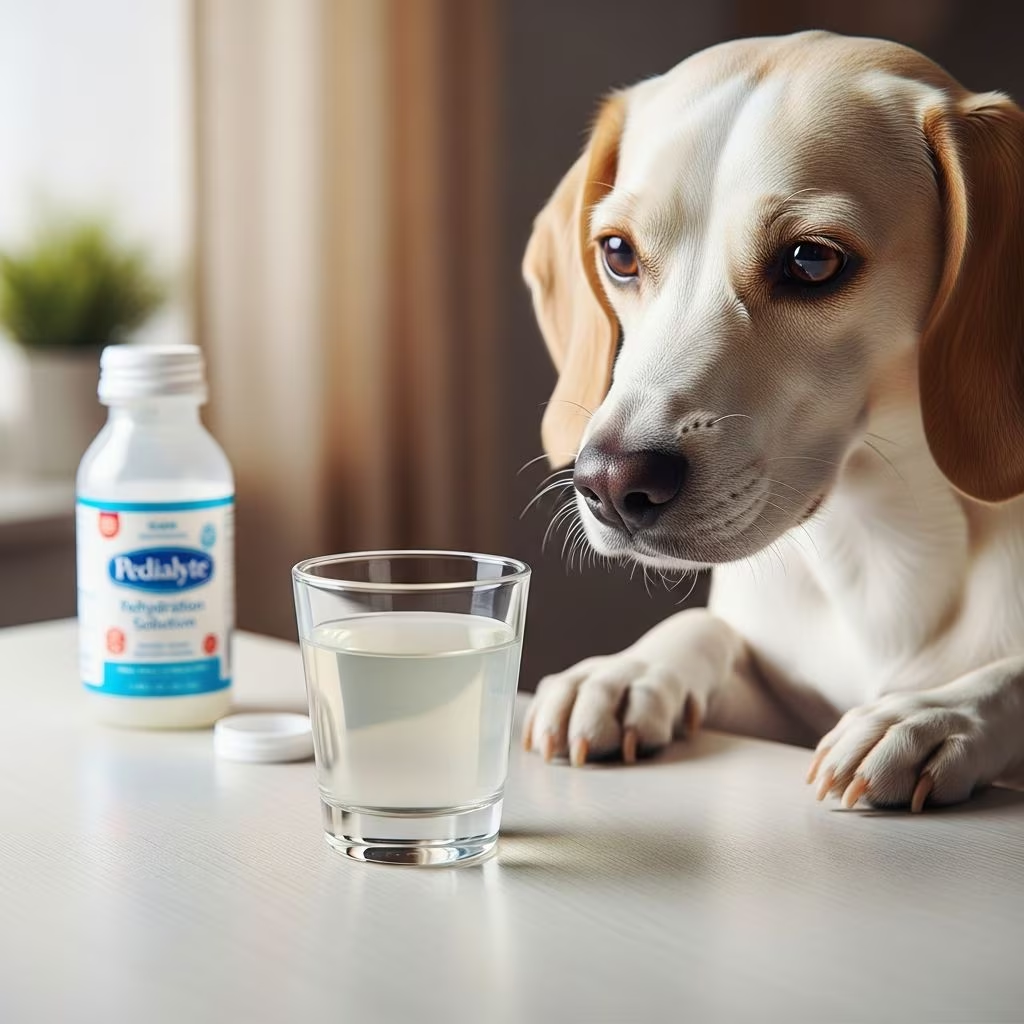
Pedialyte, a popular human electrolyte drink, is sometimes considered for dogs experiencing mild dehydration from vomiting, diarrhea, or heat exposure. While it can help restore fluids and minerals in small, diluted amounts, it’s not formulated for canines and carries risks like excessive sodium or toxic sweeteners.
Recognizing Dehydration in Canines
Dehydration strikes dogs quickly, especially during hot weather, illness, or intense activity. Early detection prevents severe complications like organ strain or collapse. Common signs include dry gums, sunken eyes, lethargy, and reduced skin elasticity—test by gently pinching the skin on your dog’s neck; it should snap back instantly.
- Lethargy and weakness: Dogs may pant excessively or refuse play.
- Loss of appetite: Ignoring food or water bowls.
- Thick saliva: Indicating reduced moisture in the mouth.
- Dark urine: Concentrated output signals fluid deficit.
Severe cases demand immediate veterinary care, as home remedies alone won’t suffice.
Potential Advantages of Using Pedialyte
In controlled scenarios, Pedialyte offers quick electrolyte replenishment—sodium, potassium, and chloride—to combat imbalances from fluid loss. It’s palatable, available over-the-counter, and can boost energy in mildly affected pets.
| Benefit | Description |
|---|---|
| Fluid Restoration | Replaces water lost via diarrhea or vomiting. |
| Electrolyte Balance | Supports sodium and potassium levels for muscle and nerve function. |
| Easy Delivery | Mixable with food or given orally; flavors appeal to picky eaters. |
However, these perks are short-term and no substitute for professional treatment.
Critical Risks and Contraindications
Pedialyte’s human-centric formula poses hazards for dogs. High sodium can overburden kidneys or hearts, while sugars exacerbate diabetes. Worst is xylitol in some flavors, causing life-threatening hypoglycemia and liver failure.
- Xylitol Danger: Even trace amounts trigger toxicity; check labels rigorously.
- Sodium Overload: Exceeds canine needs, risking hypertension or fluid retention.
- Sugar Content: Harmful for diabetics or obese dogs.
- Allergic Responses: Itching, swelling, or breathing issues possible.
Conditions like heart failure, kidney disease, or pregnancy amplify dangers—avoid entirely. Undiluted use may induce diarrhea, worsening the cycle.
Veterinary Perspectives on Usage
Vets like those at PetMD caution against routine use, noting no studies prove superiority over water. Dr. Monica Tarantino emphasizes calling professionals first, as self-treatment delays care. For vomiting dogs, it might intensify symptoms by irritating the stomach.
Vets recommend it sparingly for mild cases, always diluted and unflavored.
Consensus: It’s a bridge, not a cure. Underlying issues like infections need diagnosis.
Safe Administration Protocols
If a vet greenlights Pedialyte, dilute 50/50 with water to mitigate risks. Start small to monitor tolerance.
| Dog Weight | Diluted Dose (per day) | Frequency |
|---|---|---|
| Under 10 lbs | 4-8 oz | 2-3 times |
| 10-25 lbs | 8-16 oz | 2-3 times |
| 25-50 lbs | 16-32 oz | 2 times |
| Over 50 lbs | 32+ oz | 1-2 times |
Administer via syringe for precision, avoiding gulping. Discontinue if vomiting persists or worsens. Never exceed 24-48 hours without vet follow-up.
Superior Alternatives for Canine Hydration
Dog-specific electrolyte solutions outperform Pedialyte, matching precise mineral ratios without extras. Homemade recipes provide safe backups.
- Commercial Options: Products like Lectade or Rebound Recuperation target canine needs.
- DIY Electrolyte Mix: Combine 1 quart warm water, 1 tsp salt, 1 tsp baking soda, 2 tbsp honey, 1/3 cup coconut water—vet-approved for mild cases.
- Plain Water Priority: Best for non-severe dehydration.
Infuse water with low-sodium broth or ice cubes flavored with chicken for appeal.
Preventing Dehydration Proactively
Proactive steps trump reactive fixes. Ensure constant fresh water access, especially outdoors. During heatwaves, provide shaded rest and frozen treats.
- Monitor intake: 1 oz per lb body weight daily baseline.
- Exercise wisely: Avoid peak sun; short sessions.
- High-risk breeds (Brachycephalics, seniors) need extra vigilance.
- Post-activity: Offer diluted broth immediately.
Annual checkups catch vulnerabilities early.
When to Rush to the Vet
Pedialyte isn’t for crises. Seek emergency care for prolonged vomiting (>12 hours), bloody stool, seizures, or unresponsiveness. Subcutaneous fluids at clinics hydrate faster and safer.
Heatstroke signs—bright red gums, rapid breathing—require cooling and IV therapy stat.
Common Misconceptions Debunked
Myth: Pedialyte cures diarrhea. Fact: It hydrates but ignores causes.
Myth: All flavors safe. Fact: Avoid fruit varieties with xylitol.
Myth: Daily use preventive. Fact: Unnecessary electrolytes strain kidneys.
Frequently Asked Questions
Can puppies have Pedialyte?
Limited, diluted amounts under vet guidance; their systems are sensitive.
Is unflavored Pedialyte okay?
Yes, lowest risk; confirm no xylitol.
What if my dog refuses it?
Try mixing with wet food or use alternatives like bone broth.
How long can I give it?
Maximum 48 hours; vet reassessment needed.
Pedialyte vs. Gatorade for dogs?
Neither ideal; Gatorade has more sugar/caffeine—stick to dog formulas.
Long-Term Hydration Strategies
Incorporate wet food (75% moisture) into diets. Fountains encourage drinking. Track via apps logging intake/output.
For travelers: Portable bowls, hydration packs prevent exposure risks.
References
- Pedialyte for Dogs: The Benefits and Risks of Using This Hydrating Solution — Fido Fitness Club. 2023. https://fidofitnessclub.com/pedialyte-for-dogs-the-benefits-and-risks-of-using-this-hydrating-solution/
- Pedialyte for Dogs: Is It Safe? — PetMD, Monica Tarantino, DVM. 2024-05-15. https://www.petmd.com/dog/care/pedialyte-dogs-it-safe
- Pedialyte For Your Dog? Cautions And Alternatives — Dogs Naturally Magazine. 2023. https://www.dogsnaturallymagazine.com/can-dogs-have-pedialyte/
- Vet Approved Guide: Is Pedialyte Safe for Dogs in 2025? — AskAVet, Dr. Duncan Houston BVSc. 2025-01-10. https://askavet.com/blogs/news/vet-approved-guide-is-pedialyte-safe-for-dogs-in-2025-%F0%9F%90%B6-1
- Is Pedialyte a safe treatment for my dehydrated dog? — FirstVet. 2024. https://firstvet.com/us/articles/can-dogs-drink-pedialyte
- Pedialyte (Electrolytes) for Dogs: Uses, Side Effects, and Alternatives — AKC, Dr. Attas. 2023-08-20. https://www.akc.org/expert-advice/health/pedialyte-electrolytes-for-dogs/
- Pedialyte for Dogs — Whole Dog Journal. 2024. https://www.whole-dog-journal.com/health/pedialyte-for-dogs/



