

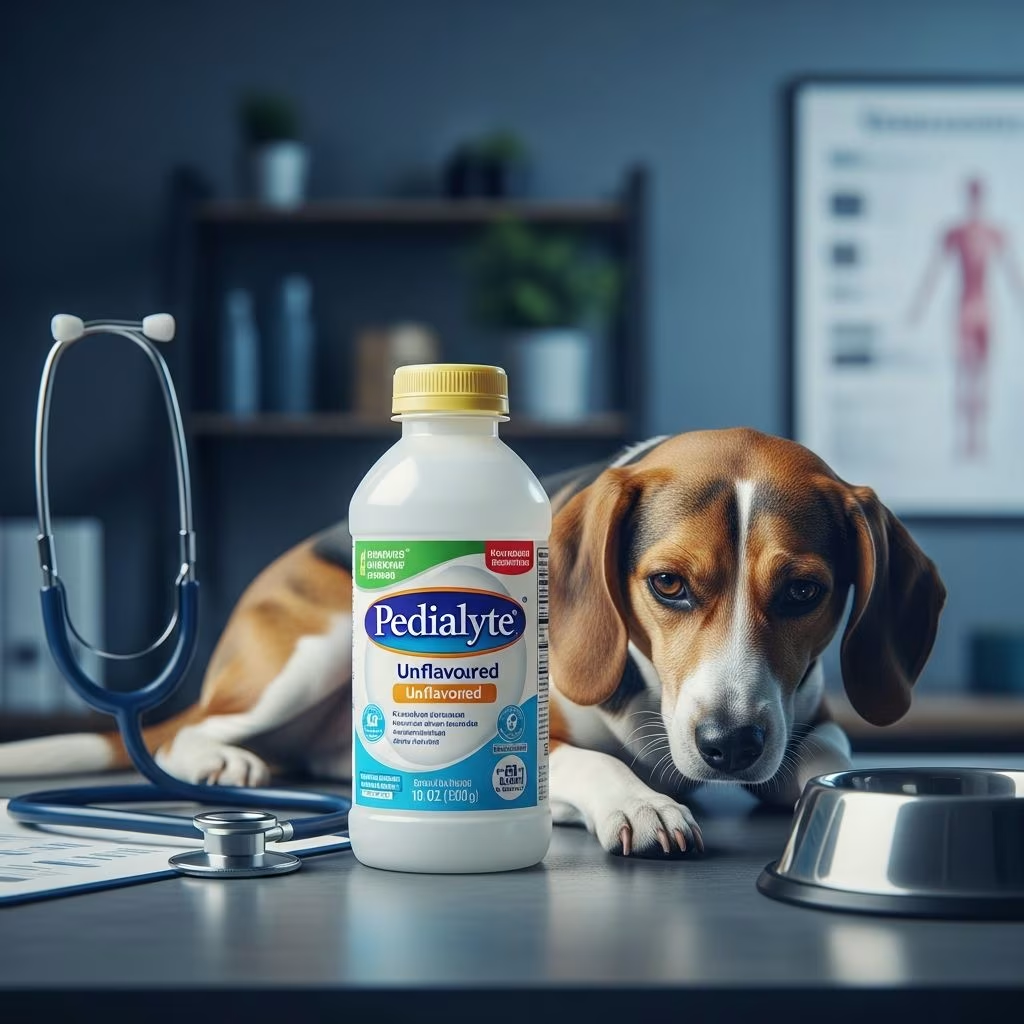
Dogs with pancreatitis often face dehydration from vomiting and diarrhea, prompting owners to consider human electrolyte solutions like Pedialyte. While it may seem like a quick fix, its use requires caution due to formulation differences between humans and canines.
Understanding Pancreatitis in Dogs
Pancreatitis occurs when the pancreas becomes inflamed, disrupting digestion and causing severe abdominal pain. Common triggers include high-fat meals, obesity, certain medications, and breeds like Miniature Schnauzers or Yorkshire Terriers that show genetic susceptibility.
Symptoms manifest rapidly: persistent vomiting, refusal to eat, hunched posture from pain, lethargy, feverish temperatures, and loose stools. Dehydration sets in quickly as fluid losses outpace intake, stressing organs further and complicating recovery.
- Vomiting: Often bilious or containing food remnants, occurring multiple times daily.
- Abdominal discomfort: Dogs may guard their belly, resisting touch or walking stiffly.
- Lethargy and weakness: Reduced energy leads to prolonged rest or hiding.
- Dehydration signs: Sunken eyes, dry gums, poor skin elasticity when pinched.
Early veterinary diagnosis via blood tests (elevated lipase/amylase), ultrasound, or imaging is crucial. Mild cases might resolve with outpatient care, but severe ones demand hospitalization for IV fluids and monitoring.
The Role of Hydration in Pancreatitis Recovery
Hydration is foundational in pancreatitis treatment. Fluids flush toxins, maintain blood pressure, and support pancreatic rest by minimizing digestive workload. Dehydrated dogs risk kidney strain, shock, or worsened inflammation.
Vets prioritize intravenous or subcutaneous fluids tailored to canine needs, balancing sodium, potassium, and glucose precisely. Oral options come into play for mild dehydration once vomiting subsides, but choices must avoid aggravating the pancreas.
| Hydration Method | Best For | Pros | Cons |
|---|---|---|---|
| IV Fluids | Severe cases | Fast absorption, precise control | Requires vet clinic |
| Subcutaneous Fluids | Mild-moderate, at-home | Owner-administered, steady hydration | Slower uptake |
| Oral Electrolytes | Very mild, post-vet approval | Convenient, non-invasive | Risk of vomiting if not tolerated |
Pedialyte Basics: Human Formula Meets Canine Needs?
Pedialyte replenishes electrolytes lost in human diarrhea or vomiting, containing sodium, potassium, chloride, and dextrose. Unflavored versions avoid toxic additives like xylitol, but the electrolyte ratios and sugar content are optimized for infants, not dogs.
Dogs metabolize sodium differently; excess can burden kidneys or hearts, especially in pancreatitis where inflammation heightens sensitivity. Sugar aids human energy but risks hyperglycemia in stressed or diabetic canines.
- Sodium levels: Higher than canine needs, potentially causing hypertension or fluid retention.
- Sugars: Dextrose may spike blood glucose, counterproductive during pancreatic rest.
- Flavor risks: Artificial sweeteners in some variants are poisonous to dogs.
Is Pedialyte Safe for Pancreatitis-Affected Dogs?
Directly, Pedialyte is not recommended for dogs with pancreatitis without strict veterinary oversight. The condition’s volatility means added sugars or salts could provoke more vomiting, worsening dehydration cycles.
Some sources note limited use in shelters for parvovirus cases—diluted and post-stabilization—but pancreatitis demands gentler approaches. High electrolyte loads might overstimulate a compromised pancreas, delaying healing.
In mild dehydration scenarios after initial vet treatment, a heavily diluted unflavored Pedialyte (50:50 with water) might be trialed briefly. However, evidence lacks robust studies proving superiority over plain water or vet-formulated solutions.
Potential Risks and Side Effects
Administering Pedialyte inappropriately heightens dangers:
- Worsened GI upset: Osmotic effects from sugars can induce diarrhea, counterproductive in pancreatitis.
- Sodium overload: Exacerbates heart or kidney issues common in older dogs.
- Delayed care: Home remedies might postpone professional intervention, risking sepsis or organ failure.
- Interactions: Conflicts with anti-nausea meds or pain relievers via altered absorption.
Dogs with concurrent diabetes, heart failure, or renal disease face amplified threats. Monitor for lethargy increase, persistent vomiting, or swelling post-administration.
When Might Pedialyte Be Considered?
Rarely, under vet direction for stable, mildly dehydrated pancreatitis patients transitioning home:
- Confirm unflavored, xylitol-free product.
- Dilute 1:1 with water to halve concentrations.
- Start with 1-2 teaspoons per 5 lbs body weight every 3-4 hours.
- Observe for 30 minutes; stop if vomiting recurs.
This is adjunctive, not primary. Vets might pair it with enzyme supplements or low-fat diets for holistic support.
Superior Alternatives to Pedialyte
Vet-approved options outperform Pedialyte for canine pancreatitis:
- Prescription oral rehydrators: Like Lectrolyte or custom mixes balancing canine electrolytes.
- Homemade solutions: 1 liter water + 1 tsp salt + 1 tbsp sugar + potassium source (banana), vet-adjusted.
- SubQ fluids: Lactated Ringer’s administered under skin for steady hydration.
- Encouraging water intake: Flavored with low-sodium broth or ice cubes.
Nutrient absorption improves with pancreatic enzyme powders sprinkled on meals, per AKC-backed studies on exocrine insufficiency.
Comprehensive Pancreatitis Management Plan
Beyond hydration:
- Diet: Switch to ultra-low-fat (under 10% fat) prescription foods like Hill’s i/d Low Fat.
- Medications: Anti-emetics (Cerenia), pain relief (buprenorphine), antibiotics if infected.
- Monitoring: Daily weights, gum checks, stool logs.
- Prevention: Avoid table scraps, maintain ideal weight, regular check-ups.
Prognosis brightens with prompt care; chronic cases need lifelong management.
Frequently Asked Questions (FAQs)
Can I give my dog Pedialyte without vet approval?
No—always consult first, as pancreatitis nuances demand tailored advice.
How much Pedialyte for a 20-lb dog with mild dehydration?
If vet-approved, 2-4 oz diluted, sipped slowly over hours; never force.
What if my dog vomits after Pedialyte?
Stop immediately, withhold food/water 4-6 hours, then seek emergency vet care.
Are there Pedialyte brands safe for dogs?
Unflavored classic only; verify ingredients for no xylitol or flavors.
How long does pancreatitis dehydration last?
24-72 hours with treatment; monitor skin tenting and energy.
Key Takeaways for Pet Owners
Pedialyte offers no proven edge for pancreatitis dogs and carries risks from mismatched formulations. Prioritize vet-guided fluids, rest, and diet overhaul for best outcomes. Vigilance prevents recurrence, ensuring your furry friend thrives.
References
- 2025 Vet Guide: Is Pedialyte Safe for Dogs? Expert Vet Insight — AskAVet. 2025. https://askavet.com/blogs/pet-food-nutrition/2025-vet-guide-is-pedialyte-safe-for-dogs-expert-vet-insight-%F0%9F%90%BE
- Pedialyte for Dogs: Is It Safe? — PetMD. Accessed 2026. https://www.petmd.com/dog/care/pedialyte-dogs-it-safe
- Pedialyte (Electrolytes) for Dogs: Uses, Side Effects, and Alternatives — AKC. Accessed 2026. https://www.akc.org/expert-advice/health/pedialyte-electrolytes-for-dogs/
- Pancreatitis in Dogs: 5 Essential Medications for Relief — The Pet Vet. Accessed 2026. https://thepetvet.com/pancreatitis-in-dogs/
- Pedialyte for Dogs: 2024 Updated — I Love Veterinary. 2024. https://iloveveterinary.com/blog/all-the-intel-you-need-on-pedialyte-for-dogs/



