

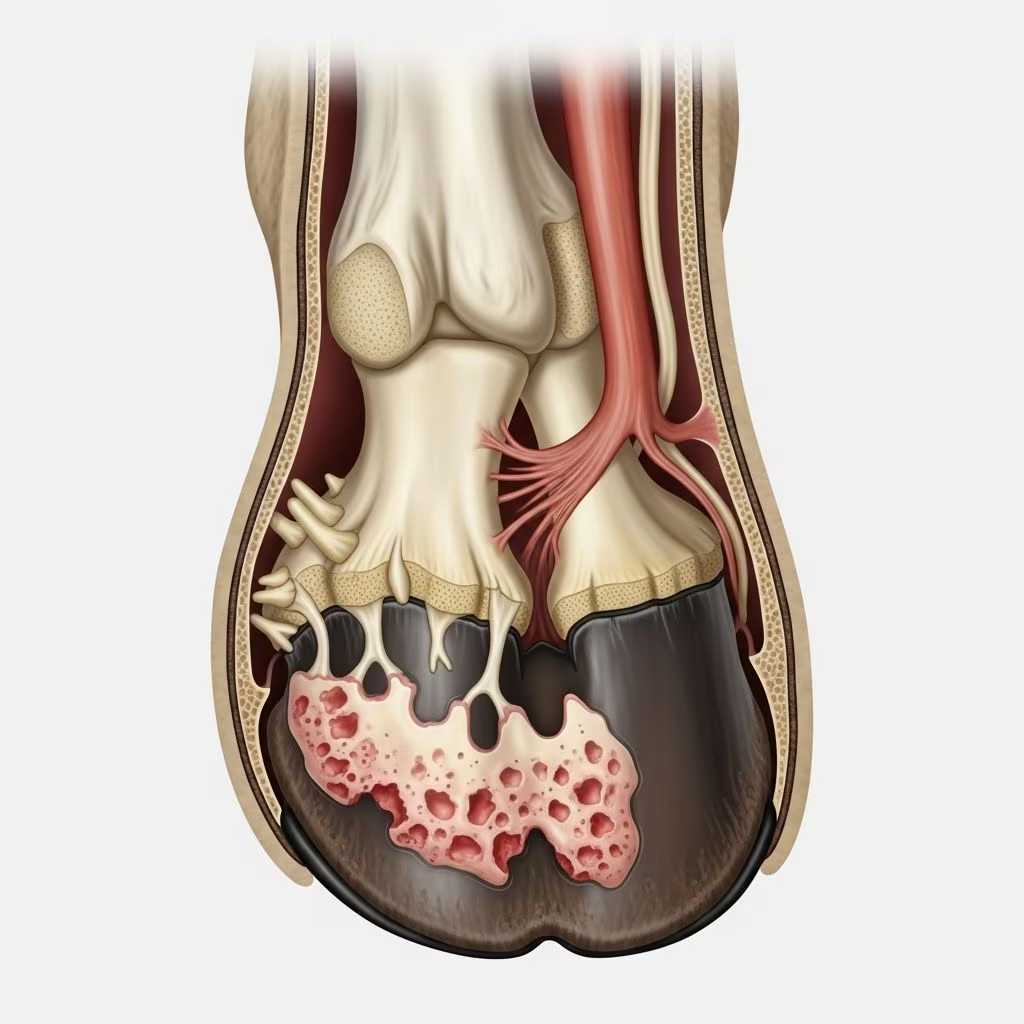
Pedal osteitis refers to inflammation within the coffin bone, also known as the pedal bone, located deep inside the horse’s hoof. This condition often leads to significant lameness and discomfort, impacting a horse’s ability to move comfortably or perform athletically. Understanding its origins, manifestations, and management is crucial for horse owners and veterinarians aiming to restore soundness.
What Triggers Pedal Osteitis?
The development of pedal osteitis stems from repeated stress or infection targeting the sensitive pedal bone. Non-septic forms arise primarily from mechanical overload, such as working on unforgiving hard ground, conformational flaws that unevenly distribute weight, or unresolved laminitis episodes that weaken hoof support. These factors cause micro-trauma accumulation, sparking chronic inflammation without bacterial involvement.
In contrast, septic pedal osteitis involves bacterial invasion, often penetrating through hoof cracks, sole punctures, or white line defects. Foals are particularly susceptible due to immature immune responses and rapid growth stressing developing bones. Poor sole thickness exacerbates vulnerability in both types, as thin soles fail to buffer impacts effectively.
- Common mechanical contributors: Long-term hard surface exercise, unbalanced hooves, nutritional deficiencies impairing bone density.
- Infectious pathways: Navicular bursa penetration, solar abscesses migrating to bone.
- Predisposing conditions: Chronic laminitis, improper trimming leading to uneven breakover.
Recognizing the Signs of Trouble
Horses with pedal osteitis typically exhibit toe-first landing patterns to minimize solar pressure, resulting in a shortened stride and reluctance to turn. Pain intensifies on gravel or rocks, prompting exaggerated digital pulses and heat in the affected foot. Post-exercise lameness worsens, and hoof testers elicit sharp reactions over the pedal bone area.
Chronic cases may show subtle gait alterations, like intermittent stumbling or favoring one foot during trots. Owners often notice increased sensitivity during farrier work, with horses pulling away from sole pressure. Early detection hinges on observing these behavioral shifts alongside environmental changes, such as seasonal hard ground.
| Symptom | Non-Septic Presentation | Septic Presentation |
|---|---|---|
| Lameness Grade | Grade 2-3, worsens with work | Grade 3-5, acute onset with fever |
| Hoof Changes | Subtle sole bruising | Abscess tracts, drainage |
| Response to Blocks | Improves with palmar digital nerve block | Partial relief, deep pain persists |
Diagnostic Approaches for Confirmation
Initial exams include hoof tester application and flexion tests to isolate pedal pain. Lameness localizes via perineural blocks at the abaxial sesamoid level, confirming coffin bone involvement when gait normalizes. Radiographs reveal classic demineralization: irregular pedal bone margins, cortical thinning, and increased trabecular spacing, though these changes lag behind active inflammation.
Advanced imaging elevates accuracy. Nuclear scintigraphy detects hot spots of increased uptake from ongoing bone remodeling. MRI excels at staging, showing bone marrow edema in acute phases or sclerosis in chronic ones, differentiating pedal osteitis from keratomas or fractures. Venography, less common now, highlights vascular disruptions but has been largely supplanted by MRI.
Managing Non-Septic Pedal Osteitis
Treatment prioritizes inflammation reduction and concussion minimization. Stall rest for 60-90 days allows bone recovery, paired with systemic NSAIDs like phenylbutazone or flunixin meglumine to control pain and swelling.
Farriery is pivotal: Corrective shoeing restores balance, incorporating rolled toes for smoother breakover, wide web shoes to spread load, and poured pads or gel inserts for sole protection. Aluminum shoes reduce weight on hard tracks, while heart-bar shoes temporarily offload the toe in severe cases. Long-term, many performance horses need ongoing modifications to sustain soundness.
- Shoeing options: Wide square toes, lateral extensions for medial flares, rim shoes for traction without sole pressure.
- Supportive therapies: Controlled exercise on soft footing, nutritional boosts with biotin and omega-3s for hoof quality.
Prognosis shines for acute, trauma-induced cases with prompt intervention, often resolving fully. Chronic or conformationally driven instances require lifelong management, with success varying by discipline.
Tackling Septic Pedal Osteitis Aggressively
Bacterial cases demand multifaceted attacks. Culture-guided antibiotics target pathogens, favoring combinations like penicillin-gentamicin, trimethoprim-sulfa, or regional perfusions for deep penetration. Systemic delivery ensures bone-level concentrations, continuing 4-6 weeks or until radiographs clear.
Surgical debridement removes necrotic bone and infected tissue. Performed standing or under general anesthesia with pastern tourniquets, approaches vary: Solar defects for central lesions, wall resection for dorsal involvement. Curettage clears debris, followed by iodine packing to promote keratinization. Hospital plates protect granulation for 5-10 days, with full healing by 12 weeks.
Post-op care includes bandage changes, NSAIDs, and gradual rehab. Complications like sequestra (dead bone fragments) may necessitate second surgeries, but recurrence is rare with thorough initial removal.
Prognosis and Long-Term Outcomes
Non-septic pedal osteitis yields good results with adherence to rest and shoeing, though elite athletes may face recurrence risks on hard surfaces. Septic forms boast excellent prognoses: 73% of adults regain prior performance levels, and 86% of foals survive treatment, with half racing successfully. Laminitis as an underlying factor worsens odds, potentially leading to rotation and founder.
Holistic factors influence recovery: Optimal nutrition enhances bone density, as seen in cases improving radiographically within months via balanced diets and barefoot balancing. Early intervention remains the cornerstone, transforming potential career-enders into sound partners.
Preventive Strategies for Hoof Health
Proactive measures curb pedal osteitis incidence. Regular farrier visits ensure precise trimming and shoeing, addressing imbalances before trauma builds. Sole thickness monitoring via radiographs guides padding needs, especially in thin-soled breeds.
Environmental management softens impacts: Arena footing amendments, trail riding on grass over rocks. Nutritional vigilance counters deficiencies; whole-food supplements support collagen and mineral absorption. Routine lameness checks catch subclinical issues early.
- Bi-annual radiographs for at-risk horses.
- Conformation assessments in young stock.
- Seasonal shoe adjustments for track workers.
Frequently Asked Questions (FAQs)
What is the typical recovery time for pedal osteitis?
Non-septic cases need 2-3 months of rest; septic ones 3-12 months post-surgery, depending on severity.
Can pedal osteitis be cured completely?
Acute non-septic forms often resolve fully; chronic or septic cases may require ongoing management for soundness.
Is surgery always necessary for septic pedal osteitis?
No, mild infections respond to antibiotics alone, but advanced bone involvement typically demands debridement.
How does MRI help diagnose pedal osteitis?
MRI reveals bone edema and sclerosis, confirming active inflammation beyond radiographic limits.
What role does shoeing play in prevention?
Balanced shoeing reduces concussion and improves breakover, preventing repetitive micro-trauma.
Key Takeaways for Horse Owners
Pedal osteitis demands vigilant observation, swift diagnostics, and customized care. Collaborating with veterinarians and farriers maximizes outcomes, enabling horses to thrive despite this hoof hurdle.
References
- Pedal Osteitis in Horses: Causes, Symptoms and Treatment — Mad Barn. 2023. https://madbarn.com/pedal-osteitis-in-horses/
- Pedal Osteitis in Horses – Musculoskeletal System — MSD Veterinary Manual. 2023-10-17. https://www.msdvetmanual.com/musculoskeletal-system/disorders-of-the-foot-in-horses/pedal-osteitis-in-horses
- Understanding pedal osteitis — Vet Times. 2023. https://www.vettimes.com/news/vets/equine/understanding-pedal-osteitis
- Pedal Osteitis A not so uncommon condition — Equine Medical Service. 2023. https://emsvet.com/newsletters/pedal-osteitis-a-not-so-uncommon-condition/
- Pedal Osteitis in the Horse — SecondVet. 2023. https://secondvet.com/pedal-osteitis-in-the-horse/



