

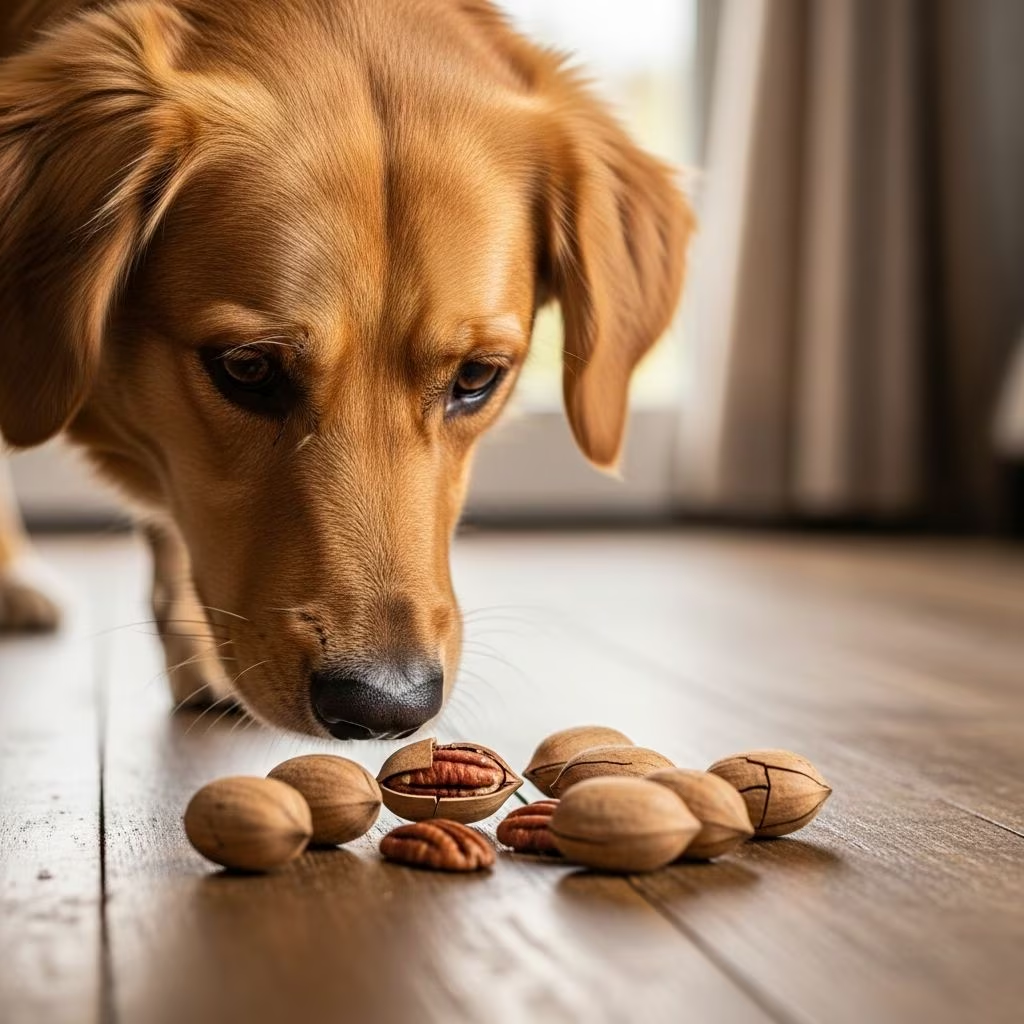
Many dog owners enjoy sharing snacks with their furry companions, and it’s natural to wonder whether common foods from our pantries are safe for our pets. Pecans, a nutrient-rich nut that humans consume regularly, often prompt this question. While pecans are not inherently toxic to dogs, they present several concerns that make them an inappropriate choice for canine diets. Understanding these risks and knowing when to seek veterinary assistance can help keep your dog healthy and safe.
Understanding the Pecan Problem
Pecans occupy an interesting position in the spectrum of foods for dogs. Unlike macadamia nuts, which are genuinely toxic to canines, pecans don’t automatically poison dogs. However, this absence of toxicity doesn’t make them safe or beneficial for your pet. The reality is more nuanced—pecans can cause significant health complications depending on factors such as the amount consumed, your dog’s individual sensitivities, and the condition of the nuts themselves.
Pet owners often assume that if something isn’t toxic, it must be acceptable in small quantities. This reasoning fails with pecans because their danger stems not from a single toxic compound but from multiple risk factors working together. Recognizing these interconnected hazards is essential for responsible pet ownership.
The Fat Content Concern
The primary issue with pecans relates to their fat composition. Pecans are exceptionally high in dietary fat, which presents challenges for canine digestive systems. While dogs require some fat in their diet for proper nutrition, pecans provide fat in concentrations far exceeding what a dog needs, especially when offered as a treat rather than a primary food source.
When dogs consume fatty foods in substantial quantities, several complications can develop. Gastrointestinal upset represents the most common immediate consequence, manifesting as vomiting and diarrhea. Beyond these uncomfortable symptoms, excessive fat intake can trigger pancreatitis—inflammation of the pancreas—which is a painful and potentially life-threatening condition requiring emergency veterinary intervention.
Pancreatitis develops when the pancreas becomes inflamed, often triggered by a sudden surge in dietary fat. Dogs with a history of pancreatitis or those genetically predisposed to the condition face heightened risk. Certain breeds, including miniature schnauzers and cocker spaniels, show increased susceptibility to this serious illness. Once a dog develops pancreatitis, they may require hospitalization, specialized dietary management, and ongoing veterinary monitoring.
Mycotoxin and Mold Exposure
A less commonly discussed but critically important concern involves mold contamination and the mycotoxins it produces. Pecans, particularly those still in their shells or stored in humid conditions, are susceptible to mold growth. Aspergillus molds, which commonly affect nuts, produce aflatoxins and other mycotoxins—powerful toxins capable of causing severe neurological and systemic damage.
When dogs ingest moldy pecans, they may experience alarming symptoms including severe tremors, seizures, muscle weakness, fever, and loss of coordination. These signs indicate neurotoxic effects that can be life-threatening. The challenge for pet owners is that mold isn’t always visible to the naked eye, making it impossible to guarantee that pecans are free from contamination simply by inspection. Pecans from the ground near trees or in damp storage environments carry particularly high mold risk.
Choking Hazards and Intestinal Blockages
Beyond nutritional concerns, pecans present mechanical risks. Whole pecans, especially those still enclosed in shells, can present choking hazards—particularly for small dogs or enthusiastic eaters who may attempt to swallow them without adequate chewing. Additionally, pecans can cause intestinal blockages if consumed in large quantities or if pieces lodge in the digestive tract. These blockages require surgical intervention and can be fatal if not treated promptly.
Dogs living near pecan orchards or those with access to fallen nuts face elevated risk. The natural behavior of dogs—to investigate and consume items found on the ground—makes supervision critical in these environments.
Pecan-Based Foods Are Even More Problematic
While fresh pecans carry inherent risks, pecan-containing prepared foods present compounded dangers. Pecan pie, for example, combines pecans with ingredients explicitly harmful to dogs: refined sugar, corn syrup, butter, and often vanilla extract. Some pecan pie recipes include xylitol, an artificial sweetener toxic to dogs even in small amounts.
Any food combining pecans with chocolate, raisins, or xylitol becomes a medical emergency. Even seemingly innocent pecan snacks containing salt, garlic, or onion powder expose dogs to additional hazardous ingredients. Always assume that human prepared foods containing pecans are unsafe for your dog.
Recognizing Symptoms of Pecan Ingestion
If your dog has consumed pecans, monitoring for symptoms is crucial. While eating a single pecan that fell to the floor rarely causes serious problems, larger quantities or moldy nuts warrant careful observation. Watch for the following warning signs:
- Digestive symptoms: Vomiting, diarrhea, loss of appetite, or abdominal pain
- Neurological signs: Tremors, seizures, loss of coordination, or stumbling
- General symptoms: Lethargy, fever, or unusual behavior
The severity and onset of symptoms depend on the amount consumed, the dog’s size and health status, and whether the pecans were moldy. Puppies and dogs with compromised immune systems may show symptoms more readily than healthy adult dogs.
When to Contact Your Veterinarian
If your dog shows any of the symptoms listed above after pecan consumption, contact your veterinarian immediately. Don’t wait to see if symptoms resolve on their own. Similarly, if you know your dog consumed moldy pecans or a large quantity of nuts, seek veterinary care even without visible symptoms.
Your veterinarian can provide specific guidance based on your dog’s size, age, health status, and the amount of pecans consumed. In some cases, monitoring at home suffices; in others, examination and treatment become necessary. The Pet Poison Helpline (855-764-7661) also offers expert guidance for suspected poisonings.
Can Pecan Consumption Be Fatal?
While death from pecan consumption isn’t common, it remains a possibility, particularly if pancreatitis develops or if significant mycotoxin exposure occurs. Dogs who consume large quantities of pecans, especially moldy ones, or those already suffering from health conditions face the greatest risk. Early recognition of symptoms and prompt veterinary treatment substantially improve outcomes.
Safer Nut and Treat Alternatives
If you want to offer your dog occasional nut-based treats, several alternatives present fewer risks than pecans:
| Alternative | Safety Profile | Serving Guidelines |
|---|---|---|
| Cashews (roasted, unsalted) | Safe in moderation | 1-2 nuts for small dogs, 3-5 for larger dogs |
| Almonds (unsalted, no whole nuts) | Safe in small quantities | Sliced or almond butter only |
| Hazelnuts | Not toxic but high in calories | Occasional, 1-2 nuts maximum |
| Peanuts (unsalted, xylitol-free) | Safe in small amounts | Few nuts or small amount of peanut butter |
Beyond nuts, many non-nut options provide nutritional value without associated risks:
- Carrots (crunchy, low-calorie, promotes dental health)
- Apples (remove seeds; provide vitamins and fiber)
- Plain popcorn (air-popped, no salt or butter)
- Green beans (low-calorie, nutritious)
- Plain cooked chicken or turkey (excellent protein source)
Best Practices for Treating Your Dog
When offering any treat, including safer alternatives to pecans, follow these guidelines to maintain your dog’s health:
- Ensure treats comprise no more than 10% of daily caloric intake
- Introduce new foods gradually and watch for adverse reactions
- Always consult your veterinarian before adding new foods, especially if your dog has health conditions or takes medications
- Read ingredient labels carefully, avoiding xylitol, chocolate, raisins, and excessive sodium
- Keep treats in secure containers away from your dog’s independent access
- Never assume human foods are safe without verification
Frequently Asked Questions
What if my dog ate one pecan that fell on the floor?
A single pecan accidentally consumed rarely causes serious harm, particularly if it wasn’t moldy and your dog shows no symptoms. Monitor your pet for 24-48 hours for any signs of illness, but intervention typically isn’t necessary.
Are black walnuts different from pecans?
Yes. Black walnuts are more dangerous than pecans and should be strictly avoided. Like pecans, walnuts contain juglone, a compound harmful to dogs, and they present similar mold and mycotoxin risks.
My dog ate pecan pie—what should I do?
Contact your veterinarian immediately. Pecan pie contains sugar, butter, and potentially xylitol—all problematic for dogs—in addition to the pecans themselves. Your vet can assess based on the amount consumed and provide appropriate guidance.
Are pecans safe for puppies?
Puppies face heightened risk from pecan consumption due to their immature digestive and immune systems. They may react more severely to pecans than adult dogs, showing symptoms more readily and suffering greater complications.
Can I feed my dog small, occasional amounts of pecans?
While a tiny amount of pecan likely won’t cause harm, the unpredictable risks—particularly mold contamination—make this practice inadvisable. Why take any chance when numerous safer alternatives exist?
The Bottom Line
Pecans represent an unnecessary risk to your dog’s health. Although not inherently toxic, their high fat content, susceptibility to mold, choking hazard potential, and propensity to cause serious conditions like pancreatitis make them unsuitable for canine consumption. The absence of toxicity doesn’t equate to safety—a crucial distinction for responsible pet owners.
Your dog’s health and safety depend on informed decisions about what enters their food bowl. By understanding the risks associated with pecans and offering safer alternatives instead, you provide your beloved companion with treats that satisfy their desires without endangering their wellbeing. When in doubt about any food’s safety, consulting your veterinarian ensures you make choices tailored to your individual dog’s needs and health status.
References
- Can Dogs Eat Pecans? — PetMD. Accessed February 2026. https://www.petmd.com/dog/nutrition/can-dogs-eat-pecans
- Can My Dog Eat Nuts? — Taste of the Wild Pet Food. https://www.tasteofthewildpetfood.com/articles/can-my-dog-eat-that/nuts/
- Puppies and Pecans — Ellis County Master Gardener Association. https://txmg.org/ellis/puppies-and-pecans/
- Are Pecans Safe for Dogs? — Evie’s Snacks. https://eviessnacks.com/blogs/pecans-101/are-pecans-safe-for-dogs



