
Peas in Dog Food: Safe or Risky?
Uncover the facts about peas in canine diets: nutritional perks, potential pitfalls, and expert insights on heart health and more.
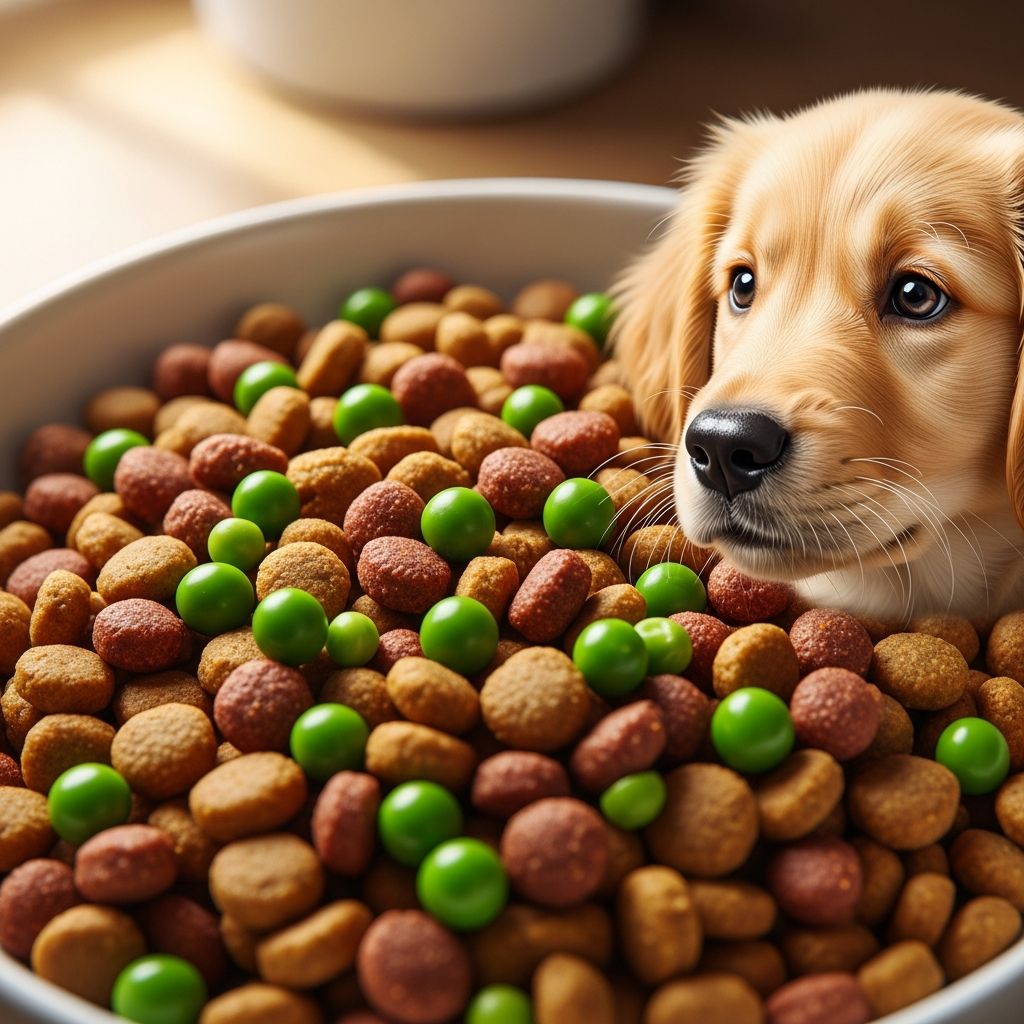
Peas have become a common ingredient in many commercial dog foods, particularly in grain-free formulas. These small green legumes offer fiber, protein, and vitamins, but questions linger about their safety, especially regarding heart conditions like dilated cardiomyopathy (DCM). This article examines the nutritional value of peas, potential health risks, scientific findings, and practical tips for pet owners.
Nutritional Profile of Peas for Canines
Peas provide several benefits when included thoughtfully in a dog’s diet. They are rich in plant-based protein, dietary fiber, vitamins such as B vitamins, iron, and magnesium, which support digestion, immune function, and overall vitality.
- Protein Source: Peas contribute a moderate amount of protein, though not as bioavailable as animal sources.
- Fiber Boost: Helps regulate bowel movements and promotes gut health.
- Antioxidants: May reduce inflammation and support skin, heart, and eye health in small amounts.
Fresh, frozen, or thawed peas make excellent occasional treats, delivering these nutrients without added sodium found in canned versions. However, dogs do not require vegetables as dietary staples; they thrive primarily on animal proteins.
Role of Peas in Modern Dog Kibble
In grain-free dog foods, peas and other pulses like lentils replace grains to maintain kibble texture and boost protein levels. This shift appeals to owners avoiding grains due to perceived allergies, though true grain sensitivities are rare.
Manufacturers use peas for functionality: they bind ingredients during extrusion and elevate crude protein percentages on labels. Yet, over-reliance on pea protein can signal cost-cutting rather than optimal nutrition, as plant proteins lack the complete amino acid profiles of meat.
| Ingredient Type | Pros in Dog Food | Cons |
|---|---|---|
| Whole Peas | Fiber, vitamins, texture aid | Lower protein quality |
| Pea Protein | High protein boost | May displace animal proteins |
| Grains (Traditional) | Energy, binding | Potential allergies (rare) |
Balanced formulas pair peas with quality animal meals like chicken or lamb for comprehensive nutrition.
Investigating the DCM Connection
Dilated cardiomyopathy, a heart muscle disease, surged in reports around 2018, prompting FDA investigations into grain-free diets high in peas, lentils, and potatoes. Early hypotheses suggested these ingredients might hinder taurine absorption, a nutrient vital for heart function.
Tufts University research identified peas as a common factor in DCM-associated diets, noting lower vitamin levels and potential amino acid interference. However, causation remains unproven; factors like diet exclusivity and breed predispositions complicate links.
Recent studies offer reassurance. University of Guelph research found no heart issues in dogs fed pulse-rich diets over extended periods, affirming safety for healthy canines. A PMC study on pea-heavy extruded kibble detected low mycotoxin levels below harmful thresholds, though moisture management is key.
Storage and Contamination Risks with Pea Diets
High-pea formulas pose unique production challenges. Extrusion requires extra steam and moisture, risking mold growth if post-production moisture is mismeasured. In one study, a pea-based diet (over 40% peas) showed higher mold and mycotoxins after storage compared to meat-based counterparts, potentially reducing nutrient availability.
- Mold can lead to mycotoxicosis, though levels stayed under EU limits (e.g., ochratoxin at 0.003 mg/kg).
- Owners should store kibble in cool, dry places and monitor expiration.
These issues underscore quality control’s importance over ingredient blame.
Moderation: The Key to Safe Pea Inclusion
Peas are non-toxic and beneficial in limits. Treats should not exceed 10% of daily calories to avoid digestive upset like gas or diarrhea. For kibble, seek products where animal proteins lead the list, with peas supplemental.
Veterinarians recommend consulting before diet switches, especially for breeds prone to DCM like Golden Retrievers. Transition gradually and watch for symptoms: lethargy, coughing, or weight loss warrant vet checks.
Comparing Pea Varieties and Forms
| Form | Safety | Best Use | Cautions |
|---|---|---|---|
| Fresh/Frozen Peas | Safe | Treats | Pods may choke |
| Canned Peas | Limit | Occasional | High sodium |
| Snow/Snap Peas | Safe | Snacks | Small amounts |
| Pea Protein in Kibble | Okay if balanced | Main diet | Not primary protein |
Plain peas without seasonings are ideal; avoid garlic or onions.
Expert Recommendations for Dog Food Selection
Choose AAFCO-compliant foods with named meat meals first. Avoid extremes: all-plant or ultra-high legume lists. Recent data (post-2023) shows stabilized DCM reports, suggesting multifactorial causes beyond peas.
For grain-free fans, verify taurine supplementation if needed. Regular bloodwork monitors nutrient status.
FAQs on Peas and Canine Health
Can all dogs eat peas?
Yes, most tolerate peas well as treats, but consult vets for puppies, seniors, or those with health issues.
Do peas cause heart disease in dogs?
No direct link proven; associated with some grain-free diets, but recent studies clear pulses for healthy dogs.
How much pea kibble is too much?
Peas under 20-30% of formula okay if balanced; prioritize animal proteins.
Are there safer alternatives to peas?
Grains like rice or oats work for binding; quality meats for protein.
Should I avoid grain-free foods?
Not necessarily; evidence shows they’re safe when formulated properly.
In summary, peas enhance dog diets when used moderately and alongside superior proteins. Awareness of risks like storage mold and DCM associations empowers informed choices for your pet’s well-being.
References
- Extruded canine diets containing primarily peas in contrast to those containing lamb and chicken meal are at higher risk of mold and mycotoxin contamination — PMC/NCBI. 2024. https://pmc.ncbi.nlm.nih.gov/articles/PMC11561854/
- Can Dogs Eat Peas? — PetMD. 2023. https://www.petmd.com/dog/nutrition/can-dogs-eat-peas
- Are Peas Bad in Dog Food? — Whole Dog Journal. 2023. https://www.whole-dog-journal.com/food/are-peas-bad-in-dog-food/
- Can Dogs Eat Peas? — American Kennel Club (AKC). 2023. https://www.akc.org/expert-advice/nutrition/can-dogs-eat-peas/
- ‘Peas of Mind’: Pulse Ingredients in Dog Food Not Linked to Heart Problems — University of Guelph News. 2023-04. https://news.uoguelph.ca/2023/04/peas-of-mind-pulse-ingredients-in-dog-food-not-linked-to-heart-problems-says-new-u-of-g-research/
Similar Articles








Read full bio of medha deb




