

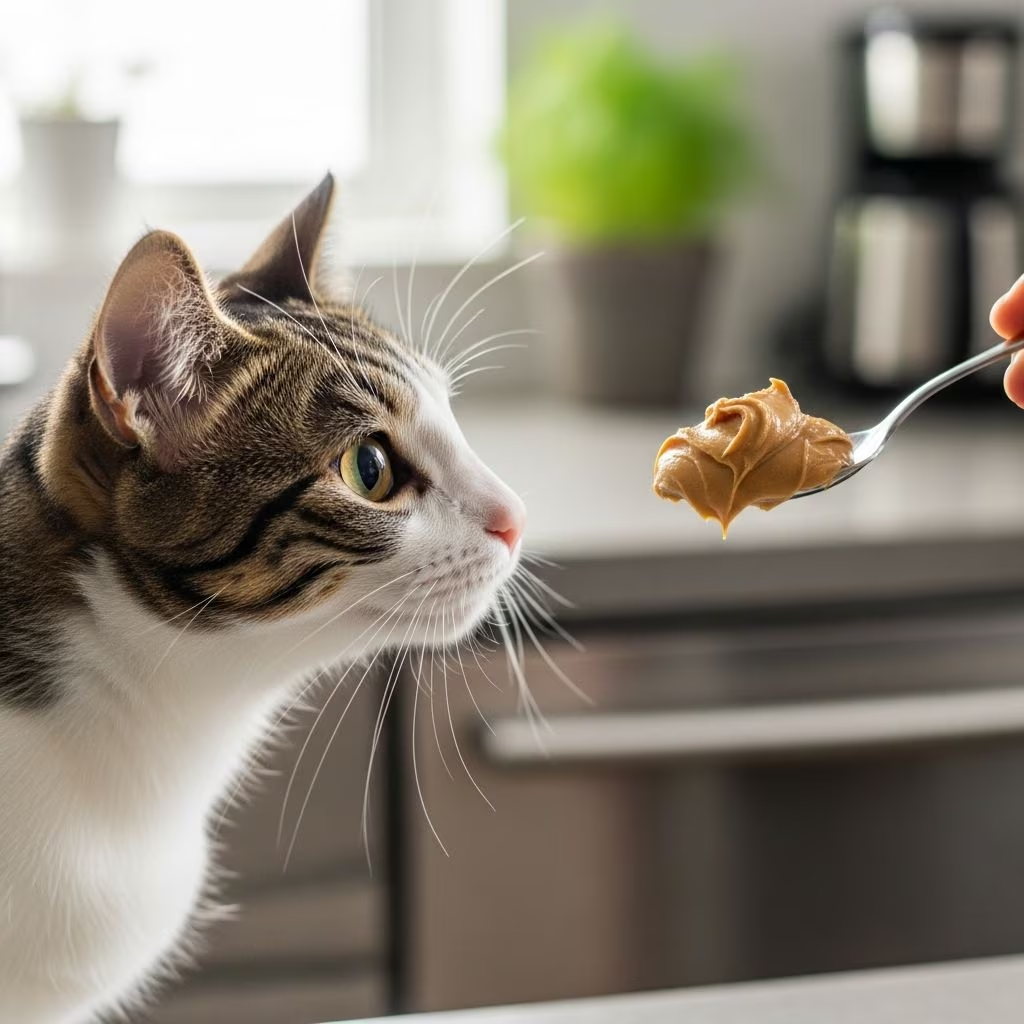
As a cat owner, you may wonder whether your feline companion can enjoy the same treats you do. Peanut butter is a popular human food that raises questions about feline consumption. While the straightforward answer is that cats can technically consume small amounts of peanut butter without immediate poisoning, veterinary professionals strongly advise against making it a regular part of your cat’s diet. Understanding the reasons behind this recommendation requires examining the nutritional needs of cats, the composition of peanut butter, and the various health risks associated with its consumption.
Understanding Your Cat’s Dietary Requirements
Cats possess fundamentally different nutritional needs compared to humans and many other animals. Unlike humans and dogs, who are omnivores capable of deriving nutrition from a wide variety of food sources, cats are obligate carnivores. This biological reality means that cats require meat-based proteins to satisfy their essential nutritional requirements. Their digestive systems have evolved over thousands of years to process and extract nutrients from animal proteins effectively.
Peanut butter does not align with a cat’s carnivorous dietary structure. While peanut butter contains some protein, it comes from plant sources rather than animal sources, and cats cannot metabolize plant-based proteins with the same efficiency as animal proteins. Furthermore, the high fat content in peanut butter does not complement a feline’s nutritional profile. Cats typically obtain the necessary energy and nutrients from specially formulated commercial cat foods designed to meet their specific biological requirements.
The majority of a cat’s daily caloric intake should come from feline-specific foods, with treats comprising no more than 10% of their total daily calories. When you consider this distribution, it becomes clear that offering peanut butter serves no nutritional purpose and merely displaces calories that should come from more appropriate sources.
Gastrointestinal Concerns and Digestive Issues
One of the primary reasons veterinarians discourage peanut butter consumption is the potential for gastrointestinal upset. Peanut butter is notably high in fat and salt, components that can create digestive distress in felines. When cats consume peanut butter, they may experience several uncomfortable digestive symptoms:
- Vomiting
- Diarrhea
- Abdominal pain and discomfort
- Gas and bloating
- General stomach upset
Cats with pre-existing gastrointestinal conditions face elevated risks. Those suffering from inflammatory bowel disease, chronic gastrointestinal issues, or a history of digestive problems should avoid peanut butter entirely. Similarly, cats with pancreatitis, hepatitis, or diabetes require special dietary considerations and should not consume peanut butter.
The digestive system of cats is specifically designed to process meat and animal-based products. The enzyme inhibitors naturally present in peanuts can interfere with normal digestive processes in felines, leading to the uncomfortable symptoms described above.
The Choking Hazard Factor
Beyond nutritional and digestive concerns, peanut butter presents a physical safety risk through its unique texture and consistency. The thick, sticky nature of peanut butter can pose a genuine choking hazard for cats. Even small amounts of peanut butter can adhere to the roof of a cat’s mouth or become lodged in the throat due to their comparatively smaller oral passages.
Many cat owners underestimate this risk because they consider the quantity being offered to be minimal. However, what seems like a tiny amount to a human can represent a significant choking hazard for a feline. Some varieties of peanut butter have a particularly thick consistency that increases this danger. Chunky peanut butter varieties present an additional risk, as the nut pieces themselves could potentially cause obstruction in the digestive tract.
The Xylitol Toxicity Concern
Perhaps the most serious health risk associated with peanut butter consumption involves artificial sweeteners, particularly xylitol. While many consumers associate xylitol toxicity primarily with dogs, it poses an equally serious threat to cats. Xylitol has been increasingly incorporated into various peanut butter products as a sugar substitute, especially in sugar-free varieties marketed as healthier alternatives.
When a cat ingests xylitol, the compound triggers a sudden, uncontrolled release of insulin from the pancreas. This physiological response causes hypoglycemia, a dangerous condition characterized by abnormally low blood sugar levels. The consequences of xylitol poisoning in cats can be severe and potentially fatal without immediate veterinary treatment.
Symptoms of xylitol poisoning include:
- Vomiting and lethargy
- Lack of coordination and loss of balance
- Seizures
- Coma
Without prompt veterinary intervention, xylitol consumption can result in liver failure and death. This risk underscores the critical importance of reading product labels carefully before offering any human food to your cat. Pet owners should actively avoid any peanut butter product containing xylitol and should seek immediate veterinary care if their cat accidently consumes xylitol-containing products.
Weight Management and Metabolic Concerns
Obesity represents one of the most common health problems in domestic cats, and dietary choices play a significant role in weight management. Peanut butter is exceptionally high in calories and fat. Regular consumption of this calorie-dense food can contribute to unhealthy weight gain in cats, regardless of the portion size.
The relationship between obesity and various metabolic disorders in cats is well-established. Overweight cats face increased risks for:
- Type 2 diabetes
- Joint and mobility problems
- Heart disease
- Decreased lifespan
Additionally, many commercial peanut butter products contain added sugars that can trigger inflammation and contribute to various health complications. High sugar content in treats can predispose cats to metabolic dysfunction and, in some cases, may increase cancer risk. For cats with existing heart conditions or elevated blood pressure, the high sodium content in most peanut butter varieties presents another concern.
Potential Allergic Reactions
Although peanut allergies in cats are less common than in humans, they do occur and can manifest with varying degrees of severity. Some cats may experience mild allergic symptoms, while others could develop life-threatening anaphylaxis. When introducing any new food to your cat’s diet, careful monitoring is essential to identify potential allergic responses.
Signs that your cat may be experiencing an allergic reaction to peanut butter include:
- Facial swelling
- Severe itching and skin irritation
- Hair loss
- Chronic ear infections
- Loss of appetite
- Unexplained weight loss
- Difficulty breathing
- Hives
If your cat exhibits any of these symptoms after consuming peanut butter, discontinue offering it immediately and contact your veterinarian. Do not attempt to treat allergic reactions with over-the-counter medications intended for human use, as these can be toxic to cats.
Safe Alternatives for Cat Treats
Rather than offering peanut butter, which provides minimal benefit and carries multiple risks, consider these feline-appropriate alternatives that align better with your cat’s nutritional needs:
- Lean meat options such as chicken or turkey (plain and unseasoned)
- Fish varieties including tuna or salmon
- Commercial cat treats formulated specifically for feline nutrition
- Wet cat food designed for optimal feline health
- Small amounts of cooked egg (without seasoning)
- Freeze-dried meat treats made for cats
These alternatives satisfy your cat’s natural carnivorous instincts while providing nutritional value appropriate for their species. When offering any treat, remember to maintain the 10% treat ceiling relative to daily caloric intake.
Label Reading and Product Selection Guide
If you absolutely must offer peanut butter to your cat, understanding how to read and interpret product labels becomes critically important. Not all peanut butters are created equal, and some ingredients pose greater risks than others.
| Ingredient to Avoid | Health Risk | Severity |
|---|---|---|
| Xylitol | Hypoglycemia, liver failure, death | Critical |
| Added sugars | Obesity, diabetes, inflammation | High |
| High sodium | Blood pressure issues, heart strain | Moderate |
| Artificial additives | Various toxicity risks | Variable |
If you choose to offer peanut butter despite these warnings, select unsalted varieties without added sweeteners. Even with careful selection, limit portions to half a teaspoon, offered no more than twice per week, and always provide fresh water afterward.
Special Considerations for Cats with Existing Health Conditions
Cats suffering from pre-existing health conditions should avoid peanut butter entirely. This includes cats with diabetes, kidney disease, chronic gastrointestinal troubles, pancreatitis, or hepatitis. The combination of a cat’s underlying health vulnerability and peanut butter’s composition creates unacceptable risks.
If your cat with a medical condition accidentally consumes peanut butter, notify your veterinarian immediately, particularly if the product contains xylitol. Cats with existing digestive issues may experience severe exacerbation of their symptoms, requiring professional medical intervention.
Frequently Asked Questions
Can cats eat peanut butter and jelly?
No. The combination doubles the risk factors present in peanut butter alone. Jelly adds additional sugars and potentially toxic sweeteners while contributing empty calories with no nutritional benefit. This combination should be avoided entirely.
What if my cat accidentally ate peanut butter?
Most healthy cats that consume a small amount (less than one teaspoon) of peanut butter without xylitol will likely experience only mild gastrointestinal symptoms or none at all. Monitor your cat for signs of vomiting, diarrhea, or lethargy. If symptoms develop or persist, contact your veterinarian. If xylitol was present, seek immediate veterinary care.
Are peanuts safer than peanut butter for cats?
No. Plain peanuts without seasonings present choking hazards and potential intestinal obstruction risks, particularly if the shell remains intact. It is best to avoid offering peanuts to cats altogether.
Can cats eat peanut butter cookies?
Absolutely not. Peanut butter cookies concentrate all the negative aspects of peanut butter while adding high levels of carbohydrates that cats cannot digest efficiently. Cookies also typically contain additional sweeteners, spices, and potentially toxic ingredients. This treat is inappropriate for feline consumption.
Conclusion: Prioritizing Your Cat’s Health
While peanut butter is not technically poisonous to cats in tiny amounts, veterinary consensus strongly recommends avoiding it altogether. The risks—including gastrointestinal upset, potential allergic reactions, choking hazards, xylitol poisoning, and contribution to obesity and metabolic disease—far outweigh any perceived benefits. Cats derive no meaningful nutritional value from peanut butter, making it an unnecessary dietary addition.
As a responsible cat owner, prioritizing species-appropriate foods and treats demonstrates genuine commitment to your feline companion’s long-term health and wellbeing. When tempted to share your favorite human foods, remember that your cat’s unique nutritional requirements and biological limitations make such offerings potentially harmful. Instead, choose treats specifically formulated for feline health, maintain appropriate portion sizes, and consult your veterinarian before introducing any new foods to your cat’s diet. Your cat will thrive far better on a diet designed specifically for their needs than on human foods offered out of affection.
References
- Can Cats Eat Peanut Butter? — Litter-Robot. Accessed February 17, 2026. https://www.whisker.com/blog/can-cats-eat-peanut-butter
- Can Cats Eat Peanut Butter? Here’s Everything You Need To Know — Pawlicy Advisor. Accessed February 17, 2026. https://www.pawlicy.com/blog/can-cats-eat-peanut-butter/
- Can Cats Eat Peanut Butter? — PetMD. Accessed February 17, 2026. https://www.petmd.com/cat/nutrition/can-cats-eat-peanut-butter
- Can Cats Eat Peanut Butter? Safety Tips & Warnings — Diamond Pet Foods. Accessed February 17, 2026. https://www.diamondpet.com/blog/nutrition/can-cats-eat-peanut-butter/
- Can Cats Eat Peanut Butter? — Chewy. Accessed February 17, 2026. https://www.chewy.com/education/cat/food-and-nutrition/nutrition-pet-diet-tips-can-cats-eat-peanut-butter
- Can Cats Eat Peanut Butter? — The Rescue Vets. Accessed February 17, 2026. https://therescuevets.com/education-resources/cat-care-tips/can-cats-eat-peanut-butter/
- Can Cats Eat Peanut Butter? — Arvada Vet Hospital. Accessed February 17, 2026. https://arvadavethospital.com/blog/can-cats-eat-peanut-butter-in-arvada-co/



