

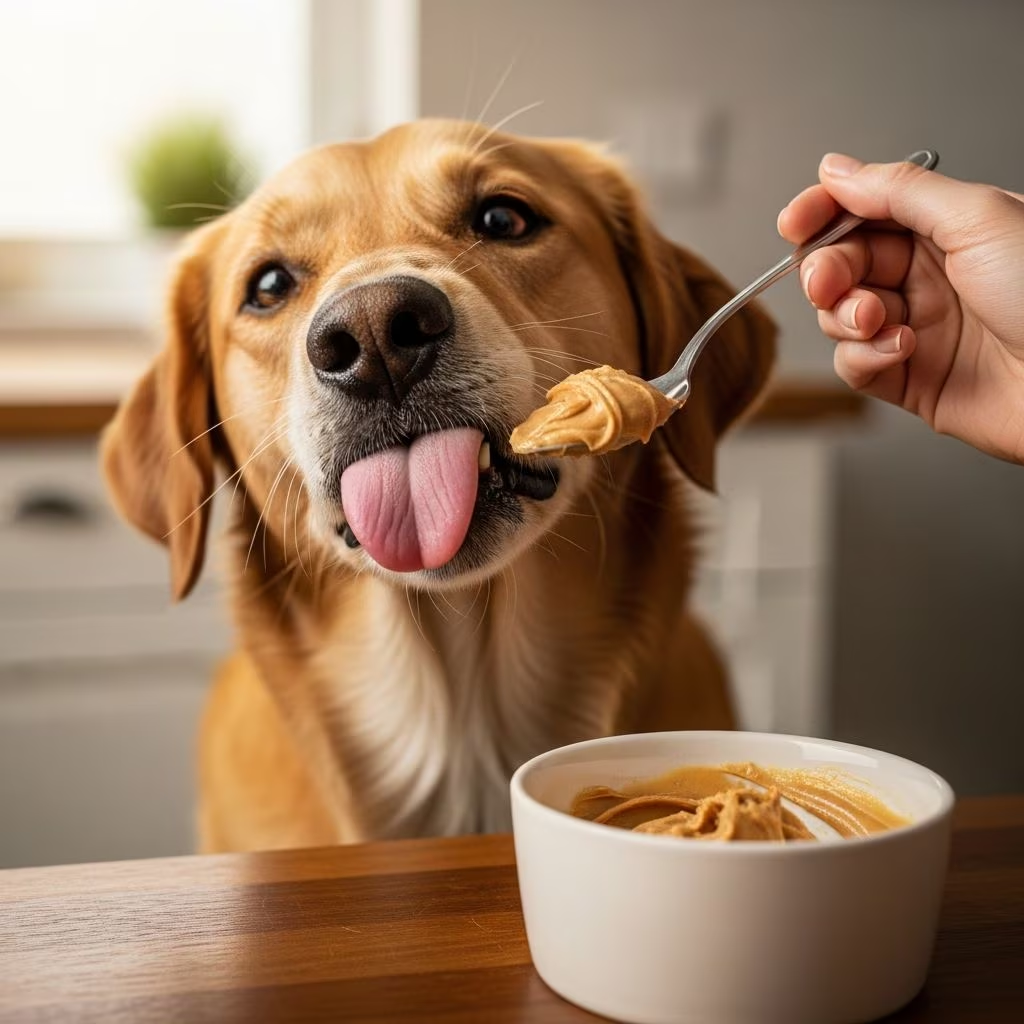
Peanut butter ranks among the top treats many dogs adore for its rich flavor and sticky texture. When selected carefully, it provides nutritional benefits like protein and healthy fats, but improper choices can lead to serious health risks. This guide breaks down everything pet owners need to know for safe incorporation into a dog’s diet.
Understanding Peanut Butter’s Appeal to Canines
Dogs often salivate at the sight or smell of peanut butter due to its high fat content and strong aroma, mimicking the appeal of meaty rewards. This makes it a favorite for stuffing into toys or using during training sessions. Nutritionally, quality peanut butter delivers vitamins such as E and B, along with niacin, supporting skin health and energy metabolism in moderation.
However, not all varieties suit canine digestive systems. Commercial products frequently include additives that humans tolerate but dogs cannot, emphasizing the need for label scrutiny before offering any portion.
Key Ingredients to Avoid in Dog Peanut Butter
The primary danger in peanut butter for dogs is xylitol, an artificial sweetener common in sugar-free or low-carb versions. Even tiny amounts trigger a rapid insulin surge in dogs, causing hypoglycemia, seizures, liver failure, or death. Always scan ingredient lists for ‘xylitol,’ ‘birch sugar,’ or similar terms.
- Xylitol: Toxic; seek immediate vet care if ingested.
- Added sugars: Promote obesity and dental issues.
- High salt: Strains kidneys, risky for certain breeds.
- Hydrogenated oils: Contribute to pancreatitis flare-ups.
Opt for products listing only peanuts and perhaps a pinch of salt. Dog-specific peanut butters eliminate these concerns entirely.
Selecting the Best Peanut Butter for Your Dog
Choose natural, unsalted peanut butter with minimal processing. Smooth versions work best for most dogs, reducing choking hazards, though crunchy is fine if your pet chews thoroughly. Homemade options offer full control: blend roasted peanuts alone for purity.
| Type | Pros | Cons | Best For |
|---|---|---|---|
| Natural Smooth | Xylitol-free, easy to spread | May separate | All dogs, especially puppies |
| Crunchy Natural | Added texture for chewers | Choking risk for gulpers | Large, slow-eating dogs |
| Dog-Specific | Formulated safely | Higher cost | Owners seeking convenience |
| Homemade | Fresh, customizable | Time-intensive | Health-conscious owners |
Test small amounts first to monitor tolerance, starting with a pea-sized dab.
Recommended Serving Sizes by Dog Size
Peanut butter’s calorie density—around 100 calories per tablespoon—demands strict moderation. Treats should comprise no more than 10% of daily caloric intake to prevent nutritional imbalance or weight gain.
- Tiny dogs (under 10 lbs): 1/4 to 1/2 teaspoon, 1-2 times weekly.
- Small dogs (10-25 lbs): 1/2 to 1 teaspoon, twice weekly max.
- Medium dogs (25-50 lbs): 1-2 teaspoons, 2-3 times weekly.
- Large dogs (50+ lbs): 1-2 tablespoons, sparingly.
Adjust based on activity: active dogs tolerate more, while seniors or less mobile ones need less. Consult vets for personalized advice, especially with health conditions.
Health Benefits of Peanut Butter in a Dog’s Diet
Beyond taste, safe peanut butter supplies monounsaturated fats for coat shine and joint support, plus protein for muscle maintenance. Antioxidants like vitamin E combat oxidative stress, potentially aiding immunity. Niacin supports nerve function. These perks shine when used occasionally, not daily.
Studies affirm peanuts’ safety for dogs absent allergies, positioning peanut butter as a superior treat over many processed alternatives.
Potential Risks and Warning Signs
Overfeeding leads to pancreatitis from excess fat, obesity, or gastrointestinal upset like diarrhea. Allergic reactions, though rare, manifest as itching, swelling, or breathing issues—peanuts rank low on common allergens but warrant caution.
Monitor post-consumption: vomiting, lethargy, tremors signal trouble. Xylitol exposure demands emergency intervention, as symptoms escalate fast.
Dogs That Should Skip Peanut Butter
Certain profiles face heightened risks:
- Pancreatitis history: Fat triggers inflammation.
- Obese or diabetic: Calories and sugars disrupt management.
- Kidney disease: Salt burdens filtration.
- Puppies under 6 months: Developing systems prefer simpler foods.
- Allergy-prone breeds: Test tiny amounts.
Vets may approve modified use for these dogs.
Creative Uses for Peanut Butter with Dogs
Leverage its stickiness for engagement:
- Stuff toys: Fill Kongs, freeze for long-lasting fun.
- Training rewards: Dab on targets for commands.
- Med delivery: Hide pills inside small balls.
- Dental aids: Spread on chews to prolong licking.
These methods reduce boredom, curb destructive behavior.
DIY Peanut Butter Recipes Tailored for Dogs
Control quality at home. Basic Blend: Roast 2 cups peanuts at 350°F for 10 minutes, cool, process until smooth (10-15 minutes). Store refrigerated up to 2 months.
Pumpkin Boost: Mix 1 cup peanut butter, 1/2 cup canned pumpkin (no sugar), 1/4 oats. Form balls, freeze. Adds fiber for digestion.
Apple Slice Treats: Core apple, slice, spread thin peanut butter layer. Vitamin C bonus, low-cal.
Each recipe yields 20-30 treats; portion accordingly.
Frequently Asked Questions
Can puppies eat peanut butter?
Yes, in tiny amounts from 8 weeks, using xylitol-free natural varieties. Introduce gradually to check digestion.
Is crunchy peanut butter okay for dogs?
Generally yes, if safe ingredients; supervise small or fast eaters to prevent choking.
How do I know if peanut butter has xylitol?
Read labels: avoid ‘sugar-free’ unless confirmed peanut-only. Contact manufacturer if unsure.
Can peanut butter help with dog anxiety?
Licking slows heart rate, promoting calm when stuffed in toys.
What if my dog eats toxic peanut butter?
Rush to vet with product details; treatment includes monitoring blood sugar, IV fluids.
Expert Tips for Long-Term Safety
Integrate peanut butter sparingly within balanced nutrition. Pair with veggies for lower-calorie options. Annual vet checkups catch sensitivities early. Track weight monthly to adjust treats. These habits ensure enjoyment without jeopardy.
References
- Can Dogs Eat Peanut Butter Safely? — Best Friends Veterinary Center. 2023-05-15. https://bestfriendsvet.org/blog/can-dogs-eat-peanut-butter/
- Can Dogs Eat Peanut Butter? — PetMD. 2024-08-20. https://www.petmd.com/dog/nutrition/can-dogs-eat-peanut-butter
- Can Dogs Eat Peanut Butter? Serving Size & Safety Tips — Spot and Tango. 2024-03-10. https://www.spotandtango.com/blog/can-dogs-eat-peanut-butter
- Can Dogs Eat Peanut Butter? — American Kennel Club. 2024-11-05. https://www.akc.org/expert-advice/nutrition/can-dogs-eat-peanut-butter/
- Can Dogs Eat Peanut Butter? — Blue Cross. 2023-12-01. https://www.bluecross.org.uk/advice/dog/food-and-weight/can-dogs-eat-peanut-butter
- Can Peanut Butter Kill Your Dog? An Expert Weighs In — National Peanut Board. 2024-02-14. https://nationalpeanutboard.org/news/can-peanut-butter-kill-your-dog-an-expert-weighs-in-for-national-dog-day/



