
Peanut Butter Bliss Dog Treats
Discover safe, simple homemade peanut butter treats that delight your dog while prioritizing health and nutrition.
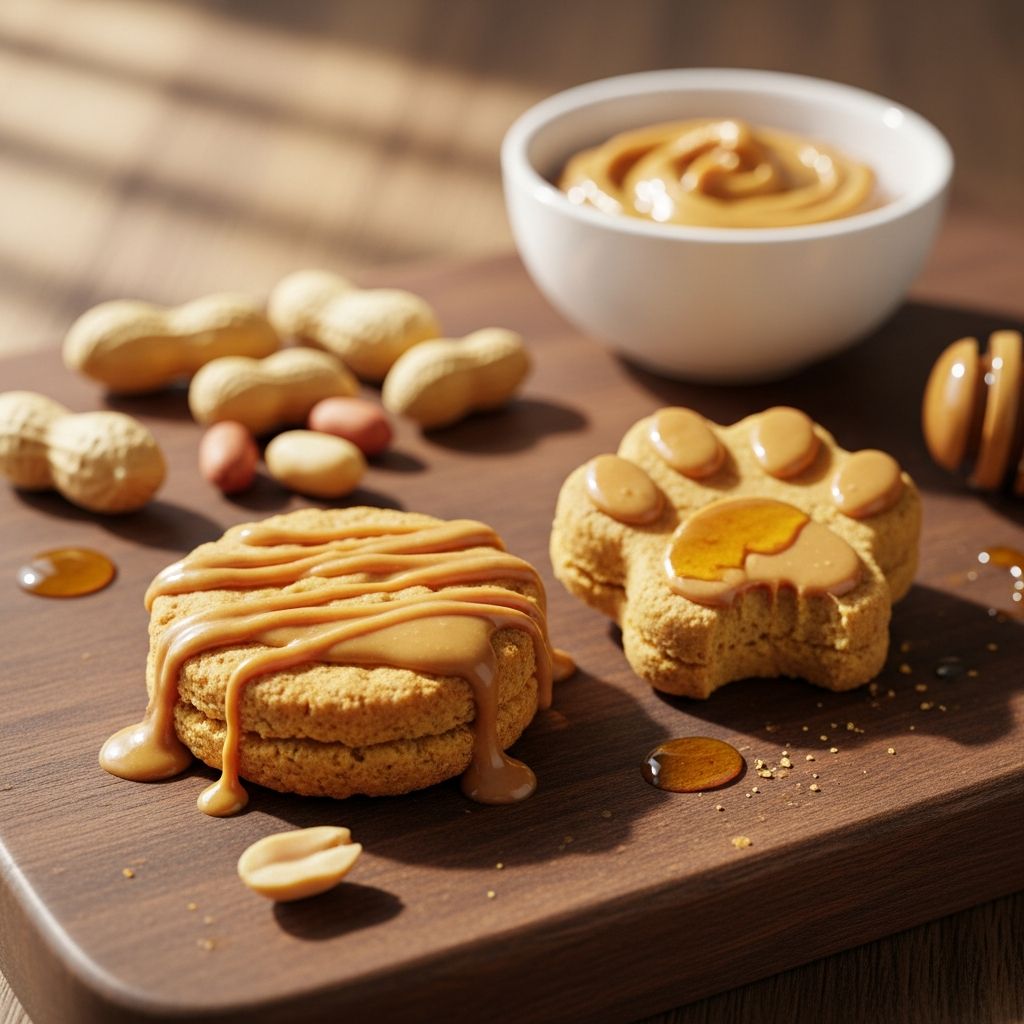
Homemade dog treats offer pet owners a rewarding way to bond with their canine companions while controlling ingredient quality. These peanut butter bliss treats combine simple, wholesome components like peanut butter and oats into chewy, flavorful bites that dogs adore. By preparing them yourself, you sidestep preservatives and fillers common in commercial products, tailoring flavors to your dog’s preferences.
Why Choose Homemade Over Store-Bought?
Store-bought treats often contain excess salt, sugar, and artificial additives that contribute to obesity and digestive issues in dogs. Homemade versions let you select fresh, high-quality ingredients, ensuring nutritional balance. You can customize for picky eaters or those with sensitivities, making mealtime exciting without health risks.
- Full Ingredient Transparency: Know exactly what’s in every bite, avoiding hidden allergens.
- Cost-Effective: Use pantry staples for batches that last weeks.
- Freshness Guarantee: No stale products or questionable expiration dates.
Experts emphasize moderation: treats should not exceed 10% of daily calories to prevent weight gain. This approach supports long-term wellness alongside a balanced diet.
Essential Ingredients for Peanut Butter Bliss Treats
The foundation of these treats is natural peanut butter, oats, and a touch of banana for natural sweetness. These elements provide fiber, protein, and healthy fats beneficial for coat health and energy levels.
| Ingredient | Quantity | Benefits |
|---|---|---|
| Natural Peanut Butter (xylitol-free) | 1 cup | Healthy fats, protein; dogs love the texture |
| Rolled Oats | 2 cups | Fiber for digestion; gluten-free option available |
| Ripe Banana | 1 medium | Natural sweetness, potassium for muscles |
| Water or Unsweetened Applesauce | 1/4 cup | Binds mixture without added sugars |
Opt for peanut butter labeled ‘natural’ to ensure no toxic xylitol, a sweetener that triggers insulin release and potential liver failure in dogs.
Step-by-Step Preparation Guide
- Preheat Oven: Set to 350°F (175°C) and line a baking sheet with parchment paper.
- Mash and Mix: Mash the banana in a large bowl, then stir in peanut butter until smooth. Add oats gradually, followed by water or applesauce to form a dough.
- Knead Dough: Combine until it holds together; if too sticky, add more oats.
- Shape Treats: Roll into small balls or flatten and cut into shapes. Place on the sheet, spacing 1 inch apart.
- Bake: For 20-25 minutes until golden and firm. Cool completely before serving.
Yield: About 40 small treats. Storage tips follow to maintain freshness.
Critical Ingredients to Never Use
Certain foods pose severe risks despite their appeal. Awareness prevents accidents during treat-making.
- Chocolate: Contains methylxanthines causing vomiting, seizures, or death; darker varieties are worse.
- Onions, Garlic, etc.: Allium family damages red blood cells, leading to anemia; effects delayed.
- Grapes/Raisins: Linked to kidney failure, mechanism unknown but confirmed toxic.
- Macadamia Nuts: Induce vomiting, weakness, hyperthermia within hours.
- Xylitol: In sugar-free products; causes hypoglycemia and liver damage.
- Raw Meats/Eggs: Risk Salmonella or E. coli; always cook thoroughly.
Consult ASPCA lists for full toxics; even powders or small amounts harm.
Safety Protocols in the Kitchen
Hygiene prevents bacterial contamination, a common pitfall in home prep.
- Wash hands, utensils, and surfaces before and after.
- Cook all proteins fully to kill pathogens like Salmonella.
- Avoid cross-contamination with human foods.
- Store in airtight containers: room temp (1 week), fridge (2 weeks), freezer (3 months).
Monitor for spoilage; discard if moldy or off-smelling. Introduce new treats gradually to check for allergies.
Health Benefits and Nutritional Balance
These treats contribute fiber from oats aiding digestion and antioxidants from banana supporting immunity. Peanut butter delivers essential fatty acids for skin and coat. Unlike commercial options, they lack excessive fats leading to heart disease or obesity.
Balance with vet advice, especially for pups with conditions like diabetes. A study noted many online recipes lack nutrition; stick to vet-approved basics.
Storage and Shelf Life Mastery
Proper storage extends usability and safety.
| Storage Method | Duration | Tips |
|---|---|---|
| Room Temperature | Up to 1 week | Airtight container in cool, dry spot |
| Refrigerator | 2 weeks | Wrap individually for freshness |
| Freezer | 3 months | Freeze in bags; thaw at room temp |
Label with dates; refresh chewy texture by microwaving briefly before serving.
Customization for Every Dog
Tailor treats to needs: add pumpkin for digestive aid or blueberries for antioxidants (in moderation). For grain-free, swap oats for coconut flour. Small breeds get mini versions; seniors prefer soft bakes.
- Pumpkin Puree: Soothes upset stomachs.
- Carrots: Low-cal crunch alternative.
- Apple Slices: Remove seeds; natural fiber boost.
Always vet-check new additions, particularly for allergies.
Frequently Asked Questions
Are homemade treats healthier than commercial ones?
Yes, they allow control over fresh, additive-free ingredients, reducing obesity risks if portioned correctly.
How often can I give these treats?
Limit to 10% of daily calories; e.g., 2-3 small treats for a 20-lb dog.
Can puppies eat peanut butter treats?
Yes, after 8 weeks, but use smooth peanut butter and small pieces to avoid choking.
What if my dog has allergies?
Substitute ingredients and consult a vet; watch for itching or GI upset post-introduction.
Is baking necessary, or can I no-bake?
Baking kills bacteria; no-bake works for fridge-stored fridge-only treats but shortens shelf life.
Advanced Variations and Troubleshooting
Experiment with cheese (low-lactose) for cheesy twists or yogurt for probiotics. If dough crumbles, add more banana. Burnt edges? Lower temp next time. Track reactions in a journal for optimal recipes.
Homemade treats foster joy and health; with diligence, they become a staple. Always prioritize safety for thriving pups.
References
- Homemade Dog Treats: Ingredients to Avoid — PetPlace.com. Accessed 2026. https://www.petplace.com/article/dogs/pet-health/homemade-dog-treats
- Are Homemade Dog Treats Healthy? A Comprehensive Guide — Houndsy. Accessed 2026. https://www.houndsy.com/blogs/modern-tails/are-homemade-dog-treats-healthy-a-comprehensive-guide-for-pet-owners
- Pet Treats: The Good, The Bad, and The Unsafe — Emerald City 24hr Vet. Accessed 2026. https://emeraldcity24hrvet.com/pet-treats-the-good-the-bad-and-the-unsafe/
- About Pet Food Safety — Centers for Disease Control and Prevention (CDC). Accessed 2026. https://www.cdc.gov/healthy-pets/about/pet-food-safety.html
Similar Articles








Read full bio of medha deb




