

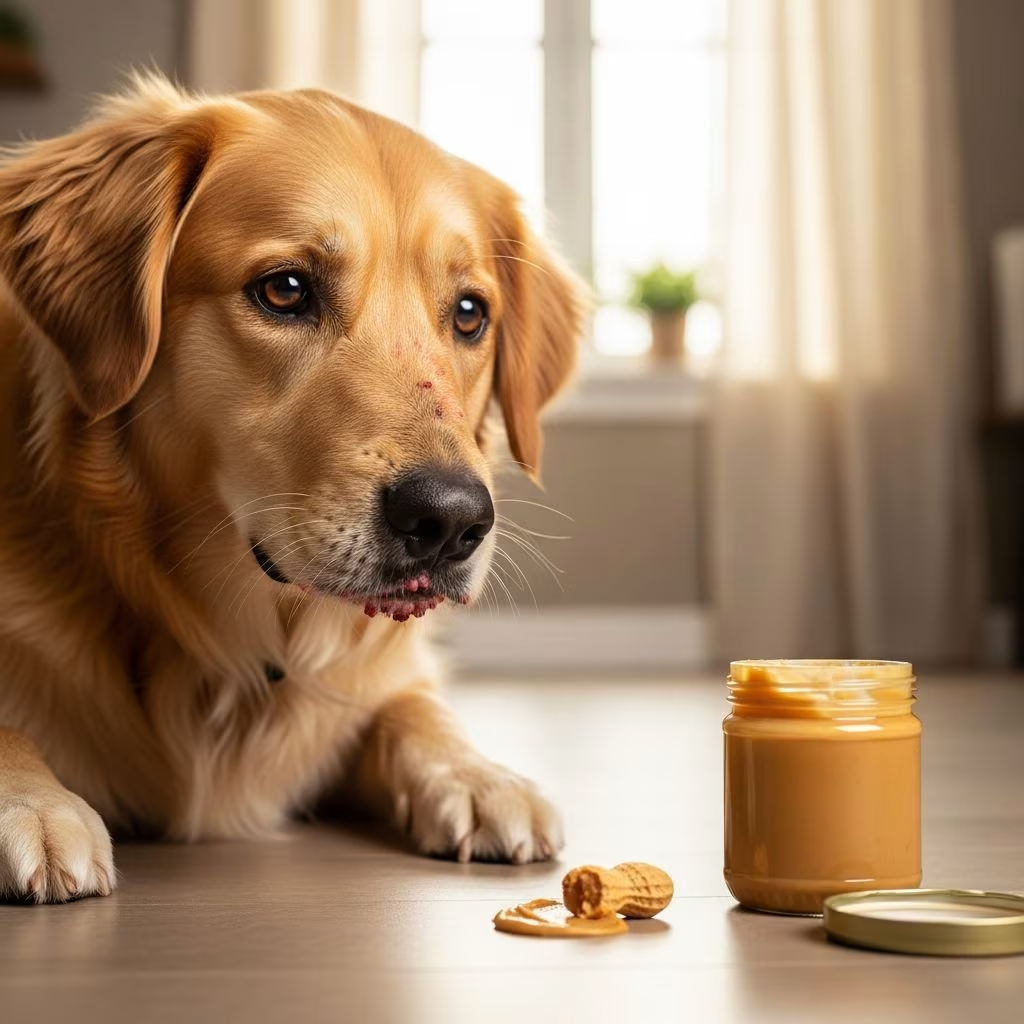
Peanut butter ranks among the most beloved treats for dogs, often smeared inside toys or used to hide pills. However, while most dogs relish its nutty flavor, a small number may experience adverse reactions ranging from mild discomfort to life-threatening emergencies. Understanding the potential for allergies helps owners make informed choices about their pet’s diet.
Understanding Canine Food Allergies
Dogs, like humans, possess immune systems capable of overreacting to certain proteins in food. Food allergies in canines typically manifest through the skin or digestive tract rather than immediate respiratory distress, distinguishing them from environmental allergies. Common culprits include beef, dairy, chicken, and grains, but peanuts—though less frequent—can also provoke hypersensitivity.
Unlike intolerances, which cause temporary upset without immune involvement, true allergies involve immunoglobulin E (IgE) antibodies that trigger histamine release from mast cells. This process leads to inflammation and the classic signs pet owners observe. Peanuts contain proteins like 2S albumins and vicilins, which are potent allergens in both species.
Signs Your Dog Might Be Reacting to Peanut Butter
Reactions can appear within minutes of ingestion or build gradually after repeated exposure. Severity varies, with skin-focused symptoms being most prevalent. Here’s a breakdown:
- Skin Irritation: Redness, intense itching, hives (raised bumps), bald patches from excessive scratching, and moist hotspots.
- Gastrointestinal Distress: Vomiting, diarrhea, and abdominal pain.
- Behavioral Changes: Agitation, restlessness, or lethargy.
- Respiratory Issues: Difficulty breathing, rapid panting, or facial swelling in severe cases.
In extreme instances, anaphylactic shock may occur, featuring sudden collapse, weak pulse, excessive drooling, and rapid heart rate. A documented case involved a schnauzer developing vomiting, diarrhea, generalized erythema, pruritic urticaria, and conjunctival hyperemia shortly after peanut ingestion, confirming peanut as a trigger.
| Symptom Type | Common Signs | Severity Level |
|---|---|---|
| Skin | Itchy red skin, hives, bald spots | Mild to Moderate |
| Digestive | Vomiting, diarrhea | Moderate |
| Systemic | Breathing difficulty, shock | Severe/Emergency |
Symptoms often mimic other conditions like flea allergies or infections, necessitating veterinary evaluation.
Risks Beyond Allergies: Toxic Additives in Peanut Butter
Not all peanut butter dangers stem from allergies. Many commercial varieties contain xylitol, a sugar alcohol toxic to dogs. Even small amounts cause hypoglycemia, seizures, liver failure, and death. Symptoms include confusion, stumbling, lethargy, and seizures—contact a vet immediately if suspected.
Chocolate-flavored peanut butters pose another hazard due to theobromine, leading to vomiting, diarrhea, increased thirst, restlessness, and cardiac issues. Always select xylitol-free, natural peanut butter and introduce new foods gradually.
How Allergies Develop in Dogs
Genetics play a role, with breeds like retrievers and bulldogs showing higher allergy susceptibility. Repeated exposure sensitizes the immune system, mistaking harmless peanut proteins for threats. Unlike humans, where peanut allergies often emerge in infancy, canine versions may appear at any age, sometimes after years of tolerance.
Secondary factors include gut health disruptions or concurrent allergies amplifying reactions. An untreated histamine surge can escalate to full-blown responses.
Diagnosing Peanut Allergies Accurately
Veterinarians rely on history, physical exams, and elimination diets rather than blood or skin tests, which yield many false positives. A strict 8-12 week hypoallergenic diet—using novel proteins like duck or hydrolyzed formulas—followed by controlled peanut butter challenges confirms sensitivity.
In the schnauzer case, histopathology revealed edematous dermis, eosinophilic inflammation, and mast cell involvement, supporting hypersensitivity without specific peanut tests. Advanced imaging or endoscopy rules out other gastrointestinal issues.
Immediate Response to Suspected Reactions
Upon noticing symptoms:
- Remove the food source and rinse the mouth if possible.
- Monitor closely; administer vet-prescribed epinephrine for anaphylaxis.
- Rush to an emergency clinic for fluids, antihistamines, and steroids.
Prednisolone and diphenhydramine resolved the schnauzer’s urticaria rapidly, with full recovery in a week. Delaying care risks escalation.
Long-Term Management Strategies
Avoidance is paramount: scrutinize labels, opt for sunflower seed or pumpkin seed butters. Prescription hypoallergenic diets control symptoms in 70-80% of cases. Supplements like omega-3 fatty acids soothe skin, while probiotics support gut barriers.
Immunotherapy, though experimental for food allergies, shows promise in desensitization. Regular vet check-ups track progress and adjust plans.
Safe Alternatives to Peanut Butter
Not all dogs need to forgo stuffed Kongs. Consider these vet-approved options:
- Canned pumpkin (plain, fiber-rich).
- Yogurt (plain, low-fat, lactose-free).
- Bone broth (low-sodium).
- Mashed sweet potato.
- Commercial dog spreads without nuts.
These provide similar texture and appeal minus risks.
Preventing Allergies Through Smart Feeding
Introduce novel foods singly during puppyhood to monitor tolerances. Maintain balanced diets minimizing processed treats. Annual wellness exams catch early signs. Educate family on risks, especially with human foods nearby.
FAQs on Dog Peanut Butter Allergies
Can all dogs eat peanut butter safely?
No, while most tolerate it, allergies affect a minority. Choose xylitol-free varieties.
How quickly do symptoms appear?
Immediate (minutes) for acute reactions or delayed after repeated exposure.
Is peanut butter allergy common in dogs?
Rare compared to beef or dairy, but documented cases exist.
What if my dog licks peanut butter off a counter?
Watch for symptoms; small amounts are usually fine, but allergies or xylitol warrant caution.
Can allergies resolve over time?
Not typically; lifelong avoidance is standard, though symptoms may lessen with management.
By staying vigilant, owners can ensure peanut butter—or safer substitutes—remains a joy, not a jeopardy, for their canine companions.
References
- Get the scoop! Is peanut butter toxic for dogs? — BC SPCA. Accessed 2026. https://spca.bc.ca/news/peanut-butter-toxic-dogs/
- Putative peanut allergy-induced urticaria in a dog — PMC – NIH. 2012-10-01. https://pmc.ncbi.nlm.nih.gov/articles/PMC3474578/
- Can Dogs Be Allergic to Peanut Butter? — Canna-Pet. Accessed 2026. https://canna-pet.com/articles/can-dogs-be-allergic-to-peanut-butter/
- Can Dogs Be Allergic to Peanut Butter? — VCA Animal Hospitals. Accessed 2026. https://vcahospitals.com/resources/conditions-dog/allergies/can-dogs-be-allergic-to-peanut-butter



