

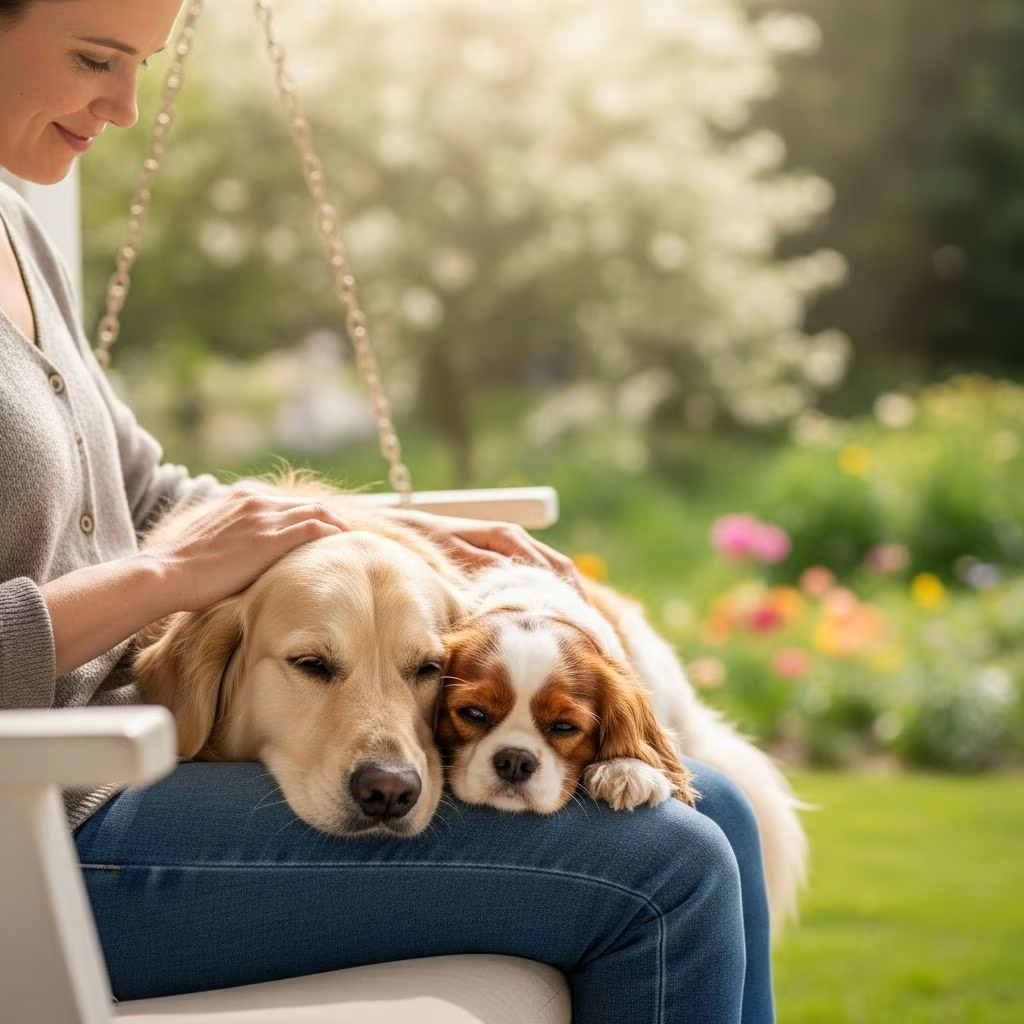
Selecting the right canine companion involves more than just falling in love with a puppy’s adorable face. For many prospective pet owners, the temperament and energy level of a dog are critical factors that determine whether the match will be harmonious and fulfilling. Understanding what constitutes a truly calm and composed dog can help you make an informed decision that aligns with your living situation, personal lifestyle, and household dynamics. This comprehensive guide explores the characteristics that define serene dog breeds and examines numerous options that excel at providing peaceful companionship.
Understanding Canine Temperament and Composure
A genuinely calm dog possesses specific behavioral traits that distinguish it from more energetic or reactive breeds. These traits include an even-tempered disposition, a natural resistance to hyperactivity, and an ability to remain composed in various situations without becoming overly stressed or excited. Dogs with these qualities tend to create harmonious environments within their homes and require less intensive management throughout their daily lives.
The foundation of a dog’s temperament stems from both genetic predisposition and environmental factors. While breeding has established certain behavioral patterns within specific breeds, individual personality, early socialization, and ongoing training significantly influence how a dog responds to its surroundings. Recognizing this interplay between nature and nurture helps explain why some dogs within the same breed may display varying levels of calmness.
Why Low-Energy Dogs Enhance Your Home Environment
The benefits of sharing your life with a tranquil dog extend beyond simple convenience. These animals fundamentally transform the atmosphere within your home, creating spaces that feel more relaxed and welcoming. They produce fewer behavioral disruptions through excessive barking, jumping, or destructive actions, resulting in a more serene living environment for everyone in the household.
Training becomes substantially more manageable with naturally calm dogs. Their ability to focus during instruction sessions and their reduced tendency toward distraction or defiance accelerates the learning process. This characteristic makes them exceptionally suitable for first-time dog owners who may feel overwhelmed by the prospect of managing a particularly spirited or stubborn animal.
For individuals residing in apartments, condominiums, or other compact living spaces, calm dogs prove invaluable. Their moderate exercise requirements and tendency toward quiet behavior prevent the neighbor disputes that often arise from excessively vocal or highly active pets. Additionally, these dogs demonstrate greater flexibility when adapting to modified exercise routines necessitated by demanding work schedules or personal commitments.
Ideal Candidates for Peaceful Canine Companions
Certain demographics and life circumstances particularly benefit from the presence of serene dogs. Elderly individuals often find that calm breeds provide ideal companionship without the physical demands associated with more energetic animals. Families with young children benefit tremendously from dogs that remain patient and gentle despite the unpredictable movements and loud sounds that characterize toddler behavior.
Individuals with reduced mobility or chronic health conditions appreciate how tranquil dogs adapt their activity levels to match their owners’ capabilities. These animals excel in therapeutic settings, where their steady presence and emotional attunement provide genuine comfort to people facing physical or emotional challenges. Their use in therapy and emotional support roles demonstrates the profound impact calm dogs can have on human wellbeing.
Large Breeds Known for Remarkable Gentleness
Several large dog breeds possess surprisingly serene temperaments despite their impressive size. The Saint Bernard exemplifies this pattern, known for patient and nurturing behavior toward children and a clear preference for calm environments. These gentle giants demonstrate loyalty and affection without requiring extensive athletic engagement.
The Great Dane represents another example of how size doesn’t correlate with activity level. These magnificent animals move through life at deliberate paces, preferring extended relaxation periods to constant stimulation. Their naturally gentle disposition and lower exercise requirements make them surprisingly suitable for families seeking a large but peaceful companion.
The Bernese Mountain Dog combines impressive size with a calm, affectionate temperament. These dogs bond deeply with their families and thrive in peaceful households, displaying a relaxed attitude both indoors and during outdoor activities. Their loyalty and composure make them excellent emotional support animals.
Irish Wolfhounds, despite their considerable stature, exhibit calm and friendly dispositions. These quiet dogs enjoy companionship in tranquil settings and demonstrate remarkable adaptability to peaceful home environments.
Small and Medium Breeds Excelling in Tranquility
Smaller dog breeds offer calm companionship in packages suited to apartment living and compact spaces. The Cavalier King Charles Spaniel stands out as an exceptionally affectionate and patient breed, adapting beautifully to calm environments and proving ideal for households with elderly members or young children.
The Shih Tzu represents the ultimate lapdog mentality, combining loving devotion to owners with a naturally calm demeanor. These dogs require minimal exercise and adapt remarkably well to small living spaces, making them perfect for individuals seeking low-maintenance companionship.
The Pug embodies relaxation through both temperament and lifestyle preference. Content with short walks and extensive relaxation periods, Pugs thrive in low-activity households and apartment settings.
The Bichon Frise brings cheerful yet easygoing energy to households, displaying affection without demanding constant attention. These small, fluffy companions adapt exceptionally well to relaxed routines and benefit families or seniors seeking low-stress interaction.
The Lhasa Apso combines independence with calm companionship, preferring gentle interaction with family members without excessive hyperactivity. These dogs maintain their composure while enjoying family bonds without exhausting their owners.
Sporting and Hunting Breeds with Surprising Composure
Several breeds originally developed for active pursuits have demonstrated remarkable ability to settle into calm home environments. The Greyhound challenges common misconceptions about its temperament. While famous for speed, these dogs exhibit surprisingly low energy indoors, genuinely loving relaxation and spending extended periods in restful states.
The Whippet shares this pattern, earning the nickname “couch potato” after satisfying their brief exercise requirements. These elegant dogs enjoy soft beds and quiet afternoons following their bursts of activity, demonstrating how certain athletic breeds transition seamlessly into calm household members.
The Golden Retriever brings friendly, patient, and well-mannered qualities to family environments. Their affectionate personalities and steady dispositions help them remain calm across various situations, while their strong bonds with family members create warm, peaceful household atmospheres.
The Clumber Spaniel epitomizes quiet, easygoing companionship. These dogs bond well with families while remaining content with leisurely walks and extended relaxation periods throughout the day.
Mastiff Varieties and Guardian Breeds
Several large guardian and mastiff breeds possess calm temperaments suited to family life. The Boerboel, also known as the South African Mastiff, demonstrates docile tendencies despite its enormous size and strength. While their calm nature benefits families, they respond best with older children and adults, requiring consistent socialization and positive reinforcement training.
The Great Pyrenees displays calm confidence rooted in its original purpose as a flock guardian. These steady, patient dogs carry themselves with peaceful dignity and maintain composure even in busy environments, making them calming influences within households.
Bulldog Breeds: Relaxation Personified
Both English Bulldogs and French Bulldogs are renowned for their laid-back attitudes and preference for napping over strenuous activity. These low-energy dogs content themselves with short walks and abundant rest, displaying calm and friendly personalities that suit homes with lower activity levels.
Bulldogs represent excellent choices for individuals seeking minimal exercise requirements combined with affectionate companionship. Their steady, loving nature thrives in peaceful, relaxed environments where they can enjoy their favorite humans’ company without demanding constant engagement.
Hound Breeds with Exceptional Calmness
The Basset Hound embodies laid-back living, displaying easygoing attitudes and contentment with lounging and moderate exercise. Their mild temperaments make them excellent for low-energy households. However, prospective owners should note that Basset Hounds possess distinctive booming barks and bays that may contradict the peace and quiet some seek.
The Tibetan Spaniel proves remarkably suitable for apartment living, combining happy and playful attitudes with devoted companionship. While these dogs may initially show wariness toward strangers, slow and gentle introductions help maintain their natural calmness.
Creating Optimal Environments for Peaceful Dogs
While certain breeds naturally tend toward calmness, environmental factors significantly impact how these inherent traits manifest. Proper socialization from puppyhood helps dogs develop confidence and composure when encountering new situations, people, and animals. Positive reinforcement training techniques support calm behavioral development while establishing clear boundaries and expectations.
Regular but moderate exercise meets the physical needs of low-energy dogs without overstimulating them. A daily walk and gentle play sessions typically suffice for most calm breeds, preventing the behavioral issues that sometimes emerge when dogs lack adequate outlets for their energy.
Consistent routines provide security and reduce anxiety in dogs, fostering the composure associated with calm temperaments. When dogs understand what to expect throughout their days, they relax more readily and respond less reactively to environmental changes.
Practical Considerations When Selecting Your Companion
Beyond temperament, prospective dog owners must evaluate health considerations, grooming requirements, and long-term commitments associated with specific breeds. Large calm breeds require adequate space and may have joint issues requiring attention as they age. Small calm breeds sometimes develop dental problems or behavioral anxiety if not properly socialized.
Individual personality variations exist within all breeds. Meeting potential companions before committing to adoption allows you to assess whether their specific temperament aligns with your expectations. Reputable breeders and rescue organizations provide honest assessments of individual dogs’ personalities and behavioral histories.
Special Advantages for Specific Life Circumstances
Individuals managing busy professional schedules benefit from calm dogs’ flexible personalities and ability to adapt to modified routines. These dogs remain content when their owners must adjust exercise schedules or playtime due to work demands. Their independence prevents separation anxiety that troubles more dependent breeds.
Seniors and individuals with mobility limitations find that calm dogs accommodate their physical capabilities without requiring extensive athletic engagement. These companions provide emotional support, encourage moderate activity, and offer unconditional affection without the challenges posed by hyperactive animals.
Families transitioning to dog ownership for the first time discover that calm breeds ease their learning curve. These dogs forgive training mistakes more readily and develop strong bonds despite imperfect handling, allowing novice owners to build confidence and competence over time.
FAQ: Common Questions About Calm Dog Breeds
Are calm dogs suitable for families with children?
Many calm dog breeds excel with children, particularly families with young children. Their patient and gentle nature reduces the risk of accidental injury or frightened reactions to unpredictable toddler behavior. However, supervision remains essential, and selecting breeds with documented family-friendly temperaments is crucial.
Do calm dogs require less training than energetic breeds?
Calm dogs typically learn more readily due to improved focus during training sessions and reduced distraction. However, all dogs benefit from consistent, positive reinforcement training. Calm temperament facilitates the training process but doesn’t eliminate the need for it.
Are there calm dog breeds suitable for apartment living?
Numerous calm breeds adapt beautifully to apartment environments. Small breeds like Shih Tzus and Bichon Frises, as well as larger breeds like Greyhounds and Great Danes, demonstrate remarkable apartment suitability due to their low activity needs and quiet demeanor.
Can individual personality override breed temperament?
Yes, individual personality, early experiences, and training significantly influence whether a dog displays the calm traits typically associated with their breed. A naturally calm breed might develop anxiety or reactivity through negative experiences, while proper socialization and training support calmer behavior development.
Making Your Final Decision
Selecting a calm dog breed represents an important decision that sets the foundation for years of companionship. By understanding the characteristics that define serene dogs and exploring the various breeds that embody these qualities, you position yourself to find a perfect match for your lifestyle and circumstances. Whether you seek a large gentle giant, a compact lapdog, or a medium-sized companion, numerous calm breeds offer the peaceful companionship many people desire in their lives.
References
- What Is The Calmest Dog Breed? — A&T Trained Dogs. 2024. https://at-traineddogs.com/what-is-the-calmest-dog-breed/
- The Most Calming Dog Breeds — Canine Country. 2024. https://caninecountry.org/calming-dog-breeds/
- 14 Calmest Dog Breeds — PetMD. 2025. https://www.petmd.com/dog/general-health/calmest-dog-breeds



