

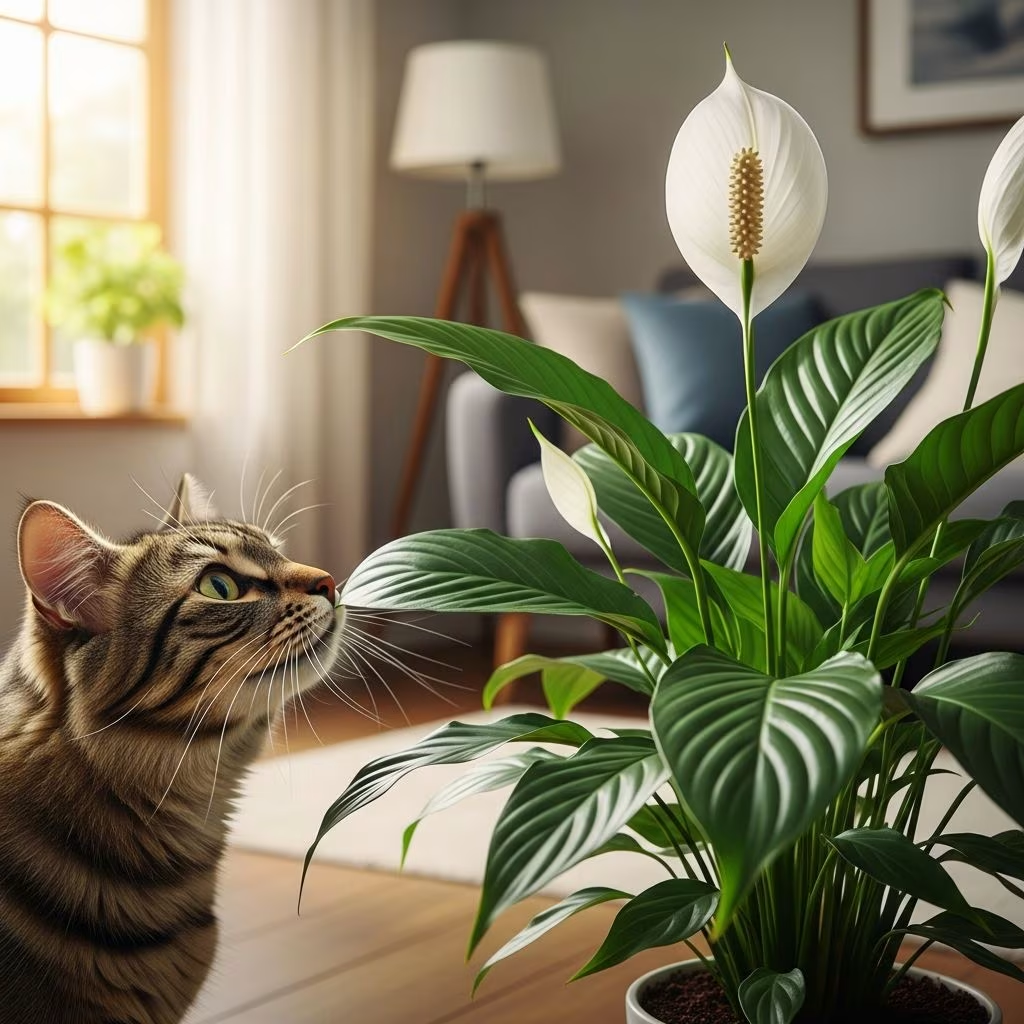
Understanding the Toxicity Profile of Peace Lilies
Peace lilies, scientifically known as Spathiphyllum, have become one of the most popular houseplants in modern homes. Their elegant white blooms, low-maintenance care requirements, and air-purifying properties make them an attractive choice for plant enthusiasts. However, for cat owners, understanding the plant’s safety profile is essential before bringing one into a shared living space with feline companions.
Unlike true lilies from the Lilium genus, which are lethally toxic to cats and can cause fatal kidney failure, peace lilies pose a different but still significant concern. Peace lilies contain calcium oxalate crystals, an insoluble compound that can cause irritation and inflammation when ingested by cats. While these crystals do not trigger the severe kidney damage associated with true lilies, they can still result in uncomfortable and potentially serious health complications for your pet.
How Calcium Oxalate Affects Feline Health
When a cat chews on or ingests any part of a peace lily plant, the calcium oxalate crystals come into direct contact with sensitive mucous membranes throughout the digestive tract. These microscopic needle-like crystals cause immediate irritation upon contact, triggering an inflammatory response in the tissues they encounter.
The primary areas affected include the mouth, tongue, gums, throat, and esophagus. The inflammatory response can extend into the gastrointestinal system, affecting the stomach and intestines as the plant material moves through the digestive tract. The severity of symptoms depends on several factors, including the amount of plant material consumed, the specific part of the plant ingested, and the individual cat’s sensitivity to irritants.
Recognizing Symptoms of Peace Lily Toxicity
Cat owners should be familiar with the warning signs that indicate their pet has made contact with a peace lily plant. Early recognition of these symptoms allows for prompt veterinary intervention, which can prevent complications and ensure a faster recovery.
- Oral irritation and pain: Cats may show reluctance to eat or drink due to discomfort in the mouth and throat
- Excessive drooling: Hypersalivation is a common response to mouth irritation and can range from mild to profuse
- Pawing at the mouth: Cats experiencing oral discomfort often paw at their mouth repeatedly, attempting to relieve the sensation
- Difficulty swallowing: Inflammation in the throat and esophagus can make swallowing painful and labored
- Vomiting: As the irritant moves through the gastrointestinal system, cats may vomit, sometimes multiple times
- Loss of appetite: The discomfort associated with eating and swallowing often causes affected cats to refuse food
- Lethargy: Cats may appear unusually tired or depressed as their body responds to the inflammatory process
Distinguishing Peace Lilies from True Lilies
A critical distinction exists between peace lilies and true lilies that cat owners must understand. Despite sharing the word “lily” in their common name, peace lilies are not botanically classified as true lilies and do not present the same level of danger.
True lilies, including Easter lilies, Asiatic lilies, and Oriental lilies from the Lilium genus, contain an unidentified toxin that causes acute kidney failure in cats. Even minimal exposure—such as a single petal or pollen grain—can trigger this life-threatening condition. In stark contrast, peace lilies produce localized irritation rather than systemic organ damage.
Additionally, calla lilies and daylilies present their own distinct dangers. Calla lilies contain oxalate crystals similar to peace lilies, while daylilies from the Hemerocallis genus cause kidney failure comparable to true lilies. This variety of toxicity levels across different plants emphasizes the importance of proper plant identification before placing them in homes with cats.
Immediate Response to Suspected Ingestion
If you observe your cat displaying symptoms after contact with a peace lily, or if you directly witness your cat chewing on or consuming part of the plant, time becomes a critical factor in the response process. The following steps can help minimize potential harm:
- Remove the cat from direct contact with the plant immediately to prevent further ingestion
- Safely secure or remove the plant from areas where the cat can access it
- Contact your veterinarian or emergency animal poison control center right away, even if symptoms seem mild
- If possible, bring a sample or photograph of the plant to help with identification and assessment
- Monitor your cat closely for any changes in behavior, appetite, or physical symptoms
- Keep detailed notes about the timing of exposure and symptom progression to share with your veterinarian
Early veterinary intervention significantly improves outcomes. A veterinarian can assess the severity of exposure, provide supportive care, and prescribe medications to manage symptoms and protect the gastrointestinal tract.
Veterinary Diagnosis and Treatment Approaches
When you bring your cat to a veterinary clinic following suspected peace lily ingestion, the veterinarian will conduct a thorough evaluation. Diagnosis typically involves:
- Physical examination focusing on the mouth, throat, and digestive tract
- History of exposure or observation of plant material consumption
- Blood and urine tests to assess kidney and organ function
- Visual examination of any vomit or plant material present
Treatment is primarily supportive and depends on the timing of intervention and severity of symptoms. If the cat is brought to the veterinary clinic shortly after ingestion (within a few hours), the veterinarian may induce vomiting to expel remaining plant material from the stomach. In some cases, activated charcoal may be administered to bind any remaining toxins and prevent further absorption.
Intravenous (IV) fluid therapy is commonly recommended to support organ function, maintain hydration, and dilute any circulating toxins. Pain management medications may be prescribed to alleviate discomfort associated with oral and gastrointestinal inflammation. Anti-nausea medications can help control vomiting and allow the cat to maintain nutrition and hydration during recovery.
Creating a Cat-Safe Indoor Environment
Prevention remains the most effective strategy for protecting cats from peace lily toxicity. Implementing comprehensive household modifications can eliminate risk while still allowing you to enjoy indoor plants.
Strategic Plant Placement
If you choose to keep peace lilies in your home despite having cats, placement becomes crucial. Position the plant in areas that are genuinely inaccessible to your cat, such as:
- High shelves or plant stands that exceed the cat’s jumping capability
- Enclosed rooms that the cat cannot access unsupervised
- Hanging planters suspended from ceiling fixtures
- Behind locked doors or closed cabinets
Keep in mind that cats are curious, agile, and determined creatures. Many plants placed on shelves have been knocked down by cats testing their boundaries. The safest approach is to eliminate the plant entirely from homes with inquisitive cats.
Pet-Friendly Plant Alternatives
Numerous houseplants provide similar aesthetic appeal and air-purifying benefits without posing toxicity risks to cats. Consider these safer alternatives:
- Spider plants (Chlorophytum comosum)—actually enjoyed by many cats for their texture
- Boston ferns (Nephrolepis exaltata)—non-toxic and add greenery to interior spaces
- African violets (Saintpaulia)—colorful flowering plants safe for feline households
- Parlor palms (Chamaedorea elegans)—tropical appearance without toxicity concerns
- Bamboo palms (Chamaedorea seifrizii)—visually similar to peace lilies but safe for cats
Supervision and Training
Even with preventive measures in place, understanding your cat’s behavior patterns helps reinforce safety. Supervise play and exploration in areas where houseplants are located. Redirect cats away from plants when they show investigative interest, and reward them with praise or treats when they ignore plants. This positive reinforcement helps establish boundaries over time.
Special Considerations for Multiple-Pet Households
Households containing both cats and dogs require modified safety planning. While dogs may experience mild gastrointestinal upset from peace lily ingestion, they do not develop kidney failure as a consequence of exposure. This difference means plant placement strategies need to account for each species’ different sensitivities. A plant positioned safely from a cat’s reach might still be accessible to a curious dog, requiring a comprehensive assessment of all pets’ sizes and behaviors.Frequently Asked Questions About Peace Lilies and Cats
Are peace lilies as dangerous as true lilies to cats?
No. Peace lilies cause localized oral and gastrointestinal irritation through calcium oxalate crystals, while true lilies from the Lilium genus cause potentially fatal kidney failure through an unidentified toxin. However, both warrant cautious management in homes with cats.
How much peace lily must a cat consume to become sick?
The minimum threshold for toxicity varies between individual cats and has not been precisely established. Therefore, any suspected ingestion should be reported to a veterinarian immediately, regardless of the apparent amount consumed.
Can a cat die from eating a peace lily?
While death from peace lily toxicity is rare compared to true lily exposure, severe cases involving large quantities of plant material could potentially result in severe dehydration or aspiration complications. Immediate veterinary care significantly reduces serious outcomes.
Is the pollen from peace lilies toxic to cats?
Peace lilies produce minimal pollen, unlike true lilies where pollen is a significant toxicity concern. However, the entire plant contains calcium oxalate crystals, so any part of the plant poses risk if ingested.
How long does it take for symptoms to appear?
Symptoms from peace lily ingestion typically appear within minutes to a few hours, as the calcium oxalate crystals immediately irritate tissues upon contact. Early symptoms include drooling and oral discomfort, with vomiting potentially following within hours.
Long-Term Health Monitoring After Exposure
Following a peace lily exposure incident and initial treatment, continued monitoring helps ensure complete recovery. Most cats recover fully within a few days to a week with proper supportive care. However, watch for:
- Return of normal appetite and eating patterns
- Cessation of vomiting or gastrointestinal upset
- Resolution of drooling and oral inflammation
- Return to normal activity levels and behavior
- Normal urination and hydration patterns
Contact your veterinarian if symptoms persist beyond a week or if new symptoms develop during recovery, as these could indicate complications requiring additional intervention.
Final Recommendations for Cat-Owning Plant Enthusiasts
The safest approach for cat owners who wish to maintain peace lilies is to exclude them entirely from homes where cats have access. The potential for accidental ingestion, combined with the unpredictable nature of feline behavior, makes elimination the most reliable prevention strategy. The temporary enjoyment of a plant does not justify the risk to your cat’s health and wellbeing.
If you are committed to maintaining a plant-filled home, prioritize pet-safe alternatives that provide similar visual appeal without toxicity concerns. Consult with your veterinarian about plant choices specific to your household, and implement comprehensive safety measures that protect all household pets from environmental hazards.
References
- Understanding Peace Lilies’ Impact on Cats — Plantology USA. 2024. https://plantologyusa.com/blogs/the-plantologist/understanding-peace-lilies-impact-on-cats
- Lily Toxicity in Cats — University of California, Davis School of Veterinary Medicine. https://healthtopics.vetmed.ucdavis.edu/health-topics/feline/lily-toxicity-cats
- Lily Intoxication in Cats: Information for Cat Owners — National Institutes of Health/PubMed Central. 2005. https://pmc.ncbi.nlm.nih.gov/articles/PMC10822363/
- Lily Poisoning in Cats: Everything You Need to Know — MedVet. https://www.medvet.com/what-is-lily-toxicity-cats/
- Houseplants and Ornamentals Toxic to Animals — Merck Veterinary Manual. https://www.merckvetmanual.com/toxicology/poisonous-plants/houseplants-and-ornamentals-toxic-to-animals
- Peace Lily — American College of Veterinary Pharmacists. https://vetmeds.org/pet-poison-control-list/peace-lily/
- Lily Poisoning in Cats — International Cat Care. https://icatcare.org/articles/lily-poisoning-in-cats



