

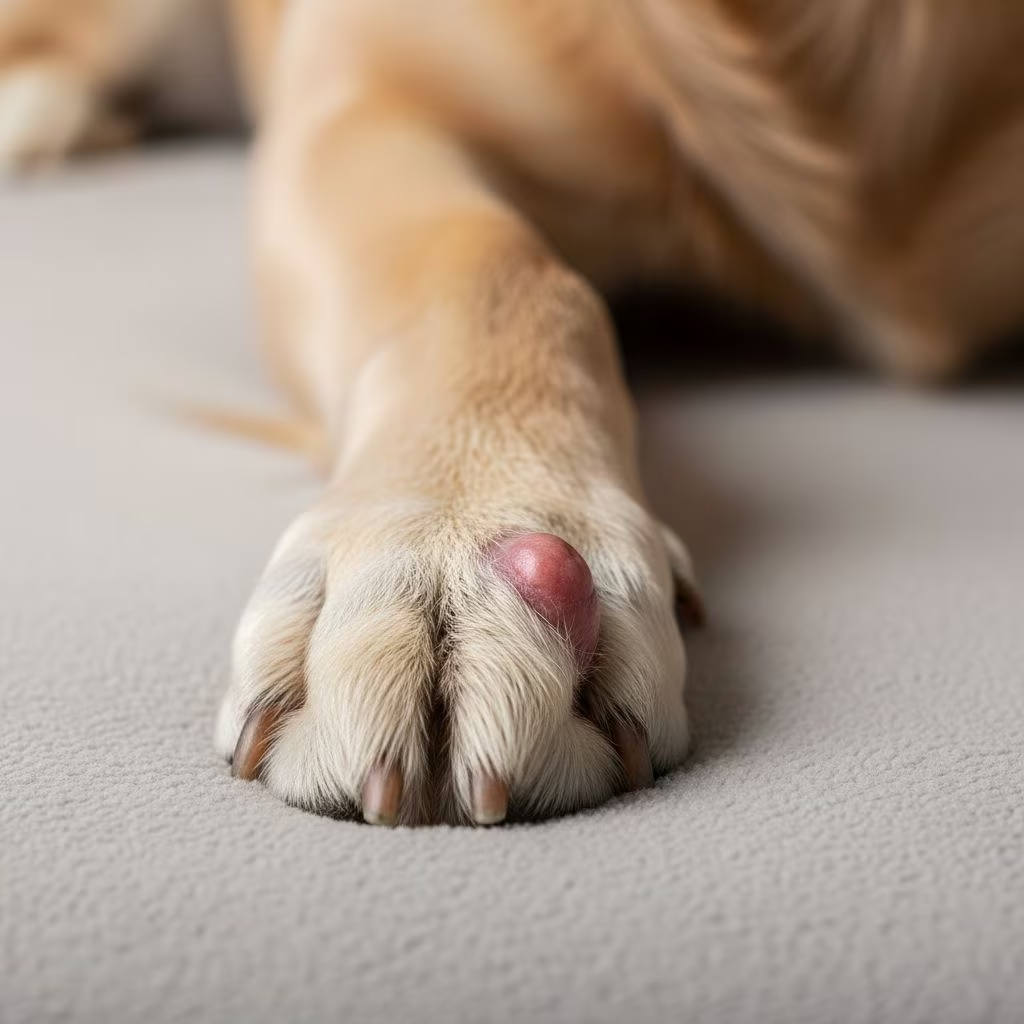
Growths on a dog’s paw can range from harmless lumps to serious cancers requiring immediate attention. These abnormalities often cause discomfort, affecting mobility and quality of life, making early detection crucial for effective management.
Recognizing Abnormalities on Your Dog’s Paw
Owners frequently notice changes in their dog’s gait or behavior before spotting the issue. A **new lump** on the pad, toe, or between digits signals potential trouble, especially if it grows rapidly or alters appearance.
- Limping or reluctance to bear weight on the affected paw
- Excessive licking, chewing, or biting at the site, leading to irritation
- Bleeding, ulceration, or open sores that fail to heal
- Swelling, discoloration, or nail deformities
- Signs of pain, such as whining or withdrawal from play
These symptoms warrant a prompt veterinary visit, as delays can allow benign issues to worsen or malignant ones to spread.
Common Types of Paw Growths: Benign vs. Malignant
Not all paw masses are cancerous. Benign tumors resolve spontaneously or respond well to simple interventions, while malignant ones demand aggressive therapy.
| Type | Characteristics | Benign/Malignant |
|---|---|---|
| Histiocytoma | Small, raised, itchy bump in young dogs; self-resolves in 2-3 months | Benign |
| Interdigital Cyst | Fluid-filled swelling between toes, often allergy-related | Benign |
| Plasmacytoma | Firm nodule; may ulcerate but rarely spreads | Usually Benign |
| Mast Cell Tumor (MCT) | Varied appearance; “great pretender”; can release histamines causing swelling | Malignant (grades vary) |
| Melanoma | Pigmented or not; high metastasis risk to lungs/nodes | Malignant |
| Squamous Cell Carcinoma (SCC) | Crusted, ulcerated lesion; UV-linked in light breeds | Malignant |
| Basal Cell Carcinoma | Rare; low spread risk | Malignant but low-risk |
| Soft Tissue Sarcoma | Firm, invasive growth; recurs if not fully excised | Malignant |
| Osteosarcoma | Bone-origin; causes lameness and swelling | Malignant |
Benign growths like histiocytomas require monitoring, while malignant types such as melanomas metastasize in 30-40% of cases at diagnosis.
Why Paw Tumors Develop in Dogs
Factors influencing paw tumor formation include genetics, breed predispositions, sun exposure, and chronic inflammation. Large breeds or those with broad paws face higher interdigital cyst risks, while light-skinned dogs develop SCC from UV damage. Older dogs over 7 years show increased malignancy rates. Trauma or allergies may trigger secondary infections mimicking tumors.
Diagnostic Approaches for Paw Abnormalities
Veterinarians start with a physical exam, assessing size, texture, and lymph nodes. Fine-needle aspiration provides initial cytology to differentiate benign from malignant cells.
- Biopsy: Gold standard; incisional or excisional for histopathology and margins check.
- Imaging: X-rays detect bone involvement; ultrasound/CT scans metastasis.
- Lymph Node Evaluation: Aspirates from popliteal/inguinal nodes.
- Bloodwork: Checks for systemic effects like elevated globulins in MCTs.
Early diagnostics improve outcomes, as paw location complicates complete removal.
Treatment Options Tailored to Paw Tumors
Treatment prioritizes tumor control, pain relief, and preserving function. Surgery dominates due to paws’ limited skin for closure.
Surgical Interventions
Wide Excision: Removes tumor with margins; challenging on paws, often leading to open healing.
Digit Amputation: Common for toe/nail bed tumors; dogs adapt remarkably, regaining near-normal mobility.
Limb Amputation: Reserved for extensive cases; quality of life remains high post-recovery.
Non-Surgical Therapies
- Stelfonta® Injection: For small MCTs; destroys tumor without surgery.
- Radiation: Targets inoperable or incomplete margins; effective for SCC/melanoma.
- Chemotherapy: Post-surgery for high-grade MCTs or metastasis; oral/IV options like tyrosine kinase inhibitors.
- Melanoma Vaccine: Boosts immunity after local control; administered biweekly initially.
- Topicals/Cryotherapy: Imiquimod for SCC; freezing for small lesions.
Palliative and Supportive Care
For advanced cases, focus on comfort: pain meds (carprofen, gabapentin), booties to prevent trauma, antibiotics for infections. This maintains happiness without invasive procedures.
Prognosis: What to Expect After Treatment
Outcomes vary by type and stage. Benign tumors cure via excision. Low-grade MCTs post-clean margins rarely recur. Melanomas offer 1+ year survival with multimodal therapy, despite spread risks. SCC responds well locally, with low metastasis. Sarcomas/osteosarcomas demand aggressive approaches for control. Regular follow-ups monitor recurrence.
Preventive Measures and Home Monitoring
Minimize UV exposure with paw protection for susceptible breeds. Manage allergies to curb cysts. Check paws weekly during walks; report changes immediately. Nutrition supporting immunity aids overall health, though no diet prevents cancer outright.
Frequently Asked Questions (FAQs)
Is a bleeding paw tumor an emergency?
Not always, but persistent bleeding from licking or trauma needs vet evaluation to rule out malignancy.
Can dogs live normally after toe amputation?
Yes, most adapt within weeks, running and playing without issue.
Are paw tumors always cancerous?
No, many are benign like cysts or histiocytomas, but all require vet confirmation.
How quickly do paw cancers spread?
Melanomas spread in 30-40% at diagnosis; others like basal cell rarely do.
What if surgery isn’t affordable?
Palliative care with meds and booties keeps dogs comfortable.
This guide equips owners with knowledge for proactive care, emphasizing veterinary partnership for best results.
References
- Tumors on Dog Paws – PetMD — PetMD. 2023. https://www.petmd.com/dog/conditions/cancer/tumors-dog-paws
- A Tumor On A Dog’s Paw: Is it Cancer or Not? — ToeGrips. 2023. https://toegrips.com/tumor-on-dog-paw/
- Tumors on Dog Paws in 2025 Vet Guide — AskAVet. 2025. https://askavet.com/blogs/news/tumors-on-dog-paws-in-2025-vet-guide-spotting-diagnosing-amp-treating-growths-%F0%9F%90%BE
- Learn About Tumors On Dogs’ Paws — PetCure Oncology. 2023. https://petcureoncology.com/digital-tumors-in-dogs/
- Tumors of the Skin in Dogs – Dog Owners — Merck Veterinary Manual. 2024. https://www.merckvetmanual.com/dog-owners/skin-disorders-of-dogs/tumors-of-the-skin-in-dogs



