

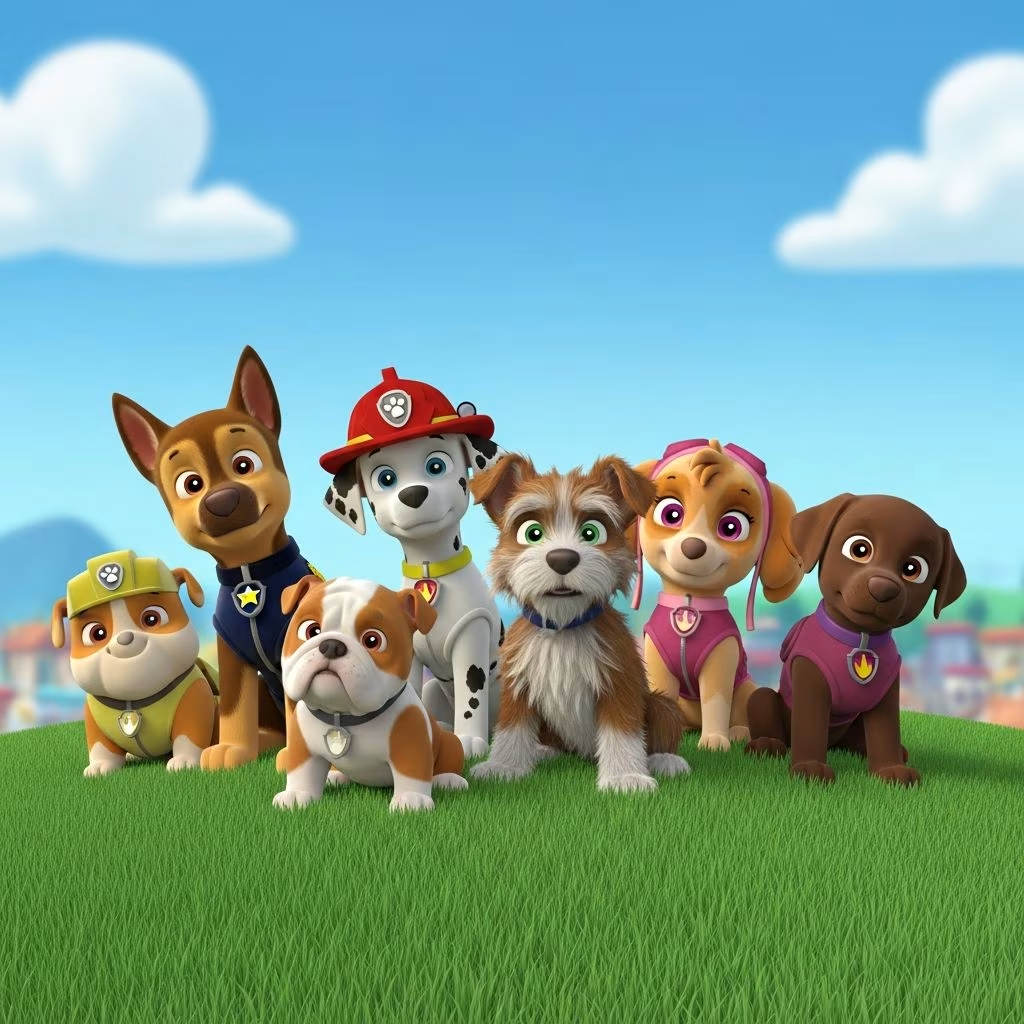
The beloved children’s show Paw Patrol features a team of heroic puppies tackling emergencies in Adventure Bay. Each pup’s design draws from recognizable dog breeds, blending cartoon charm with real-world canine characteristics. This article uncovers the breeds behind Chase, Marshall, Skye, and others, exploring their origins, personalities, and lifestyles to help fans understand these dogs beyond the screen.
Introduction to Paw Patrol’s Canine Heroes
Paw Patrol captivates young audiences with its rescue-themed adventures, where puppies use vehicles and tools to save the day. Creators selected breeds that match each character’s role—speedy police pursuits, firefighting agility, or aerial acrobatics. These choices reflect genuine breed traits, making the show educational for children learning about dogs. Understanding these breeds reveals why they excel in their animated jobs and how they fare as pets.
Chase: The Fearless Police Pup as a German Shepherd
Chase, the team’s police officer, zips around in his cruiser enforcing rules. His sleek black-and-tan coat and pointed ears mirror the iconic **German Shepherd**.
Originating in Germany during the late 19th century, German Shepherds were bred for herding sheep across varied terrains. Their intelligence and versatility led to roles in military, search-and-rescue, and police work. Ranked among the top intelligent breeds, they learn commands in fewer than five repetitions, ideal for complex tasks.
These dogs form deep family bonds while remaining wary of strangers, providing natural protection. They require 60-90 minutes of daily exercise, including runs or agility training, to channel their high energy. Without stimulation, they may develop destructive habits. Families with active lifestyles find them rewarding, but they demand consistent training from experienced owners.
- Size: Medium to large (50-90 lbs)
- Temperament: Loyal, confident, brave
- Best for: Active families, protection roles
Marshall: The Clumsy Firefighter as a Dalmatian
Marshall, the firefighter prone to slips, races in his truck with sirens blaring. His spotted coat unmistakably represents the **Dalmatian**.
Dalmatians trace roots to Croatia, historically guarding coaches and running alongside horses. Firehouses adopted them in the 18th century as mascots and rat-catchers, a tradition persisting today. Their endurance suits endurance roles, covering miles without fatigue.
Energetic and tenacious, Dalmatians need vigorous exercise like jogging or hiking. They thrive on tasks mimicking firefighting drills. Socialization early prevents shyness, as they can be reserved with strangers. Health concerns include deafness (affecting 10-15% of the breed) and urinary stones, requiring screened breeders.
Ideal for families offering space and play, they excel in obedience and canine sports. Their playful nature matches Marshall’s comedic mishaps perfectly.
| Trait | Dalmatian Details |
|---|---|
| Energy Level | High – needs 2+ hours daily activity |
| Trainability | Responsive with positive reinforcement |
| Family Fit | Great with kids if exercised |
Skye: The Flying Ace as a Cockapoo
Skye pilots her helicopter with flips and dives, her fluffy fur evoking the **Cockapoo**, a Cocker Spaniel and Poodle hybrid.
Developed in the 1960s for hypoallergenic companionship, Cockapoos combine the Spaniel’s affection with the Poodle’s smarts. Their curly, low-shedding coats appeal to allergy sufferers. Playful and alert, they love tricks and agility, suiting Skye’s aerial feats.
Weighing 10-30 lbs, they adapt to apartments if exercised. Daily walks and puzzle toys prevent boredom. Their social bonding genes make them people-pleasers, eager for praise. Grooming every 6-8 weeks maintains their coat.
- Size: Small to medium
- Temperament: Affectionate, lively, intelligent
- Best for: Families, apartments with playtime
Rubble: The Construction Expert as an English Bulldog
Rubble digs and builds in his bulldozer, his wrinkled face and sturdy build capturing the **English Bulldog**.
Bred for bull-baiting in 13th-century England, Bulldogs evolved into gentle companions post-baiting ban. Now laid-back and courageous, they snore and drool but offer unwavering loyalty. Low exercise needs (short walks) suit them, though brachycephalic snouts cause breathing issues.
They bond closely with families, tolerating kids gently. Monitor weight to avoid joint strain; lifespan averages 8-10 years. Rubble’s tough-yet-sweet vibe embodies their protective affection.
Zuma: The Water Rescuer as a Chocolate Labrador
Zuma surfs and dives from his hovercraft, patterned after the **Labrador Retriever**, especially the chocolate variety.
From Newfoundland fishing waters, Labs retrieved nets. Their top popularity stems from friendly dispositions and trainability. Outgoing and eager-to-please, they excel in water rescues, mirroring Zuma.
Needing swims or fetches daily, Labs suit active homes. Gentle with children, they adapt well but shed seasonally.
Rocky: The Recycling Inventor as a Mixed-Breed Mongrel
Rocky’s gadget-filled truck and scruffy look suggest a **mixed-breed** or Mongrel, highlighting shelter dogs’ versatility.
Mixes benefit from hybrid vigor, reducing genetic issues versus purebreds. Intelligent and adaptable, they embody resourcefulness. Adopting mixes supports rescues, aligning with Rocky’s eco-theme.
Other Pups: Everest, Tracker, and Tuck & Ella
Everest the husky tackles snow as a **Siberian Husky**, pack-oriented and enduring. Tracker the potcake thrives jungle-style as a mixed breed. Tuck and Ella, twin **Shelty** pups, channel Shetland Sheepdog energy and loyalty.
Comparing Paw Patrol Breeds: Traits at a Glance
| Breed | Role | Energy | Trainability | Family Suitability |
|---|---|---|---|---|
| German Shepherd | Police | High | Excellent | Active families |
| Dalmatian | Fire | High | Good | Spacious homes |
| Cockapoo | Aviator | Medium | Excellent | Apartments OK |
| English Bulldog | Construction | Low | Fair | Couch potatoes |
| Labrador | Water | High | Excellent | Families |
Breed Histories and Working Roles
Paw Patrol breeds hail from functional pasts: herding (German Shepherds), carriage guarding (Dalmatians), retrieving (Labs). Modern roles include therapy, service, and sports. Herding breeds like those akin to some pups rank top in obedience intelligence.
Care Tips for Paw Patrol-Inspired Dogs
Match breeds to lifestyles: high-energy pups need yards or runs; small ones fit cities. Prioritize training, health screenings, and exercise. Puppies require socialization; adults from rescues offer maturity.
- Exercise: Tailor to breed needs
- Grooming: Coat-specific routines
- Health: Screen for breed risks like dysplasia
- Nutrition: Age and activity-based diets
Health Considerations by Breed Size
Large breeds like German Shepherds risk hip dysplasia; small Cockapoos face patellar issues. Regular vet checks and weight management extend lives.
Why These Breeds Suit Families
Paw Patrol promotes responsibility; real breeds teach it too. Labs and Goldens top family lists for gentleness. Supervision ensures safe kid interactions.
Training Insights from Top Breeds
Herding and working dogs shine in training. Positive methods yield best results, fostering bonds like the pups’ teamwork.
Frequently Asked Questions (FAQs)
What breed is Chase from Paw Patrol?
Chase is a German Shepherd, known for police and protection work.
Is Marshall a real Dalmatian breed?
Yes, Marshall embodies the energetic, spotted Dalmatian firefighter mascot.
Are Cockapoos good family dogs like Skye?
Absolutely, their affectionate, trainable nature fits families well.
Can English Bulldogs handle activity like Rubble?
They prefer low-key play; avoid overexertion due to breathing traits.
Which Paw Patrol dog is best for apartments?
Skye’s Cockapoo or similar small mixes adapt best with exercise.
Choosing Your Own Paw Patrol Pup
Assess energy, space, and experience. Visit breeders or shelters; AKC resources aid comparisons. Paw Patrol inspires loving responsible ownership.
References
- The Science Behind Popular Dog Breeds and Their Unique Behaviors — A Peaceful Pack. 2023. https://www.apeacefulpack.com/post/the-science-behind-popular-dog-breeds-and-their-unique-behaviors
- Breed Table — We Love Hunter. 2024. https://www.welovehunter.com/en/breed-table/
- Understanding the Unique Traits of Popular Dog Breeds — Focusing on Wildlife. 2024. https://focusingonwildlife.com/news/understanding-the-unique-traits-of-popular-dog-breeds/
- Compare Dog Breeds — American Kennel Club. 2026. https://www.akc.org/compare-breeds/
- Dog Breeds — American Kennel Club. 2026. https://www.akc.org/dog-breeds/



