

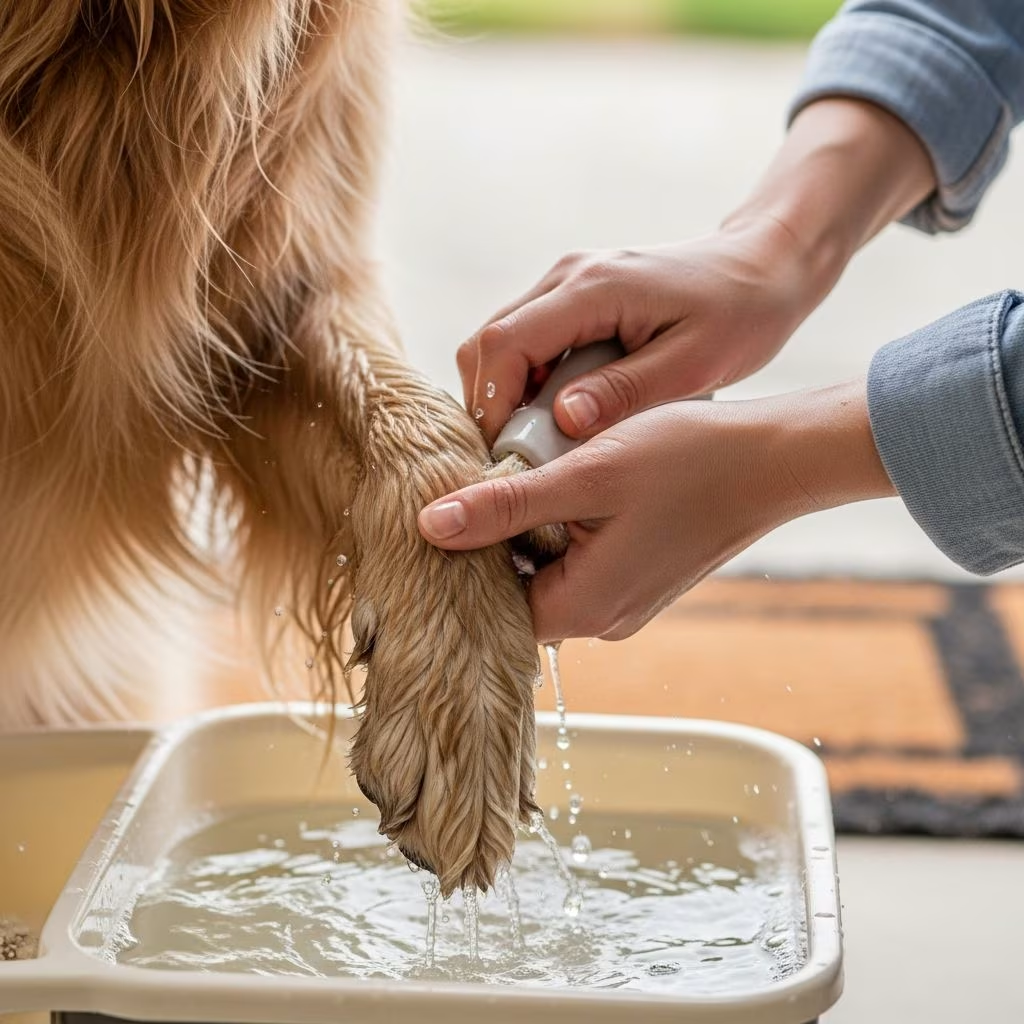
Pet owners with active dogs know the struggle: your furry companion returns from outdoor adventures with mud-caked paws ready to transfer dirt throughout your home. Managing this mess doesn’t require elaborate procedures or expensive professional services. Instead, understanding the right techniques and having appropriate tools at your disposal can transform muddy paw cleanup from a frustrating chore into a streamlined routine.
Understanding Why Mud Accumulates on Dog Paws
Before addressing solutions, it helps to understand why dogs accumulate mud so readily. Canine paws have naturally textured surfaces designed for traction and sensory input. The spaces between toe pads, the underside of paws, and the hair growth surrounding the paw area create natural collection points for mud, water, and debris. Dogs with longer fur around their paws face an amplified problem, as these hairs act similarly to velcro, trapping moisture and dirt particles.
Certain dog breeds with feathered legs or fluffy paw areas are particularly susceptible to mud accumulation. Even short-haired dogs experience this issue, though typically to a lesser degree. Understanding your specific dog’s coat type and paw structure helps you select the most appropriate cleaning strategy.
The Immediate Post-Adventure Protocol
The moment your dog returns from outdoor play provides the critical window for effective mud management. The following steps form the foundation of successful paw cleaning:
- Assess the mud level: Determine whether your dog is moderately muddy or completely caked. This assessment guides your choice of cleaning method.
- Prepare your cleaning area: Designate a specific location—garage, breezeway, bathroom, or outdoor utility space—where cleanup can occur without spreading mud throughout your home.
- Gather necessary supplies: Have towels, appropriate cleaning tools, and water readily available before bringing your muddy companion indoors.
The Drying Method for Stubborn Mud
One of the most counterintuitive yet effective approaches involves allowing mud to dry completely before removal. When mud is wet and fresh, attempting to remove it often results in spreading and smearing. Dried mud, by contrast, becomes brittle and separates more easily from the coat.
If weather permits, direct your dog to a designated outdoor area where they can air dry. Many dogs naturally shake while drying, dislodging significant mud quantities without human intervention. For indoor drying, a garage or utility room with easily cleaned floors provides an appropriate space. Once mud has completely hardened, use a soft-bristled brush or comb to gently work through affected areas, allowing dried mud particles to fall away naturally.
Innovative Cleaning Devices
Recent pet care innovations have introduced specialized tools specifically designed for paw cleaning. The most notable development is the emergence of dedicated paw-cleaning devices that combine efficiency with gentleness.
How Specialized Paw Cleaners Function
Modern paw-cleaning devices typically feature a cup or container lined with soft silicone bristles. The design allows for quick, effective cleaning without requiring elaborate bathing procedures. To use such a device, fill it with lukewarm water, insert your dog’s muddy paw into the cup, and gently twist. The silicone bristles work between toe pads and around the paw perimeter, lifting away mud and debris. A simple pat-dry with a towel completes the process.
These devices prove particularly valuable for households with multiple dogs or pets who frequently walk through puddles and wet areas. The speed of cleaning—typically completed in under one minute per paw—makes this approach ideal for busy households. Positioning such a device by your home’s entrance creates a natural checkpoint where muddy paws receive immediate attention before your dog tracks dirt indoors.
Advantages Over Traditional Bathing
Unlike full bathing, targeted paw-cleaning devices address only affected areas. This approach reduces water usage, minimizes stress for dogs who dislike baths, and prevents the need to wash an entire coat when only paws require attention. The process is less time-consuming and doesn’t require heating large quantities of bathwater or managing a wet dog throughout your home.
Preventative Grooming Strategies
Reducing mud accumulation before it occurs represents the most effective long-term strategy. Strategic grooming modifications minimize the surface area available for mud collection.
Targeted Trimming Techniques
Hair between and around paw pads accumulates mud readily because of its texture and position. Regular trimming in these areas dramatically reduces mud collection. The hair between toe pads requires attention every two to three weeks for maximum effectiveness. Additionally, longer hair on the underside of paws, particularly in breeds with feathered legs, should be trimmed to prevent splashback mud from adhering to these areas.
For dogs with fluffy legs or lengthy body hair, slight trimming around the lower leg area—where splashback occurs most frequently—prevents mud from clinging to these sections. Belly hair that drags through puddles benefits from trimming as well, as it reduces both mud accumulation and resulting matting problems.
Professional Versus Home Grooming
While professional groomers can perform comprehensive trims, routine maintenance grooming can be accomplished at home with basic tools. Pet-safe scissors or small clippers, used for just a few minutes every two to three weeks, maintain the benefits of mud-reduction trimming without requiring professional appointments. However, if you’re uncertain about proper trimming techniques or your dog has a particularly complex coat, consulting a professional groomer for initial guidance ensures correct execution.
Water-Based Cleaning Approaches
When dry methods prove insufficient, water-based cleaning becomes necessary. Proper technique ensures effectiveness while minimizing discomfort for your dog.
Initial Rinsing Strategy
Begin by using a hose or bucket of lukewarm water to rinse away bulk mud. Lukewarm water proves gentler on sensitive skin than hot water, which can cause irritation. Direct water flow between toe pads and over all paw surfaces, allowing mud to wash away naturally. Your calm, reassuring tone throughout this process helps your dog remain relaxed, particularly if they’re unfamiliar with paw-cleaning procedures.
Brush Application Before Shampooing
Before introducing shampoo, gently brush through your dog’s coat to remove remaining mud clumps. A slicker brush works well for most coat types. This step makes subsequent shampooing more effective and prevents shampoo from becoming trapped in dried mud residue.
Appropriate Shampoo Application
Select a quality dog shampoo formulated for your dog’s skin type. Apply shampoo according to product directions, but avoid excessive amounts, as overuse can dry out your dog’s skin. Massage the shampoo thoroughly through the coat, paying special attention to areas that retained mud particles.
Final Rinsing and Drying
Complete rinsing ensures all shampoo residue is removed. Check your dog’s underside carefully, as shampoo can accumulate in lower areas. Once your dog feels squeaky clean with no soapy residue, proceed to drying. A towel-dry is suitable for most situations, though some owners prefer air drying or specialized pet dryers.
Alternative Cleaning Solutions
Natural approaches to paw cleaning have gained attention among pet owners seeking gentler methods.
Coconut Oil Detangling Method
For dogs with matted fur caused by mud, coconut oil can facilitate easier removal. Applying coconut oil to matted areas and allowing brief saturation enables gentle brushing without painful pulling. The oil provides elasticity to the coat, allowing dead hair to slide out more easily without damaging healthy strands. A soft-bristled brush or metal grooming comb works through the treated areas to remove tangles.
Portable Wipe Solutions
Pet-specific wipes or baby wipes offer quick cleanup for lightly muddy paws. These disposable solutions work well for minor mud accumulation and require no water, making them convenient for quick cleanups or travel situations. However, wipes prove less effective for heavily caked mud or when deep cleaning between toe pads is necessary.
Professional Grooming Options
For owners seeking professional assistance, several options exist beyond traditional full-service grooming appointments.
Self-Service Dog Wash Facilities
Many communities offer self-service dog wash facilities where owners have access to grooming stations with professional-quality equipment. These facilities provide pre-heated water, various grooming tools, and easy cleanup. If your dog is crate-trained, these locations prevent mud from transferring to your vehicle during transport.
Groomer Walk-In Services
Some grooming professionals offer walk-in appointments for quick cleanups. Contacting your local groomer to inquire about this service and clearly describing your dog’s muddy condition helps them prepare appropriately and provide accurate estimates.
Practical Comparison: Cleaning Methods Overview
| Cleaning Method | Time Required | Water Usage | Best For | Convenience Level |
|---|---|---|---|---|
| Air Drying + Brushing | 30-60 minutes | None | Moderately muddy paws, dry mud | High (passive process) |
| Paw Cleaning Device | 1-2 minutes per paw | Minimal | Regular mud maintenance | Very High |
| Rinse + Brush Method | 10-15 minutes | Moderate | Fresh mud, active outdoor days | Medium |
| Full Bath with Shampoo | 20-30 minutes | High | Heavily soiled paws, complete cleaning | Low |
| Professional Service | Variable | Professional facility | Convenience, deep cleaning | Medium |
Frequently Asked Questions
How often should I clean my dog’s paws?
Frequency depends on your dog’s activity level and local weather conditions. Dogs with regular outdoor access may require daily paw cleaning during wet seasons, while less active dogs might need cleaning only after particularly muddy adventures.
Can I use human baby wipes on my dog?
While occasional use of fragrance-free baby wipes is generally safe, dog-specific wipes are formulated for canine skin pH levels and are preferable for regular use.
What water temperature is safest for paw cleaning?
Lukewarm water is ideal. Hot water can irritate your dog’s skin, particularly for dogs with sensitivity issues. Test water temperature with your hand before exposing your dog’s paws.
Will trimming my dog’s paw hair affect traction?
Careful trimming of excessive hair between pads removes only excess growth that collects mud; it doesn’t compromise the natural grip pads that provide traction. Strategic trimming actually improves paw health by reducing matting and moisture retention.
Are specialized paw cleaning devices worth the investment?
For owners with regularly muddy dogs or multiple pets, these devices pay for themselves through time savings and reduced frustration. They also reduce water usage and bathing frequency compared to traditional methods.
Creating a Mud-Management Routine
Establishing consistent paw-cleaning habits prevents mud from becoming an overwhelming problem. Position your chosen cleaning tool or supplies near your home’s primary entrance. Teach your dog to present paws for cleaning as a normal part of the post-adventure routine. Consistency transforms mud management from an occasional frustration into an efficient daily practice.
Combining preventative grooming with appropriate cleaning methods tailored to your household’s specific needs creates an effective mud-management system. Whether you prefer the simplicity of drying and brushing, the efficiency of specialized devices, or traditional water-based cleaning, options exist to keep both your dog and your home clean.
References
- How to Remove Mud from Your Best Bud — Diamond Pet Foods. 2024. https://www.diamondpet.com/blog/grooming/cleaning-off-your-dog/
- Managing the Mud Mess — Citizen Canine. December 16, 2025. https://citizencanine.ca/2025/12/16/managing-the-mud-mess/
- Effective Tips for Cleaning a Muddy Dog: A Guide for Pet Owners — The Hairy Dog. 2025. https://thehairydog.net/effective-tips-for-cleaning-a-muddy-dog-a-guide-for-pet-owners-in-phoenix/



