

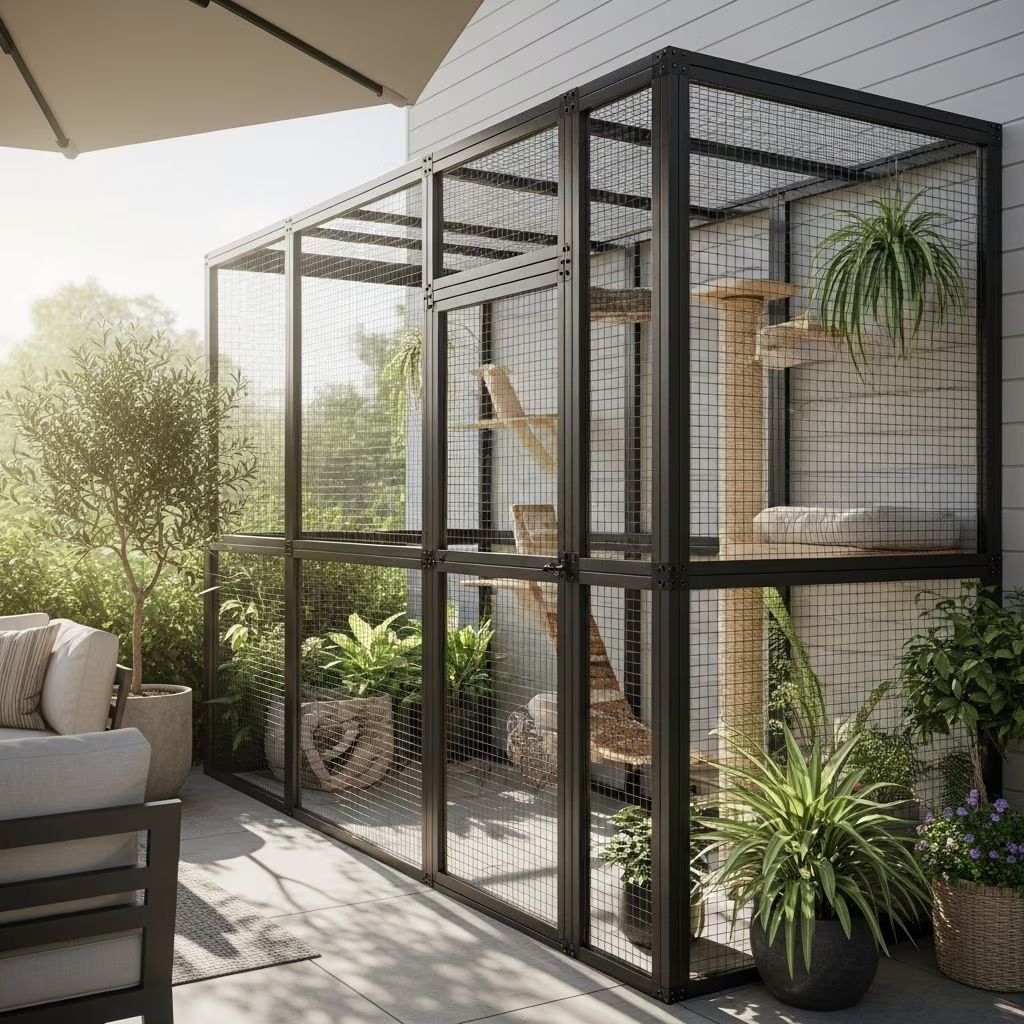
From Patio to Catio: Tips for Creating a Safe Outdoor Cat Enclosure
The desire to let your feline companion enjoy the great outdoors while keeping them safe is a common concern among cat owners. A catio—or cat patio—offers the perfect solution, providing a secure space where cats can experience fresh air, natural light, and outdoor stimulation without the dangers of traffic, predators, and disease. Whether you’re looking to transform an existing patio or build a dedicated outdoor enclosure, this comprehensive guide will help you create a safe and enriching environment for your beloved cat.
Understanding the Benefits of Outdoor Cat Enclosures
Before diving into construction and design, it’s important to understand why outdoor enclosures are beneficial for cats. Outdoor spaces provide mental and physical stimulation that indoor environments often cannot match. The sights, sounds, and smells of nature engage cats’ natural hunting and exploration instincts, promoting physical activity and mental well-being.
Beyond enrichment, catios offer critical safety benefits. They protect cats from traffic accidents, predatory wildlife, and exposure to infectious diseases and parasites. For cat owners concerned about their pet’s indoor climbing antics or destructive behaviors, an outdoor enclosure provides an appropriate outlet for these natural instincts while keeping your home intact.
Choosing the Right Location and Size
The first step in creating your catio is selecting the ideal location. Consider areas that receive a mix of sunlight and shade throughout the day, allowing your cat to regulate their body temperature comfortably. A location near a window or accessible from your home through a cat door or tunnel adds convenience and helps your cat acclimate to the outdoor space.
Size matters significantly when designing a catio. The enclosure should be large enough to allow your cat to climb, jump, and explore freely. A minimum size recommendation is 4 feet by 8 feet for a single cat, though larger is always better. Consider your cat’s personality and activity level—more active cats benefit from spacious enclosures with multiple levels.
Essential Materials and Tools
Building a secure catio requires specific materials and tools designed to withstand both weather conditions and your cat’s natural behaviors. Understanding the right components ensures your structure will last for years while maintaining safety.
Structural Materials
Wood or PVC Panels: Use 2×4 lumber or PVC panels for framing, providing the structural stability your enclosure needs. These materials are durable, weather-resistant, and easy to work with. Weather-treated wood prevents rot and extends the lifespan of your structure.
Wire Mesh: This is perhaps the most critical component of your catio. Rather than thin chicken wire or flimsy plastic netting, invest in quality mesh such as 16-gauge wire with a 2″ x 3″ grid opening, or preferably, 1×1 critter fencing made of galvanized steel with a protective PVC coating. This specialized mesh is chew-proof, claw-resistant, and designed to prevent both escape and intrusion by predators.
Roofing Material: Select durable roofing options like corrugated plastic, polycarbonate sheeting, or shingles. These materials shield your cat from rain and excessive sun exposure while allowing natural light penetration. Ensure all roofing is fully enclosed, as even agile climbers can escape if the roof isn’t completely covered.
Foundation Materials: Concrete pads, pavers, or compacted gravel provide a stable foundation that prevents digging and enhances overall structural durability.
Hardware and Tools
Heavy-duty hinges and latches are essential for door construction, ensuring secure access and preventing accidental escapes. Use weather-resistant screws made from galvanized or stainless steel to prevent rust and corrosion. Additional tools you’ll need include a measuring tape, level, drill, staple gun, saw, and wire cutters. Proper tools ensure accurate construction and a professional-quality result.
Step-by-Step Construction Guide
Measure and Mark
Begin by outlining your desired enclosure dimensions on the ground using a measuring tape. This crucial first step ensures the area meets your cat’s needs for movement and comfort. Mark corners with stakes or chalk, creating a clear visual guide for construction.
Build the Frame
Cut your weather-treated wood or PVC panels to specified sizes and assemble the frame using weather-resistant screws and a drill. Ensure the structure is robustly fastened to withstand outdoor conditions. Pay attention to achieving square corners and level surfaces, as these factors directly impact the structural integrity of your enclosure.
Attach the Wire Mesh
Cut mesh to fit the frame perfectly and secure it using staples or screws. This is where attention to detail is critical—check thoroughly for any gaps that could allow escape or permit predator entry. The maximum recommended mesh opening size is 1 inch or 50×50mm to prevent even small animals from entering and to stop cats from squeezing through.
Install the Roof
Affix roofing material to create complete overhead coverage. This prevents cats from jumping out and stops predatory birds from accessing the enclosure from above. Ensure secure attachment to prevent leaks, and consider using polycarbonate material to maintain natural light while providing shelter.
Create Access Points
Install doors with heavy-duty hinges and latches, ensuring smooth operation. Self-closing hinges enhance security by automatically closing doors behind you. Consider installing a cat door that connects your home directly to the enclosure, allowing your cat independent access while maintaining security.
Add Enrichment Features
Transform your basic structure into an enriching environment by incorporating shelves, ramps, platforms, scratching posts, and climbing structures. These features promote physical activity and mental stimulation. Include elements like window perches for bird watching, small water fountains, or treat-dispensing toys that provide additional entertainment.
Conduct a Final Inspection
Carefully check for any sharp edges or gaps before allowing your cat inside. Ensure the structure is securely fastened and stable. Secure the enclosure to the ground with stakes or similar solutions to prevent shifting or tipping. A thorough final inspection is your last opportunity to catch any potential safety issues.
Security Features and Predator Prevention
Creating a secure enclosure means thinking like both your cat and potential predators. Outdoor environments are home to snakes, rodents, raccoons, opossums, and birds of prey—all of which pose risks to an unprotected cat.
Small-gauge mesh prevents snakes from slithering in and rodents from squeezing through. The 1-inch or smaller gaps recommended stop curious raccoons from reaching through while preventing their footholds on mesh. This same tight spacing ensures that predatory birds cannot breach the catio’s defenses with talons or beaks.
Full-height enclosures with durable, tensioned mesh securely framed and capped with a roof ensure that even the most agile climbers cannot escape over the top. This enclosed design is the cornerstone of catio security.
Customizing Your Catio for Your Cat
Different cats have different needs, and your catio design should reflect your individual cat’s personality and requirements.
For Active and Young Cats
These felines thrive with multi-level designs featuring numerous climbing opportunities, ramps, bridges, and jumping platforms. Incorporate varied textures and moving elements like toys or perches at different heights to maintain engagement.
For Laid-Back or Older Cats
Safety meets ease-of-use with lower platforms, shaded rest areas, and minimal complex climbing structures. Include comfortable resting spots, window perches for observation, and easy-to-navigate pathways that don’t require extensive jumping or climbing.
Connection Options: Cat Tunnels and Doors
Connecting your catio directly to your home adds significant convenience and allows your cat to move between indoor and outdoor spaces independently.
Cat Tunnels: These flexible pathways, typically made of PVC, wood, wire mesh, or cat netting, provide secure passages from your home to the outdoor enclosure. Flat-pack kit options offer hassle-free assembly for those with limited building skills, providing professionally designed solutions that are quick to install.
Cat Doors: Install a standard cat door or a more sophisticated electronic cat door that allows only your cat access while preventing strays or wildlife from entering your home.
Troubleshooting Common Construction Issues
Gaps in the Mesh
If gaps appear in your wire mesh, tighten the securing staples or screws and add additional fasteners as needed. Using strong, pet-safe mesh and securing it firmly prevents both escapes and wildlife intrusion.
Difficult Door Operation
Sticking doors often result from misaligned hinges. Inspect hinges for proper alignment and make adjustments to ensure smooth operation and easy access for your cat.
Weather-Related Leaks
If leaks develop in your roof, check that roofing material is securely fastened. Apply waterproof sealant for extra protection, ensuring your cat stays dry and comfortable regardless of weather conditions.
Maintenance and Seasonal Care
Regular maintenance keeps your catio safe and functional year-round. Inspect mesh regularly for damage or wear, check hinges and latches for proper function, and apply weatherproofing treatments as needed. In winter, consider adding insulated shelters or heated beds, while summer may require additional shade structures or cooling features.
Pre-Built Alternatives and Hybrid Solutions
Not everyone has the time or skills to build a catio from scratch. Several options exist for those preferring convenience over DIY construction. Pre-fabricated catio kits offer user-friendly assembly with professional designs. Some homeowners opt for hybrid solutions, such as creating an angled fence extension on existing fencing using specialized brackets designed to prevent cats from jumping over.
For comprehensive coverage, systems that enclose entire backyards with minimal hassle provide maximum freedom for your cat while maintaining security.
Frequently Asked Questions (FAQs)
Q: How much space does my cat need in a catio?
A: Minimum recommendations suggest 4 feet by 8 feet for a single cat, though larger enclosures provide better enrichment. Larger, more active cats and multiple-cat households benefit from expanded dimensions and multiple levels.
Q: What mesh size is safest for a catio?
A: Use mesh with openings no larger than 1 inch (50×50mm). Smaller openings prevent escape and intrusion by predators, snakes, and rodents while remaining durable against claws and teeth.
Q: Can I use chicken wire for my catio?
A: Chicken wire is not recommended for catios. It’s not strong enough to withstand cat claws and teeth, and it won’t reliably prevent predator entry. Use galvanized steel mesh with protective coatings instead.
Q: Should my catio have a roof?
A: Yes, a fully enclosed roof is essential. It prevents escape, stops predatory birds from accessing the space, and protects your cat from overhead threats.
Q: How do I connect my catio to my house?
A: Use a cat tunnel or cat door to create a secure passage between your home and the outdoor enclosure. These solutions range from simple cat doors to elaborate tunnel systems.
Q: What enrichment features should I include?
A: Include shelves, ramps, climbing structures, scratching posts, perches for bird watching, and rotating toys. These elements provide mental and physical stimulation appropriate for your cat’s age and activity level.
Q: How do I cat-proof an existing fence?
A: Install angled fence extension brackets that create an overhang, preventing cats from jumping over. Some systems allow cats to climb but prevent them from launching over the top.
Q: Can I use my catio year-round?
A: Yes, with appropriate modifications. Add insulated shelters and heated beds for winter, and provide additional shade or cooling features for summer. Properly constructed catios are functional in all seasons.
References
- Build an Outdoor Cat Enclosure: A Step-by-Step Guide — Jet Pet Resort. 2025. https://jetpetresort.com/blog/cat-boarding/build-an-outdoor-cat-enclosure-a-step-by-step-guide/
- Why Catio Design Matters More Than You Think — Cat Topia. 2025. https://www.thecattopia.com/blog/why-catio-design-matters-more-than-you-think/
- Cat enclosures for outdoor safely — Animal Wellness Magazine. 2025. https://animalwellnessmagazine.com/cat-enclosures-for-outdoor-safely/
- Cat Netting Solutions: Angled Fence Extensions — Catnets. 2025. https://catnetting.com
- Outdoor Cat Enclosures Connected To House — Coops and Cages. 2025. https://www.coopsandcages.com.au/blog/outdoor-cat-enclosures-connected-to-house/
- Five Types of Outdoor Cat Enclosures — ProtectaPet. 2025. https://protectapet.com/blogs/blog/five-types-of-outdoor-cat-enclosures
- 10 Benefits Of Outdoor Enclosures For Cat Health — Outdoor Cat Enclosures. 2025. https://outdoorcatenclosures.org/benefits-of-outdoor-enclosures-for-cat-health/



