Police K9 Trainer: Comprehensive Guide To Certification
Unlock the steps, skills, and certifications needed to train elite dogs for law enforcement duties worldwide.
Path to Police K9 Trainer
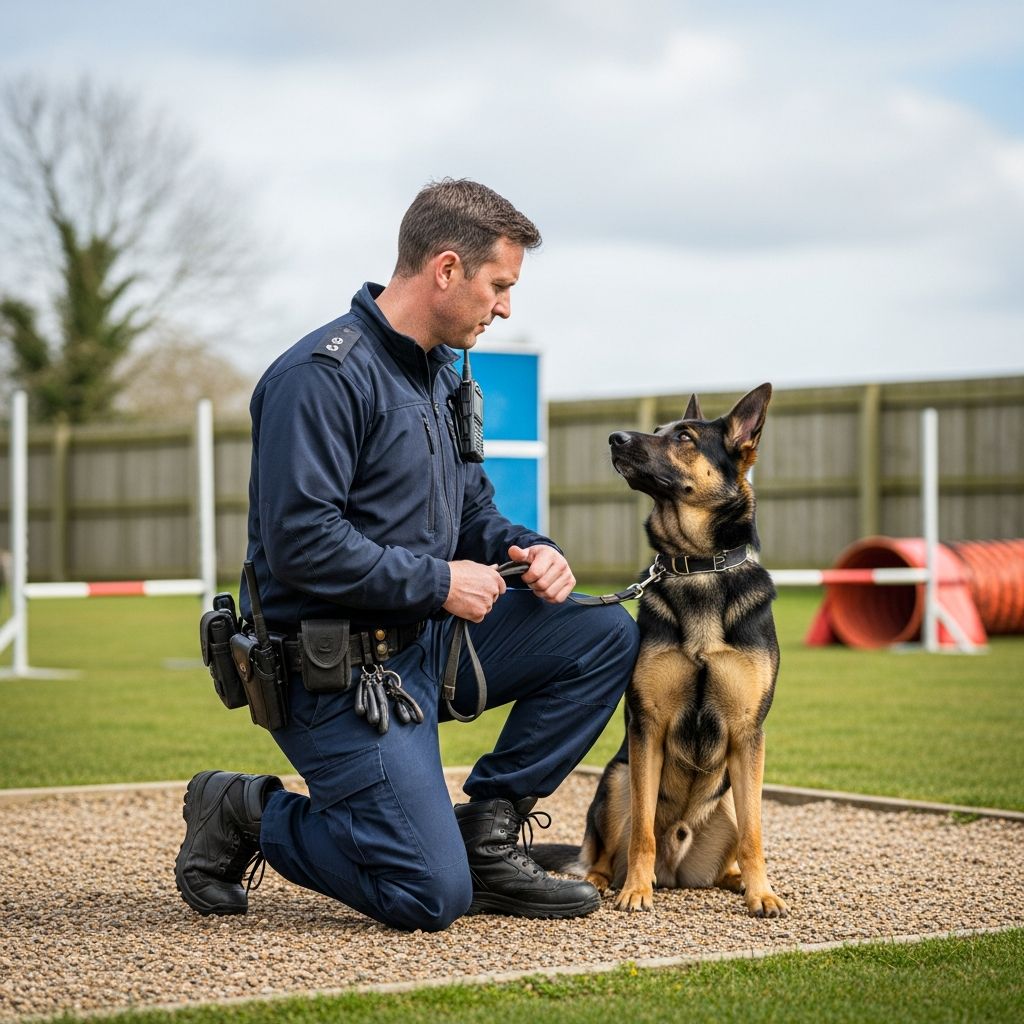
Becoming a police K9 trainer demands dedication, specialized knowledge, and hands-on expertise in canine behavior and law enforcement applications. These professionals prepare dogs for critical tasks like suspect apprehension, explosive detection, and narcotics searches, directly enhancing public safety.
Essential Qualities for Aspiring K9 Trainers
Success in this field starts with innate traits and cultivated skills. Patience stands out as paramount, given the months required to condition a dog for high-stakes operations. Strong communication bridges the human-canine gap, ensuring handlers interpret subtle behavioral signals accurately.
- Physical stamina: Training involves rigorous outdoor sessions in varied weather.
- Analytical mindset: Diagnose training plateaus or behavioral issues swiftly.
- Ethical commitment: Prioritize dog welfare alongside performance.
- Team orientation: Collaborate with officers, supervisors, and veterinary staff.
Many trainers possess prior experience with working breeds such as German Shepherds, Belgian Malinois, or Labrador Retrievers, known for their drive and focus.
Building Foundational Knowledge in Canine Training
Entry into police K9 training requires a solid grasp of dog psychology, learning theory, and basic obedience. Vocational programs or self-study lay the groundwork, covering operant conditioning, positive reinforcement, and tool usage like e-collars or harnesses.
Formal education varies: some agencies accept general vocational training for initial roles, while advanced positions demand police-specific credentials. Hands-on practice with everyday dogs builds confidence before progressing to tactical scenarios.
| Foundation Level | Key Topics | Duration |
|---|---|---|
| Basic Obedience | Heel, sit, recall, down | 4-6 weeks |
| Behavior Analysis | Motivation, drive building | 6-8 weeks |
| Tool Proficiency | Leashes, bite sleeves | Ongoing |
Navigating Law Enforcement Pathways
For those targeting agency roles, becoming a sworn officer often precedes trainer status. Years in patrol or K9 handling provide insider perspective on operational needs. Civilian trainers can enter via private schools, later partnering with departments.
Departments assign promising handlers to canine units, where they shadow certified trainers. This apprenticeship hones skills in real deployments, from building searches to vehicle scans.
Premier Certification Programs
Credible certifications validate expertise. The United States Police Canine Association (USPCA) offers tiered Trainer Levels I-III, plus specialties in detection and patrol. Requirements include proof of course completion, lesson plans, departmental endorsement, and peer verification.
- Level I: Basic team training certification.
- Level II: Intermediate proficiency with multiple teams.
- Level III: Advanced instruction across disciplines.
- Detector Dog: Focused on odor recognition.
The National Tactical Police Dog Association (NTPDA) provides proficiency certifications for professionals, requiring membership and evaluations in obedience, protection, and detection.
Intensive Instructor Courses
Specialized schools deliver comprehensive Police K9 Instructor programs. Tactical Police K9 Training in North Carolina offers a licensed 12-week course blending protection, detection, and supervision skills. Instructors emphasize problem-solving over rote methods, teaching multiple detection approaches.
Curriculum spans dog selection, handler matching, risk management, and FLSA compliance for K9 units. Graduates emerge ready to customize training for unique dog-handler pairs, fostering implicit trust.
Other providers like International School for Dog Trainers run 6-12 week programs covering apprehension, trailing, and handler cue recognition. Fox Valley Technical College supplements with maintenance and medical courses.
Mastering Core Training Disciplines
Police K9s specialize in patrol or detection. Patrol training builds aggression control, bite work, and suspect control. Detection hones scent discrimination for drugs, explosives, or cadavers.
Obedience forms the base: off-leash precision under distraction, per American Police Canine Association (APCA) standards. Advanced phases test criminal apprehension, area searches, and building clears.
- Imprint target odors.
- Proof against distractions.
- Handler final response training.
- Scenario integration.
Trainers must train handlers to read alerts, ensuring seamless field performance.
Overcoming Training Hurdles
Challenges include plateaus, where dogs lose motivation. Trainers apply behavior modification, adjusting rewards or drives. Handler inconsistencies demand joint retraining.
Customization addresses individual needs—no universal method fits all. Programs teach varied methodologies, from traditional to modern.
Career Opportunities and Advancement
Certified trainers serve departments, military, or private security. Supervisory roles involve unit management, procurement, and budgeting. Global demand draws international students to U.S. programs.
Income varies: agency trainers earn officer salaries plus differentials; independents charge per team. GI Bill eligibility aids military veterans.
| Role | Avg. Salary Range | Requirements |
|---|---|---|
| Agency Trainer | $60K-$90K | Officer + Certs |
| Instructor | $70K-$110K | Advanced Course |
| Consultant | $80K-$150K | 10+ Yrs Exp |
Daily Realities of a K9 Trainer
Routines blend sessions, evaluations, and maintenance. Early mornings focus on obedience; afternoons simulate deployments. Travel for certifications or demos is common.
Veterinary coordination ensures health; retirement planning prepares for post-career dogs. Supervisors handle liability and policy alignment.
Future Trends in K9 Training
Technology integrates: drones aid searches; AI analyzes behavior. Hybrid roles emerge with cybersecurity dogs. Emphasis grows on welfare science, reducing injury risks.
Sustainability drives ethical sourcing from working lines, not mills.
Frequently Asked Questions
Do I need to be a police officer?
Not always—civilians certify via NTPDA or schools, though agencies prefer officers.
How long is training?
Basic: months; instructor courses: 6-12 weeks; full proficiency: years.
What breeds work best?
Malinois, Shepherds for patrol; Labs for detection—high drive essential.
Are certifications mandatory?
For credibility and agency hire, yes—USPCA, APCA lead.
Can veterans use GI Bill?
Yes, for approved programs like Tactical Police K9.
References
- Trainers Certification – United States Police Canine Association — USPCA. Accessed 2026. https://www.uspcak9.com/trainer-certification
- Become a Certified Police K9 Instructor and Trainer — Tactical Police K9 Training. Accessed 2026. https://tacticalpolicek9training.com/police-k9-instructor-trainer-course/
- How To Become A Dog Trainer For Law Enforcement — Custom Canine Unlimited. Accessed 2026. https://customcanineunlimited.com/how-to-become-a-dog-trainer-for-law-enforcement/
- Certification Standards | National Tactical Police Dog Association — NTPDA. Accessed 2026. https://www.tacticalcanine.com/certification-standards
- How To Become A Police K9 Trainer | School for Dog Trainers — International Dog Trainer School. Accessed 2026. https://internationaldogtrainerschool.com/how-to-become-a-police-k9-trainer/
- Certification Standards – American Police Canine Association — APCA. Accessed 2026. https://theapca.com/certification/
Similar Articles







Read full bio of Sneha Tete