

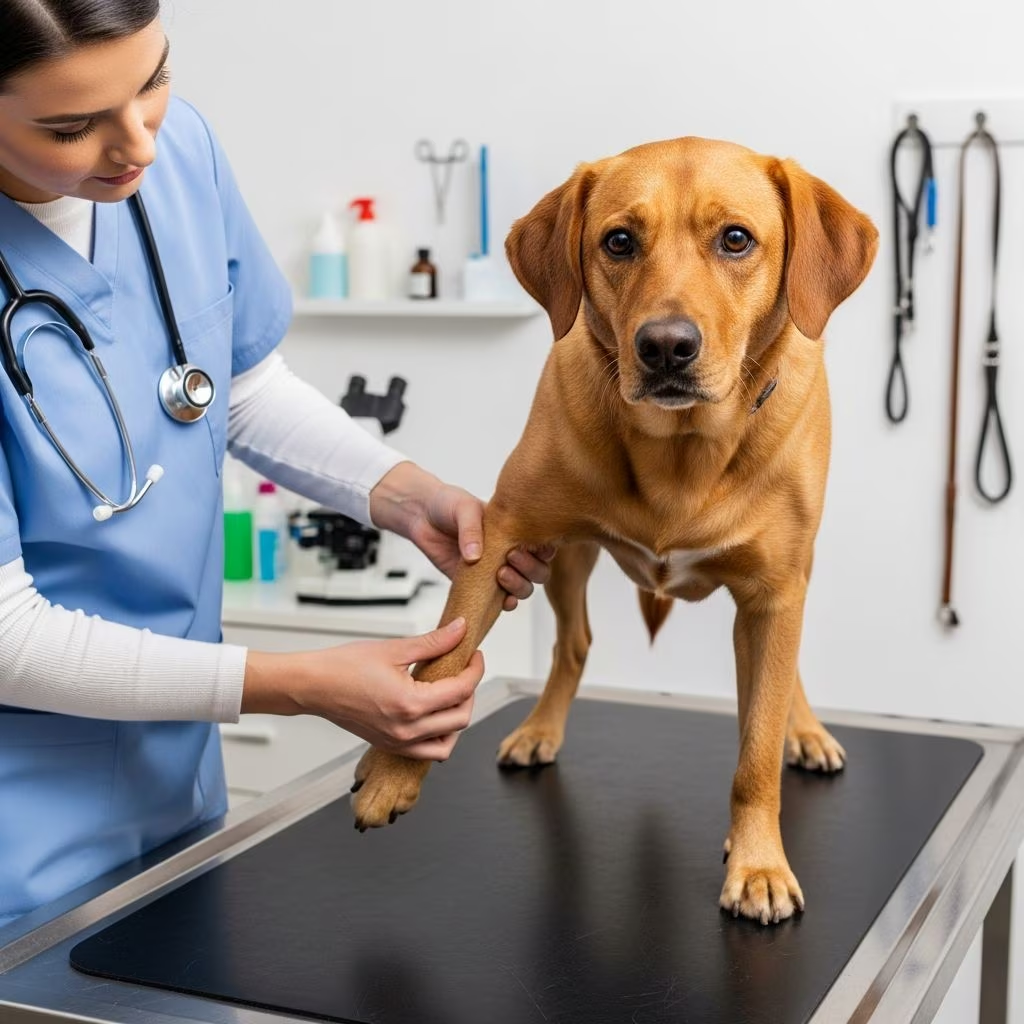
Patellar luxation occurs when a dog’s kneecap slips out of its normal groove in the femur, leading to discomfort and mobility challenges. This common orthopedic condition affects many dogs, particularly small breeds, and early detection can significantly improve outcomes through targeted management.
Understanding the Anatomy of a Dog’s Knee
The canine stifle joint, equivalent to a human knee, relies on the patella—or kneecap—to stabilize the joint during movement. Normally, the patella sits securely in the trochlear groove of the femur, guided by ligaments and muscles. When misalignment happens, the patella dislocates laterally or medially, disrupting normal function and causing pain.
Several anatomical factors contribute to this instability, including shallow trochlear grooves, malformed tibias, or imbalanced muscle pull. Over time, repeated dislocations can erode cartilage, fostering arthritis and chronic lameness.
Common Causes and Risk Factors
Patellar luxation often stems from congenital defects present at birth, making certain breeds genetically predisposed. Small dogs like Chihuahuas, Pomeranians, Maltese, and Yorkshire Terriers face higher risks due to their shallow femoral grooves and delicate bone structures.
Trauma from falls or rough play can trigger luxation in otherwise healthy dogs, while obesity exacerbates the issue by overloading joints. Poor muscle development from inactivity or rapid growth in puppies also plays a role. Bilateral occurrence— affecting both hind legs—is common, impacting up to 10% of small-breed dogs.
Recognizing the Signs Early
Owners often spot the hallmark “skip” or hop: the dog lifts the affected hind leg briefly, then resumes walking as the patella relocates. This intermittent lameness may follow exercise but can become constant in advanced cases.
- Sudden yelps during activity, indicating pain
- Bow-legged or knock-kneed stance
- Reluctance to jump, climb stairs, or run
- Hunched back or muscle wasting in hindquarters
- Audible cracking or popping from the knee
These symptoms mimic other issues like cruciate ligament tears, so veterinary evaluation is essential for accurate diagnosis.
Grading the Severity: From Mild to Critical
Veterinarians classify patellar luxation into four grades based on stability and manual repositioning ease. This system guides treatment decisions.
| Grade | Description | Typical Management |
|---|---|---|
| I | Patella luxates manually but snaps back spontaneously; no lameness. | Conservative care, monitoring. |
| II | Occasional spontaneous luxation; intermittent lameness; manual reduction possible. | Medical therapy; surgery if progressing. |
| III | Patella out most times; manual reduction easy but unstable. | Surgery recommended. |
| IV | Permanently luxated; cannot be manually reduced; severe deformity. | Surgical correction essential. |
Grades I and II often respond to non-invasive methods, while III and IV demand intervention to avert irreversible damage.
Diagnostic Process Explained
A thorough exam begins with physical manipulation: the vet assesses patellar position, joint laxity, and pain response. Radiographs confirm bone alignment, groove depth, and arthritis presence. Advanced imaging like CT scans may evaluate complex cases.
Rule out concurrent conditions such as hip dysplasia or ligament injuries through gait analysis and orthopedic tests. Early diagnosis prevents progression, especially in young dogs.
Non-Surgical Management Strategies
For low-grade luxations, conservative approaches build joint stability and reduce inflammation without incisions.
- Weight Control: Achieving ideal body weight lessens joint stress; diets formulated for joint health aid this.
- Medications: NSAIDs like carprofen or grapiprant alleviate pain and swelling; never use human drugs.
- Supplements: Glucosamine, chondroitin, and omega-3s support cartilage and lubrication.
- Physical Rehabilitation: Hydrotherapy, controlled walks, and strengthening exercises bolster quadriceps and stabilize the joint.
- Activity Limits: Avoid stairs, jumping; use ramps and leashes for short outings.
These methods can manage symptoms lifelong in mild cases, with flare-ups tied to overexertion.
Surgical Interventions for Lasting Relief
When conservative care fails or grades are high, surgery realigns anatomy for function restoration. Success rates exceed 90% in skilled hands, though complications like re-luxation occur in 5-10%.
Common techniques include:
- Trochlear Groove Deepening: Reshaping the femur’s groove (wedge or block recession) to secure the patella.
- Tibial Tuberosity Transposition: Repositioning the tibial crest to correct pull angle, often with pins.
- Capsular and Soft Tissue Adjustments: Tightening loose tissues and releasing tight ones (imbrication).
Procedures combine based on needs; bilateral surgery may occur staged.
Post-Operative Care and Recovery Timeline
Recovery demands strict adherence to minimize complications. Expect 8-12 weeks for full healing.
- Immediate (0-3 days): Strict crate rest, opioids, ice therapy.
- Weeks 1-2: Short leash walks, NSAIDs, passive motion exercises.
- Weeks 3-6: Gradual rehab with professional therapist; monitor stitches.
- Weeks 6-12: Controlled activity ramp-up; radiographs confirm healing.
Watch for swelling, infection, or implant issues; most dogs regain near-normal function.
Preventive Measures for Healthy Joints
Proactive steps reduce risk, especially in predisposed breeds.
- Maintain lean weight through balanced diet and portion control.
- Provide puppy-appropriate exercise to develop strong muscles.
- Use joint supplements from early age in at-risk dogs.
- Select breeders screening for orthopedic health.
- Avoid high-impact activities in youth.
Long-Term Prognosis and Complications
With treatment, most dogs thrive, but untreated cases lead to osteoarthritis, muscle atrophy, and mobility loss. Post-surgery, 85-95% show improvement, though some develop mild arthritis. Regular vet check-ups track progress.
Frequently Asked Questions (FAQs)
Can patellar luxation heal without surgery?
Yes, grades I-II often manage with weight loss, meds, and rehab, preventing progression.
Is surgery risky for small dogs?
Risks exist but are low with experienced surgeons; complications like infection affect under 10%.
How much does surgery cost?
Varies by location and complexity; typically $1,500-$5,000 per knee, plus rehab.
Will my dog need lifelong meds?
Possibly for arthritis management post-treatment, but many reduce reliance over time.
Can large breeds get this?
Rarely; it’s predominantly small-breed issue, though trauma affects any size.
References
- Luxating Patella in Dogs: Prevention, Symptoms, Treatment, and Surgery — Animal Outpatient Surgery. 2023. https://animaloutpatientsurgery.com/blog/luxating-patella-in-dogs-prevention-symptoms-treatment-and-surgery/
- Luxating Patella in Dogs: What Is It, and How Is It Treated? — PetMD. 2024. https://www.petmd.com/dog/conditions/musculoskeletal/luxating-patella-in-dogs
- Luxating Patella in Dogs — Dogwood Veterinary Hospital. 2023. https://dogwoodvet.com/blog/luxating-patella-in-dogs/
- Understanding Luxating Patellas in Dogs: Causes, Symptoms, and Treatment — Austin Canine Rehab. 2024. https://www.austincaninerehab.com/blog/luxating-patella-in-dogs
- Luxating Patella in Dogs — PDSA. 2024. https://www.pdsa.org.uk/pet-help-and-advice/pet-health-hub/conditions/luxating-patella-in-dogs
- Luxating Patella: Causes, Symptoms, and Treatment — AKC. 2023. https://www.akc.org/expert-advice/health/luxating-patella-dog/
- Canine Patellar Luxation: Diagnosis and Treatment Options — Today’s Veterinary Practice. 2022. https://todaysveterinarypractice.com/orthopedics/canine-patellar-luxation-diagnosis-and-treatment-options-for-general-practitioners/



