

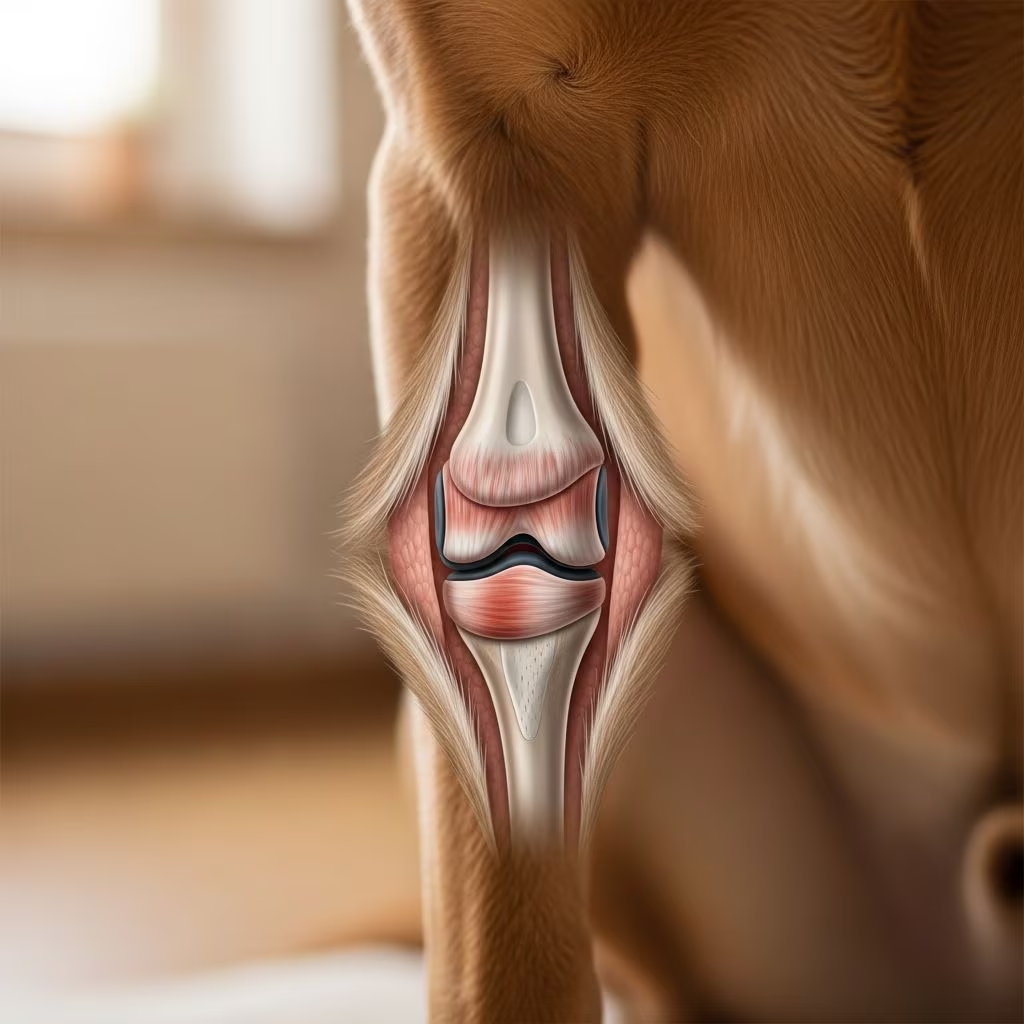
Patellar luxation, a condition where the kneecap (patella) temporarily or permanently slides out of its normal position, represents one of the most frequently encountered orthopedic challenges in veterinary medicine. This condition can develop in dogs of any size, though it shows a particular prevalence in smaller breeds. Understanding the mechanics of this condition, recognizing its early manifestations, and exploring available treatment pathways empowers dog owners to make informed decisions about their pet’s long-term health and quality of life.
Recognizing the Physical Signs
The behavioral and physical indicators of patellar luxation vary depending on severity and individual tolerance levels. Pet owners frequently report observing sudden changes in their dog’s movement patterns, particularly affecting the rear limbs.
- Intermittent Skipping Motion: One of the most distinctive indicators is a sudden, brief lifting of one hind leg while walking or running. Dogs often skip this affected leg for a few steps before returning to normal gait, as if attempting to avoid bearing weight on the problematic joint.
- Progressive or Intermittent Limping: Lameness may appear consistently or sporadically, depending on activity level and the specific stage of the condition. Some dogs display more pronounced limping following exercise or vigorous play.
- Postural Changes: Affected dogs may adopt a bowlegged stance in the rear limbs or develop a hunched appearance in the lower back region. This postural shift represents an adaptive response to joint instability.
- Difficulty with Transitions: Rising from sitting or lying positions, particularly after periods of rest, may present challenges. Stiffness often accompanies these movements, especially when the patella has recently luxated.
- Joint-Related Sounds: Observable cracking, popping, or clicking sounds may emanate from the affected knee joint when the dog moves or the joint flexes.
- Localized Inflammation: In certain cases, swelling around the knee joint may develop due to repeated micro-trauma and inflammatory responses triggered by the recurrent dislocations.
The Severity Continuum: Understanding Grades
Veterinary professionals classify patellar luxation into distinct grades, each reflecting different levels of joint involvement and functional impairment. This grading system guides treatment recommendations and helps predict outcomes.
Grade I: This represents the mildest presentation, characterized by occasional slippage that typically self-corrects without intervention. Dogs at this level often display minimal or entirely absent clinical signs, with symptoms potentially remaining undetected during routine observations. The kneecap functions adequately during most daily activities, and affected dogs frequently maintain normal movement patterns.
Grade II: At this intermediate stage, the kneecap experiences more frequent episodes of displacement, though it usually returns to its proper anatomical position either spontaneously or with minor manual repositioning. Dogs exhibit intermittent lameness and variable discomfort levels. The increased frequency and severity of episodes make this grade more noticeable to observant owners, as the behavioral changes become more pronounced and regular.
Grade III: This advanced stage involves frequent luxation with inconsistent spontaneous reduction. The kneecap may remain displaced for extended periods, necessitating manual repositioning. Dogs at this severity level typically demonstrate chronic lameness and significant functional limitations.
Grade IV: The most severe classification involves permanent luxation where the kneecap remains dislocated continuously. This stage results in severe lameness, substantial pain, and marked reduction in mobility and quality of life.
Underlying Causes and Risk Factors
Patellar luxation develops through multiple pathways. Genetic predisposition plays a significant role, particularly in smaller dog breeds where anatomical variations create inherent susceptibility. Abnormal bone structure, including improper alignment of the femur or tibia, establishes conditions favorable for patellar displacement.
Traumatic injury represents another important causative factor. Direct impact to the knee joint or excessive force applied at unusual angles can trigger initial luxation or accelerate the progression of underlying anatomical vulnerabilities. Obesity intensifies stress on supporting structures, increasing both the likelihood and frequency of luxation episodes.
Diagnostic Approaches and Professional Evaluation
Veterinary assessment typically begins with a comprehensive physical examination combined with a detailed history of observed symptoms. The veterinarian manually manipulates the knee joint to determine if the patella can be displaced from its normal position and evaluate the ease and frequency of displacement.
Imaging studies, particularly radiography (X-rays), provide detailed visualization of bone structure and alignment, revealing anatomical abnormalities that predispose to luxation. These images document baseline joint conditions and identify secondary changes such as early degenerative alterations.
Conservative Management Strategies
For dogs with milder grades of patellar luxation (typically Grade I and II), non-surgical approaches frequently produce satisfactory outcomes. These strategies focus on reducing pain, minimizing inflammation, and strengthening supportive musculature.
Pharmaceutical Interventions: Veterinarians commonly prescribe nonsteroidal anti-inflammatory medications to manage discomfort and reduce inflammation associated with patellar movement. These medications improve comfort during physical activity and facilitate participation in rehabilitative exercises. Joint supplements containing glucosamine and chondroitin may support cartilage health and reduce joint degeneration over time.
Physical Rehabilitation: Targeted exercise programs designed by certified canine rehabilitation specialists strengthen the quadriceps and thigh musculature, enhancing joint stability. These programs incorporate sit-to-stand transitions, controlled walking exercises, and proprioceptive training. Properly structured rehabilitation can significantly improve functional stability and reduce symptom frequency.
Activity Modification: Restricting high-impact activities such as jumping, running up stairs, or vigorous play prevents patellar displacement triggers. Controlled, short-duration potty walks on a leash replace unrestricted activity, allowing continued exercise while minimizing injury risk. Weight management proves essential, as excess body weight increases mechanical stress on the affected joint.
Supportive Devices: In selected cases, specialized bracing or taping techniques provide external stabilization, reducing displacement risk during movement. These devices mechanically support proper patellar positioning.
Surgical Intervention: When and Why
Surgical intervention becomes necessary when conservative management fails to control symptoms, when dogs experience chronic pain despite medical management, or when severity (Grade III or IV) precludes non-surgical success. Multiple surgical techniques address different anatomical problems contributing to luxation.
Trochlear Wedge Resection: This procedure deepens the groove in the femur bone where the patella rests, creating a more secure channel that mechanically prevents displacement. By increasing the groove depth, the patella becomes mechanically constrained within its proper location.
Tibial Tuberosity Transposition: This technique alters the attachment point where the quadriceps tendon connects to the tibia (shin bone). Repositioning this attachment point corrects abnormal pulling forces that drive patellar displacement, addressing the mechanical dysfunction responsible for luxation.
Joint Capsule Tightening: Lateral capsular imbrication involves tightening stretched connective tissues surrounding the knee joint. This procedure reduces excessive laxity that permits abnormal patellar movement.
Surgeons frequently combine multiple techniques in a single procedure to address multiple anatomical abnormalities. The specific surgical approach depends on the underlying anatomical problems identified during diagnostic imaging and physical examination.
Postoperative Recovery and Rehabilitation
Following surgical intervention, dogs require carefully structured recovery protocols spanning several weeks. Immediate postoperative management includes opioid pain medications and fluid support during the initial 24 to 36 hours. Cold compression therapy applied during the first three days minimizes inflammation and swelling.
Between days four and seven, warm compress therapy promotes circulation and tissue healing. Weeks one through two emphasize multimodal pain management combined with gentle passive range-of-motion exercises and massage provided by certified rehabilitation specialists. Formal physical therapy begins gradually, incorporating controlled walking, hip exercises, and postural work designed to rebuild strength without stressing surgical repairs.
Dogs typically return to near-normal function within 8 to 12 weeks, though full rehabilitation may extend longer. Veterinarians provide specific activity restrictions throughout recovery, progressively expanding permitted activities as healing progresses.
Potential Complications and Long-Term Outcomes
While surgical intervention frequently resolves patellar luxation, complications can occur. Recurrence of luxation represents the most common postoperative problem, occurring in a subset of surgically treated dogs. Implant failure, inadequate or excessive correction of anatomical problems, bone fractures, infections, fluid accumulations, and progressive joint arthritis represent additional potential complications.
Dogs managed without surgery experience variable long-term outcomes depending on severity and compliance with management protocols. Grade I patellar luxation rarely requires treatment and generally doesn’t progress. Dogs with Grade II luxation managed carefully with appropriate physiotherapy and exercise control frequently achieve excellent quality of life with minimal pain or functional limitation.
Monitoring and Long-Term Management
Regardless of treatment choice, ongoing monitoring remains essential. Pet owners should observe movement patterns regularly, noting any changes in lameness frequency, severity, or consistency. Periodic veterinary reassessment allows tracking of progression or improvement and permits treatment adjustments based on response.
Weight management remains crucial throughout the dog’s life, as obesity significantly exacerbates symptoms and accelerates degeneration. Consistent, appropriately controlled exercise maintains muscle strength without overwhelming the affected joint. Environmental modifications such as providing ramps to prevent jumping on furniture reduce episodes triggered by high-impact activities.
References
- Luxating Patella in Dogs: Symptoms, Treatment Options & Prognosis — Bond Vet. 2024. https://bondvet.com/blog/luxating-patella-dog
- Luxating Patella in Dogs: What Is It, and How Is It Treated? — PetMD. 2024. https://www.petmd.com/dog/conditions/musculoskeletal/luxating-patella-in-dogs
- Luxating Patella in Dogs — VCA Animal Hospitals. 2024. https://vcahospitals.com/know-your-pet/luxating-patella-in-dogs
- Luxating patella in dogs — PDSA. 2024. https://www.pdsa.org.uk/pet-help-and-advice/pet-health-hub/conditions/luxating-patella-in-dogs
- Canine Patellar Luxation: Diagnosis and Treatment Options for General Practitioners — Today’s Veterinary Practice. 2024. https://todaysveterinarypractice.com/orthopedics/canine-patellar-luxation-diagnosis-and-treatment-options-for-general-practitioners/
- Understanding Luxating Patellas in Dogs: Causes, Symptoms, and Treatment — Austin Canine Rehab. 2024. https://www.austincaninerehab.com/blog/luxating-patella-in-dogs
- Luxating Patella in Dogs — Dogwood Veterinary Hospital. 2024. https://dogwoodvet.com/blog/luxating-patella-in-dogs/



