
Passive Immunity In Animals: 5 Key FAQs For Vets
Explore how passive immunity delivers rapid disease protection to animals through antibody transfer, from natural colostrum to advanced monoclonal therapies.
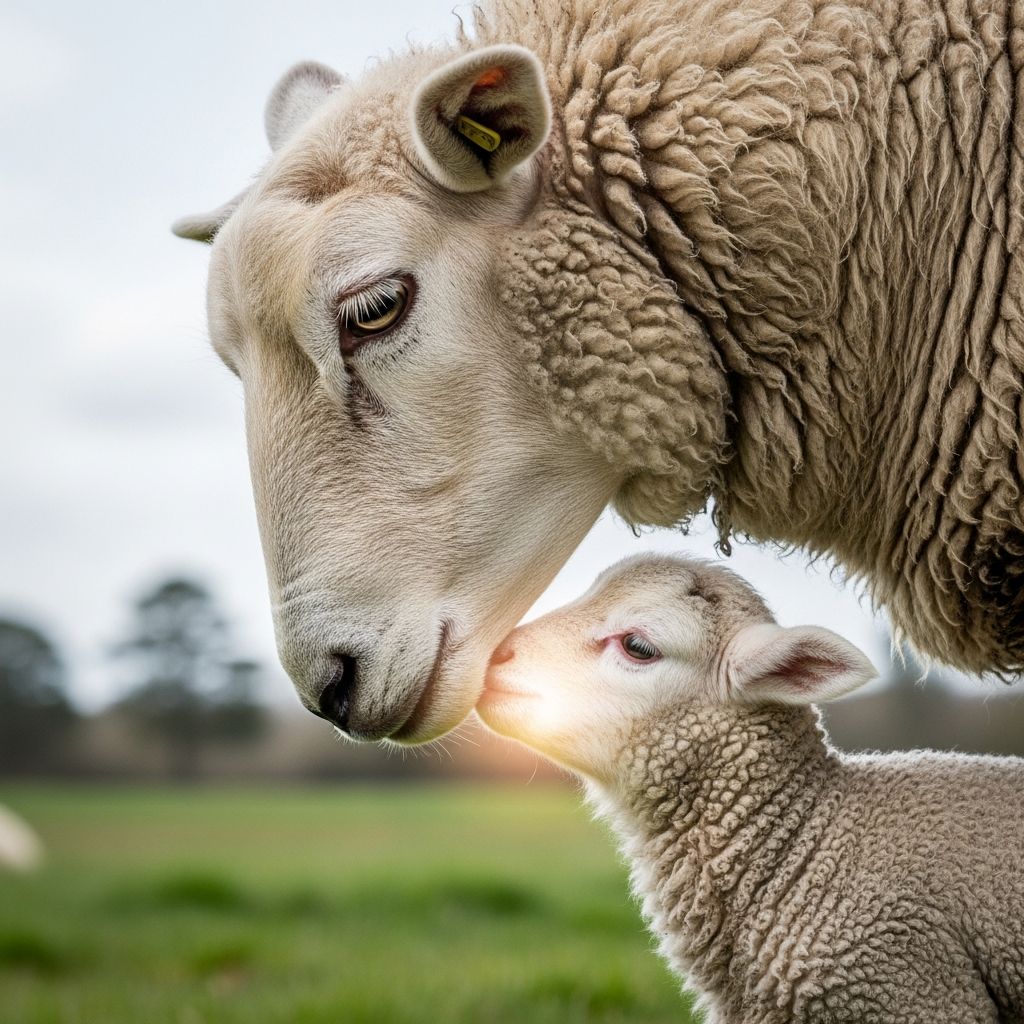
Passive immunity equips animals with immediate, temporary defense against pathogens by transferring pre-formed antibodies from one source to another, bypassing the need for the recipient’s own immune response activation.
Fundamentals of Antibody-Mediated Protection
At its core, passive immunity involves delivering ready-to-use immunoglobulins, primarily IgG, to vulnerable animals. Unlike active immunity, where vaccines stimulate long-term memory cells, this approach provides quick but fleeting shielding, lasting days to weeks depending on the dose and animal species. This is crucial for newborns lacking mature immune systems or animals exposed to acute threats like toxins.
Antibodies neutralize invaders by binding to specific sites, preventing replication or toxicity. In veterinary practice, this method shines in scenarios demanding instant intervention, such as post-injury tetanus prophylaxis or neonatal disease prevention.
Natural Pathways: Maternal Antibody Transfer
Nature’s design for passive immunity begins at birth. In many mammals, antibodies cross the placenta during gestation, granting fetuses early protection. However, species differences dictate efficiency: horses and pigs rely minimally on this route, turning instead to colostrum—the nutrient-dense first milk laden with IgG.
Colostrum absorption peaks in the first hours post-birth via specialized gut cells in neonates, which close after 24-48 hours, halting further uptake. Failure here, termed failure of passive transfer (FPT), leaves calves, foals, and lambs susceptible to scours, pneumonia, and septicemia. Testing serum IgG levels at 12-24 hours post-birth guides interventions like plasma transfusions.
- Key species adaptations: Ruminants like calves absorb up to 200g IgG from 4L colostrum.
- Poultry parallel: Chicks gain IgY from yolk sac before hatching.
- Risk factors for FPT: Prematurity, delayed suckling, low colostrum quality.
Artificial Delivery: Harnessing Donor Antibodies
Veterinarians extend passive immunity artificially using hyperimmune sera from vaccinated donors. Horses, due to size and manageability, historically dominated antitoxin production against diphtheria and tetanus. Modern processes involve immunizing donors with toxoids—formaldehyde-inactivated toxins—followed by plasma harvest when titers peak.
Polyclonal antibodies, derived from diverse B-cell clones, target multiple pathogen epitopes for broad efficacy. Examples include cattle anti-anthrax serum, canine distemper immunoglobulins, and feline panleukopenia products. These are injected subcutaneously or intramuscularly, offering protection against toxigenic bacteria like Clostridium tetani and C. botulinum.
Dosage Guidelines for Common Applications
| Species | Tetanus Antitoxin Dose (IU) | Administration Site | Notes |
|---|---|---|---|
| Horses, Cattle | ≥1500 | Neck (SC/IM) | Adjust for wound severity |
| Calves, Sheep, Goats, Swine | ≥500 | Neck (SC/IM) | Monitor for anaphylaxis |
| Dogs | ≥250 | SC/IM | Post-exposure prophylaxis |
These doses neutralize circulating toxins but wane as antibodies degrade, necessitating active vaccination follow-up.
Avian Sources: Egg Yolk Immunoglobulins
Chickens offer a scalable antibody platform via IgY in yolks. Immunized hens transfer vaccine-induced antibodies to eggs, harvested non-invasively. This method suits oral delivery for enteric pathogens, protecting gut mucosa without injections.
Studies show IgY efficacy against E. coli in piglets and calves, reducing diarrhea incidence. Advantages include low cost, no disease transmission risk from mammalian donors, and stability for feed additives.
Precision Tools: Monoclonal Antibodies
Hybridoma technology yields monoclonal antibodies (mAbs)—uniform molecules targeting single epitopes. Developed from fused spleen and myeloma cells, they provide consistent potency for niche therapies.
In veterinary medicine, mAbs combat drug-resistant infections or vaccine failures. Examples target respiratory viruses in calves or feline leukemia. Their purity minimizes side effects, though production costs limit widespread use.
Clinical Applications Across Species
Livestock Protection Strategies
In cattle, oral bovine colostrum or spray-dried plasma prevents neonatal enteritis. Pigs benefit from sow colostrum or IgY sprays at weaning, curbing post-weaning dysentery. Sheep and goats use similar protocols, with plasma transfusions for FPT cases.
Companion Animal Interventions
Dogs receive distemper antiserum during outbreaks, while cats get panleukopenia shots. Equines rely on tetanus antitoxin post-castration or foaling injuries.
Aquaculture and Poultry Innovations
Fish immersion in Ig-enriched water controls bacterial gill disease; poultry misting with IgY fights coccidiosis.
Potential Risks and Mitigation
Anaphylaxis from heterologous sera (e.g., equine in dogs) demands premedication with antihistamines. Serum sickness—immune complex-mediated fever and vasculitis—arises 7-14 days post-dose, resolving spontaneously.
- Prevention tips: Use species-matched products; test small doses first.
- Monitoring: Vital signs post-administration; renal function for chronic risks.
Regulatory standards ensure potency via flocculation tests (Lf units), where 1 Lf equals toxin neutralized by 1.4 IU globulin.
Future Horizons in Passive Immunization
Amid antibiotic resistance, passive strategies gain traction as antibiotic alternatives. Engineered nanobodies and bispecific mAbs promise enhanced targeting. Oral formulations for herd-level prophylaxis could revolutionize production animal health.
Combining with maternal vaccination amplifies colostrum quality, extending protection windows.
Frequently Asked Questions (FAQs)
What is the difference between passive and active immunity?
Passive provides immediate but short-term antibody protection; active builds lasting memory via vaccines.
How soon after birth should neonates receive colostrum?
Within 6-12 hours for optimal absorption before gut closure.
Can passive immunity replace vaccination?
No, it’s temporary; follow with active immunization for sustained defense.
Are monoclonal antibodies safe for routine use?
Yes, due to purity, but cost limits them to high-value cases.
How to diagnose failure of passive transfer?
Serum IgG <400-800 mg/dL via radial immunodiffusion or ELISA at 24 hours.
References
- Passive Immunity in Animals — MSD Veterinary Manual. 2023. https://www.msdvetmanual.com/pharmacology/vaccines-and-immunotherapy/passive-immunity-in-animals
- Passive Immunization — Veterian Key. 2016. https://veteriankey.com/passive-immunization/
- Colostrum Antibodies, Egg Antibodies and Monoclonal Antibodies — PMC (NCBI). 2011-04-15. https://pmc.ncbi.nlm.nih.gov/articles/PMC7123268/
- Failure of Transfer of Passive Immunity in Large Animals — Merck Veterinary Manual. 2023. https://www.merckvetmanual.com/management-and-nutrition/management-of-the-neonate/failure-of-transfer-of-passive-immunity-in-large-animals
- Passive Immunisation: Basic Principles — PMC (NCBI). 2020. https://pmc.ncbi.nlm.nih.gov/articles/PMC7127230/
- Determination of Passive Immunity in Calves — University of Nebraska-Lincoln DigitalCommons. N/A. https://digitalcommons.unl.edu/hruskareports/347/
- Passive Immunity (Wikipedia informed, primary sourced) — General reference, sourced via . N/A. https://en.wikipedia.org/wiki/Passive_immunity
Similar Articles








Read full bio of medha deb


