
Feeding Passerine Birds: Complete Nutritional Guide
Essential dietary strategies for maintaining healthy passerine populations
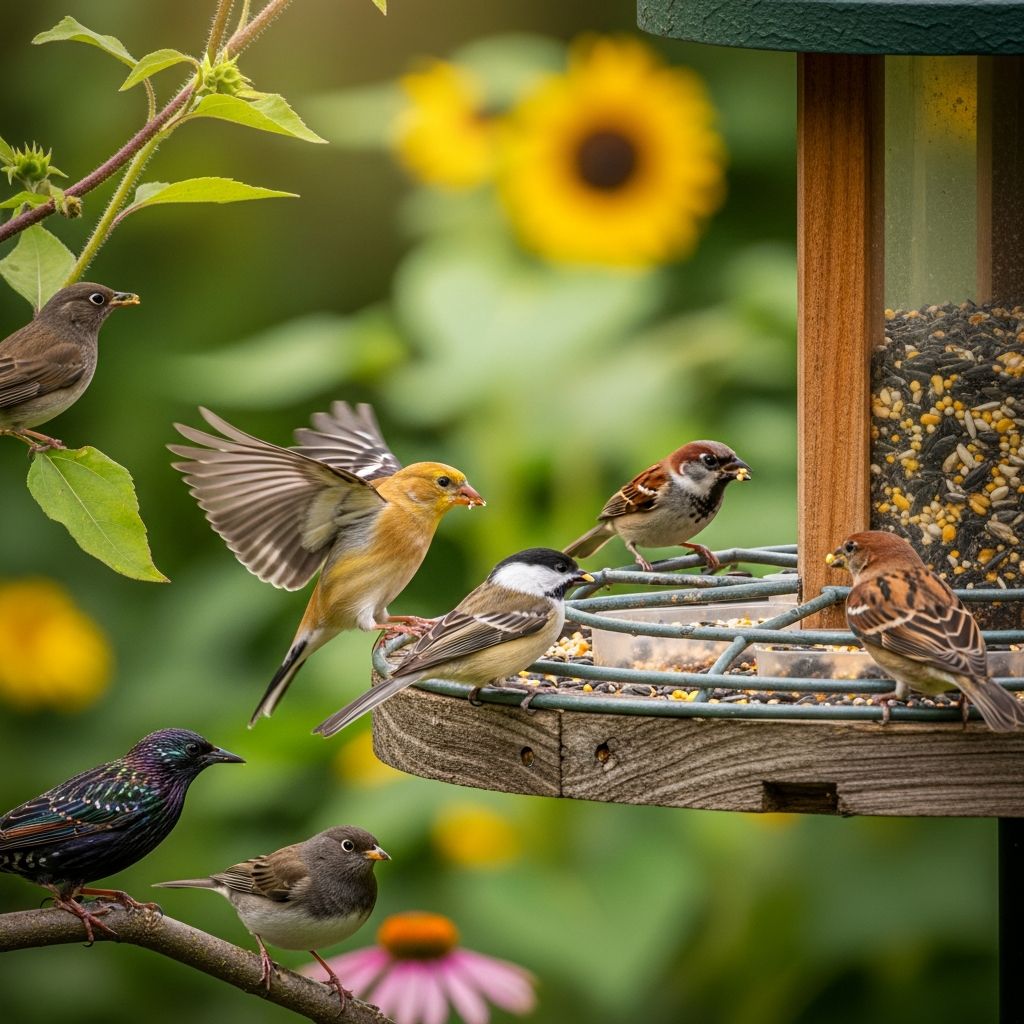
Passerine birds, commonly known as perching birds or songbirds, comprise nearly 60% of all bird species worldwide. These diverse avian species display remarkably varied dietary preferences and nutritional requirements that directly influence their reproductive success, longevity, and overall health status. Understanding the fundamental principles of passerine nutrition is essential for aviculturists, wildlife rehabilitators, and bird enthusiasts who maintain these animals in captivity or rehabilitation settings.
Understanding Passerine Dietary Diversity
The passerine order exhibits exceptional dietary flexibility, with different species adapted to consume vastly different food sources. Rather than viewing all passerines as having uniform dietary needs, recognition of this diversity forms the foundation of effective nutritional management. Some species thrive primarily on seeds, while others depend almost entirely on insects, nectar, or fruit for survival. This fundamental distinction shapes every aspect of dietary planning for captive birds.
Granivorous passerines, including canaries and finches, have evolved specialized digestive anatomy that processes seeds efficiently. Their muscular gizzards and crop systems allow them to consume large quantities of seeds and store them for gradual processing. Conversely, insectivorous species possess different gastrointestinal morphology optimized for processing protein-rich insects. Some species exhibit facultative insectivory, switching between seed-based and insect-based diets seasonally, with many becoming predominantly insectivorous during breeding periods when protein demands increase dramatically.
Nectarivorous, frugivorous, and omnivorous passerines represent additional dietary categories requiring specialized approaches. These distinctions become critical when selecting appropriate commercial diets or formulating supplementary nutrition. A canary cannot thrive on a diet designed for an insectivorous thrush, nor can a hummingbird-equivalent species survive on standard finch seed mixtures.
The Problem with Seed-Only Diets
While seeds form the natural foundation for many passerine species, relying exclusively on commercial seed mixtures creates significant nutritional gaps. Seed-based diets consistently demonstrate deficiencies in multiple critical nutrients, including lysine, calcium, available phosphorus, sodium, manganese, zinc, iron, iodine, and selenium. Fat-soluble vitamin deficiencies are particularly common, affecting vitamins A, D₃, E, and K. Water-soluble vitamin insufficiencies include riboflavin, pantothenic acid, niacin, vitamin B₁₂, and choline.
The consequences of these deficiencies extend beyond general health maintenance into reproductive performance. Birds consuming seed-only diets frequently exhibit reduced fertility, decreased hatchability, weakened immune function, and developmental abnormalities in offspring. The high fat content present in many seed mixtures contributes to obesity while paradoxically coexisting with micronutrient deficiencies. This metabolic paradox reflects the poor nutritional profile of seeds relative to natural diets consumed by wild populations.
Commercial seed mixtures typically contain 10-15% fat or higher, compared with the recommended 5-8% for breeding birds. This excessive fat promotes weight gain without providing corresponding improvements in essential micronutrients. Over time, obesity predisposes birds to fatty liver disease, cardiovascular dysfunction, and reproductive failure.
Formulated Pellet Diets as Primary Nutrition
Extruded pellet formulations represent a significant advancement in captive passerine nutrition. Unlike seeds, which are individual plant components selected by the bird, pellets integrate all nutrients into a consistent matrix. Each pellet theoretically contains similar proportions of protein, fat, vitamins, and minerals, ensuring birds receive balanced nutrition regardless of selective eating behaviors.
Breeding formulations specifically engineered for reproductive demands typically contain 18-22% crude protein with restricted fat levels of 5-8%. This composition supports the elevated metabolic demands of egg production and chick-rearing without promoting obesity. Maintenance formulations designed for non-breeding birds contain slightly lower protein levels while still providing essential micronutrients.
The transition from seed-based to pelleted diets often requires patience and creative management. Many birds initially reject unfamiliar pellet forms, particularly if they have consumed seeds throughout their lives. Gradual mixing of pellets with preferred seeds, offering pellets during morning feeding when birds are most hungry, and removing competing seed sources facilitate dietary transitions. Some breeders successfully combine pellet-based mashes with soaked seeds during the adjustment period.
Supplementary Foods and Behavioral Enrichment
Beyond primary nutrition, supplementary foods serve dual purposes of meeting specialized nutritional needs while stimulating natural foraging and feeding behaviors. Fresh vegetables and legumes should comprise approximately 40% of supplementary food offerings, translating to roughly 10-20% of total daily diet volume. Legumes including beans, peas, and lentils provide superior nutrient density compared with many vegetables, offering substantial protein, vitamins, calcium, and trace minerals.
Sprouted seeds offer concentrated nutrition during germination when enzymatic activity increases nutrient bioavailability. Sprouting simultaneously reduces the anti-nutritional factors present in raw seeds while providing live plant tissue mimicking natural food sources. Fruits, while offering enrichment value and certain vitamins, should represent a smaller dietary component due to their relatively high sugar content and lower micronutrient density compared with vegetables.
Live insects constitute essential nutrition for insectivorous species and breeding birds of all types. During breeding seasons, insects provide irreplaceable amino acid profiles and concentrated proteins crucial for egg formation and chick development. Mealworms, crickets, and other commercially available insects require supplementation with calcium given their inherent phosphorus excess. The calcium-to-phosphorus ratio in insects often requires correction through additional calcium supplementation to achieve the recommended 2:1 ratio.
Calcium and Mineral Management
Calcium emerges as one of the most critically deficient minerals in typical passerine diets, particularly during reproductive periods. Female birds transitioning into breeding require dramatic increases in calcium availability to support eggshell formation. Inadequate calcium results in thin-shelled or shell-less eggs, reproductive failure, and developmental abnormalities in growing chicks.
Soluble grit in the form of oyster shell or cuttlebone provides accessible calcium supplementation. Unlike insoluble grit, which aids digestion in granivorous species, soluble grit dissolves in the digestive system and releases its mineral content directly into absorption sites. Research indicates that birds denied access to soluble grit sources increase consumption of alternative calcium sources such as cuttlebone, demonstrating their ability to self-regulate calcium intake when given options.
The calcium-to-phosphorus ratio should ideally reach 2:1 for optimal metabolism. Seeds inherently contain phosphorus excess relative to calcium, necessitating external calcium supplementation. Commercial mineral blocks, boiled crushed eggshells, and cuttlebone pieces offer convenient supplementation methods. Some breeders provide multiple calcium sources simultaneously, allowing birds to select based on their physiological requirements.
Species-Specific Nutritional Strategies
Canaries and Seed-Eating Finches
Canaries and Bengalese finches adapt readily to commercial diets but require supplementary nutrition for optimal reproduction. Traditional breeding practices involved supplementing seed diets with egg food—hard-boiled egg mixed with vitamins, minerals, and sometimes soaked seeds. This labor-intensive approach reflected the empirical recognition that seeds alone proved insufficient for breeding success.
Modern management increasingly employs complete pellet formulations, reducing dependency on time-consuming egg food preparation while improving nutritional consistency. When pellets are not accepted, combining pellet fragments with egg food mixtures facilitates dietary transitions. Supplementary vegetables, sprouted seeds, and consistent access to soluble grit complete the nutritional framework.
Insectivorous Species
Birds with primarily insectivorous diets require insects comprising 30-60% of total food intake. Complete replacement of insects with seed-based diets results in slow wasting, immunosuppression, and ultimately death. For birds presented in rehabilitation or captive settings where live insects present logistical challenges, high-quality puppy food soaked in water and combined with vitamin-mineral supplements provides an acceptable temporary base diet.
Soya-based commercial products also demonstrate efficacy in supporting insectivorous species, particularly during transitions to more easily maintained diets. However, these transitional diets should not represent permanent substitutes for insect-containing formulations. The specific amino acid profile and micronutrient composition of insects remain difficult to replicate completely through plant-based alternatives.
Mynahs and Softbilled Species
Mynahs and related softbilled species require dietary consideration of their unique susceptibility to iron storage disease. In natural settings, mynahs consume diverse diets including fruits, small vertebrates, insects, and bird eggs. Captive diets must restrict total iron content to less than 40 parts per million (ppm), or approximately 4-6 mg iron per kilogram body weight daily.
Commercial diets designed for low-iron feeding often prove unreliable, with actual iron content exceeding labeled specifications by five to six times. Independent analysis revealed that products claiming maximum 100 ppm iron frequently contained 210 ppm or higher. This discrepancy underscores the importance of sourcing diets from manufacturers with verified quality control and nutritional analysis documentation.
Physiological Considerations in Passerine Nutrition
Passerines exhibit metabolic characteristics distinct from larger avian species. Their body temperature typically reaches approximately 42°C, roughly 2°C higher than non-passerine birds. This elevated metabolism correlates with higher caloric requirements per unit body weight. Small passerines consume up to 30% of their body weight daily, with water consumption reaching 250-300 mL per kilogram body weight.
Desert-adapted species such as zebra finches demonstrate remarkable physiological plasticity, surviving months without access to water by obtaining moisture from food sources. Most species, however, require consistent access to fresh water. Water provision should be refreshed daily and positioned to allow bathing, which maintains feather condition crucial for thermoregulation and flight.
Transition Strategies and Dietary Challenges
Converting birds from seed-based diets to improved nutritional regimens requires patience and graduated approaches. Abrupt dietary changes may induce anorexia and weight loss, particularly in birds maintained on seeds throughout their lives. Successful transitions typically span several weeks to months.
Offering new foods during peak feeding times, when birds experience greatest hunger, increases acceptance. Mixing new foods with preferred foods in gradually increasing ratios allows birds to accustom themselves while maintaining nutritional intake. Some birds respond to visual stimulation from colored pellets or presentation of foods in novel formats.
Birds with anorexia requiring nutritional supplementation respond well to high-quality puppy food mixed with vitamin-mineral supplements. This calorie-dense approach supports rapid recovery while preserving gastrointestinal function. Transition to permanent diets should follow stabilization and recovery of appetite.
Breeding Season Nutritional Demands
Reproductive periods impose dramatically elevated nutritional requirements beyond maintenance needs. Female birds require increased calories, protein, calcium, and multiple micronutrients to support egg production. Males require elevated protein for spermatogenesis and behavioral demands associated with breeding activity.
Chick-rearing intensifies nutritional demands further as parent birds must provision rapidly growing offspring while maintaining their own body condition. Insect supplementation becomes critical during breeding, with many seed-eating species increasing insect consumption substantially. Birds offered exclusively seeds during breeding frequently abandon reproductive efforts, produce infertile eggs, or fail to successfully fledge chicks.
Strategic nutritional management involves increasing food quality and quantity 4-6 weeks prior to breeding season, maintaining elevated nutrition throughout egg-laying and incubation, and sustaining high-nutrient foods during chick-rearing periods. Gradual reduction in supplementary nutrition follows chick independence, allowing birds to transition back to maintenance-level feeding.
Monitoring Nutritional Status
Assessment of nutritional adequacy requires observation of multiple parameters beyond simple food consumption. Feather quality, body condition, reproductive success, and metabolic indicators collectively reflect nutritional status. Birds consuming inadequate protein may exhibit feather color abnormalities, poor feather structure, and slow molt progression. Calcium deficiency manifests through skeletal deformities in growing birds, thin eggshells in breeding females, and reduced muscle function.
Undigested food in feces suggests digestive dysfunction potentially related to nutritional imbalance or gastrointestinal disease. Particularly in mynahs and softbills, regurgitated pellets and excessive undigested material warrant dietary evaluation. Progressive weight loss despite adequate food access indicates either nutritional inadequacy or underlying disease requiring veterinary assessment.
Common Nutritional Deficiency Patterns
Recognition of deficiency patterns enables rapid corrective intervention. Vitamin A deficiency commonly presents with eye swelling and discharge, respiratory disease, and poor immune function. Vitamin D and calcium deficiency coexist in birds lacking adequate sunlight exposure or consuming phosphorus-excess diets without supplemental calcium. Growing birds demonstrate skeletal deformities, while adults exhibit pathologic fractures and muscle weakness.
Amino acid deficiencies, particularly lysine and methionine insufficiency from seed-only diets, result in poor feather development, muscle weakness, and reproductive failure. Trace mineral deficiencies including manganese, zinc, and copper produce neurological signs, feather abnormalities, and immunosuppression. Selenium deficiency correlates with reproductive failure and pancreatic dysfunction.
Practical Implementation of Improved Nutrition
Successful passerine nutrition management requires systematic implementation of evidence-based practices. Establishing baseline diets using complete pellet formulations, supplementing with seasonal vegetables and legumes, providing soluble grit during breeding periods, and offering insects during reproduction creates a robust nutritional framework. Regular monitoring of bird condition, reproductive output, and health status validates dietary adequacy.
Record-keeping documenting food consumption, weight trends, reproductive success, and observed health issues identifies potential nutritional insufficiencies early. Adjustment of dietary composition based on observed outcomes refines nutrition over time. Consultation with avian veterinarians experienced in passerine nutrition ensures species-specific approaches receive appropriate consideration.
References
- Nutrition in Passerines — Merck Veterinary Manual. 2024. https://www.merckvetmanual.com/management-and-nutrition/nutrition-exotic-and-zoo-animals/nutrition-in-passerines
- Passerines: Diet and Husbandry Requirements — PubMed Central (PMC), National Institutes of Health. 2020. https://pmc.ncbi.nlm.nih.gov/articles/PMC7158283/
- Avian Nutrition Basics Outline — LaFeber Company. 2020. https://lafeber.com/vet/wp-content/uploads/2020/11/Avian-Nutr-Basics-Outline-102020.pdf
- Avian Nutrition Guide — Birdhouse Mobile Veterinary Services. 2021. https://www.birdhousemobilevet.com/uploads/1/2/0/4/120407746/avian_nutrition.pdf
- Passeriformes: Nutrition and Husbandry — Harrison’s Bird Foods. 2024. https://www.harrisonsbirdfoods.com/wp-content/uploads/2024/03/1172-1199-Ch43-Passeriformes.pdf
Similar Articles








Read full bio of Sneha Tete


