

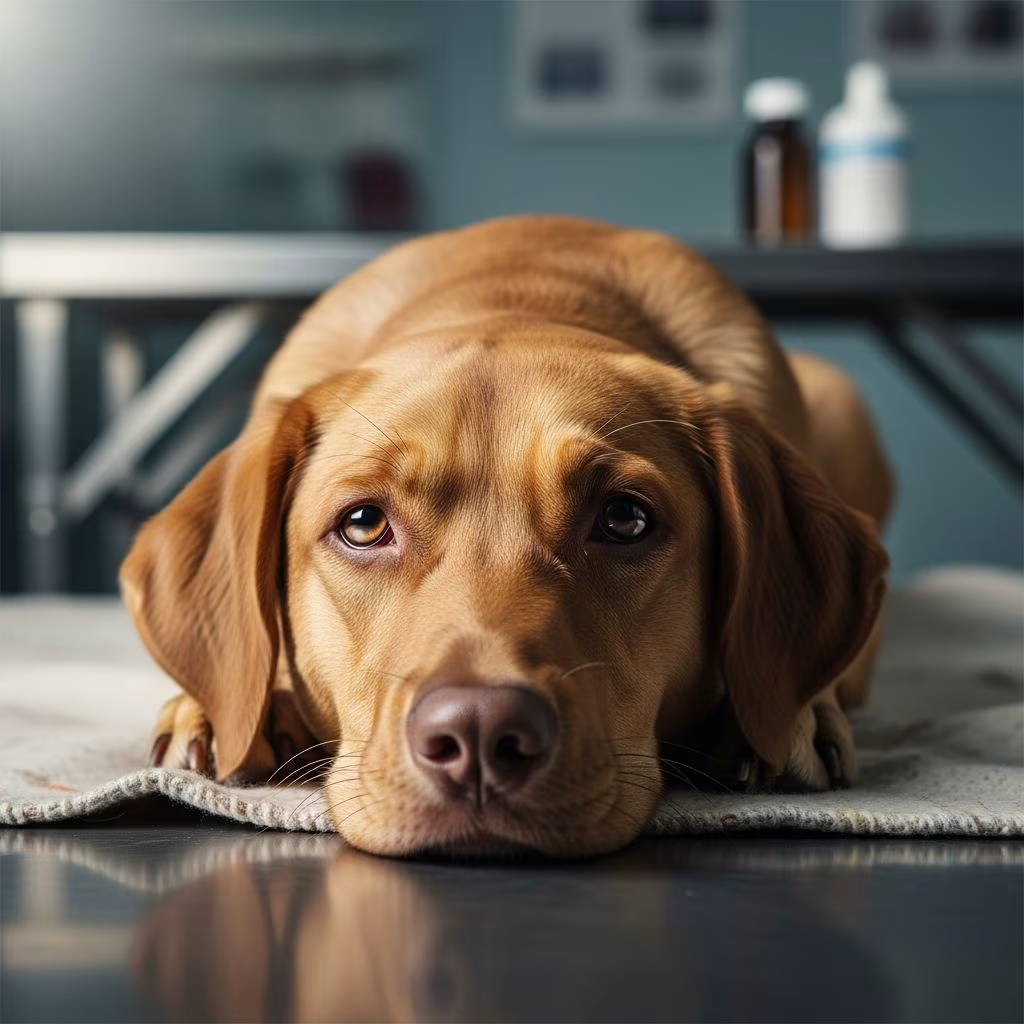
Parvovirus in Dogs: A Comprehensive Guide
Canine parvovirus (CPV) represents one of the most serious and potentially fatal viral infections affecting dogs, particularly puppies and unvaccinated adults. This highly contagious virus has devastated countless canine families and remains a significant concern for veterinarians worldwide. Understanding the nature of this disease, its transmission routes, clinical presentation, and available treatment options is essential for any responsible dog owner. Early recognition and prompt veterinary intervention can mean the difference between life and death for an infected dog.
What Is Canine Parvovirus?
Canine parvovirus type 2 is a robust viral pathogen that primarily attacks the gastrointestinal tract of dogs. The virus displays a particular affinity for rapidly dividing cells, making young puppies especially vulnerable due to their immature immune systems. Beyond the gastrointestinal tract, CPV also targets bone marrow and lymphoid tissues, which leads to a significant decline in white blood cell production. This immunosuppression leaves infected dogs susceptible to secondary bacterial infections, complicating the clinical picture and increasing mortality risk.
The virus is remarkably resilient in the environment, capable of surviving on contaminated surfaces, clothing, and even in feces for extended periods. This environmental persistence makes transmission particularly easy, especially in areas frequented by multiple dogs. Understanding this persistence is crucial for implementing effective prevention and sanitation protocols.
Transmission and Risk Factors
Canine parvovirus spreads primarily through direct contact with infected dogs or their feces. The virus can also be transmitted indirectly through contaminated environments, food and water bowls, bedding, and even human hands and clothing. Dogs that are not vaccinated, puppies younger than 16 weeks of age, and certain breeds such as Rottweilers, Doberman Pinschers, and German Shepherds are at higher risk for severe infection.
High-traffic areas such as dog parks, grooming salons, and kennels pose significant transmission risks. Puppies are particularly vulnerable during the window between the waning of maternal antibodies and the establishment of vaccine-induced immunity, typically between 6 and 20 weeks of age. This critical period necessitates careful management and controlled socialization.
Clinical Signs and Symptoms
The symptoms of canine parvovirus can manifest suddenly and progress rapidly. The disease typically presents with a distinctive constellation of gastrointestinal symptoms that reflect the virus’s primary target organs.
Primary Symptoms
The hallmark signs of parvovirus infection include:
- Severe vomiting that can persist for extended periods
- Profuse diarrhea, often hemorrhagic or bloody in nature
- Extreme lethargy and depression
- Loss of appetite and anorexia
- Abdominal pain and distension
- Fever or subnormal body temperature
- Rapid dehydration due to fluid losses
The severity of symptoms can vary considerably between individual dogs. Some puppies may present with mild symptoms, while others rapidly deteriorate into critical condition. Young puppies, particularly those under 5 weeks of age, may die suddenly with minimal preceding clinical signs.
Systemic Complications
Beyond the gastrointestinal manifestations, CPV causes systemic effects that can prove life-threatening. The reduction in circulating white blood cells creates an immunocompromised state, increasing susceptibility to secondary infections. Severe dehydration and electrolyte imbalances can lead to shock, while bacterial translocation across the damaged intestinal epithelium may result in septicemia—a condition with high mortality rates if untreated.
Diagnosis and Clinical Evaluation
Veterinarians typically diagnose canine parvovirus through a combination of clinical presentation and diagnostic testing. The characteristic history of acute onset vomiting and diarrhea in an unvaccinated or incompletely vaccinated dog, combined with laboratory findings, strongly suggests CPV infection.
Common diagnostic methods include enzyme-linked immunosorbent assays (ELISA) that detect viral antigens in fecal samples, with results available within hours. Complete blood counts often reveal characteristic lymphopenia (reduced white blood cell counts), which supports the diagnosis. Additional blood work may show electrolyte imbalances, elevated liver enzymes, and low blood glucose levels.
Treatment Options for Canine Parvovirus
Currently, there is no specific antiviral medication that eliminates canine parvovirus. Instead, treatment focuses on supportive and symptomatic care designed to maintain the dog’s vital functions while allowing the immune system to mount an effective response against the virus. Prompt and aggressive treatment significantly improves survival chances.
Hospitalization and Intensive Care
Most dogs with moderate to severe parvovirus require hospitalization for several days to receive around-the-clock veterinary care. Hospitalization allows for continuous monitoring, administration of intensive treatments, and immediate response to complications.
Fluid Therapy and Electrolyte Management
Intravenous fluid therapy represents the cornerstone of parvovirus treatment. Severe vomiting and diarrhea lead to profound dehydration and critical electrolyte losses. IV fluids restore hydration, replace lost electrolytes, and maintain renal perfusion. Fluids are carefully balanced to correct specific electrolyte abnormalities such as hypokalemia (low potassium) and hyponatremia (low sodium).
Additionally, glucose supplementation may be necessary in puppies exhibiting hypoglycemia, a condition that can cause seizures and neurological complications if left untreated.
Antiemetic Therapy
Anti-nausea medications are critical components of treatment, helping to control vomiting and allowing dogs to retain fluids and nutrients. Common antiemetics used include maropitant and ondansetron, which target different mechanisms of nausea to provide comprehensive symptom management.
Antibiotic Administration
Due to the immunosuppressive nature of CPV and the disruption of the intestinal mucosal barrier, secondary bacterial infections are common. Broad-spectrum antibiotics are administered to prevent bacterial translocation into the bloodstream and subsequent septicemia. Commonly used antibiotics include ampicillin, cefoxitin, and enrofloxacin, often given intravenously or through injection to ensure adequate tissue penetration.
Nutritional Support
Once vomiting is controlled, careful nutritional support becomes essential. Initially, dogs may be maintained on IV nutrition alone. As the condition improves, small amounts of bland, easily digestible food may be offered. In severe cases where the dog cannot eat voluntarily, tube feeding may be necessary to provide essential nutrients and calories.
Pain Management
Gastrointestinal pain is a significant component of parvovirus infection. Appropriate analgesics help alleviate discomfort and improve the overall quality of care during hospitalization.
Canine Parvo Monoclonal Antibody (CPMA)
Some veterinarians recommend treatment with canine parvo monoclonal antibody (CPMA) as an adjunctive therapy. Clinical studies have demonstrated that puppies treated with CPMA have higher survival rates and may experience shortened symptom duration compared to those receiving supportive care alone. This treatment appears particularly beneficial for puppies with mild to moderate infections when initiated promptly.
Prognosis and Recovery
The prognosis for canine parvovirus varies based on several factors including the dog’s age, overall health status, severity of infection, and timeliness of treatment initiation. With prompt veterinary care, survival rates for treated puppies range from 70 to 90 percent. However, without treatment, mortality rates exceed 90 percent, particularly in young puppies.
Dogs that recover from parvovirus develop lifelong immunity to the specific strain that infected them. After hospitalization, aftercare at home is critical, involving careful monitoring and gradual reintroduction to normal diet and activities as recommended by the veterinarian.
Prevention of Canine Parvovirus
Prevention through vaccination represents the most effective strategy against canine parvovirus. Given the severity of the disease and its high mortality rate in unprotected dogs, consistent vaccination protocols are essential.
Vaccination Schedule for Puppies
Puppies should begin their vaccination series at 6 to 8 weeks of age, receiving booster shots every 3 to 4 weeks until they reach 16 to 20 weeks old. This series is typically completed by 16 weeks, though some protocols extend to 20 weeks. The extended series accounts for the unpredictable decline of maternal antibodies, ensuring protection even as maternal immunity wanes.
Adult Dog Vaccination
After completing the initial puppy series, dogs require booster shots to maintain immunity. Current guidelines recommend booster vaccinations every 3 years for most dogs, though some protocols may differ based on individual risk factors and local disease prevalence.
Environmental Hygiene Practices
In addition to vaccination, maintaining rigorous hygiene practices significantly reduces transmission risk:
- Promptly clean up feces in yard and public areas, disposing of waste properly
- Wash hands thoroughly after handling potentially infected materials
- Disinfect contaminated areas using a solution of one part bleach mixed with approximately 30 parts water
- Regularly sanitize food and water bowls, bedding, and toys
- Launder bedding and fabric items in hot water regularly
Controlled Socialization
While socialization is important for puppy development, it must be approached strategically during the vulnerable early weeks of life:
- Delay visits to dog parks and high-traffic areas until vaccination series is complete
- Avoid contact with dogs of unknown vaccination status
- Introduce puppies gradually to new environments and other vaccinated dogs
- Limit exposure to grooming salons and kennels until protection is established
- Request vaccination records from other dog owners before allowing contact
Managing Unvaccinated Dogs and High-Risk Situations
Dogs that cannot be vaccinated due to medical conditions require extra precautions. Unvaccinated adult dogs should avoid high-risk environments and receive booster vaccinations as soon as medically permissible. During outbreaks or in areas with known CPV circulation, even vaccinated dogs benefit from additional precautions and potentially more frequent booster vaccinations.
Special Considerations for Breeders and Multi-Dog Households
Breeders face particular challenges in preventing parvovirus transmission, as maternal immunity in puppies can interfere with vaccine efficacy. Breeding facilities should implement strict biosecurity protocols, including isolation of potentially infected dogs, dedicated clothing and equipment for each group, and thorough disinfection procedures.
In multi-dog households where CPV infection is confirmed, strict isolation of the infected dog is essential to prevent transmission to other dogs. All contaminated materials should be disinfected or destroyed, and caregivers should practice meticulous hygiene when moving between the infected dog and other household pets.
Frequently Asked Questions
Q: Can adult vaccinated dogs contract parvovirus?
A: While properly vaccinated dogs have strong immunity, breakthrough infections can occur in rare cases, particularly in dogs with compromised immune systems or those whose vaccinations have lapsed. This underscores the importance of maintaining booster vaccinations throughout a dog’s life.
Q: How long does a dog shed parvovirus after infection?
A: Dogs typically shed the virus most heavily during the acute phase of illness and for several days afterward. Some dogs may shed virus for up to 10 days or longer. Strict isolation and hygiene are essential during this period.
Q: Is parvovirus contagious to humans?
A: No, canine parvovirus does not infect humans. However, humans can serve as vectors, potentially transferring virus on clothing, hands, or shoes to other dogs, making personal hygiene practices important.
Q: Can parvovirus be treated at home?
A: Mild cases of parvovirus may potentially be managed on an outpatient basis in some circumstances, but hospitalization is strongly recommended for most infected dogs. Home treatment without veterinary oversight substantially increases mortality risk.
Q: How much does parvovirus treatment cost?
A: Hospitalization and treatment for parvovirus can be expensive, typically ranging from several hundred to several thousand dollars depending on severity and duration of hospitalization. However, prompt treatment is significantly less costly than preventive vaccination when considering the severity of outcomes.
Q: Are certain dog breeds more susceptible to severe parvovirus?
A: Yes, certain breeds including Rottweilers, Doberman Pinschers, and German Shepherds appear to be at higher risk for severe infection, though all unvaccinated dogs remain vulnerable.
References
- Canine Parvoviral Enteritis: An Update on the Clinical Diagnosis, Therapeutic Advances, and Vaccination Strategies — National Center for Biotechnology Information (NCBI). 2018. https://pmc.ncbi.nlm.nih.gov/articles/PMC6053044/
- Parvovirus in Dogs: Symptoms, Causes, and Treatments — GoodRx Pet Health. 2024. https://www.goodrx.com/pet-health/dog/parvovirus-in-dogs
- Causes, Symptoms, and Treatment for Canine Parvovirus — PetMD. 2024. https://www.petmd.com/dog/conditions/infectious-parasitic/parvo-in-dogs
- Canine Parvovirus Prevention and Treatment Options — PetNest Animal Hospital. 2024. https://petnestanimalhospital.com/2024/05/22/canine-parvovirus-prevention-and-treatment-options/
- Canine Parvovirus — Cornell University College of Veterinary Medicine. 2024. https://www.vet.cornell.edu/departments-centers-and-institutes/baker-institute-animal-health/research-baker-institute/canine-parvovirus
- Parvovirus in Puppies: Signs, Symptoms, Treatments — American Kennel Club (AKC). 2024. https://www.akc.org/expert-advice/health/parvo-in-puppies/
- Dog Parvovirus: Symptoms & Prevention — Aurora Veterinary Hospital. 2023. https://www.auroraveterinaryhospital.com/site/blog/2023/05/30/dog-parvovirus-symptoms-prevention



