

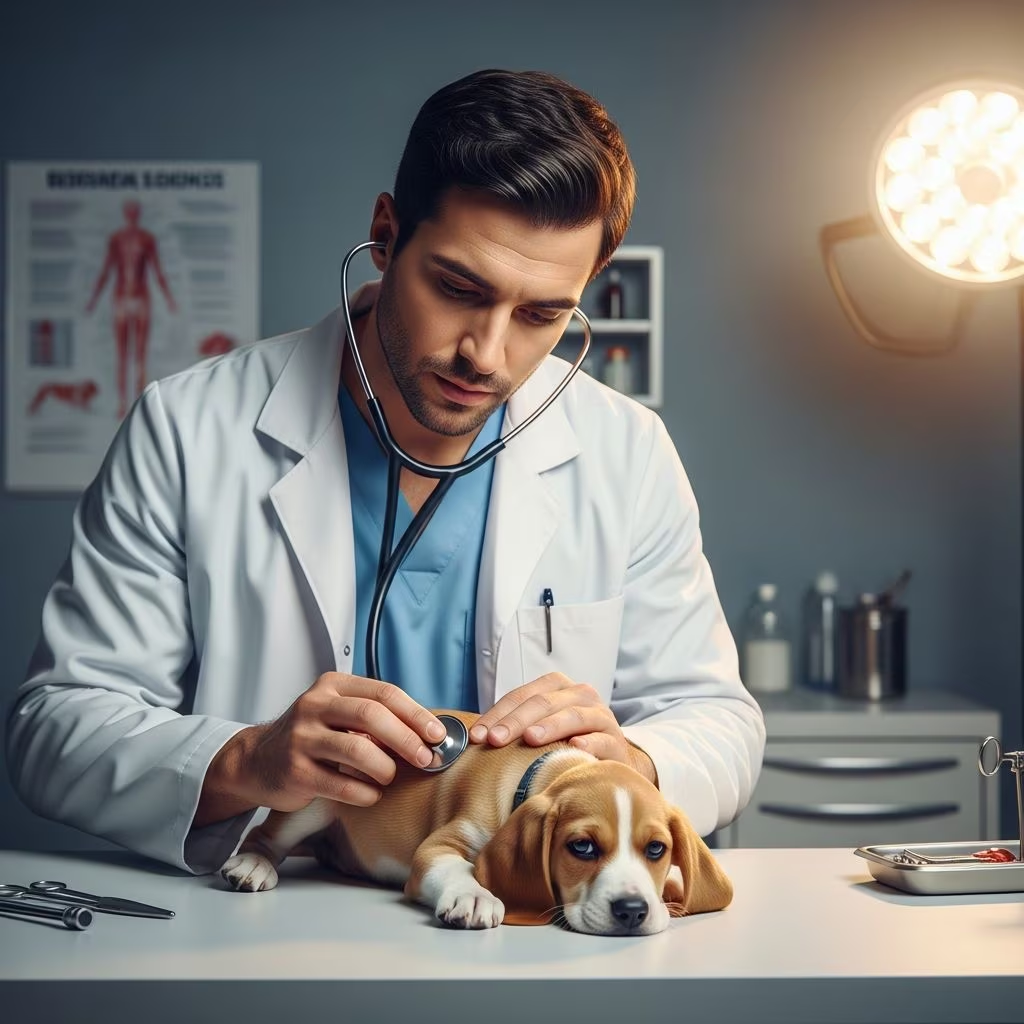
Understanding Canine Parvovirus in Dogs
Canine parvovirus (CPV) is a highly contagious and potentially fatal viral infection that affects dogs of all ages, with puppies and unvaccinated dogs being at greatest risk. This devastating disease primarily targets the gastrointestinal tract and bone marrow, leading to severe symptoms and life-threatening complications if left untreated. The virus spreads rapidly through contaminated environments and can survive for extended periods on surfaces and in soil, making prevention and early detection critical for your dog’s survival.
Understanding the nature of parvovirus, how it spreads, and recognizing its symptoms are essential skills for any dog owner. With proper vaccination and knowledge of preventive measures, you can significantly reduce the risk of your beloved pet contracting this serious disease. If infection does occur, prompt veterinary intervention can mean the difference between life and death.
What Causes Canine Parvovirus and How Does It Spread?
Canine parvovirus is caused by a highly resilient virus that spreads through multiple routes, making it one of the most contagious canine diseases. The primary transmission method occurs through direct or indirect contact with infected feces. Once a contaminated surface or object is touched, the virus can easily transfer to your dog’s mouth, leading to infection.
The virus can be transmitted through several common pathways:
- Direct contact with infected dog feces
- Contaminated soil and outdoor environments
- Objects such as food bowls, toys, shoes, and bedding
- Hands and clothing of infected individuals
- Contaminated surfaces in kennels, grooming facilities, and veterinary clinics
Once the virus is ingested, it attacks rapidly dividing cells, primarily in the intestinal lining. The virus also has a particular affinity for bone marrow and lymphoid tissues, which leads to a significant drop in white blood cells. This immune system compromise makes infected dogs highly vulnerable to secondary bacterial infections, which can quickly become life-threatening if not managed properly.
Recognizing the Symptoms of Parvovirus
The symptoms of canine parvovirus can appear suddenly and progress rapidly. Early recognition of these signs is crucial for seeking immediate veterinary care. The infection progresses through distinct stages, each with its own characteristics.
Incubation Phase
During the incubation phase, an infected dog may test positive for parvovirus but will not yet display any visible symptoms. This phase typically lasts between 3 to 10 days, depending on the individual dog and the viral load it was exposed to. During this time, the dog remains contagious to other animals.
Prodromal Phase
As the virus begins to replicate, dogs enter the prodromal phase where initial symptoms appear. These early signs may seem generalized and could be confused with other health conditions:
- Lethargy and weakness
- Loss of appetite
- Mild fever or hypothermia
- General malaise and discomfort
Acute Phase
The acute phase represents the most advanced and dangerous stage of parvovirus infection. During this period, the virus attacks the dog’s immune system with full force, causing severe gastrointestinal distress:
- Persistent and severe vomiting
- Bloody diarrhea (often described as having a distinctive foul smell)
- Extreme lethargy and depression
- Abdominal pain and distress
- High fever or dangerously low body temperature
- Rapid dehydration
- Collapse in severe cases
Without prompt and aggressive veterinary treatment, the acute phase can lead to life-threatening dehydration, sepsis, and organ failure. The severity of symptoms can vary among individual dogs, but the progression can be shockingly rapid, with some dogs becoming critically ill within just 24 to 48 hours of symptom onset.
Prevention: The Best Defense Against Parvovirus
Prevention through vaccination is the most effective way to protect your dog from canine parvovirus. A comprehensive prevention strategy combines strategic vaccination with environmental management and responsible dog ownership practices.
Vaccination Protocol
Vaccination is the cornerstone of parvovirus prevention. Puppies should begin their vaccination series early in life to ensure maximum protection during their most vulnerable period:
- Initial vaccination at 6 to 8 weeks of age
- Follow-up vaccinations every 3 to 4 weeks
- Final puppy booster at 16 to 20 weeks of age
- Adult booster shots every 1 to 3 years as recommended by your veterinarian
The strategic timing of these vaccinations ensures that your puppy develops strong immunity before exposure to the virus. After completing the initial vaccination series, maintaining regular booster shots throughout your dog’s life is essential for continuous protection.
Environmental Management
In addition to vaccination, maintaining rigorous hygiene practices is crucial for preventing parvovirus infection:
- Promptly clean up and properly dispose of your dog’s feces to reduce environmental contamination
- Regularly disinfect areas where your dog eats, sleeps, and plays using appropriate disinfectants known to kill the virus
- Use a solution of one part bleach mixed with approximately 30 parts water for indoor disinfection
- Wash food bowls, toys, and bedding frequently with hot water and detergent
- Clean your hands and change clothing after contact with unknown dogs
Socialization and Activity Management
Protecting your puppy during the critical early weeks of life requires careful management of their social interactions and environmental exposure:
- Avoid dog parks and areas with unknown vaccination histories, especially during early puppyhood
- Keep puppies away from dogs showing any signs of illness
- Introduce your puppy to new environments gradually, ensuring other dogs are vaccinated and healthy
- Limit exposure to wooded areas, grooming salons, and other high-traffic dog areas until fully vaccinated
- Practice controlled socialization with verified healthy, vaccinated dogs
Treatment Options for Canine Parvovirus
If your dog contracts canine parvovirus, immediate veterinary care is essential for survival. Unfortunately, there is no specific antiviral medication that directly kills the parvovirus. Instead, treatment focuses on supportive care to manage symptoms, maintain vital functions, and give your dog’s immune system the best chance to fight the infection and prevent secondary complications.
Supportive Care and Hospitalization
Most dogs with parvovirus require hospitalization for intensive monitoring and treatment. The average hospital stay ranges from 5 to 7 days, though some severe cases may require longer care. During hospitalization, your dog will receive round-the-clock veterinary attention.
Core components of supportive care include:
- Intravenous Fluids: Combat dehydration caused by severe vomiting and diarrhea through constant IV fluid administration
- Electrolyte and Protein Supplements: Restore the balance of essential minerals and proteins lost during illness
- Anti-nausea Medications: Reduce vomiting to help your dog retain fluids and nutrition
- Pain Management: Alleviate abdominal pain and discomfort associated with gastrointestinal distress
- Nutritional Support: Provide appropriate nutrition, including tube feeding if the dog cannot eat normally
- Isolation Protocols: Keep infected dogs isolated from other animals using strict infection control measures
Infection Prevention
Due to the compromised immune system, secondary bacterial infections are a significant concern. Treatment to prevent or manage these infections includes:
- Prophylactic or therapeutic antibiotics, administered intravenously or as injections
- Anti-inflammatory drugs to control septicemia and reduce inflammation
- Close monitoring of white blood cell counts and other immune markers
- Careful attention to signs of systemic infection or sepsis
Canine Parvovirus Monoclonal Antibody Therapy (CPMA)
As of 2023, a promising new treatment option has become available: Canine Parvovirus Monoclonal Antibody (CPMA) therapy. This innovative treatment works by selectively binding to the parvovirus, blocking its ability to attach to and enter intestinal cells. By preventing viral entry, CPMA protects the intestinal lining and directly fights the infection, functioning similarly to a dog’s own natural antibodies.
Key features of CPMA therapy:
- Approved for use in dogs 8 weeks of age and older
- Typically administered as a single-dose intravenous treatment
- Can reduce clinical signs of the virus when used promptly
- May significantly reduce the severity of illness for dogs with mild to moderate infections
- Clinical studies show puppies treated with CPMA have higher survival rates
- May reduce the duration of symptoms such as vomiting and lethargy
- Treatment can be expensive but may be life-saving
When combined with supportive care, CPMA therapy provides the best opportunity for recovery, particularly if administered early in the course of infection. However, it’s important to note that while CPMA prevents further damage, it does not reverse damage already done by the virus.
Aftercare and Recovery
After hospitalization, careful aftercare at home is essential for complete recovery:
- Gradual reintroduction to regular diet and activities
- Continued monitoring for signs of relapse or complications
- Follow-up veterinary appointments as recommended
- Strict isolation from other dogs for at least 2 weeks after recovery
- Thorough disinfection of all areas the dog had contact with during illness
Dogs that recover from parvovirus infection develop lifelong protective immunity against the specific strain that infected them, though re-infection with different strains remains possible.
Prognosis and Survival Rates
The prognosis for canine parvovirus depends heavily on the timing of treatment and the severity of infection. Without treatment, approximately 90% of infected puppies do not survive. However, with prompt and aggressive veterinary care, survival rates increase significantly. Young puppies and dogs with severe systemic infections may have a more guarded prognosis, but many dogs can recover and return to normal, healthy lives when treatment is initiated quickly.
Frequently Asked Questions About Canine Parvovirus
Q: At what age should puppies be vaccinated against parvovirus?
A: Puppies should begin their parvovirus vaccination series at 6 to 8 weeks of age, followed by boosters every 3 to 4 weeks until they reach 16 to 20 weeks old. After the initial series, they need regular booster shots throughout their lives.
Q: Can adult dogs get parvovirus if they are vaccinated?
A: Vaccinated adult dogs are highly protected against parvovirus, but immunity can wane over time. Regular booster vaccinations every 1 to 3 years, as recommended by your veterinarian, help maintain protection.
Q: How long does it take for symptoms to appear after exposure to parvovirus?
A: The incubation period typically ranges from 3 to 10 days after exposure. During this time, an infected dog may test positive but show no visible symptoms while remaining contagious.
Q: Is parvovirus fatal in all cases?
A: Without treatment, parvovirus is fatal in approximately 90% of cases. However, with prompt veterinary care and appropriate treatment, many dogs can recover and survive.
Q: Can humans contract parvovirus from dogs?
A: No, canine parvovirus does not infect humans. However, humans can carry the virus on their hands, clothing, and shoes and transmit it to other dogs, so proper hygiene practices are important.
Q: What should I do if I suspect my dog has parvovirus?
A: Contact your veterinarian immediately if you suspect parvovirus. Do not delay seeking care, as prompt treatment is essential for survival. Time is critical in these cases.
Q: Are there any home remedies for treating parvovirus?
A: No, home remedies cannot treat parvovirus. Professional veterinary care is essential and non-negotiable. Attempting to treat parvovirus at home without veterinary guidance can result in death.
Q: How much does treatment for parvovirus typically cost?
A: Treatment costs vary depending on the severity of infection, duration of hospitalization, and specific treatments required. Costs typically range from several hundred to several thousand dollars. CPMA therapy is an additional expense but may improve outcomes.
References
- Parvovirus in Dogs — VCA Animal Hospitals. https://vcahospitals.com/know-your-pet/parvovirus-in-dogs
- Canine Parvovirus Infection (Parvoviral Enteritis in Dogs) — Merck Veterinary Manual. https://www.merckvetmanual.com/digestive-system/infectious-diseases-of-the-gastrointestinal-tract-in-small-animals/canine-parvovirus-infection-parvoviral-enteritis-in-dogs
- Canine Parvovirus — Cornell University College of Veterinary Medicine. https://www.vet.cornell.edu/departments-centers-and-institutes/baker-institute-animal-health/research-baker-institute/canine-parvovirus
- Parvovirus in Puppies: Signs, Symptoms, Treatments — American Kennel Club. https://www.akc.org/expert-advice/health/parvo-in-puppies/
- Causes, Symptoms, and Treatment for Canine Parvovirus — PetMD. https://www.petmd.com/dog/conditions/infectious-parasitic/parvo-in-dogs
- Canine Parvovirus: Prevention and Treatment Options — PetNest Animal Hospital. 2024-05-22. https://petnestanimalhospital.com/2024/05/22/canine-parvovirus-prevention-and-treatment-options/



