
Parvo Virus Survival Time Outdoors
Discover how long canine parvovirus persists in soil, homes, and yards, plus proven disinfection strategies to safeguard your dogs from this resilient threat.
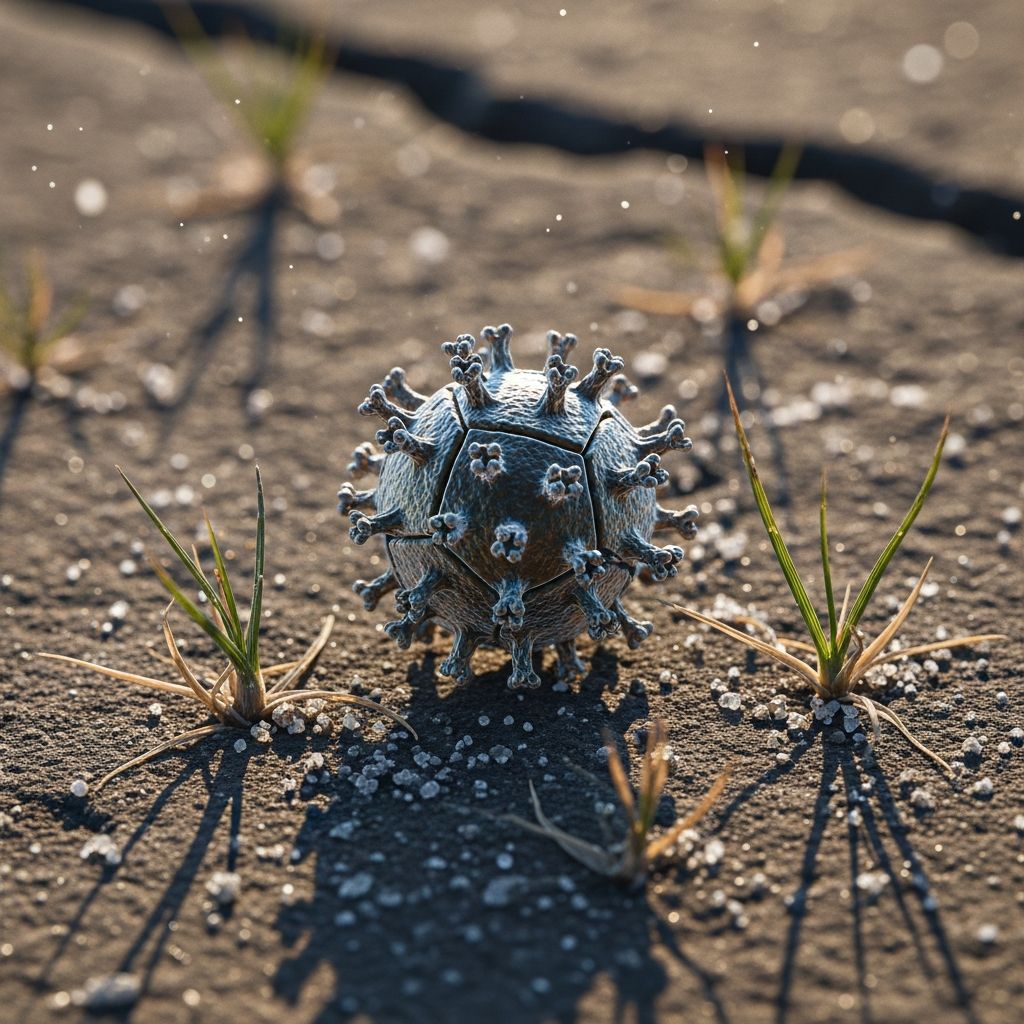
Canine parvovirus, commonly known as parvo, is a highly stable pathogen that can linger in outdoor and indoor settings for extended periods, posing risks to dogs long after an infected animal has left the area. This durability makes thorough cleaning and prevention essential for dog owners.
The Nature of Canine Parvovirus and Its Environmental Hardiness
Parvovirus targets rapidly dividing cells in a dog’s body, particularly in the gastrointestinal tract, leading to severe symptoms like vomiting and bloody diarrhea in unvaccinated puppies. Its non-enveloped structure allows it to resist extreme conditions, including freezing temperatures, heat, and drying.
Veterinary experts note that even minimal fecal matter from an infected dog can transmit the virus through direct contact or contaminated surfaces. Puppies under six months are most at risk due to immature immune systems, with fatality rates reaching 80-90% without treatment.
How Long Does Parvo Persist on Different Surfaces?
The virus’s lifespan varies by environment, material, and exposure to elements like sunlight. Here’s a breakdown based on veterinary research:
| Surface Type | Survival Duration | Factors Influencing Longevity |
|---|---|---|
| Concrete (outdoors) | Up to 9 months | Shade prolongs viability; sunlight deactivates faster |
| Soil (shaded, damp) | 6-12 months or longer | Moisture and darkness extend survival |
| Untreated carpet/fabric | Up to 6 months | Organic matter shields the virus |
| Indoor hard surfaces | 1-2 months | Stable temperature; less UV exposure |
| Human skin/clothing | Weeks if not cleaned | Easy transfer without hygiene |
These estimates come from studies showing parvo’s resistance to household cleaners and weather, though direct sunlight can inactivate it within 24 hours on exposed items.
Factors Affecting Parvo’s Environmental Persistence
- Sunlight Exposure: UV rays break down the virus rapidly, reducing risk in sunny, open areas within days.
- Moisture Levels: Damp, shaded soils under porches or decks can harbor viable virus for a year.
- Temperature: Freezing or heat does not kill it; stability persists through seasons.
- Organic Debris: Feces, dirt, or fabrics protect the virus from disinfectants.
Infected dogs shed massive viral loads in feces starting 5 days post-exposure, continuing for weeks, amplifying contamination.
Effective Disinfection Strategies for Parvo Contamination
Standard cleaners fail against parvo; only specific agents work. Prioritize removing all organic matter first with detergent, then apply disinfectant for at least 10 minutes.
Recommended Disinfectants:
- 1:32 bleach solution (sodium hypochlorite) for non-porous surfaces like concrete, bowls, and crates.
- Potassium peroxymonosulfate-based products (e.g., veterinary formulas) for fabrics and safer indoor use.
- Allow natural decay: Wait 6-12 months outdoors if disinfection is impractical.
For yards, frequent watering dilutes the virus, combined with sunlight for faster reduction. Avoid home remedies like sugar water, which do not treat the disease.
Preventing Parvo Transmission in Homes and Yards
Humans unwittingly spread parvo on shoes, clothes, and hands. Isolate infected dogs immediately and practice rigorous hygiene.
- Remove all feces and debris daily.
- Wash hands, change clothes after handling potentially contaminated areas.
- Vaccinate puppies starting at 6-8 weeks, with boosters.
- Limit unvaccinated pups’ exposure to public areas like parks.
In multi-dog homes post-outbreak, quarantine new arrivals and test environments if possible.
Recognizing Parvo Symptoms and Treatment Success Rates
Incubation lasts 3-7 days, with initial throat lymph node infection spreading to intestines. Key signs include lethargy, refusal to eat, severe diarrhea, and dehydration.
With intensive IV fluids, antibiotics, and new monoclonal antibodies, survival jumps to 90-100% if treated early. Home care yields only 50% success due to monitoring challenges.
Common Myths About Parvo Longevity Debunked
- Myth: Parvo lasts 10 years in soil. Reality: Sunlight deactivates it in 24 hours; shaded areas max 12 months.
- Myth: Heat kills it instantly. It withstands high temperatures.
- Myth: All home cleaners suffice. Most fail; use bleach or specifics.
FAQ: Parvo Survival and Protection
Q: Can parvo survive winter?
A: Yes, freezing does not destroy it; it remains viable in cold soil.
Q: How to clean a parvo-contaminated yard?
A: Detergent first, then bleach on hard surfaces; rely on time/sun for grass. Wait 6+ months for safety.
Q: Is parvo airborne?
A: No, spreads via fecal-oral route on surfaces or fomites.
Q: When is a puppy safe outdoors?
A: After full vaccination series (16 weeks) and vet approval.
Q: Can recovered dogs reinfect?
A: Rare, but shedding can persist weeks post-recovery.
Long-Term Strategies for Parvo-Free Environments
Maintain vaccination protocols, avoid high-risk zones, and educate on hygiene. For shelters or breeders, routine disinfection prevents outbreaks. Recent treatments like monoclonal antibodies shorten recovery, improving outcomes.
Understanding parvo’s tenacity empowers owners to protect their pets effectively. Combine vigilance with science-based actions for the best defense.
References
- Canine Parvovirus | AVMA — American Veterinary Medical Association. 2023. https://www.avma.org/resources-tools/pet-owners/petcare/canine-parvovirus
- How Long Can Parvo Last in the Environment? — Whole Dog Journal. 2023. https://www.whole-dog-journal.com/health/how-long-can-parvo-last-in-the-environment/
- Protecting Your Puppy from Canine Parvovirus — MedVet. 2024. https://www.medvet.com/protecting-your-puppy-from-canine-parvovirus/
- Canine Parvovirus | Cornell University — Cornell University College of Veterinary Medicine. 2023. https://www.vet.cornell.edu/departments-centers-and-institutes/baker-institute-animal-health/research-baker-institute/canine-parvovirus
- Canine Parvovirus: Current Perspective — PMC – NIH. 2013. https://pmc.ncbi.nlm.nih.gov/articles/PMC3550768/
Similar Articles








Read full bio of medha deb


