

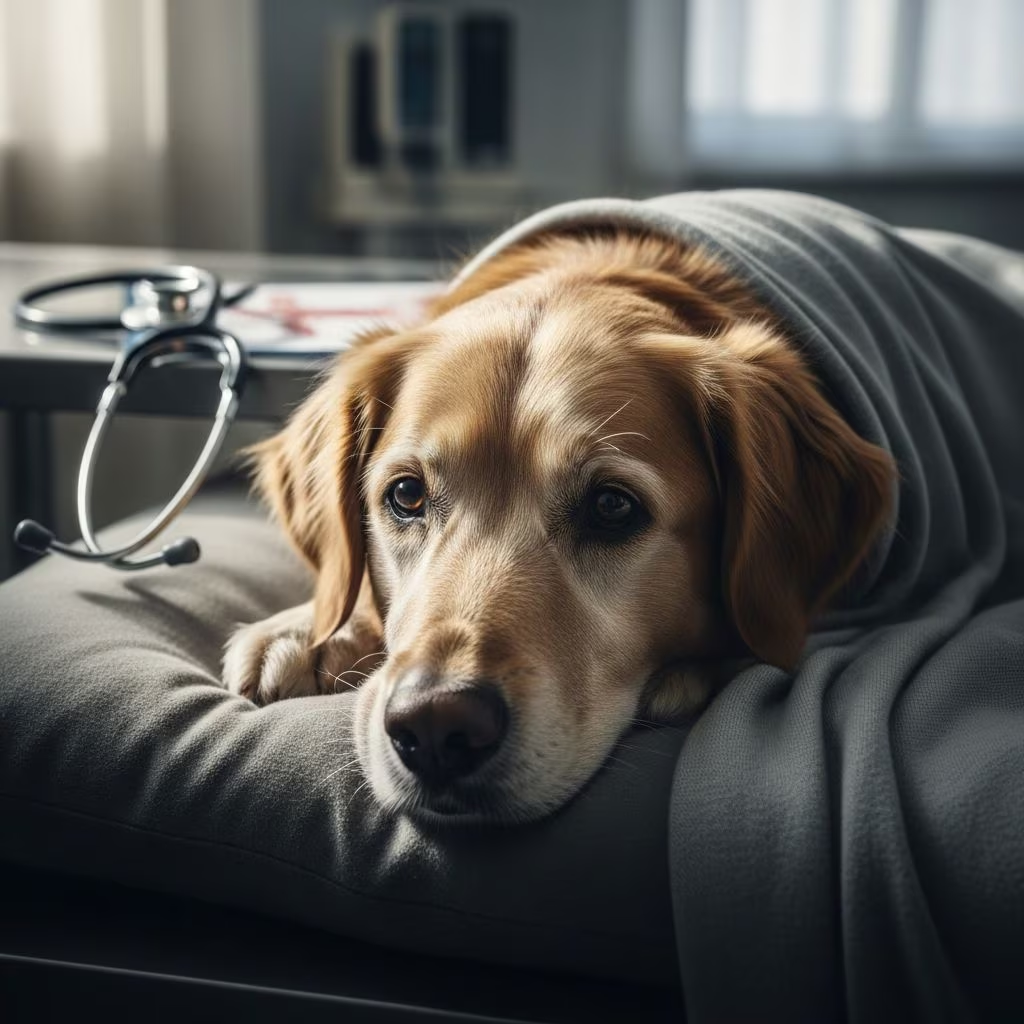
Parvovirus poses a notable yet less frequent threat to older dogs compared to puppies, thanks to developed immunity, but vigilance remains essential for mature pets facing potential exposure.
Grasping Parvovirus in Mature Dogs
Canine parvovirus primarily targets rapidly dividing cells in the intestines and bone marrow, leading to severe gastrointestinal distress. While puppies aged 6 weeks to 6 months face the highest vulnerability due to immature immune systems, adult and senior dogs can still contract it, particularly if unvaccinated or immunocompromised.
The virus spreads through fecal-oral contact, contaminated environments, or even shed vaccine strains from recently vaccinated animals. It endures in soil and surfaces for months under moderate conditions, making public areas like parks risky.
Senior dogs often experience milder infections because prior exposures build partial resistance, yet underlying health issues such as chronic diseases can heighten susceptibility.
Key Indicators of Parvo in Aging Pets
Recognizing parvo early in older dogs is challenging as symptoms mimic common age-related or dietary problems. Initial signs appear 3-7 days post-exposure, escalating rapidly.
- Lethargy and weakness: Sudden extreme tiredness beyond normal senior fatigue signals distress.
- Appetite loss: Refusal of food and treats, often with rapid weight decline.
- Vomiting: Frequent, profuse episodes worsening dehydration.
- Diarrhea: Severe, foul-smelling, frequently bloody due to intestinal damage.
- Abdominal discomfort: Bloating, tenderness, or pain upon touch.
- Fever or hypothermia: Elevated temperature initially, potentially dropping later.
- Dehydration signs: Dry gums, sunken eyes, slow skin tenting.
These manifestations stem from the virus eroding gut lining, allowing bacterial leakage into the bloodstream, which amplifies severity.
Factors Heightening Parvo Danger for Seniors
Though rarer in older dogs, certain conditions amplify risks:
| Risk Factor | Explanation | Impact on Seniors |
|---|---|---|
| Unvaccinated status | Lack of core vaccine protection | Highest vulnerability, even in adults |
| Immunosuppression | From age, illness, or meds | Weakens defenses against mild exposures |
| Environmental contact | Parks, kennels, vet visits | Virus lingers 6-12 months |
| Recent vaccine shed | From nearby pups/dogs | Field virus mimics in healthy seniors |
Studies note subclinical cases common in unvaccinated adults, but severe outcomes possible in compromised individuals.
Confirming Parvo Infection
Veterinarians diagnose via quick fecal or rectal swab tests yielding results in minutes, alongside bloodwork assessing white cell counts and hydration.
Physical exams check for abdominal pain, fever, and dehydration. History of exposure or vaccination status guides suspicion.
Treatment Approaches for Older Infected Dogs
No antiviral cures exist; management focuses on supportive care until immunity prevails. Mild senior cases may recover at home, but severe ones demand hospitalization.
Critical Care Elements
- Fluid therapy: IV or subcutaneous to combat dehydration, often the primary threat.
- Anti-emetics and antacids: Control nausea and protect gut lining.
- Antibiotics: Prevent secondary infections from gut bacteria.
- Nutrition support: Electrolyte solutions initially, then bland diets post-stabilization.
- Pain relief: Medications for abdominal discomfort.
Treatment duration varies from days to weeks, with seniors potentially needing prolonged monitoring due to slower recovery.
Home Management Tips During Recovery
For mild cases, monitor closely:
- Pinch neck skin test: Immediate snap-back indicates hydration; delay signals emergency.
- Offer small, frequent electrolyte drinks or vet-approved solutions.
- Isolate from other pets to curb spread.
- Disinfect with bleach (1:30 dilution) as parvo resists many cleaners.
- Track weight, stool, and energy daily.
Seek immediate vet if symptoms intensify.
Preventive Strategies for Long-Term Protection
Vaccination core: Boosters recommended lifelong, especially for at-risk seniors.
- Avoid high-risk zones until fully protected.
- Maintain hygiene post-exposure.
- Annual vet checks for immune status.
Healthy lifestyle bolsters natural defenses: balanced diet, exercise, parasite control.
Prognosis Insights for Senior Dogs
Survival rates exceed 80-90% with prompt care, higher in older dogs due to milder courses. Untreated, mortality nears 90% from shock and sepsis.
Seniors rebound slower but fare well absent comorbidities.
Frequently Asked Questions
Can fully vaccinated older dogs still get parvo?
Extremely rare; vaccines confer strong, lasting immunity, though boosters ensure coverage.
How long does parvo virus persist outdoors?
Up to 12 months in moderate climates, necessitating thorough cleaning.
Is parvo fatal in senior dogs?
Less likely than in pups; early intervention yields high recovery odds.
What home test checks dehydration?
Skin tenting at neck scruff: over 2 seconds requires urgent fluids.
Should I vaccinate my 10-year-old dog?
Yes, per vet guidance, particularly if lifestyle involves exposure risks.
Long-Term Health Monitoring Post-Parvo
Survivors need follow-ups: fecal tests, blood panels to confirm clearance. Gut health may take months to normalize; probiotics aid recovery.
Watch for relapses or secondary issues like intussusception.
References
- Can Older Dogs Get Parvo? — Four Leaf Rover. 2023. https://fourleafrover.com/blogs/natural-health/can-older-dogs-get-parvo
- Puppies & Unvaccinated Adult Dogs Are At Risk For Parvo — Firehouse Kyle. 2024. https://firehousekyle.com/blog/puppies-unvaccinated-adult-dogs-are-at-risk-for-parvo
- Protecting Your Pet: What You Need to Know About the Recent Spike in Parvovirus Cases — CVES Clarksville. 2024. https://www.cvesclarksville.com/blog/protecting-your-pet-what-you-need-to-know-about-the-recent-spike-in-parvovirus-cases
- Parvovirus in Dogs: Symptoms, Causes, and Treatments — GoodRx. 2025-02-10. https://www.goodrx.com/pet-health/dog/parvovirus-in-dogs
- Causes, Symptoms, and Treatment for Canine Parvovirus — PetMD. 2025. https://www.petmd.com/dog/conditions/infectious-parasitic/parvo-in-dogs
- Canine parvovirus — American Veterinary Medical Association (AVMA). 2024-01-15. https://www.avma.org/resources-tools/pet-owners/petcare/canine-parvovirus
- Parvo in Puppies and Dogs and What to Know About Monoclonal Treatments — VEG ER for Pets. 2024. https://www.veg.com/post/parvo-and-monoclonal-treatments-for-puppies
- Canine parvoviral enteritis: an update on the clinical diagnosis, treatment, and prevention — PMC (NCBI). 2018-08-09. https://pmc.ncbi.nlm.nih.gov/articles/PMC6053044/
- Canine Parvovirus Infection (Parvoviral Enteritis in Dogs) — Merck Veterinary Manual. 2025. https://www.merckvetmanual.com/digestive-system/infectious-diseases-of-the-gastrointestinal-tract-in-small-animals/canine-parvovirus-infection-parvoviral-enteritis-in-dogs



