Small Parrots Compared: Parrotlets vs Parakeets
Understand the key differences between these popular pet birds before choosing your companion.
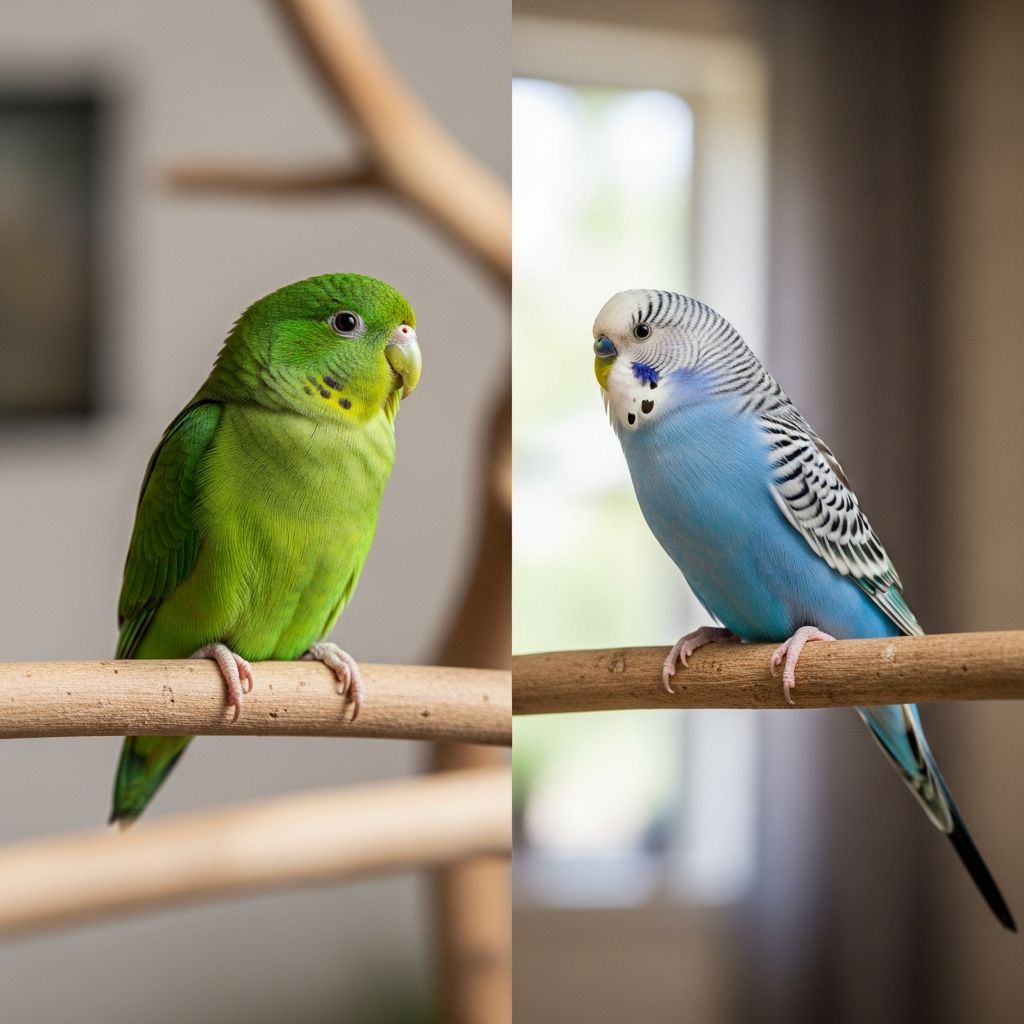
Understanding Parrotlets and Parakeets: A Comprehensive Comparison Guide
When shopping for a small parrot at a pet store or aviary, potential bird owners frequently encounter two popular options: parrotlets and parakeets. While these diminutive feathered companions may appear superficially similar at first glance, they represent distinctly different species with unique characteristics, behavioral patterns, and care requirements. Understanding these differences is essential for anyone considering bringing one of these birds into their home. This guide explores the key distinctions that set these birds apart and helps prospective owners determine which species might be the better fit for their lifestyle and experience level.
Physical Characteristics and Visual Identification
The most apparent differences between parrotlets and parakeets become obvious once you know what to look for. These visual distinctions serve as reliable identifiers when selecting a bird and understanding its needs.
Tail Structure and Body Shape
One of the most distinguishing features separates these two species immediately: tail length. Parrotlets possess notably short, stubby tails that give them a more compact silhouette, whereas parakeets display long, tapered tails that comprise a significant portion of their overall length. This fundamental difference in tail structure affects not only appearance but also flight dynamics and spatial requirements. Parrotlets typically feature a more rounded, sturdy body composition, while parakeets maintain a more streamlined and elongated form.
Beak and Facial Structure
Parrotlets carry proportionally larger beaks relative to their body size compared to parakeets. This more prominent beak contributes to their more robust appearance and reflects their more forceful personality. Additionally, the cere—the fleshy area surrounding the nostrils—differs between the species. Female parakeets typically display pink or light gray ceres, while males exhibit bright blue coloration. Parrotlets generally maintain more uniform cere coloration across sexes.
Plumage and Coloration
The feather patterns and color schemes differ notably between these species. Parakeets frequently display distinctive striped patterns across their feathers and come in various color mutations, though green represents their natural coloration. Parrotlets typically present more solid coloration without the pronounced striping patterns characteristic of parakeets, making them appear less patterned overall.
Size Differences
Though both are small parrots, quantifiable size differences exist. Parrotlets typically weigh between 26-40 grams and represent the smallest parrots bred in captivity. Parakeets, commonly called budgies, are slightly heavier, generally ranging from 40-60 grams. While this may seem negligible, in avian terms these few grams represent a meaningful size distinction.
Geographic Origins and Natural Habitat Adaptation
The evolutionary paths of these species diverged significantly based on their native environments, shaping their behaviors and requirements.
Native Ranges
Parrotlets originated from South America, particularly the humid rainforests of Ecuador. This tropical rainforest heritage has influenced their temperament and social structures. Parakeets, conversely, are native to Australia, where they adapted to the harsh, arid desert environment. These vastly different ancestral landscapes created birds with fundamentally different dispositions and environmental needs.
Environmental Adaptation Legacy
The environmental pressures of their origin regions have left lasting marks on both species. Parrotlets developed territorial behaviors suited to competing for resources in dense rainforest settings, while parakeets evolved more social and cooperative strategies suited to surviving in large flocks across open Australian landscapes. Understanding these evolutionary origins provides insight into why these birds behave as they do in captivity.
Behavioral Differences and Temperament
Beyond physical appearance, behavior represents perhaps the most significant practical distinction between these species for potential owners.
Aggression and Territorial Tendencies
Parrotlets possess naturally territorial dispositions with pronounced aggressive tendencies. These birds are known for being more prone to biting and nipping, displaying what many describe as “tiny Amazon” attitudes—fierce and independent despite their diminutive size. Parakeets, by contrast, maintain calmer and more gentle temperaments, making them better suited for owners who are hesitant about potential bites or prefer less confrontational interactions.
Social Housing Requirements
A crucial behavioral difference concerns group living. Parrotlets are solitary birds that should never be housed together, as they will aggressively attack even their own mates if confined in the same space. Parakeets, meanwhile, thrive in social settings and can be successfully kept in pairs or small flocks when properly introduced, though individual personalities influence compatibility.
Energy Levels and Activity Patterns
Parrotlets maintain exceptionally high energy levels, remaining constantly active and in motion. This relentless vitality requires owners capable of providing sustained engagement and stimulation. Parakeets, while active and intelligent, display somewhat more moderate energy patterns and can entertain themselves more readily.
Vocalization and Communication
The vocalizations of these species differ dramatically. Parakeets possess surprisingly clear, articulate voices and can develop impressive speech capabilities. Parrotlets produce what many describe as robotic squeaks and vocalizations that, while endearing, lack the clarity of parakeet speech and can be more grating to some listeners.
Dietary Requirements and Appetite
Nutritional needs vary between these species, affecting daily care responsibilities and feeding costs.
Parrotlets demonstrate voracious appetites relative to their size, sometimes consuming nearly as much food daily as a cockatiel—a bird significantly larger than themselves. This robust appetite reflects their high metabolic rate and constant activity level. Parakeets maintain more moderate feeding requirements consistent with their slightly larger size and lower energy expenditure. Understanding these dietary differences helps new owners budget appropriately for food expenses and feeding logistics.
Market Availability and Cost Considerations
Practical financial and availability factors significantly influence which species proves accessible to prospective owners.
| Factor | Parrotlets | Parakeets |
|---|---|---|
| Breeding History | Shorter domestication period | Extensively bred for centuries |
| Availability | Less common in pet stores | Widely available at most pet retailers |
| Base Price | Hundreds of dollars | Around $25-50 |
| Color Mutation Pricing | Premium pricing for rare mutations | Moderate premium for mutations |
Parakeets have been selectively bred for considerably longer than parrotlets, resulting in their prevalence as family pets and ready availability through most pet supply channels. Parrotlets, having entered the pet trade more recently, remain less common and command significantly higher prices, sometimes reaching hundreds of dollars depending on color mutations and breeder reputation. For budget-conscious buyers, parakeets present the more economical choice.
Selecting the Right Species for Your Situation
Determining whether a parrotlet or parakeet better suits your circumstances requires honest assessment of your lifestyle and preferences.
Ideal Parrotlet Owners
- Experienced bird enthusiasts who understand and appreciate challenging personalities
- Individuals capable of providing constant supervision and stimulation
- People comfortable with handling a more aggressive bird species
- Owners committed to housing birds individually
- Those with sufficient budget for premium bird pricing
Ideal Parakeet Owners
- First-time bird owners seeking a more forgiving temperament
- Families desiring a gentler pet suitable for children
- People with limited budgets for pet acquisition
- Those interested in multi-bird households or flock dynamics
- Individuals appreciating vocal clarity and speech capabilities
Housing and Environmental Needs
Both species demand substantial living spaces despite their small size. Neither should be confined to small decorative cages. Large flight cages with abundant space for movement, diverse perching options, and room for toys and enrichment activities are essential for either species. However, housing considerations differ notably: parakeets can share appropriate facilities, while parrotlets require individual accommodations.
Intelligence and Emotional Complexity
Despite their small size, both parrotlets and parakeets demonstrate remarkable intelligence and emotional sophistication. Both species form meaningful bonds with caretakers, though the nature of these bonds differs. Parrotlets tend toward independent relationships with occasional cuddle moments, while parakeets often develop more consistently affectionate interactions. Both require regular human interaction, mental stimulation, and environmental enrichment to prevent behavioral problems and psychological distress.
Frequently Asked Questions
Can parrotlets and parakeets be housed together?
No. Parrotlets are aggressively territorial and should never share enclosures with other birds, even members of their own species. Parakeets can coexist with compatible companions when properly introduced, though personality-dependent compatibility varies.
Which species is better for beginners?
Parakeets generally suit beginners better due to their calmer temperament, lower aggression likelihood, and more forgiving nature. Parrotlets require experienced handlers who understand their fiery personalities.
How long do these birds live?
Both species can live 10-20 years or longer with proper care, representing significant long-term commitments requiring dedicated attention throughout their lifespan.
Do both species talk?
Yes, both can learn to speak, but parakeets typically develop clearer, more intelligible speech, while parrotlets produce squeakier vocalizations.
Which species requires more financial investment?
Parrotlets generally prove more expensive both for initial acquisition and potentially for specialized care. Parakeets offer more budget-friendly options for cost-conscious buyers.
Making Your Final Decision
Choosing between a parrotlet and a parakeet ultimately depends on matching the bird’s natural temperament and requirements with your household situation, experience level, and commitment capacity. While both species offer rewarding companionship and remarkable personalities within small packages, their fundamental differences in behavior, social needs, and care requirements make them suitable for different types of owners. Taking time to understand these distinctions before purchasing ensures a more successful and satisfying relationship with your feathered companion, benefiting both you and the bird throughout its long life.
References
- Parrotlet or Parakeet – What Is the Difference? — Birds.com. Accessed January 30, 2026. https://www.birds.com/blog/parrotlet-or-parakeet-what-is-the-difference/
- Difference Between a Parrotlet and a Budgie (or Parakeet) — Three Birds and a Cloud. February 9, 2014. https://threebirdsandacloud.wordpress.com/2014/02/09/difference-between-a-parrotlet-and-budgie-or-parakeet/
Similar Articles








Read full bio of Sneha Tete