

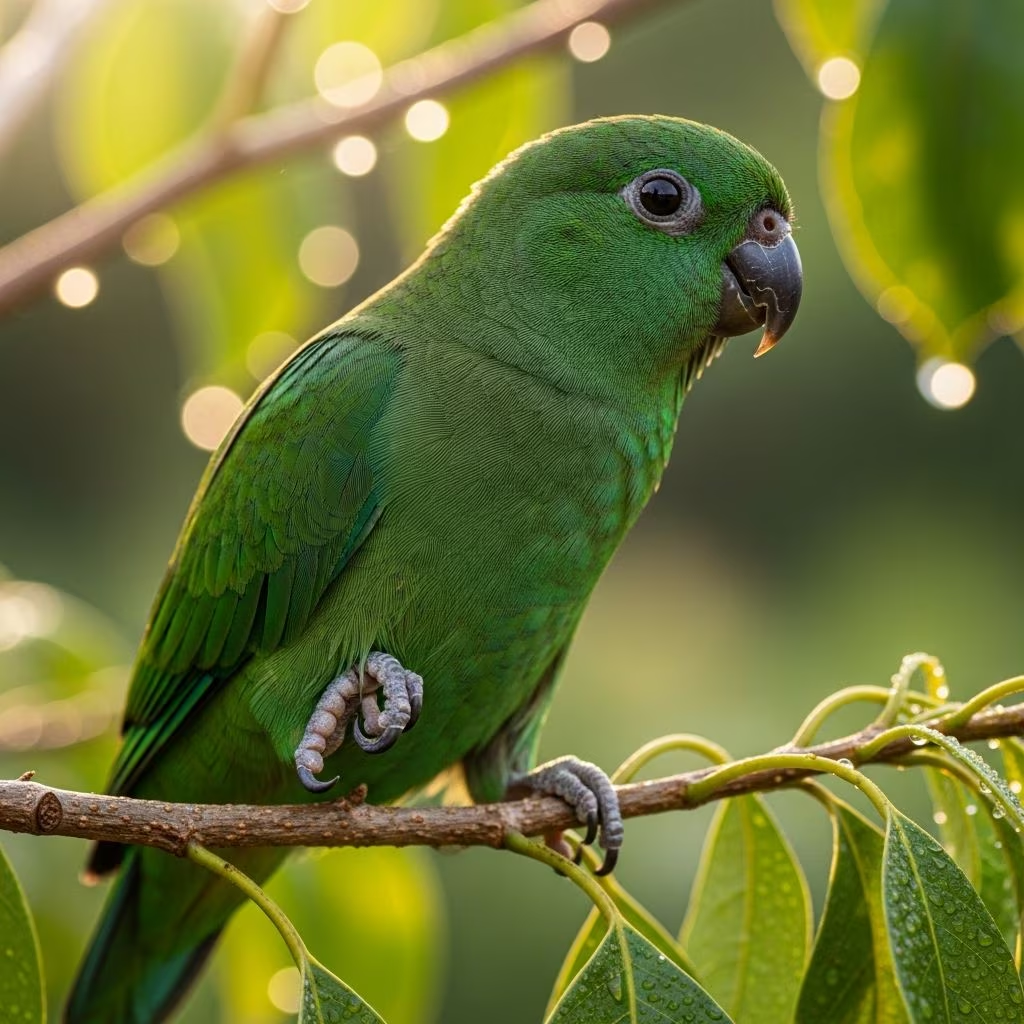
Parrotlets: Pint-Sized Parrots with Big Personalities
Parrotlets are among the smallest species of parrots in the world, yet they possess personalities that rival their much larger cousins. These remarkable birds, standing just 4.5 to 5.5 inches tall and weighing around 18 to 28 grams, demonstrate that size is no indication of attitude or intelligence. Native to Mexico, Central America, and South America, parrotlets have become increasingly popular as companion birds for those seeking a smaller parrot that doesn’t sacrifice personality or charm. Despite their diminutive stature, these birds have earned the affection of bird enthusiasts worldwide who appreciate their spirited nature and affectionate bonds with their owners.
Understanding Parrotlet Species
Several parrotlet species exist in the wild, but only a few are commonly kept as pets. The most popular species available to pet owners are the Pacific Parrotlet and the Green-Rumped Parrotlet, each bringing unique characteristics to household settings.
Pacific Parrotlets
Pacific Parrotlets are the most commonly available parrotlet species in the pet trade. These birds measure approximately 5.5 inches in length and weigh up to 32 grams, making them the slightly larger of the two popular species. Male Pacific Parrotlets display striking green plumage with distinctive blue markings on their wings, rump, and a characteristic blue streak behind their eyes. Females lack these blue markings and display uniform green coloring throughout their plumage. Pacific Parrotlets come in various color mutations including blue, yellow, lutino, fallow, pastel, and albino varieties.
Green-Rumped Parrotlets
The Green-Rumped Parrotlet is smaller than its Pacific cousin and tends to be slightly shyer and less active. Males display blue feathers on their wings, specifically dark blue primary feathers with turquoise secondary feathers. Females are distinguished by a patch of yellow feathers between their eyes above their beaks. Interestingly, Green-Rumped Parrotlets are the only parrotlet species that do not have blue coloring on their backs.
Physical Characteristics and Sexual Dimorphism
One of the most fascinating aspects of parrotlets is their clear sexual dimorphism, meaning males and females look distinctly different from one another. This characteristic makes it relatively easy to determine the sex of mature birds, which is particularly useful for those interested in breeding or pairing these birds.
Baby parrotlets are incredibly tiny, comparable in size to bumblebees when first hatched. As they mature, they remain the smallest members of the parrot family, growing to only half the size of a lovebird and approximately three-fourths the size of a budgie. Their short, stout bodies and somewhat blunt tails give them a distinctive appearance that resembles their larger Amazon cousins, though on a miniature scale.
The coloration between males and females provides one of the most reliable ways to identify sex. Male parrotlets feature blue markings on their wings, backs, and napes, while females display lighter green plumage. In male Pacific Parrotlets specifically, the blue rump feathers and blue eye streak do not appear until the first molt, though the coloring in the wings is indicative of gender from a younger age. The blue on the rump typically begins to show at approximately three months of age.
Personality and Temperament
Despite their small size, parrotlets possess the intelligence, attitude, and personality of much larger parrot species. They are described as feisty, affectionate, and willful birds that don’t seem to realize how small they actually are. These characteristics make them fascinating companions for those seeking an interactive and engaging pet bird.
Social Behavior and Housing Considerations
Parrotlets are inherently territorial and defensive of their cages, a behavior passed down from their wild ancestry where they must compete for shelter, food, and mates. In their natural habitat, they are prey animals vulnerable to predation from creatures capable of fitting a five-inch bird in their mouths, which explains their protective instincts.
For optimal companionship with humans, it’s generally recommended to keep only one parrotlet per household. When kept in pairs, parrotlets tend to bond closely with each other to the exclusion of their human caregivers. However, parrotlets can be kept peacefully in groups within large aviaries, though they should be separated from other bird species to prevent territorial disputes. They will quibble and fight over objects and territory, making species separation important for household harmony.
Handling and Interaction Needs
Pacific Parrotlets are very spirited and can become aggressive if left for too long without handling. Regular interaction and socialization are essential for maintaining their affectionate nature and preventing behavioral issues. Their curiosity and playfulness make them engaging companions that thrive on mental stimulation and social engagement.
Surprising Facts About Parrotlets
Despite their diminutive size, parrotlets possess several surprising characteristics that set them apart from other small bird species:
Powerful Bite: While tiny, parrotlets have remarkably strong beaks with a bite much more powerful than a budgie. This is something important to consider when interacting with these birds, as their bite can deliver a surprising amount of force.
Enormous Appetite: Gram for gram, parrotlets eat more than macaws. This metabolic efficiency means these birds require consistent and substantial nutrition despite their small frames.
Unique Flight Pattern: When flying and flapping their wings, parrotlets move them in small whirlpool-like movements that save energy for other activities. This evolved wing-flapping technique allows them to spend more energy foraging in the wild and increases their survival rate.
Vocal Learning Ability: Some species of parrotlets can learn words without formal training, picking up on certain words and phrases they hear. While learning to speak, they sometimes don’t know their limits, but they demonstrate surprising linguistic capabilities for their size.
Minimal Screening Tendency: Unlike larger macaws and many other parrot species, parrotlets don’t have a tendency to scream, making them apartment-friendly companions with moderate, pleasant chirping voices.
Lifespan and Health Considerations
Pacific Parrotlets are known to live 10 to 20 years on average. However, this lifespan can be significantly affected by breeding practices. Prior to the introduction of color mutations, Pacific Parrotlets were known to live consistently in the 10 to 20-year range. Unfortunately, perpetual pairing of color mutations without outcrossing has shortened the lifespan of many modern parrotlets.
Today, many color-mutated Pacific Parrotlets meet their demise before reaching ten years of age due to improper genetic pairing. Necropsy reports show common denominators in these premature deaths, with subject birds succumbing to cardiovascular disease, liver failure, and various congenital issues. This underscores the importance of obtaining parrotlets from reputable breeders who prioritize genetic diversity and health over cosmetic color variations.
Diet and Nutrition
Proper nutrition is crucial for maintaining the health and longevity of parrotlets. These birds require a high-quality diet that supports their surprisingly fast metabolism. A balanced parrotlet diet should include:
Commercial Parrot Food: High-quality pellets formulated specifically for small parrots provide essential nutrients and vitamins necessary for optimal health.
Fresh Fruits and Vegetables: Daily portions of fresh produce add variety and important micronutrients to their diet.
Seeds and Nuts: While higher in fat, occasional seeds and nuts can be offered as treats.
Owners should ensure parrotlets have constant access to fresh, clean water and monitor their food intake to prevent overfeeding, which can lead to obesity despite their high metabolism.
Cage and Environmental Requirements
While parrotlets are small, they require appropriately sized accommodations that provide room for exercise and mental stimulation. Key environmental considerations include:
Cage Size: A minimum cage size that allows for some flight and movement is necessary, along with various perches at different heights to promote natural behavior.
Enrichment Items: Toys, foraging opportunities, and objects to chew help prevent boredom and destructive behavior.
Safe Placement: Cages should be positioned away from kitchen areas (where cooking fumes can be harmful), direct sunlight, and drafty locations.
Social Space: Parrotlets thrive when they can observe household activities and remain part of the family environment.
Training and Behavioral Management
Parrotlets can be trained with patience and consistency, though their willful nature means they may not always comply with owner expectations. Positive reinforcement techniques work best with these intelligent birds. Their defensive cage behavior can be managed through gradual desensitization and consistent, positive handling practices.
Understanding that cage defensiveness is instinctive rather than malicious helps owners approach training with appropriate expectations. The key is establishing trust through regular, gentle interaction and respecting the bird’s space while gradually building positive associations with handling and out-of-cage time.
Suitability as Pets
While parrotlets may seem like suitable pets for children due to their small size, they are better suited for experienced bird owners or older children who understand proper handling techniques. These birds are temperamental and feisty, and their surprisingly powerful bite means they’re not ideal for young children who may not handle them appropriately. Those seeking a parrot for children might be better served by budgies or birds in the neophema family.
For adult bird enthusiasts seeking a smaller parrot with genuine personality and interactive behavior, parrotlets make excellent companions. Their intelligence, affection, and playful nature combined with their apartment-friendly vocalizations make them appealing to a wide range of pet owners.
Frequently Asked Questions (FAQs)
Q: How can I tell male and female parrotlets apart?
A: Male parrotlets display blue markings on their wings, backs, and around their eyes, while females have uniform green plumage. In Pacific Parrotlets, males have distinctive blue streaks behind their eyes and blue rumps, characteristics that appear after their first molt. Green-Rumped Parrotlets females have a distinctive yellow patch between their eyes.
Q: Can parrotlets learn to talk?
A: Yes, some parrotlet species can learn words and phrases without formal training. They pick up on words they hear in their environment, though they don’t have the extensive vocabulary of larger parrots.
Q: What is the average lifespan of a parrotlet?
A: Parrotlets typically live 10 to 20 years in captivity. However, lifespan can be significantly reduced to under 10 years in birds with poor breeding genetics, particularly those with color mutations.
Q: Are parrotlets good for apartments?
A: Yes, parrotlets are excellent apartment birds because they have moderate, pleasant chirping voices without the screaming tendency of larger parrot species. This makes them much quieter neighbors than macaws or African Grey parrots.
Q: Can I keep two parrotlets together?
A: Two parrotlets can be kept together, and they will bond with each other. However, they will likely exclude their human caregivers from their social circle. For a strong human-parrot bond, keeping a single parrotlet is recommended.
Q: How strong is a parrotlet’s bite?
A: Despite their small size, parrotlets have surprisingly powerful beaks with bites much stronger than budgies. Their bite can deliver significant force and should be respected during handling.
Q: Why do some parrotlets have shorter lifespans than others?
A: Improper genetic pairing of color mutations through inbreeding can result in congenital health issues, cardiovascular disease, and liver failure, significantly shortening lifespan. Parrotlets from responsible breeders who prioritize health over color mutations typically live longer, healthier lives.
References
- Parrotlets Fact Sheet — Northern Parrots. 2025. https://www.northernparrots.com/blog/parrotlets-fact-sheet/
- Parrotlets: A Small Parrot with BIG Personality — Pet Connections. 2023-12-12. https://petconnections.pet/2023/12/12/parrotlets-a-small-parrot-with-big-personality/
- Pacific Parrotlet Personality, Food & Care – Pet Birds by Lafeber Co. — Lafeber Company. 2025. https://lafeber.com/pet-birds/species/pacific-parrotlet/
- Parrotlet – Profile & Care Guide — Parrot Essentials. 2025. https://parrotessentials.co.uk/blog/parrotlet-profile-care-guide
- Parrotlet — myRightBird. 2025. https://myrightbird.com/birds/parrotlet
- Meet the Parrotlets – A Large Parrot Packed in a Mini Body — PetMD. 2025. https://www.petmd.com/bird/care/meet-parrotlets-large-parrot-packed-mini-body
- Parrotlets: What to Know About These Small Birds — WebMD. 2025. https://www.webmd.com/pets/what-to-know-parrotlet



